




AI and Efficiency Trigger Massive US Job Market Transformation
- Technological disruption reshapes workforce dynamics across industries































Overview
The U.S. job market is experiencing a profound structural transformation in 2025, driven by an unprecedented convergence of technological innovation and economic recalibration. With 1.1 million jobs cut through November, the current landscape represents the most significant workforce disruption since the pandemic, signaling a fundamental reshaping of employment dynamics.
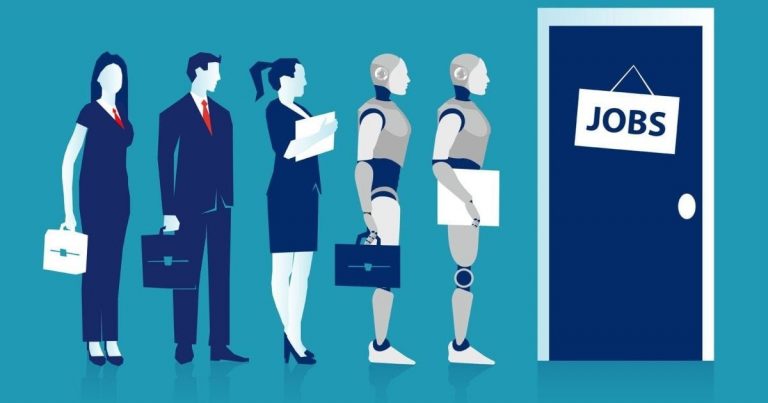
Technological displacement emerges as the primary catalyst, with artificial intelligence directly contributing to 54,700 job cuts. The technology sector led these workforce reductions, eliminating 153,536 positions—a 17% increase from 2024. Amazon's strategic moves exemplify this trend, announcing 14,000 job cuts while simultaneously leveraging AI tools to enhance operational efficiency. This pattern reveals a critical insight: companies are no longer just using technology to augment workforce productivity, but actively using it to restructure and streamline organizational models.
The job market transformation extends beyond tech, with multiple sectors experiencing significant disruption. The Department of Government Efficiency (DOGE) directly caused nearly 300,000 job losses, while market conditions and economic uncertainties prompted an additional 245,086 layoffs. Small businesses are particularly vulnerable, with private-sector employers cutting 32,000 jobs in November, primarily affecting firms with fewer than 50 employees. Trade tariffs have further complicated the landscape, raising operational costs and compelling businesses to reduce labor expenses.
The retail sector provides a microcosm of these broader shifts, with 91,954 jobs eliminated as consumers pull back on discretionary spending. Seasonal hiring expectations for 2025 have dramatically contracted, with projected seasonal worker recruitment between 265,000-365,000—a significant drop from 442,000 in the previous year. This contraction suggests a more profound restructuring of labor markets, where technological efficiency and cost optimization are becoming primary strategic imperatives.
Ultimately, this comprehensive job market transformation signals a technological and economic recalibration that will fundamentally reshape workforce dynamics. Companies are no longer just adapting to technological change—they are proactively using AI and efficiency drives to reimagine organizational structures and labor allocation.
Questions 3
What are the long-term implications of these workforce transformations?
These job market shifts signal a fundamental restructuring of work, where technological efficiency becomes the primary organizational strategy. Workers will need to continuously upskill and adapt to AI-driven environments, with traditional job roles increasingly being reimagined or automated.
Which industries are most vulnerable to technological job displacement?
Technology, retail, and small business sectors are experiencing the most significant disruptions. The technology sector saw a 17% increase in job cuts, while retail and small businesses with fewer than 50 employees are particularly susceptible to AI-driven efficiency strategies.