



Political Pardon Dynamics Reveal Deeper Institutional Complexities
- Examining the Rapid Legal Maneuvers Shaping Executive Power Interpretations













































Overview
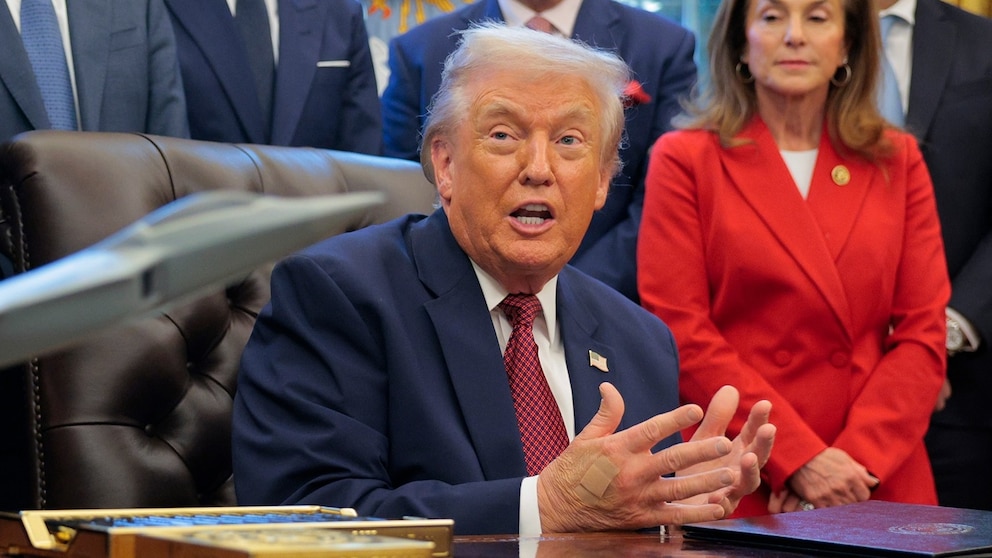
Presidential pardoning power represents a critical intersection of legal, political, and institutional dynamics that extends far beyond simple executive discretion. The recent high-profile pardon of a former entertainment executive highlights the nuanced mechanisms of executive authority and institutional accountability.
The unprecedented speed of indictment-to-pardon progression signals a potentially transformative moment in executive branch operations. While the specific details of this pardon are politically charged, they illuminate broader systemic questions about the scope and limitations of presidential clemency powers. The fact that an executive was pardoned by the same Department of Justice that initially brought charges creates a fascinating legal and procedural paradox.
Institutional resilience and flexibility emerge as key themes in this development. The pardon demonstrates how executive power can rapidly recalibrate legal outcomes, suggesting that traditional assumptions about prosecutorial independence and judicial process may be more malleable than previously understood. This flexibility can be viewed both as a critical safeguard against potential systemic injustices and as a potential mechanism for political manipulation.
The broader implications extend beyond the immediate legal context. Such actions invite deeper scrutiny of institutional checks and balances, revealing the complex interplay between different branches of government. They underscore how individual executive decisions can instantaneously reshape legal narratives and challenge established procedural norms.
Strategic observers should recognize that these moments are not merely isolated incidents but potential indicators of evolving governance models. The ability to swiftly reverse legal proceedings through executive action suggests a dynamic, fluid approach to institutional governance that prioritizes flexibility over rigid procedural constraints.
Questions 3
What are the broader implications of such executive actions?
Such actions invite deeper scrutiny of governmental mechanisms, showing how individual decisions can instantaneously reshape legal narratives. They suggest a governance model that prioritizes flexibility and immediate executive discretion over traditional procedural constraints.
How does this pardon impact institutional accountability?
This pardon reveals the potential for rapid legal recalibration through executive action. It demonstrates that institutional accountability is not a static concept but a dynamic process where executive power can swiftly modify legal outcomes, raising important questions about systemic checks and balances.