



Navigating the Autonomous Future: Waymo's Strategic Urban Mobility Rollout
- Revealing the complex policy landscape reshaping transportation technology for urban mobility providers


























Overview
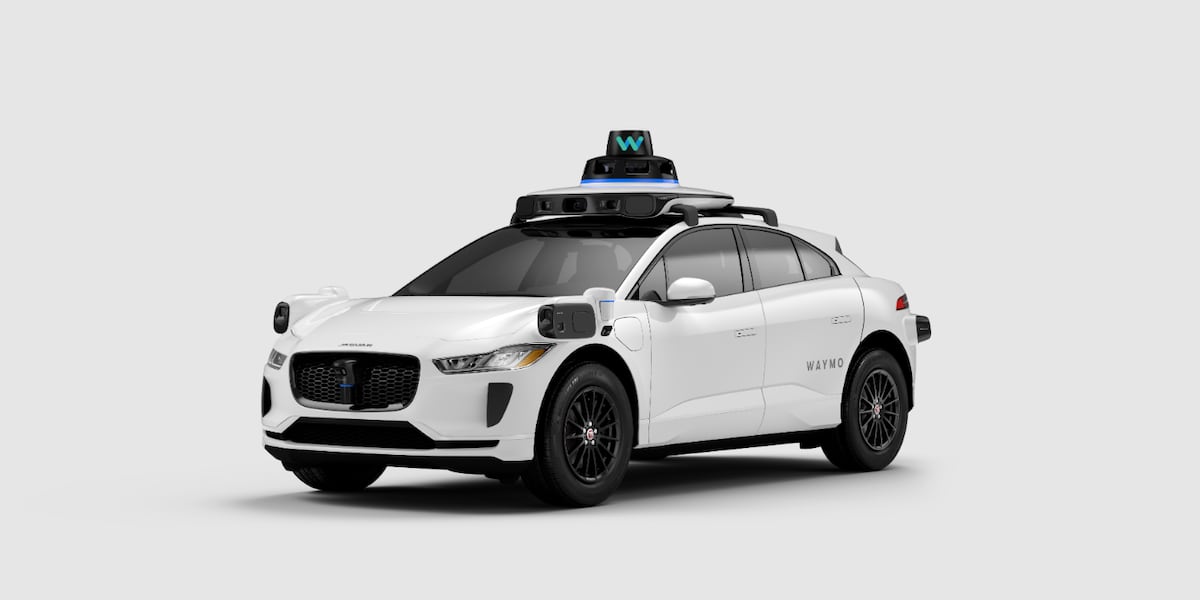
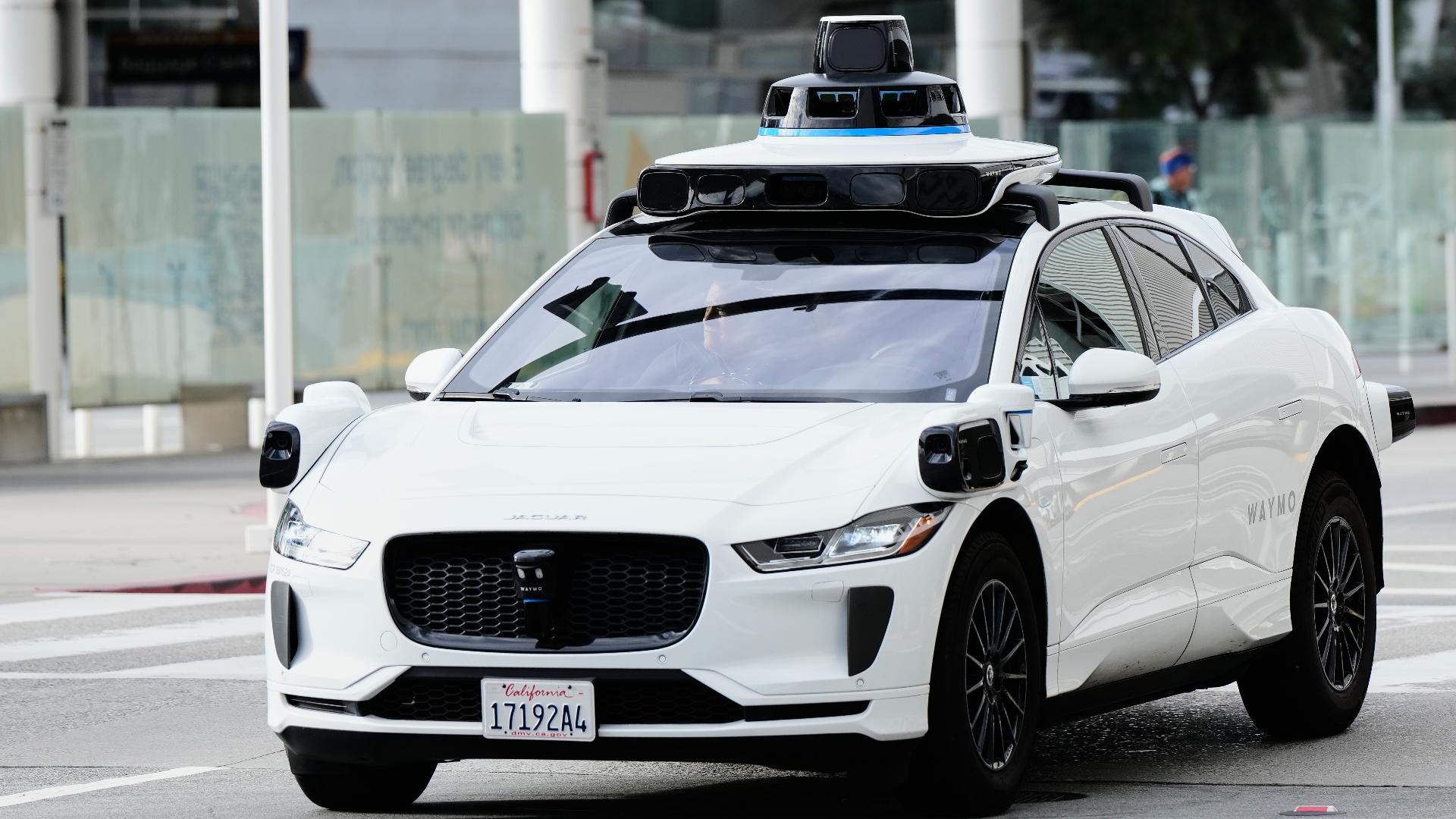
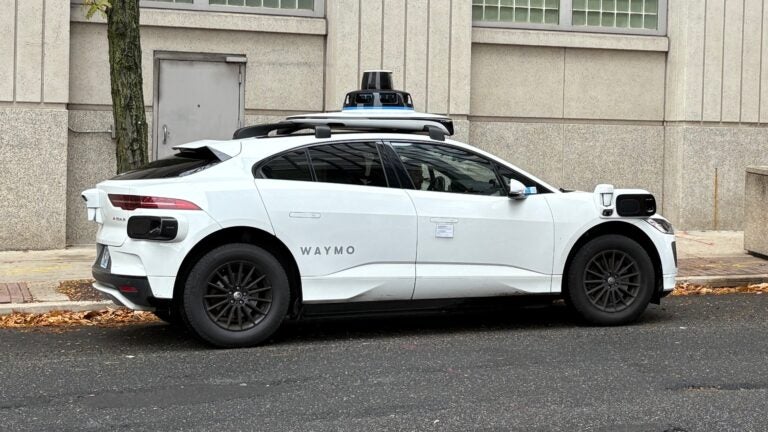
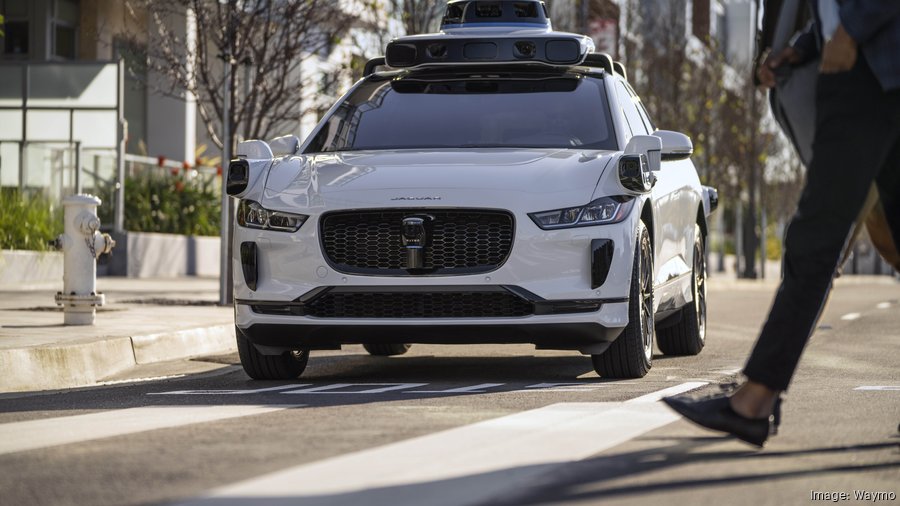
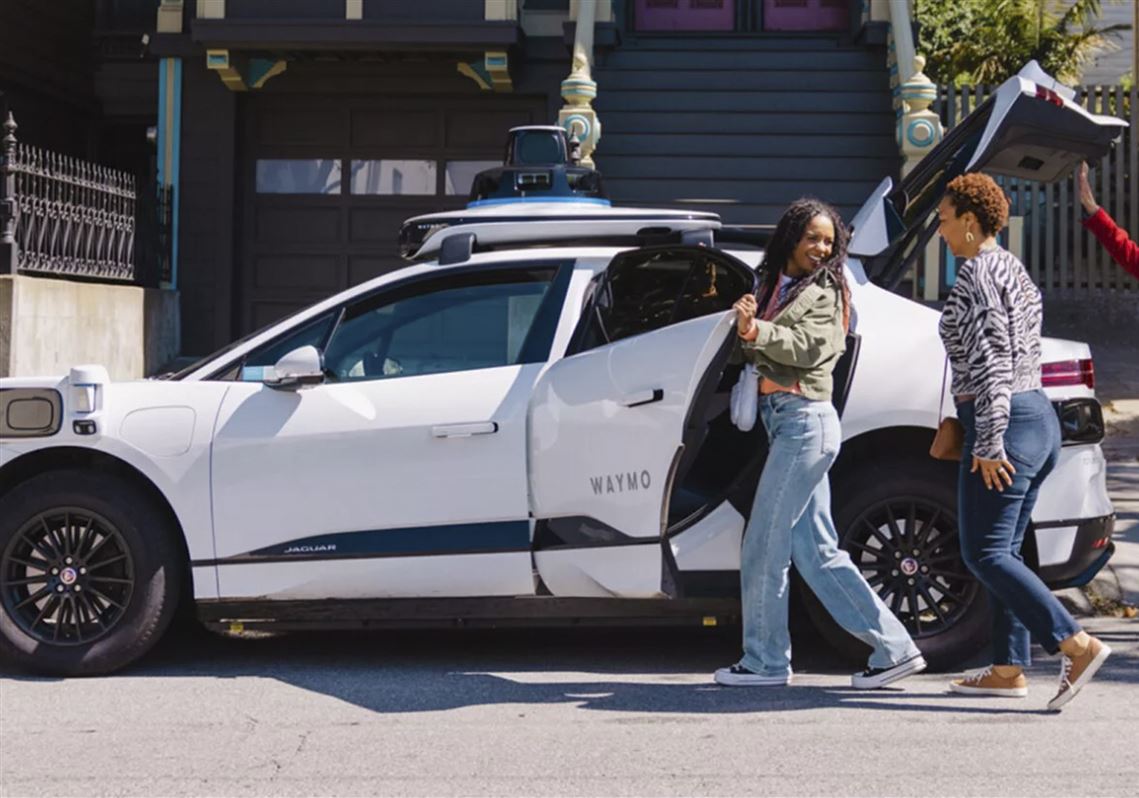
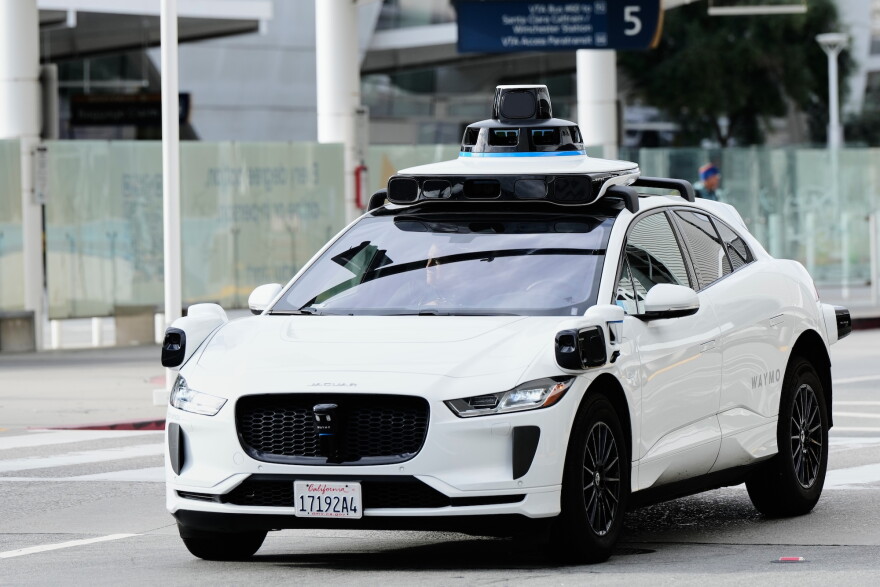
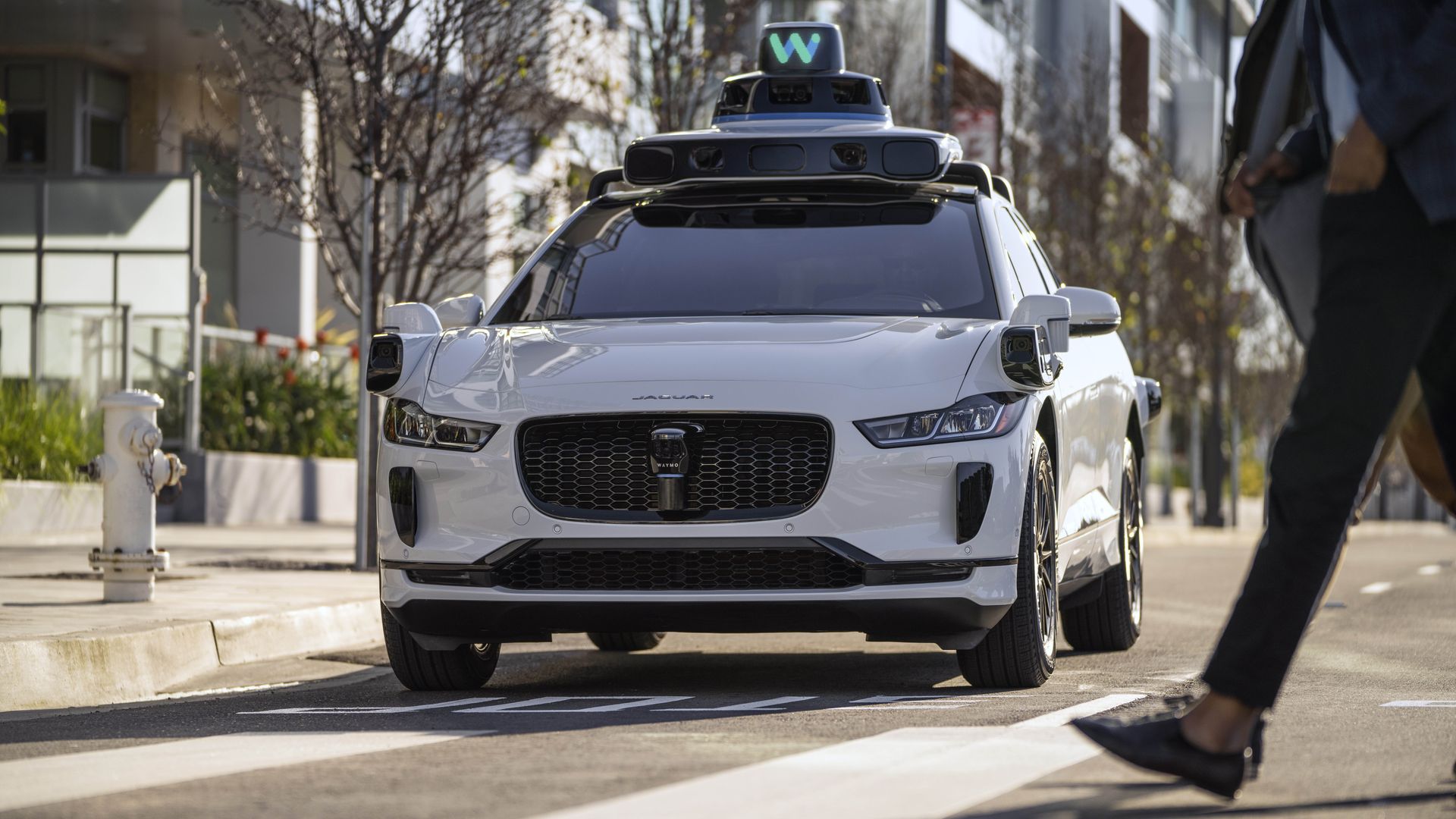
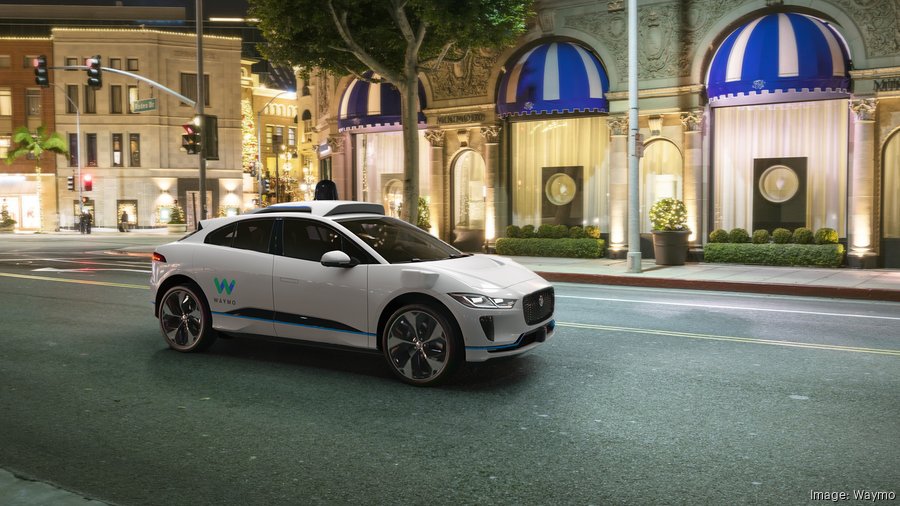
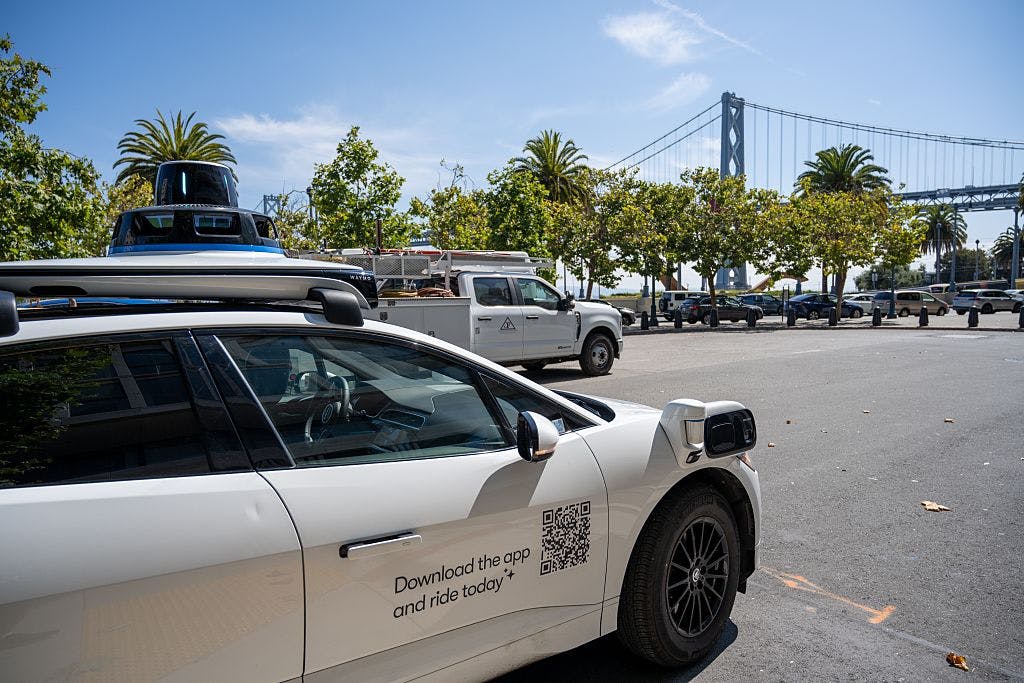
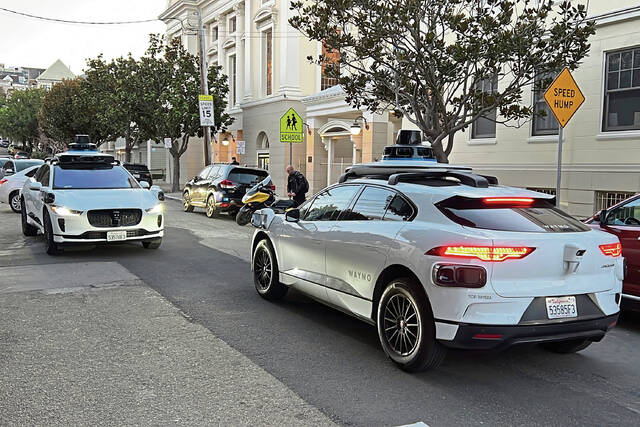
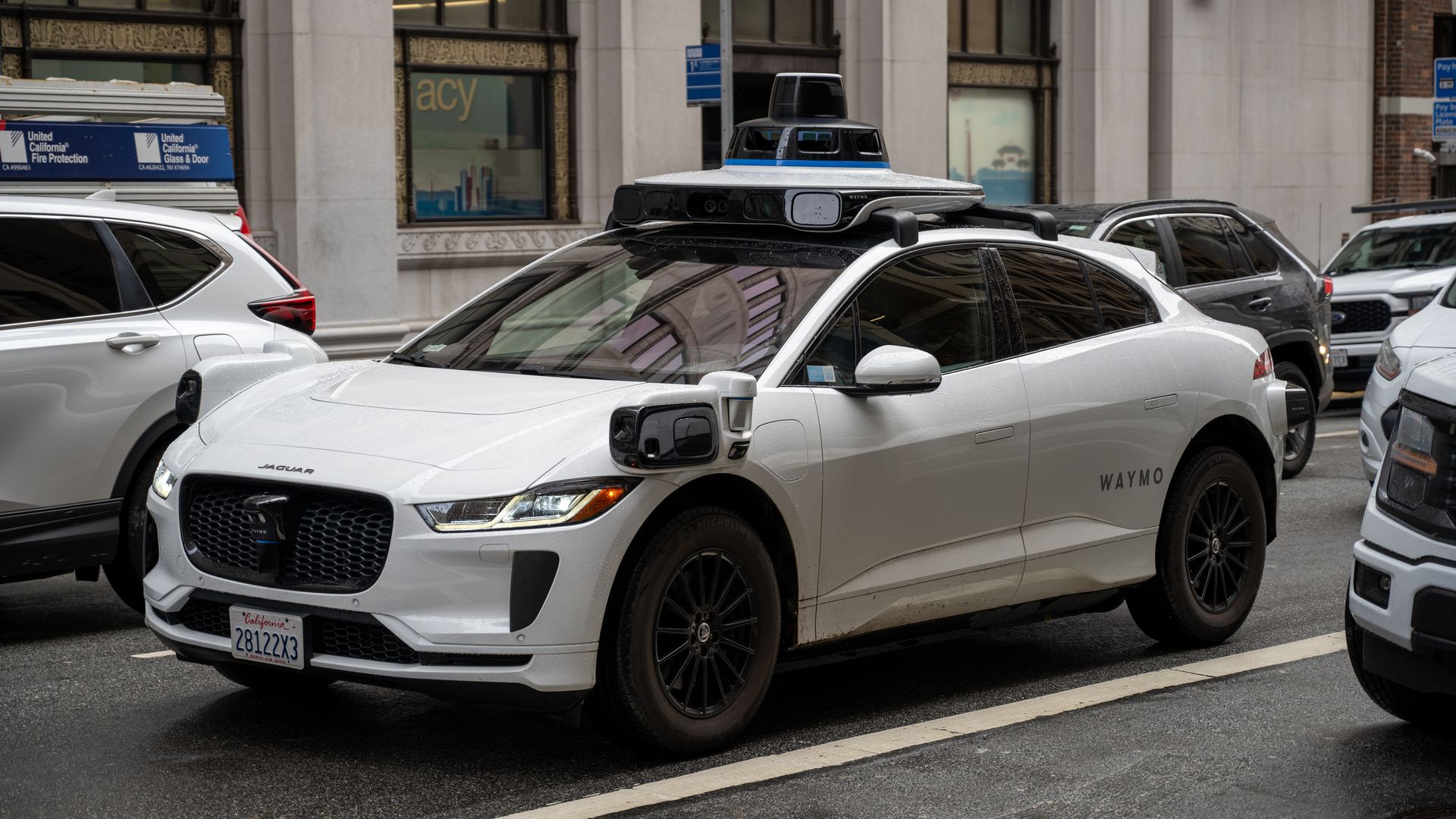
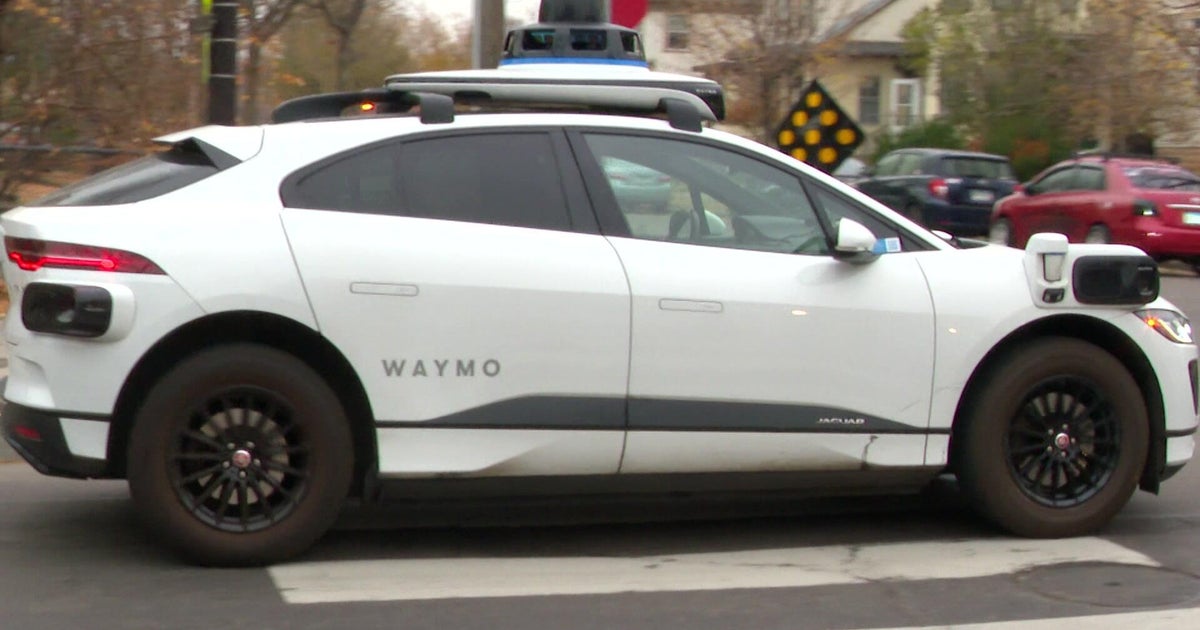
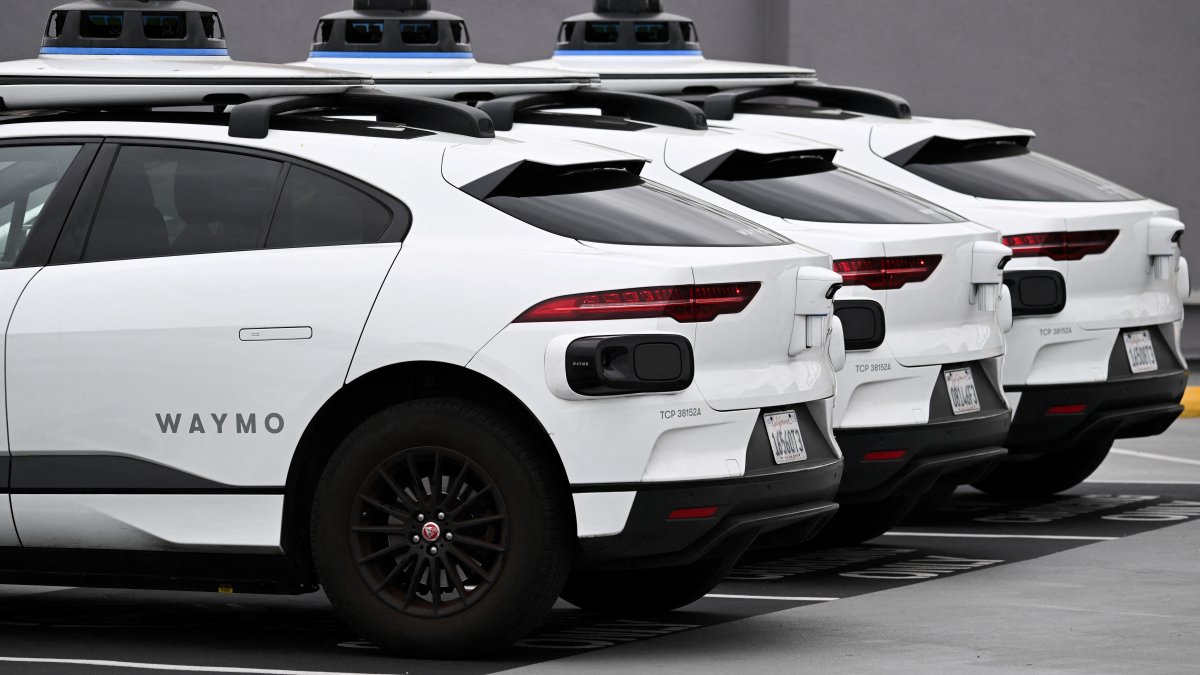
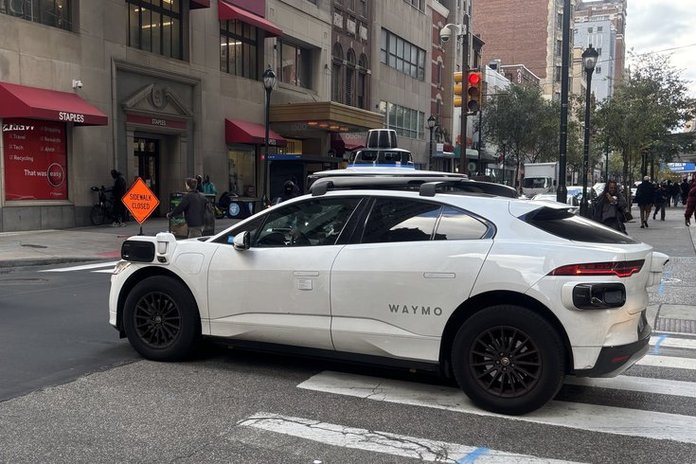
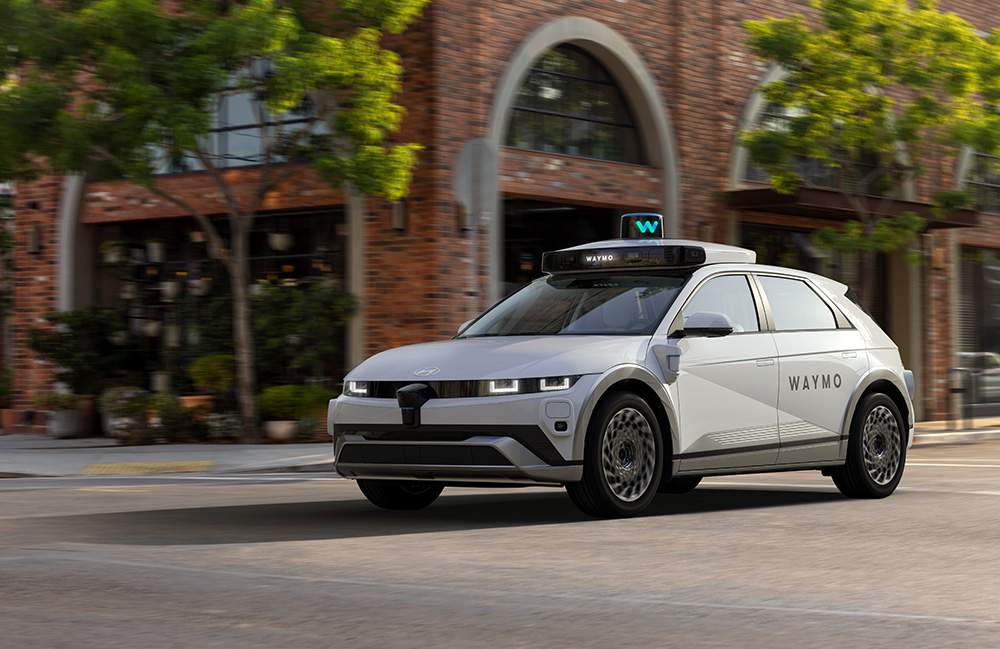
Autonomous vehicle technology is rapidly transforming urban transportation, with Waymo emerging as a pivotal player navigating an intricate landscape of technological innovation and regulatory complexity. The company's ambitious expansion strategy reveals a nuanced approach to deploying self-driving technology across the United States, demonstrating that the core challenge lies not in technological capability, but in understanding and navigating local political ecosystems.
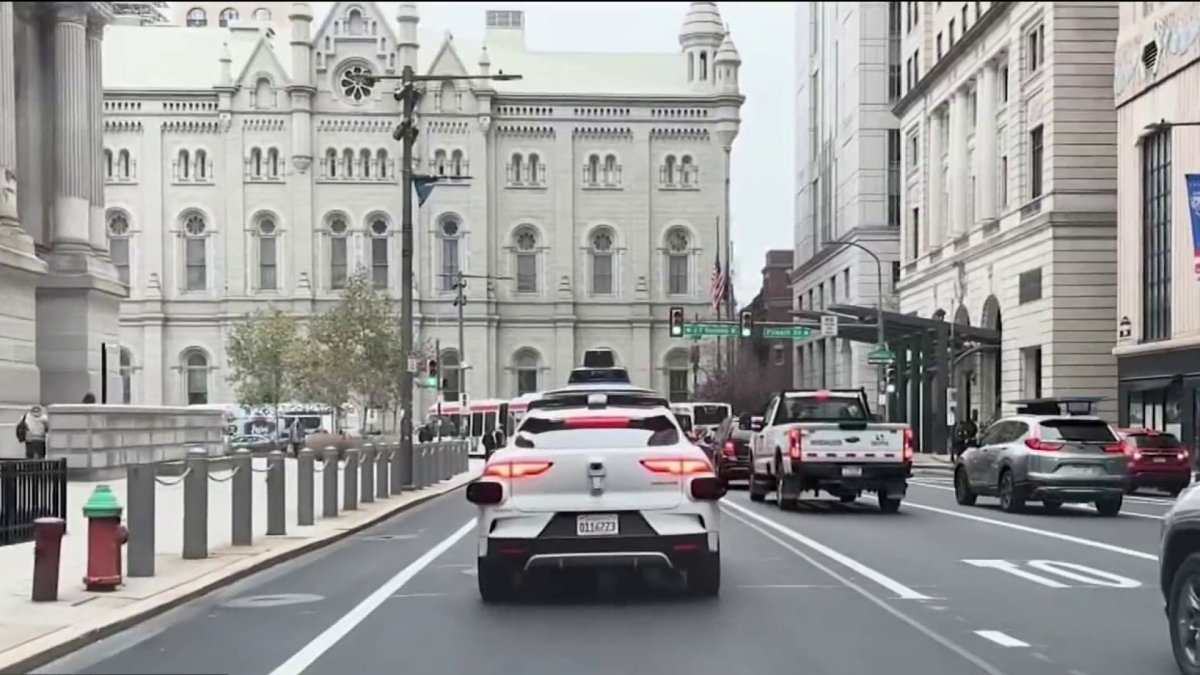
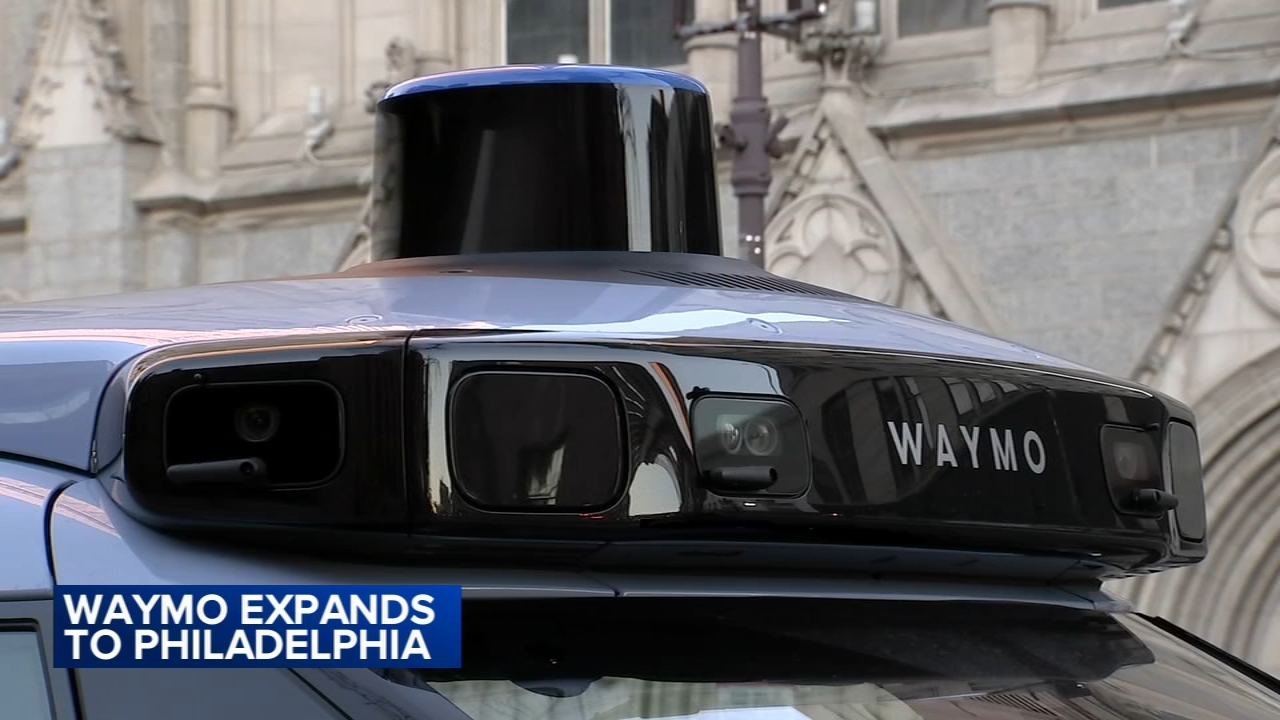
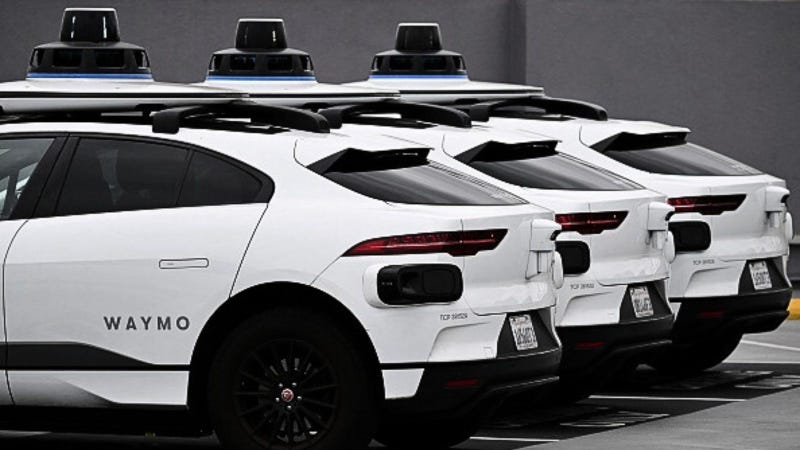
Waymo's methodical expansion highlights a critical strategic insight: autonomous vehicle deployment is fundamentally a policy and social integration challenge. With 2,500 robotaxis and over 100 million fully autonomous miles driven, the company is systematically addressing regulatory barriers across multiple states. By strategically targeting cities like Philadelphia, Washington D.C., and expanding to 19 additional urban markets, Waymo is creating a sophisticated blueprint for technological adoption.
The company's approach reveals three key strategic dimensions. First, geographic diversification allows Waymo to test different regulatory environments, with cities like Boston, Seattle, and Minneapolis presenting unique policy challenges. Second, political navigation is critical—evidenced by hiring Justin Kintz, a former Uber policy lead, to manage complex local political landscapes. Third, gradual technological integration demonstrates a commitment to safety and public acceptance, with trials moving from human-supervised to minimally interventionist autonomous operations.
Critically, Waymo's expansion is not just a technological endeavor but a complex social negotiation. Labor unions, progressive politicians, and city councils raise legitimate concerns about job displacement, forcing autonomous vehicle companies to develop comprehensive community engagement strategies. The company's research showing significantly fewer injuries compared to human-driven vehicles provides a compelling narrative for technological adoption.
The broader implications are profound: autonomous vehicles represent more than a transportation technology—they are a fundamental reimagining of urban mobility infrastructure. Waymo's strategic approach suggests that successful technological disruption requires as much political and social intelligence as engineering prowess.
Questions 4
What are the primary challenges Waymo faces in expanding its autonomous vehicle service?
Waymo's primary challenges include navigating complex state and local regulations, addressing concerns about job displacement, managing public perception, and obtaining regulatory permits. The company must demonstrate safety, engage with local communities, and develop nuanced strategies for each unique urban environment.
What makes Waymo's expansion strategy different from other autonomous vehicle companies?
Unlike competitors, Waymo emphasizes comprehensive policy navigation, hiring specialized policy experts and conducting extensive local engagement. Their approach focuses on understanding and integrating with local political ecosystems, not just deploying technology, which sets them apart in the autonomous vehicle market.