






Fantasy Football's Strategic Playbook: Performance Analytics in the Digital Age
- Data-Driven Decision Making Transforms Player Selection and Strategic Management


























Overview
In the high-stakes world of fantasy football, Week 17 reveals a profound transformation in how performance is analyzed, tracked, and strategically leveraged. The convergence of granular data analytics and strategic decision-making has elevated fantasy management from casual hobby to a sophisticated, metrics-driven discipline.
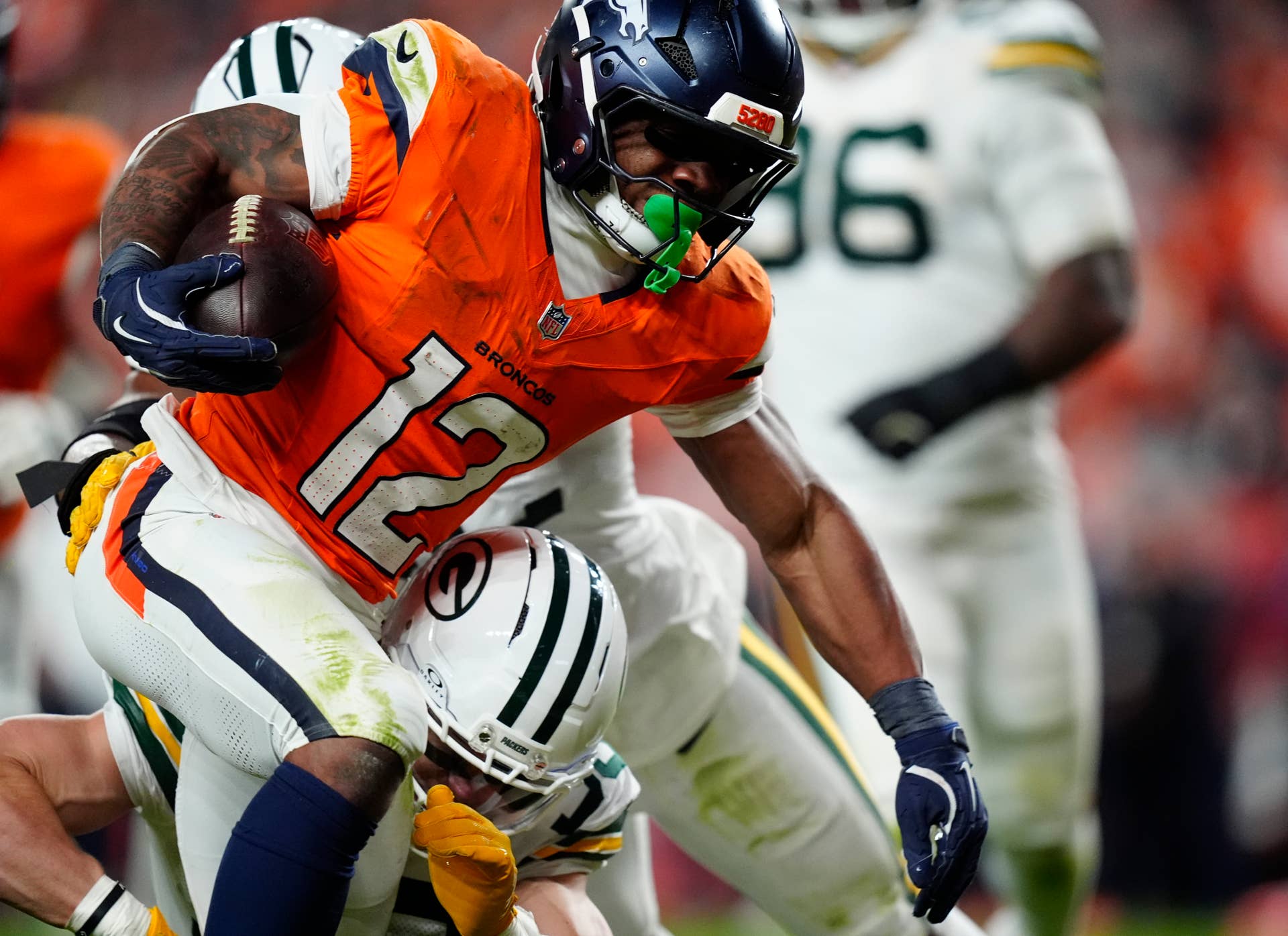
Performance tracking emerges as the critical differentiator in this week's analysis. Players like Chris Olave, who scored an impressive 57 fantasy points in two weeks, demonstrate how individual performance metrics can dramatically shift strategic calculations. The Denver Broncos' unanimous top defensive ranking further underscores the importance of comprehensive, multi-dimensional evaluation beyond traditional statistics.
The underlying logic driving these insights is remarkably similar to strategic business decision-making. Just as fantasy managers meticulously assess player matchups, quarterback performance, and defensive dynamics, modern businesses must continuously track, analyze, and adapt their strategies. The running back performance metrics - with players like RJ Harvey averaging 19 fantasy points per game - mirror how companies evaluate individual contributor performance and potential.
What's particularly noteworthy is the holistic approach to performance evaluation. The Week 17 analysis doesn't just look at raw numbers but considers contextual factors: team dynamics, motivational states, and potential game scenarios. This mirrors sophisticated business intelligence approaches where success depends on understanding complex, interconnected systems rather than isolated data points.
The data suggests a broader trend: strategic decision-making is increasingly powered by granular, real-time analytics. Whether in fantasy football or corporate strategy, the ability to synthesize multiple data streams, understand contextual nuances, and make rapid, informed decisions has become the key competitive advantage.
Questions 3
What makes Week 17's performance analysis unique?
Week 17 highlights a holistic approach to performance evaluation, considering not just statistical outputs but motivational states, team dynamics, and potential game scenarios. This nuanced analysis demonstrates the evolution from simplistic number-crunching to sophisticated, context-aware strategic assessment.
Why are granular analytics becoming crucial in competitive environments?
Granular analytics provide a competitive edge by enabling rapid, informed decision-making. In fantasy football and business, success increasingly depends on the ability to synthesize complex, real-time data streams, understand interconnected factors, and make strategic adjustments quickly.