



Amazon's Logistics Revolution Reshapes US Shipping Landscape
- Emerging strategic shift in last-mile delivery transforms e-commerce shipping economics


/NVIDIA%20Corp%20logo%20on%20phone%20and%20AI%20chip-by%20Below%20the%20Sky%20via%20Shutterstock.jpg)



























Overview
Amazon's growing logistics capabilities are fundamentally restructuring the US shipping market, signaling a strategic pivot that goes far beyond traditional retail delivery models. The company's expanding shipping infrastructure represents a critical inflection point in how e-commerce platforms integrate transportation and fulfillment capabilities.
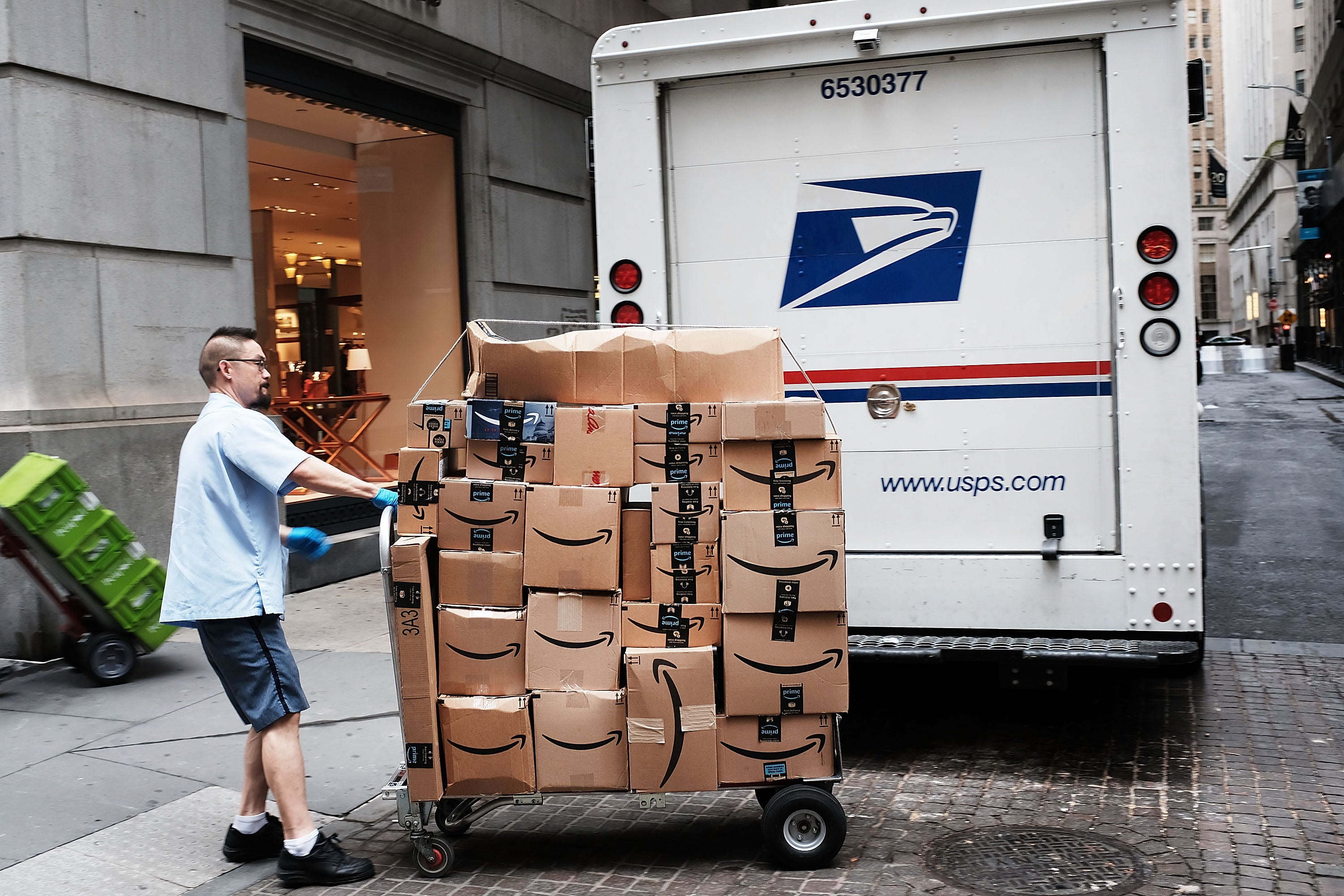
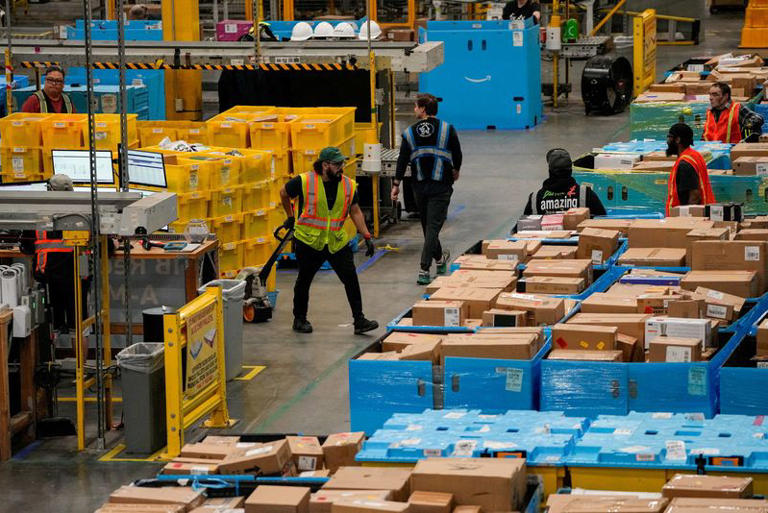
Shipping market dynamics are being dramatically reshaped by Amazon's aggressive logistics expansion. By developing an increasingly sophisticated in-house shipping network, Amazon is challenging traditional carriers and creating a vertically integrated delivery ecosystem. This approach allows the company to reduce external shipping dependencies, optimize last-mile delivery costs, and create significant competitive advantages in the e-commerce logistics space.
The strategic implications are profound for multiple stakeholders. Third-party sellers must now recalibrate their logistics strategies, recognizing that Amazon's growing shipping clout means more complex competitive dynamics. Smaller logistics providers will face increased pressure to differentiate or risk being marginalized by Amazon's expanding capabilities. The company's investments suggest a long-term vision of becoming not just an e-commerce platform, but a comprehensive logistics infrastructure provider.
From a supply chain perspective, this represents a fundamental reimagining of delivery economics. By controlling more of its shipping infrastructure, Amazon can dramatically reduce per-package transportation costs, create more predictable delivery windows, and generate unprecedented data insights into logistics optimization. This vertical integration strategy transforms shipping from a cost center into a potential revenue and competitive advantage generator.
Critically, this development signals a broader trend in digital commerce: platforms are no longer content to be mere marketplaces, but are actively building end-to-end capabilities that encompass production, logistics, and delivery. For industry observers, Amazon's shipping expansion is less about moving packages and more about creating an integrated, data-driven logistics ecosystem that can outmaneuver traditional transportation models.
Questions 3
What are the implications for third-party sellers?
Third-party sellers must adapt to Amazon's evolving logistics ecosystem by becoming more sophisticated in their shipping strategies. They'll need to leverage Amazon's infrastructure while also exploring alternative delivery partnerships to maintain competitive positioning.
How is Amazon changing the US shipping market?
Amazon is building an extensive in-house shipping network that reduces reliance on traditional carriers, allowing for more cost-effective, data-driven last-mile delivery. By vertically integrating logistics capabilities, they're transforming from an e-commerce platform to a comprehensive logistics infrastructure provider.