

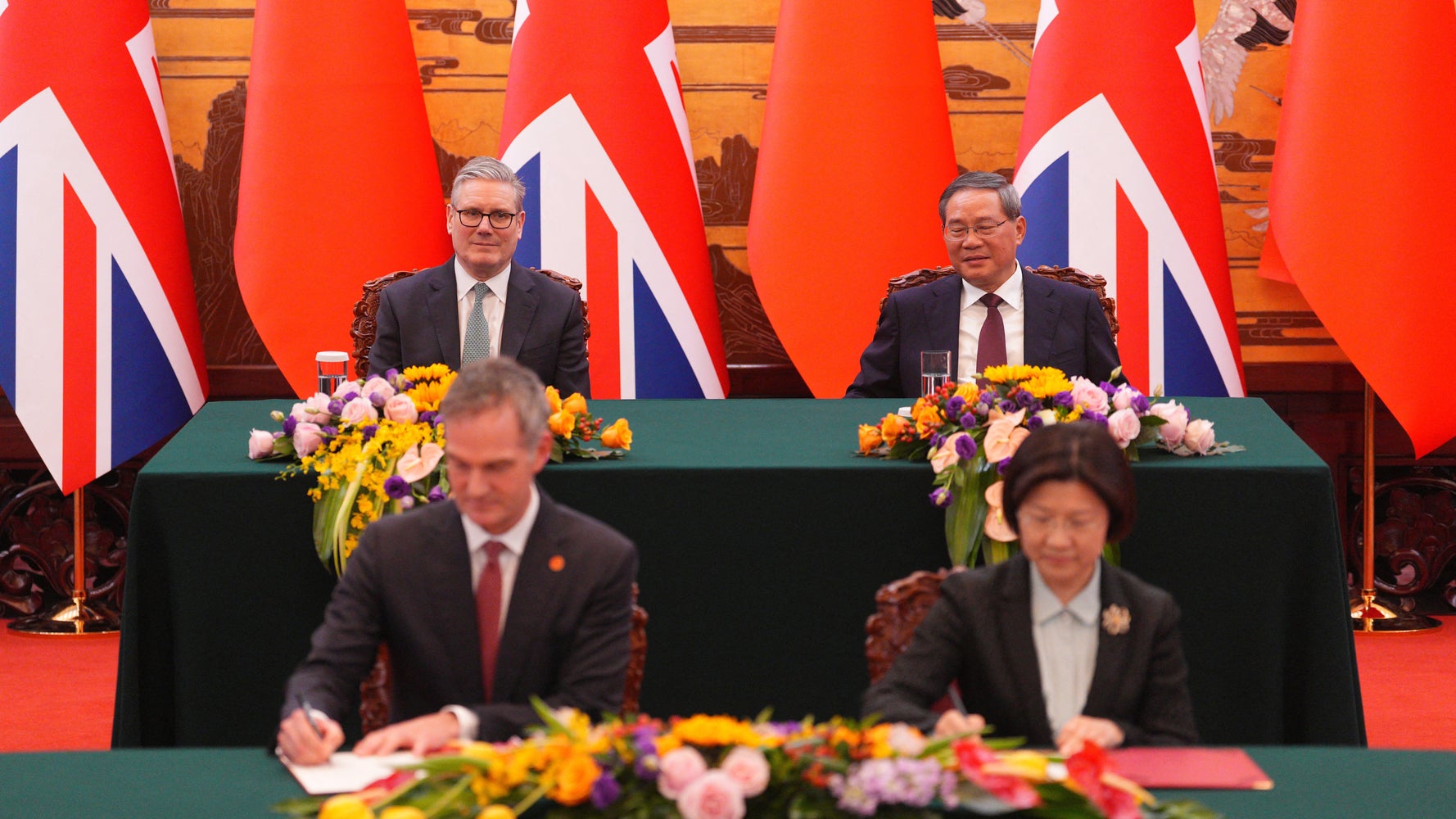


UK-China Trade Reset Creates Tariff Arbitrage Window | Sellers Face US Retaliation Risk
- UK secures reduced whisky tariffs and visa-free travel; Trump threatens 100% Canadian tariffs; sellers must navigate competing trade blocs by February 2026
















Overview
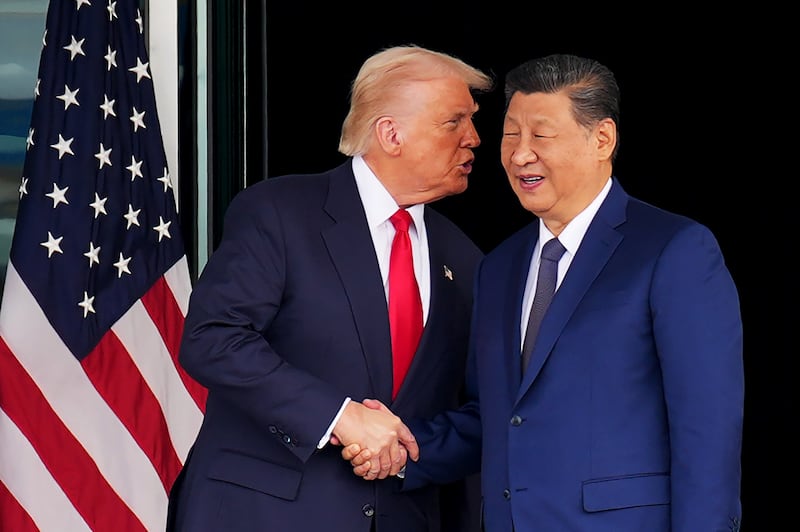
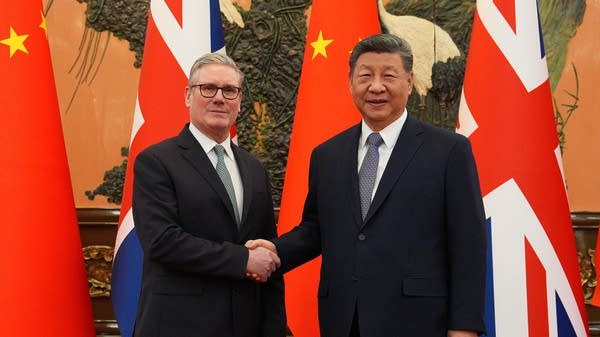
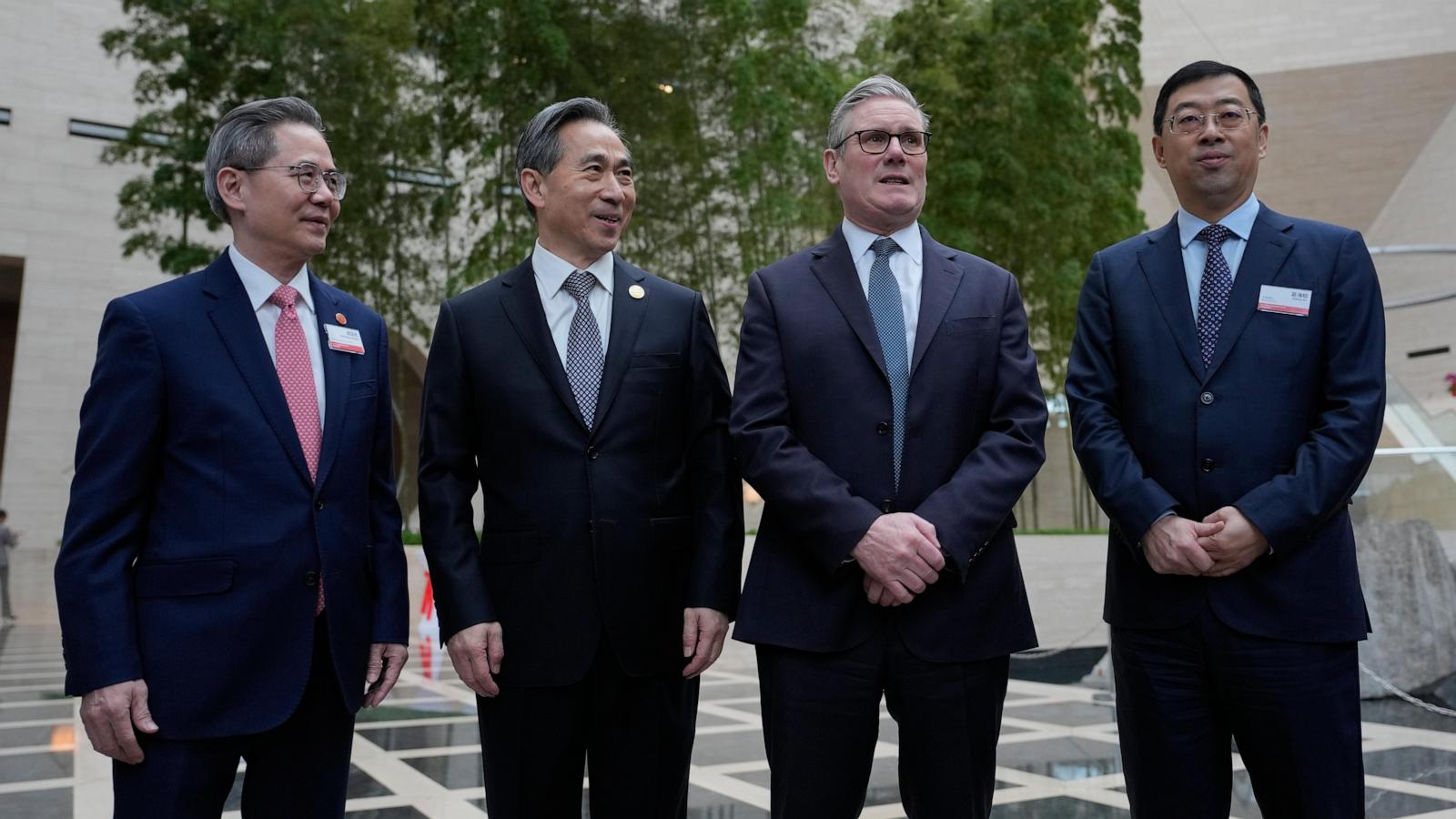
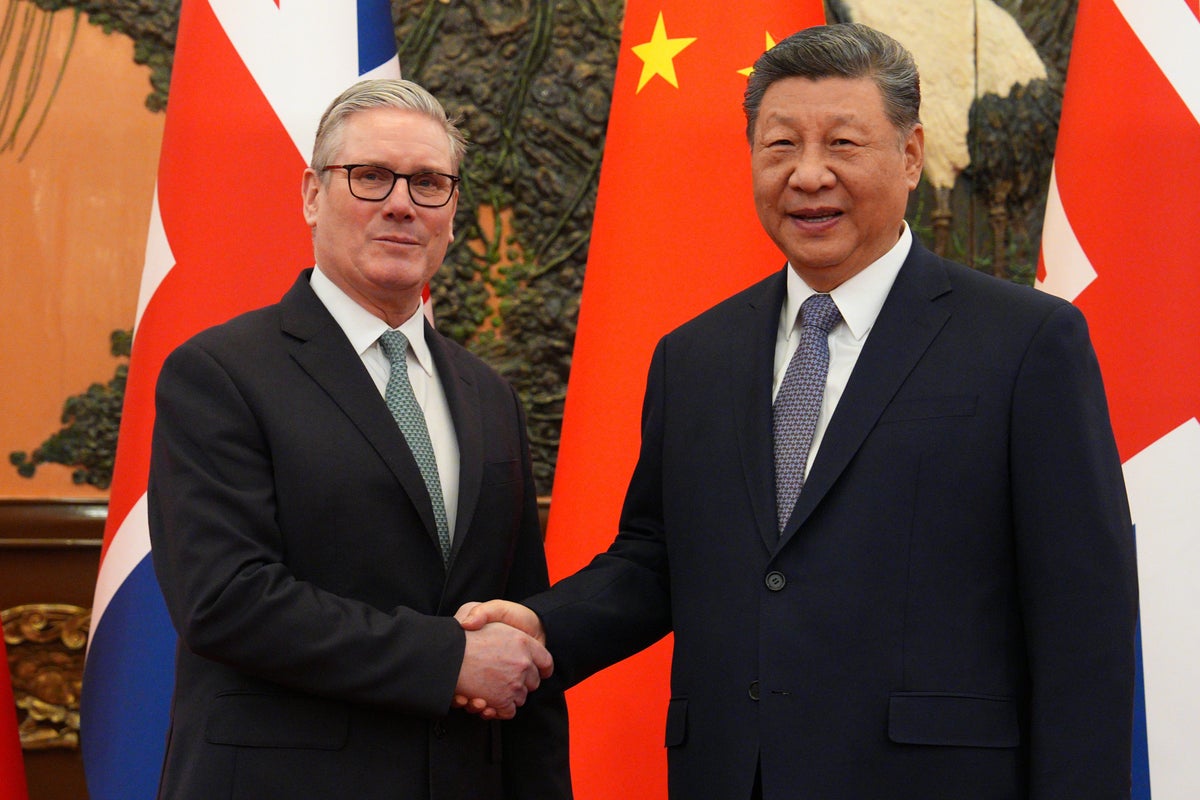
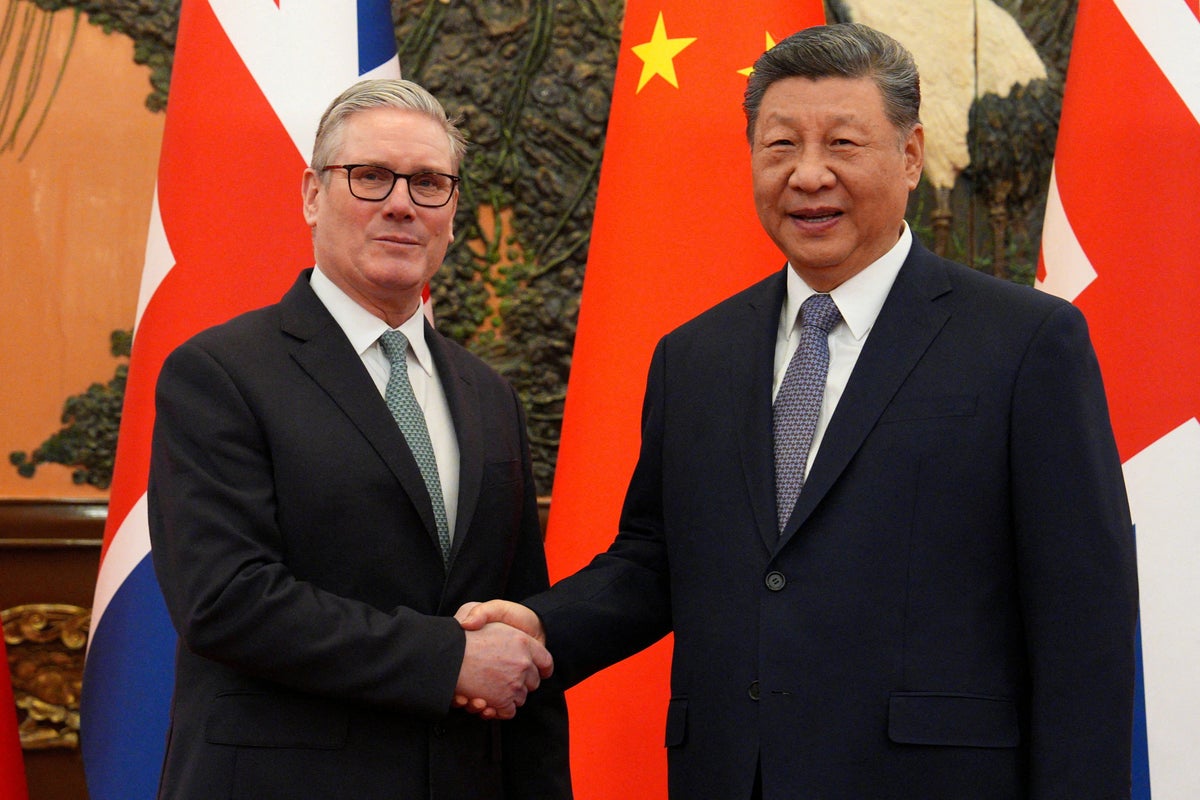
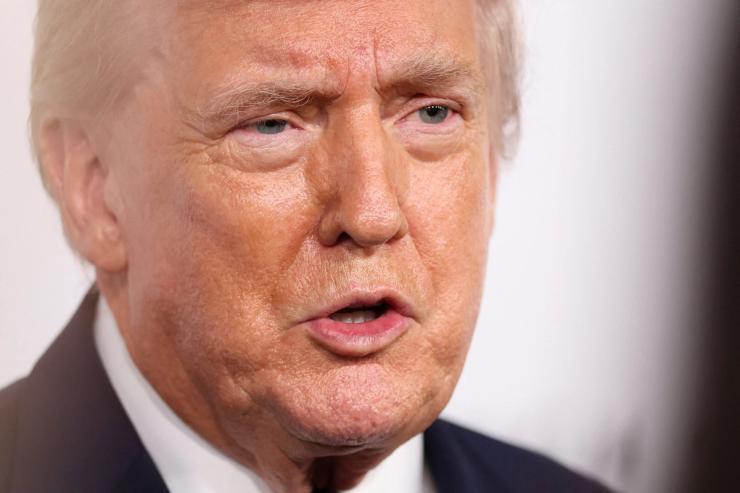
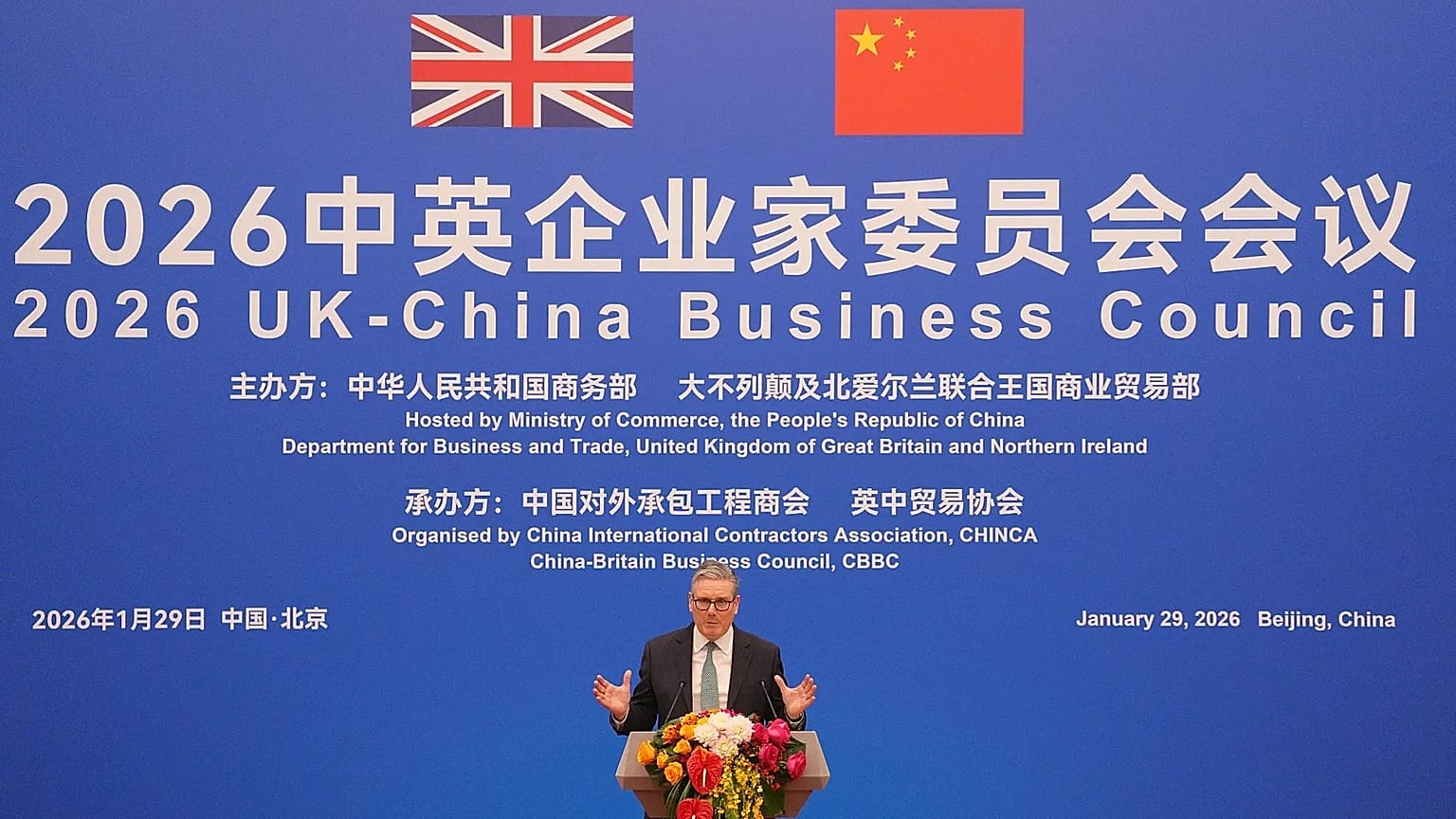
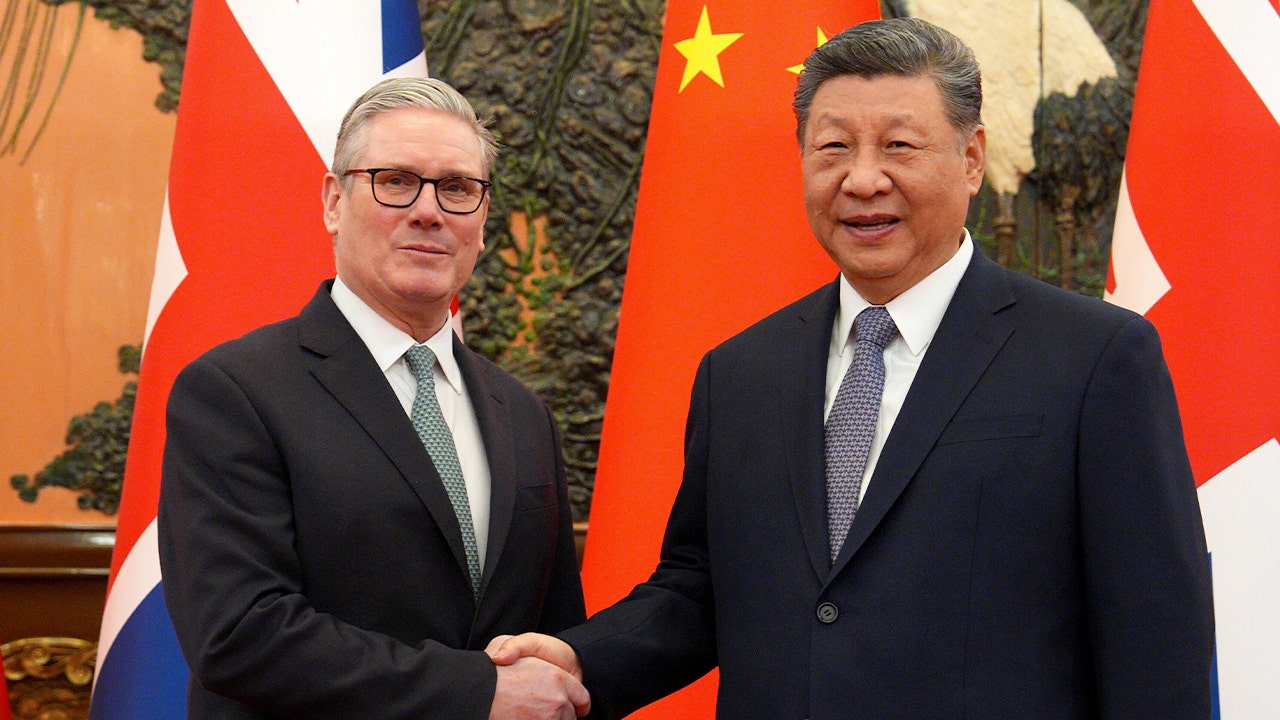
The geopolitical trade landscape is fracturing into competing blocs, creating both immediate tariff arbitrage opportunities and severe supply chain risks for cross-border e-commerce sellers. UK Prime Minister Keir Starmer's January 30, 2026 visit to China secured reduced tariffs on British whisky, visa-free travel for UK citizens (up to 30 days), and discussions with Chinese automaker Chery about UK market expansion. Simultaneously, US President Donald Trump warned Britain against deepening China ties, stating it was "very dangerous," while threatening 100% tariffs on Canadian goods after Prime Minister Mark Carney rolled back Chinese EV tariffs. Commerce Secretary Howard Lutnick indicated Trump would avoid UK tariff threats only if Britain doesn't "take on the United States and say very difficult things."
For sellers, this creates a critical tariff arbitrage window with a 60-90 day decision deadline. British importers sourcing from China can capitalize on reduced tariffs before potential US retaliation, particularly in whisky, spirits, and luxury goods categories where UK-China tariff reductions directly improve margins by 8-15%. However, sellers relying on US-China trade corridors face escalating costs: Trump's threatened 100% Canadian tariffs signal his willingness to follow through on threats, making US-based sellers vulnerable to similar action if they source from China or sell to UK-based distributors. The news reveals a strategic pattern—Trump is using tariff threats as leverage against allies pursuing independent China engagement, suggesting tariff escalation is imminent rather than rhetorical.
The broader Western trend amplifies this risk. French President Emmanuel Macron visited China in December 2024, German Chancellor Friedrich Merz is expected soon, and South Korea, Ireland, and Canada have all recently engaged Beijing. This coordinated Western pivot toward China—driven by Trump's own tariff policies—creates a bifurcated trade environment. Sellers must immediately assess their supply chain exposure: those sourcing from China for UK/EU markets should accelerate orders before potential US retaliation tariffs take effect (estimated 30-60 days). Conversely, US-based sellers should diversify sourcing away from China toward Vietnam, India, and Mexico to avoid margin compression. The 150 billion pounds of US investment in Britain announced during Trump's September 2025 visit provides some political cover for UK sellers, but this protection is conditional and could evaporate if UK-China cooperation deepens further. Sellers operating across US-China-UK trade corridors face the highest risk and should implement immediate supply chain hedging strategies.
Questions 8
What is the timeline for tariff escalation and seller action deadlines?
Based on the news pattern—Trump threatened Canada in late January 2026, and Starmer visited China January 29-30—tariff escalation is likely within 60-90 days (by late March/April 2026). Sellers should take immediate action: (1) By February 15, 2026: Audit supply chain exposure to China sourcing and US-China trade corridors; (2) By February 28, 2026: Lock in UK-China supply contracts to capture tariff reductions; (3) By March 31, 2026: Complete Vietnam/India supplier vetting and diversify 15-20% of sourcing away from China. The 150 billion pounds of US investment in Britain provides some political cover, but this protection is conditional and could evaporate if UK-China cooperation deepens further.
How does the UK-China reset affect sellers operating in US-China-UK corridors?
Sellers operating across US-China-UK trade corridors face the highest risk due to competing tariff regimes. UK sellers can source from China at reduced tariffs, but US-based sellers face escalating costs if they source from China for UK distribution. The news reveals Trump is using tariff threats as leverage against allies pursuing independent China engagement, creating a bifurcated trade environment. Sellers in this corridor should implement immediate hedging: lock in UK-China supply contracts before February 2026, establish alternative sourcing in Vietnam/India for US market exposure, and consider establishing separate supply chains for UK and US markets. This strategy typically increases logistics costs by 5-8% but reduces tariff risk by 40-60%.