


Warsh Fed Chair Nomination | Currency & Interest Rate Shifts Impact Cross-Border Sellers
- Kevin Warsh's January 31, 2026 nomination signals potential monetary policy shift affecting USD/EUR/GBP/CNY exchange rates, financing costs, and consumer purchasing power across North America, Europe, and Asia Pacific e-commerce markets























Overview
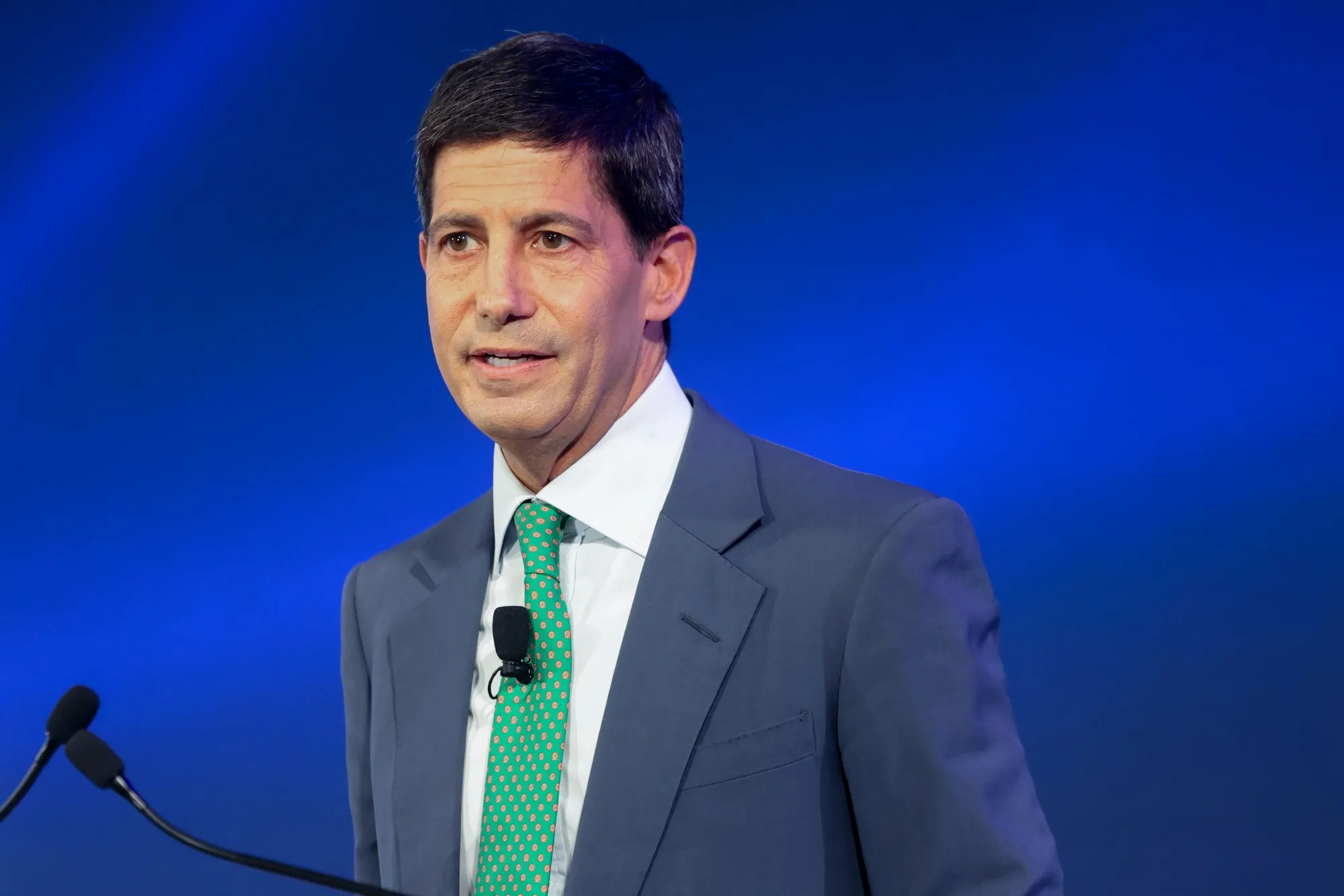
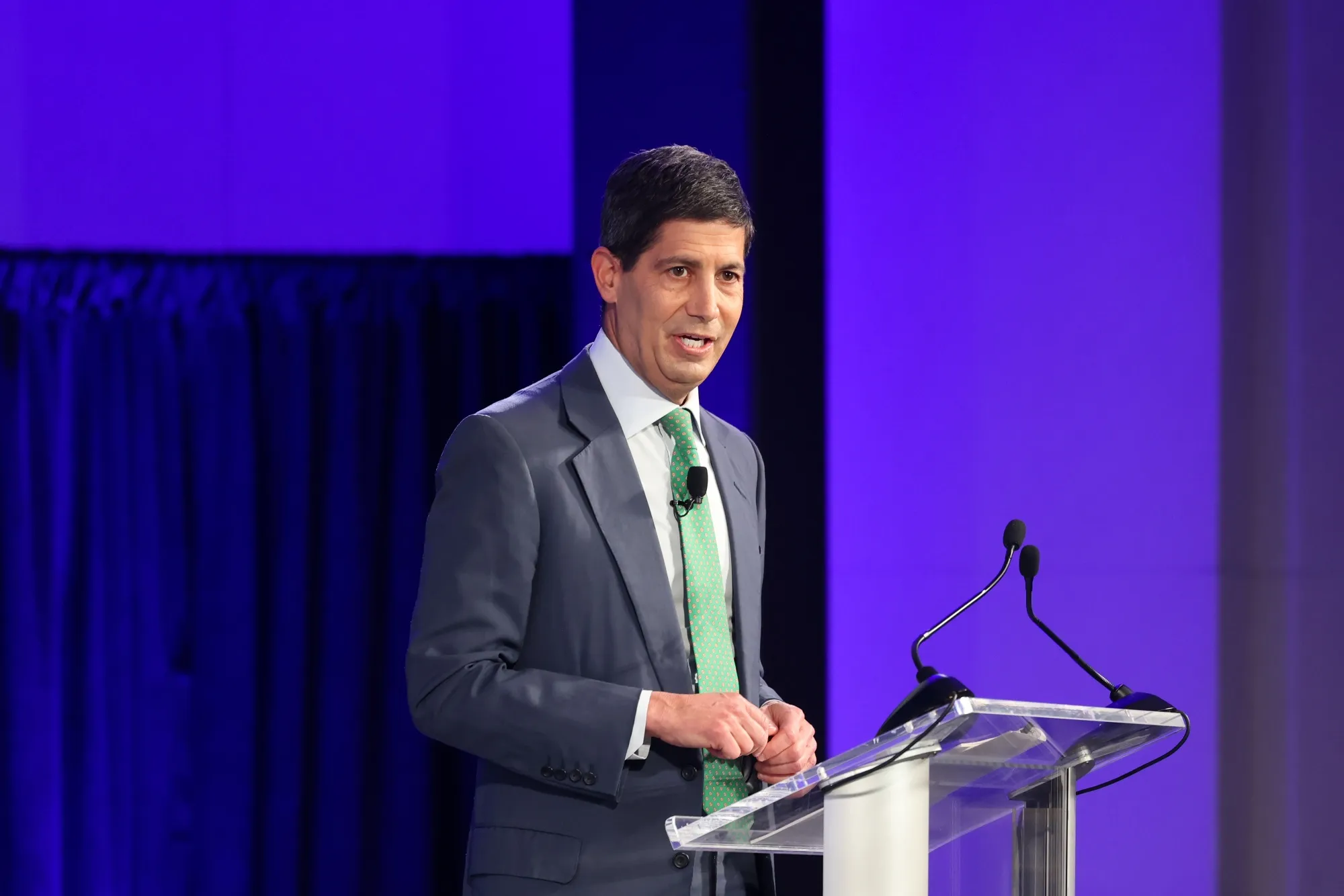
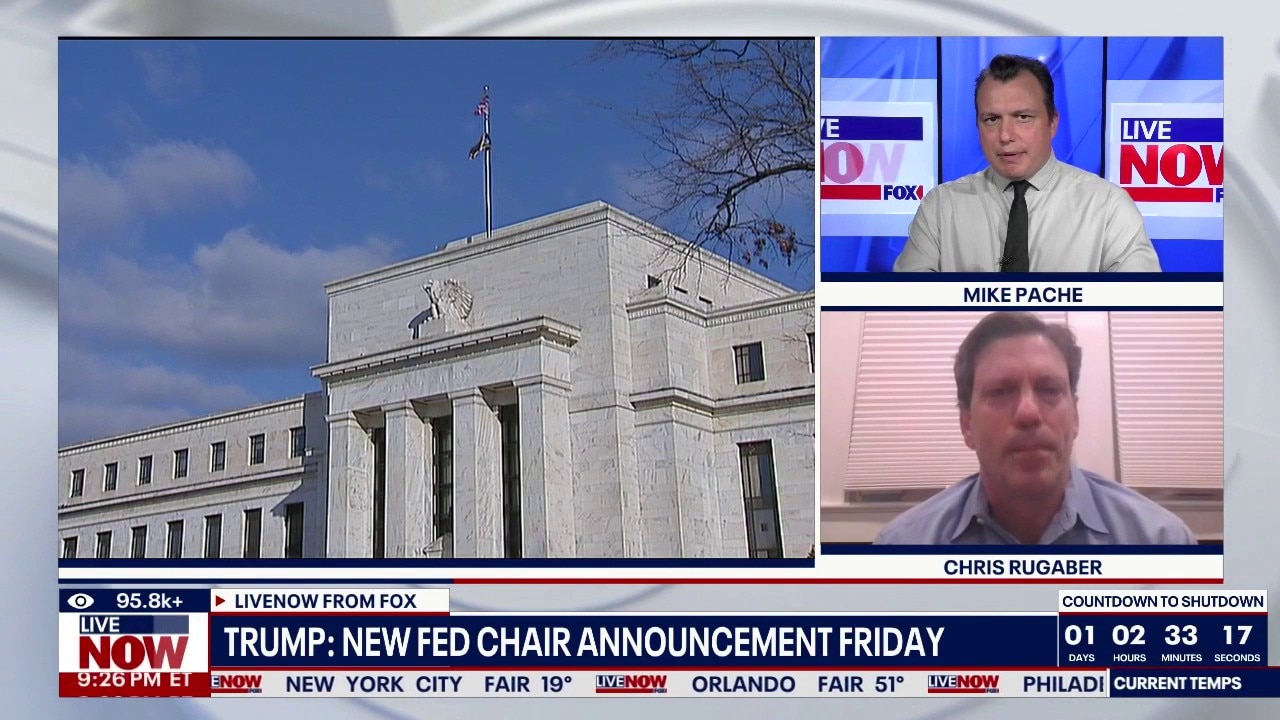
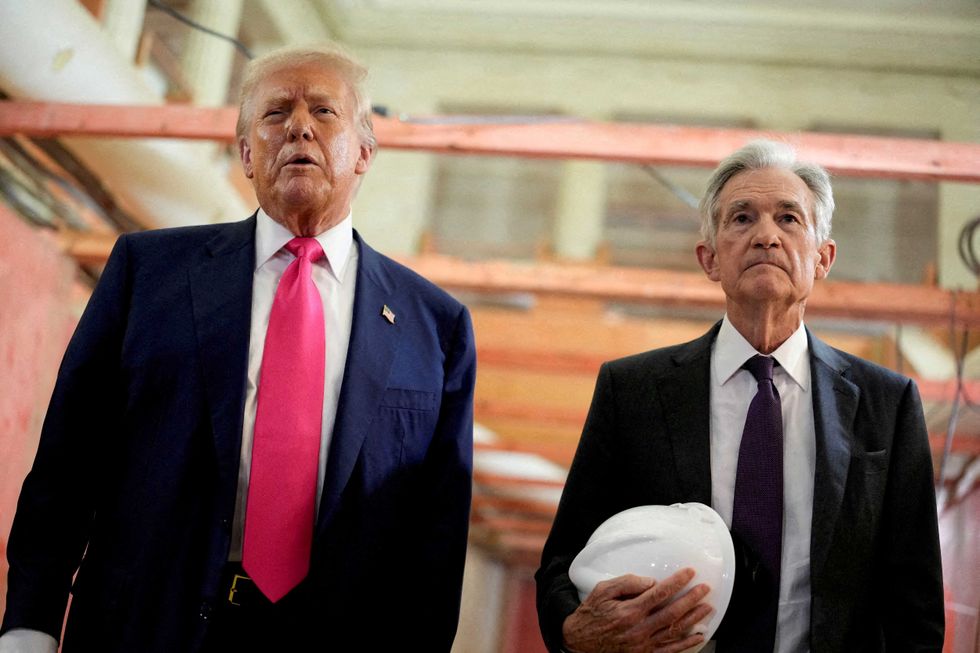
Kevin Warsh's nomination as Federal Reserve chair, announced January 31, 2026, represents a critical inflection point for cross-border e-commerce sellers managing multi-currency operations and international inventory financing. The selection of Warsh—a former Fed governor with five years of service and investment banking background—over three other finalists (Christopher Waller, Kevin Hassett, Rick Rieder) signals potential policy direction emphasizing financial stability and market-oriented approaches. This transition occurs as Trump administration pressure for rate cuts intensifies, with current Fed Chair Jerome Powell's term ending May 2026, though Powell may remain on the board through 2028, potentially blocking Trump's nominees from controlling the Fed's seven-governor majority.
For cross-border sellers, Warsh's nomination directly impacts four operational dimensions: (1) Currency Volatility: Federal Reserve policy decisions directly influence USD/EUR/GBP/CNY exchange rates. Sellers operating across North America, Europe, and Asia Pacific markets face pricing strategy adjustments as currency valuations shift. A shift toward lower interest rates could weaken the dollar, improving competitiveness for US-based sellers exporting to Europe and Asia, while increasing costs for sellers importing inventory. (2) Financing Costs: Fed leadership changes affect working capital loan rates, inventory expansion financing, and business operations costs. Warsh's market-oriented background may signal emphasis on credit availability, potentially lowering borrowing costs for sellers seeking 3PL expansion or inventory scaling. (3) Consumer Purchasing Power: Interest rate policy influences consumer spending patterns across key e-commerce markets. Lower rates typically increase discretionary spending, benefiting sellers in apparel, electronics, and home goods categories, while higher rates compress margins in price-sensitive segments. (4) Trade Policy Signals: Senate confirmation hearings for Warsh will likely surface administration priorities on tariffs, supply chain regulations, and international commerce frameworks—critical for sellers managing cross-border logistics and customs compliance.
The five-month selection process (September 2025–January 2026) narrowed from 11 candidates to four finalists, with Warsh emerging at 80% odds in prediction markets by January 30, 2026. This extended vetting suggests the administration prioritized financial credibility over political alignment, potentially indicating a more measured approach to rate cuts than Trump's public rhetoric suggests. However, the ongoing tension between Trump's pressure for aggressive rate cuts and Powell's cautious inflation management creates uncertainty for sellers planning 2026 inventory investments and pricing strategies. Confirmation requires Senate approval, typically involving 4-6 weeks of hearings where trade and commerce questions may emerge, signaling regulatory direction for tariffs and international business frameworks affecting global e-commerce logistics costs and compliance requirements.
Questions 8
What immediate actions should cross-border sellers take following Warsh's nomination announcement?
Sellers should take three immediate actions: (1) **Review Currency Exposure** (0-30 days): Audit multi-currency transactions across USD/EUR/GBP/CNY markets. Consider currency hedging strategies for major transactions expected before May 2026. (2) **Assess Financing Needs** (0-30 days): Lock in working capital loan rates if planning 2026 inventory expansion, as rates may shift post-confirmation. Evaluate 3PL expansion costs under current rate environment. (3) **Monitor Confirmation Process** (30-90 days): Track Senate Banking Committee hearings for trade policy signals and rate direction hints. Subscribe to Federal Reserve policy announcements and Warsh's public statements. Adjust pricing strategies and inventory allocation based on emerging policy direction. By May 2026, when Powell's chair term ends, sellers should have clear visibility into new monetary policy direction and can adjust operations accordingly.
How does Jerome Powell potentially remaining on the Fed board through 2028 affect policy uncertainty?
Powell's chair term ends May 2026, but his board term extends through 2028, creating potential institutional checks on Trump's nominees. With three of seven governors appointed by former President Biden, Powell could block Trump's nominees from controlling the Fed's majority, creating policy uncertainty. This means Warsh's ability to implement aggressive rate cuts may be constrained by board opposition, potentially stabilizing policy direction. For sellers, this reduces extreme policy swings but creates ambiguity about rate trajectory. The 2-year period (May 2026–May 2028) represents a transition phase where policy may shift gradually rather than dramatically. Sellers should plan inventory and financing strategies assuming moderate policy changes rather than aggressive rate cuts or hikes, reducing risk from policy whiplash.