

Autonomous Vehicle Safety Regulations Impact Last-Mile Delivery Logistics for E-Commerce Sellers
- NHTSA investigations into Waymo incidents signal stricter AV safety standards affecting 3PL partnerships and delivery timelines for cross-border sellers by Q2 2026











Overview
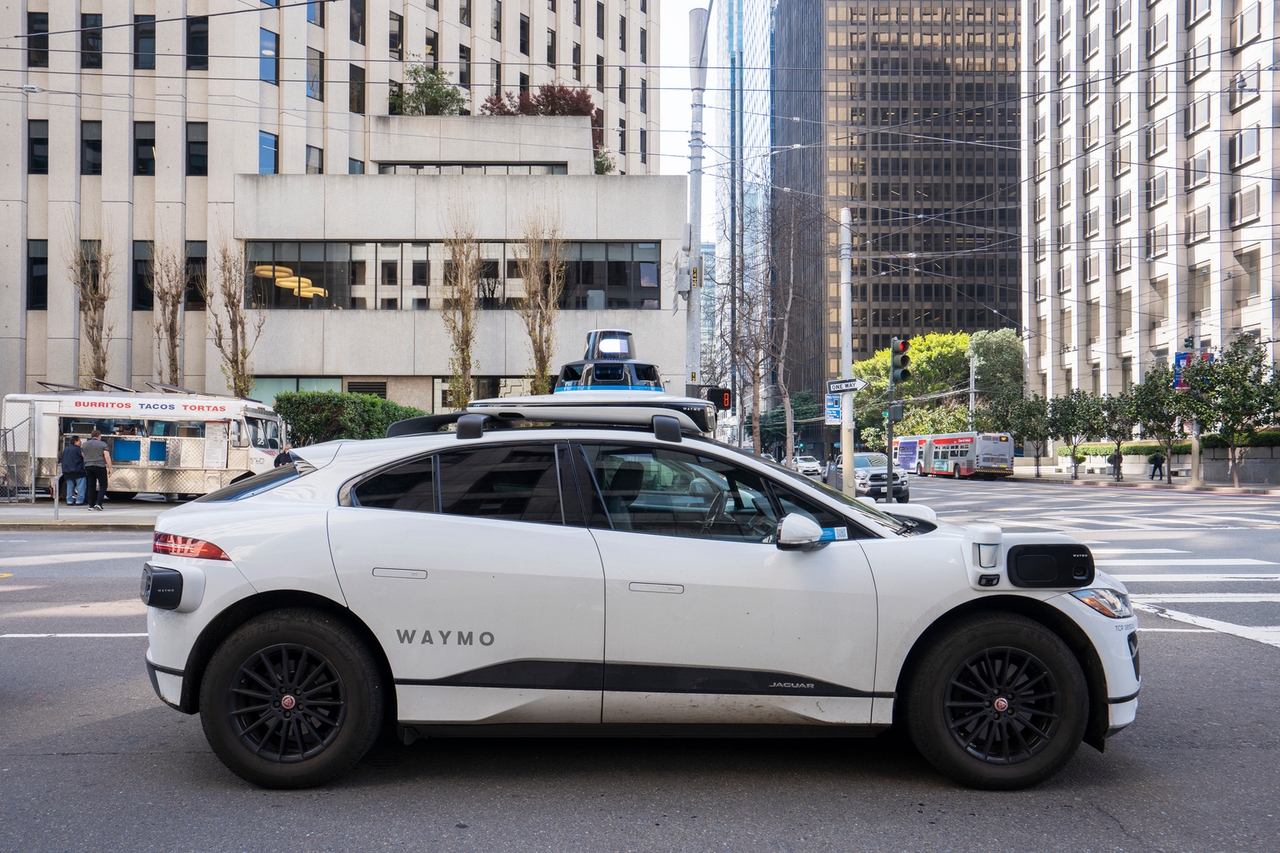
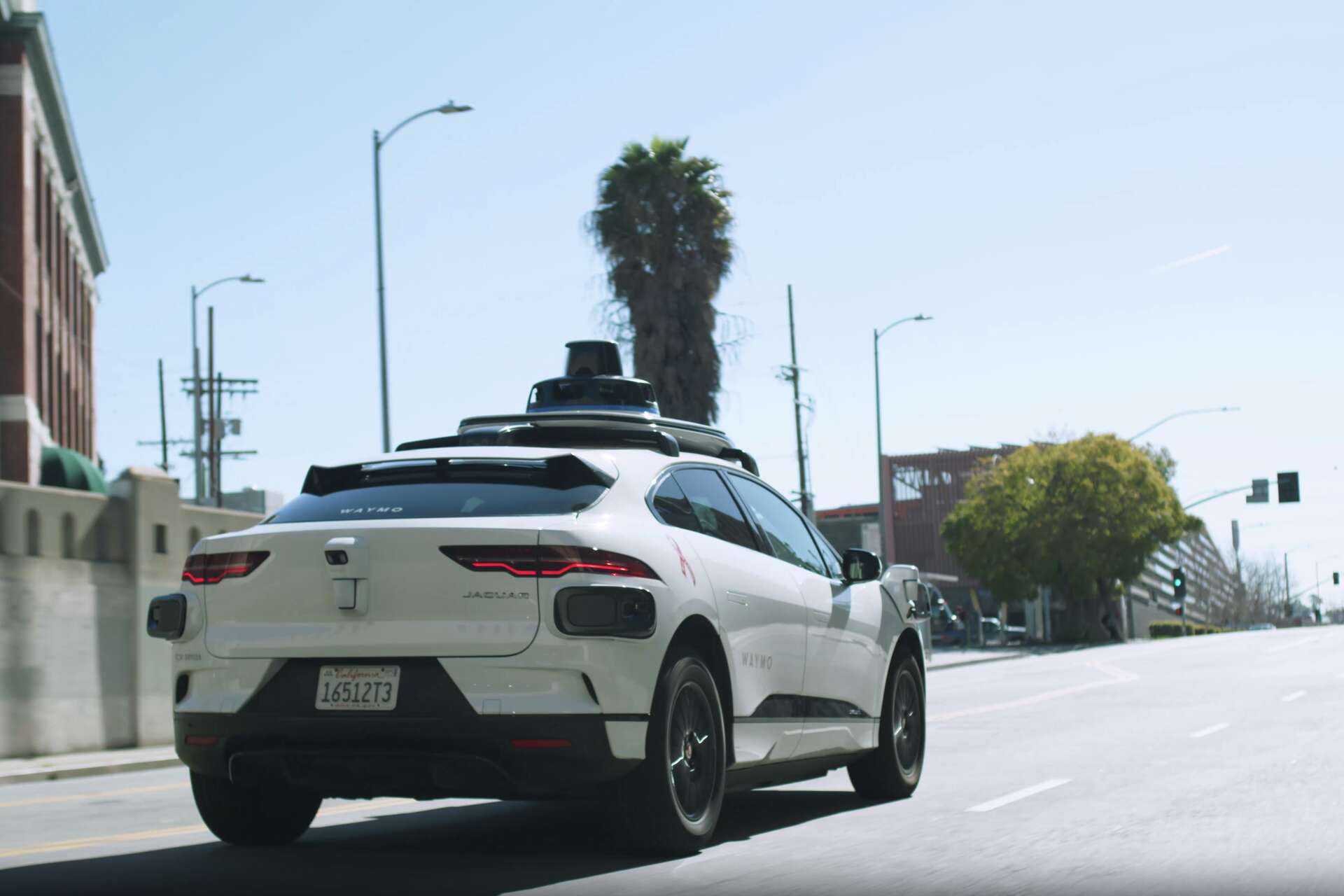
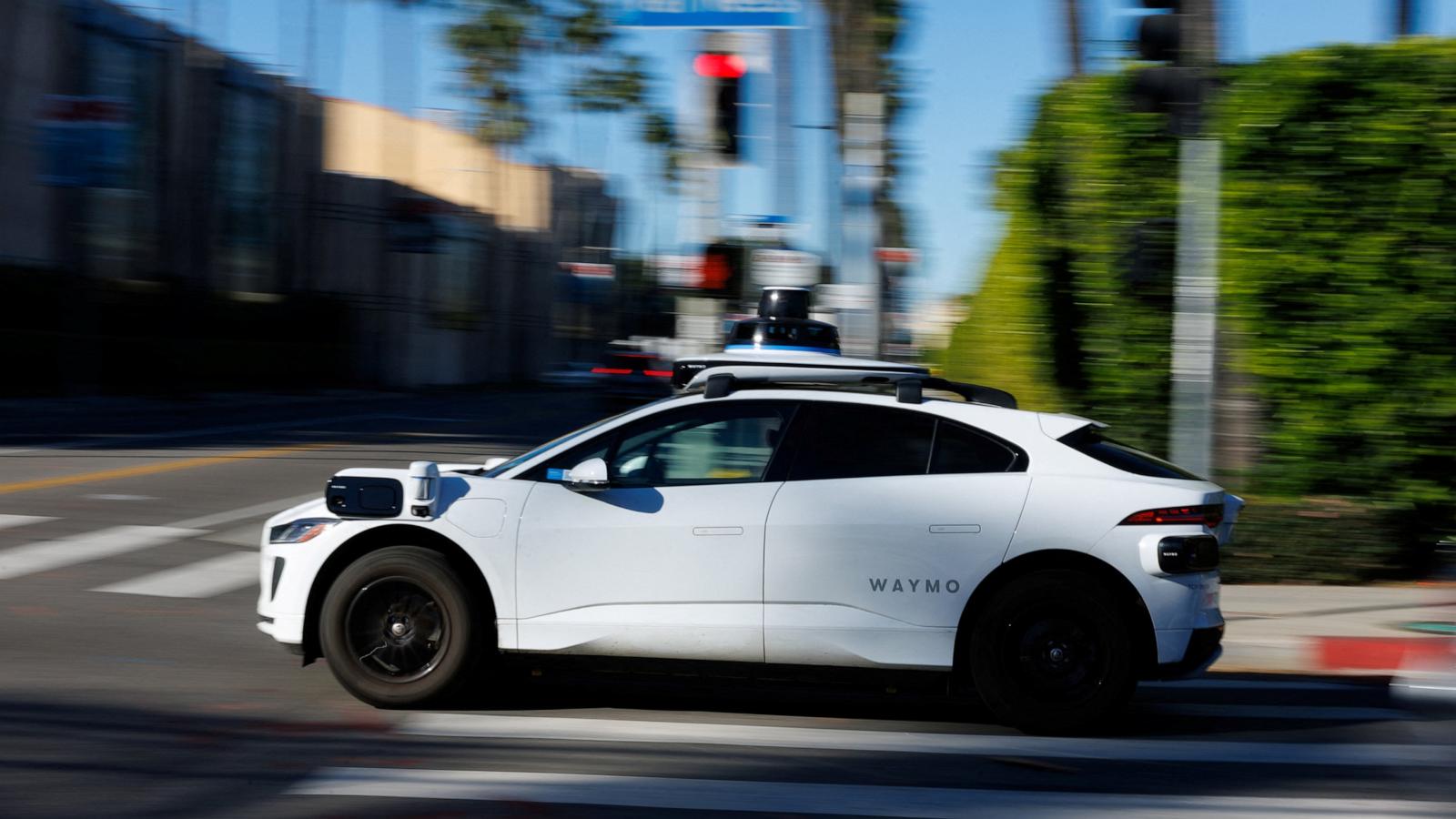
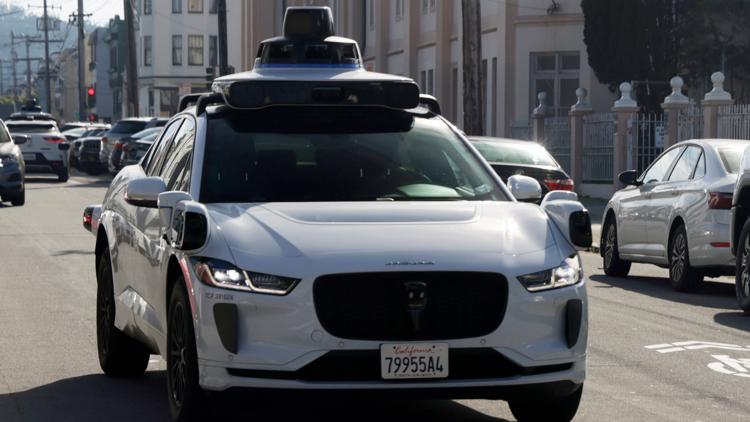
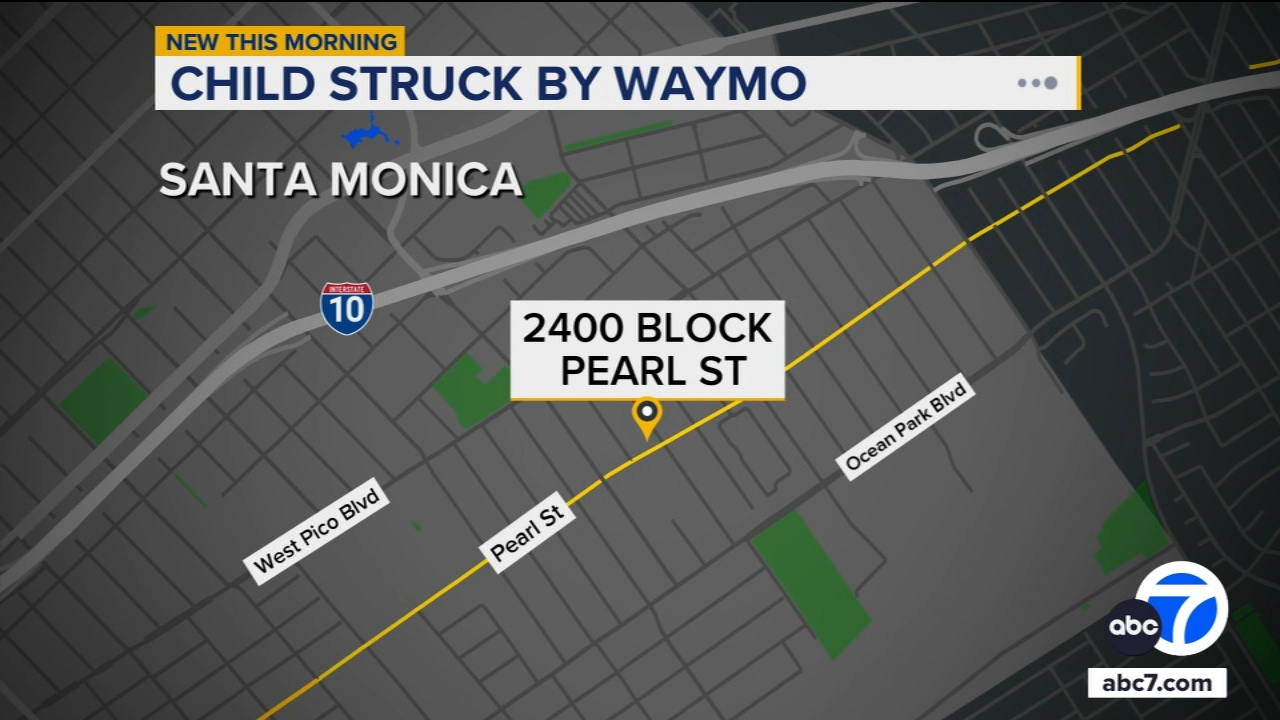
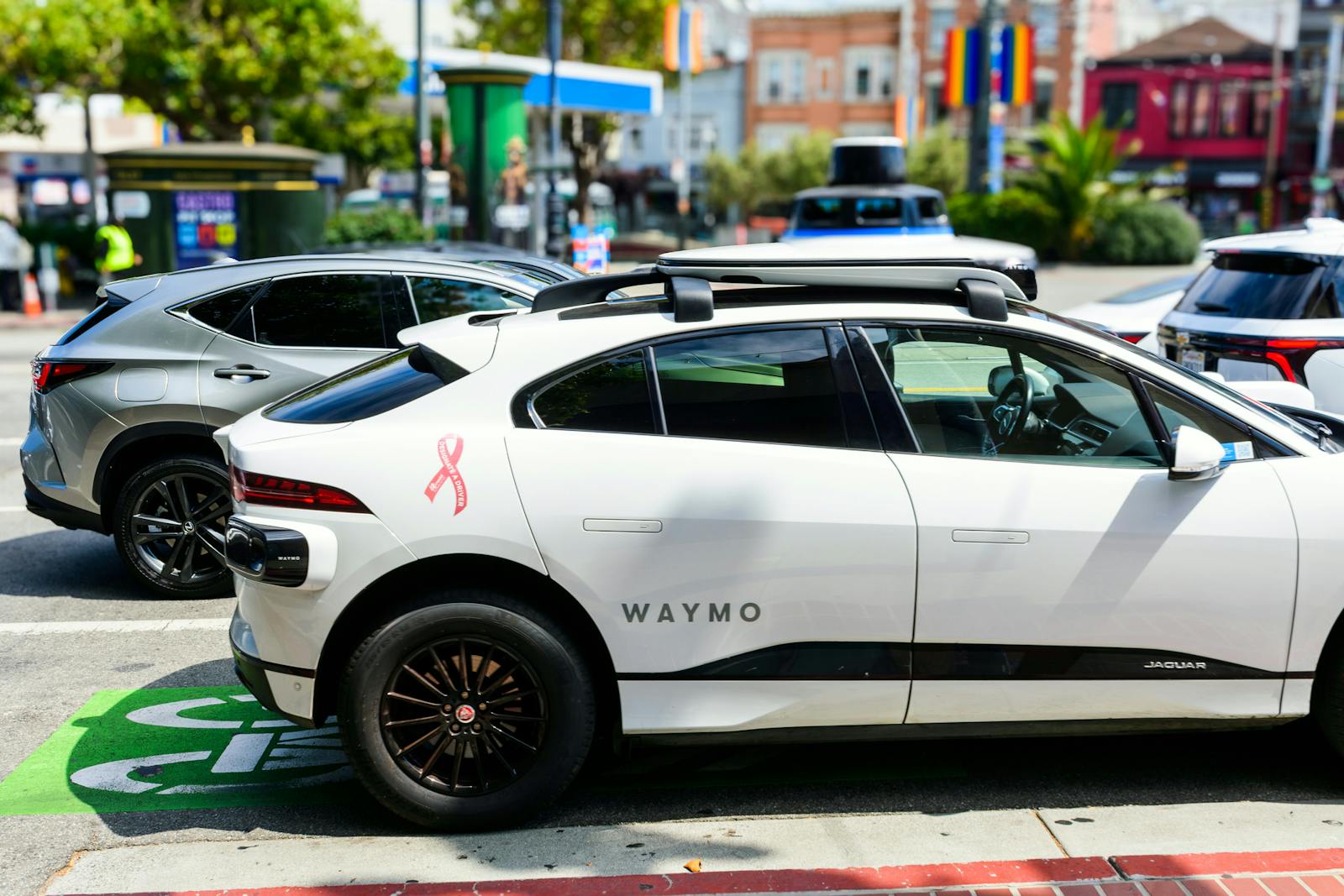
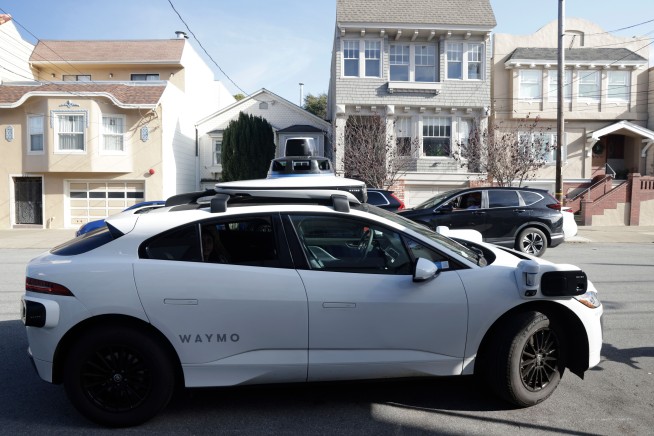
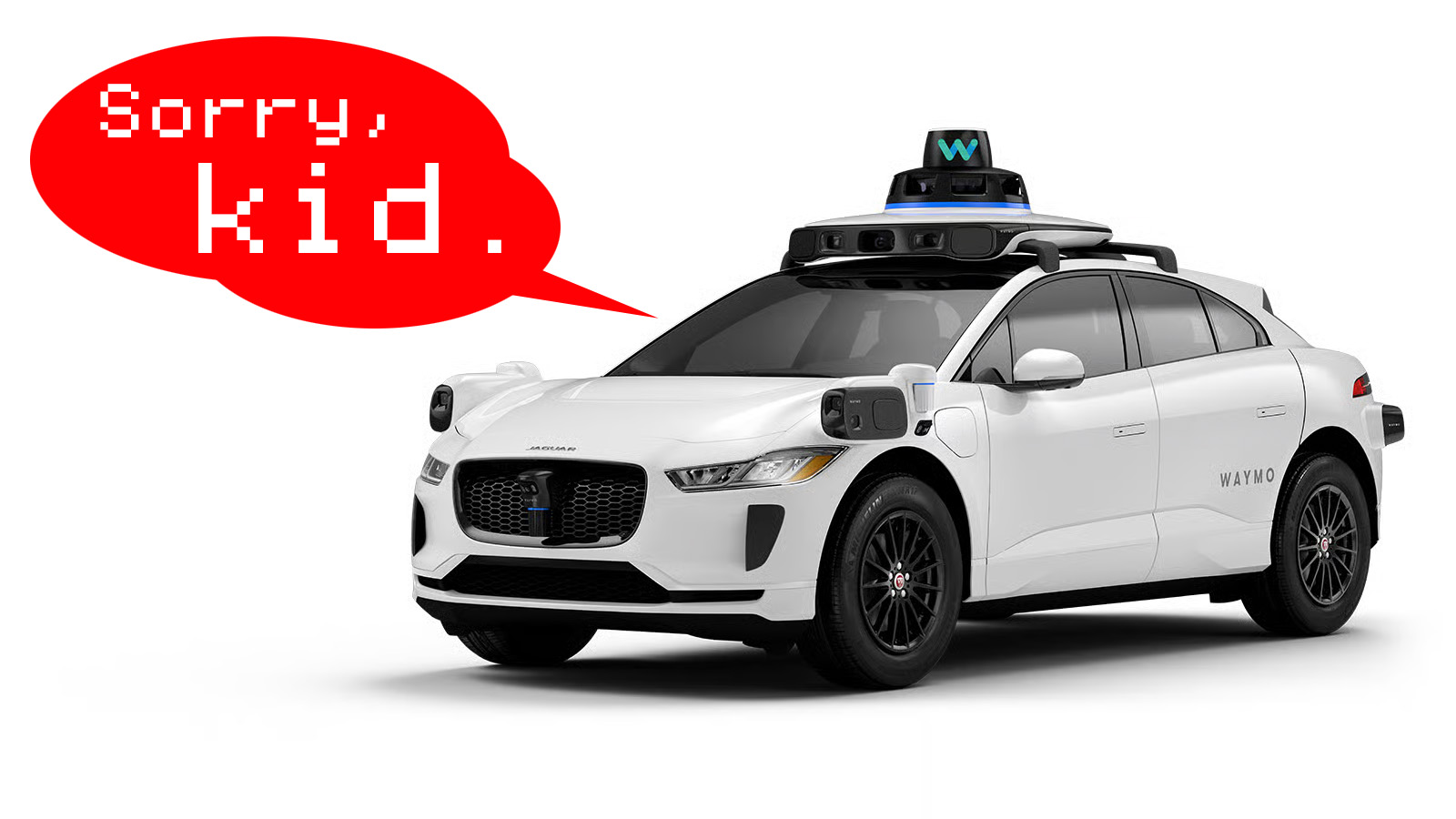
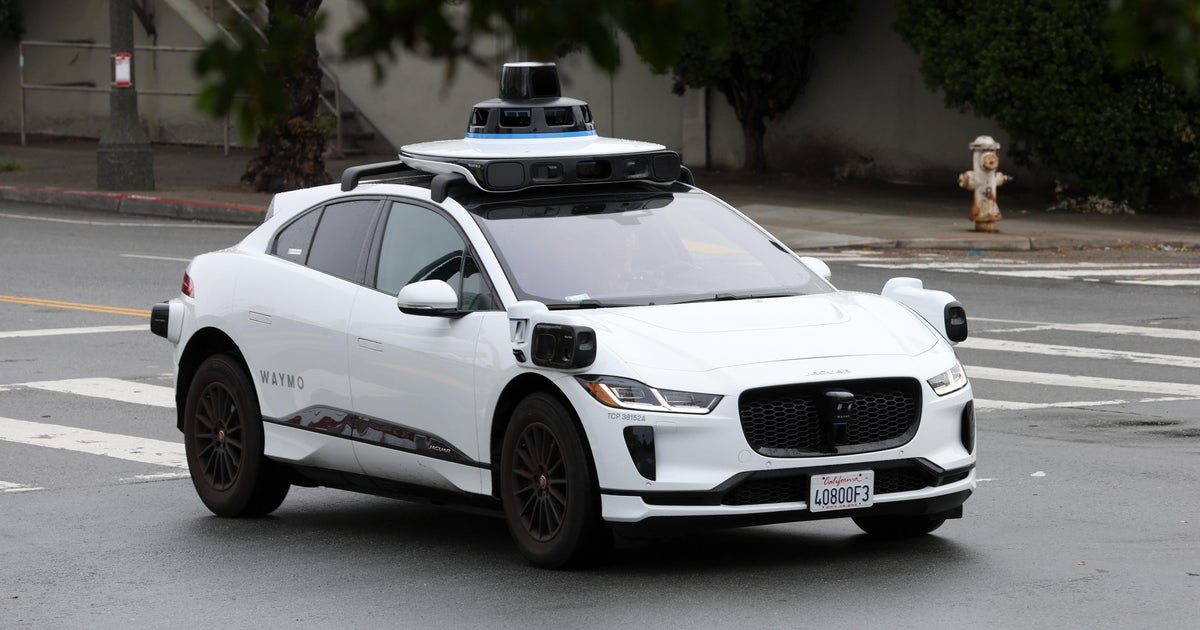
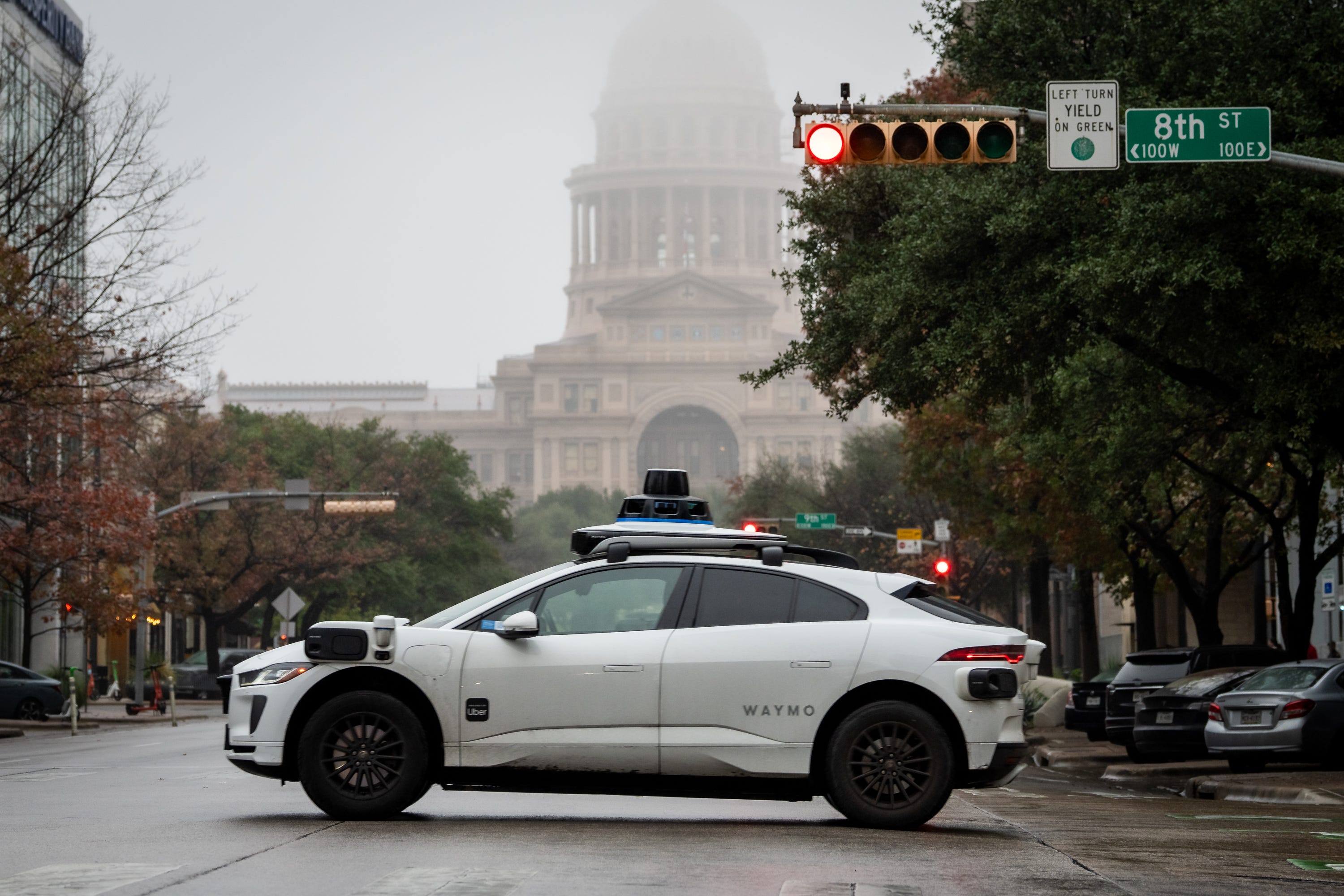
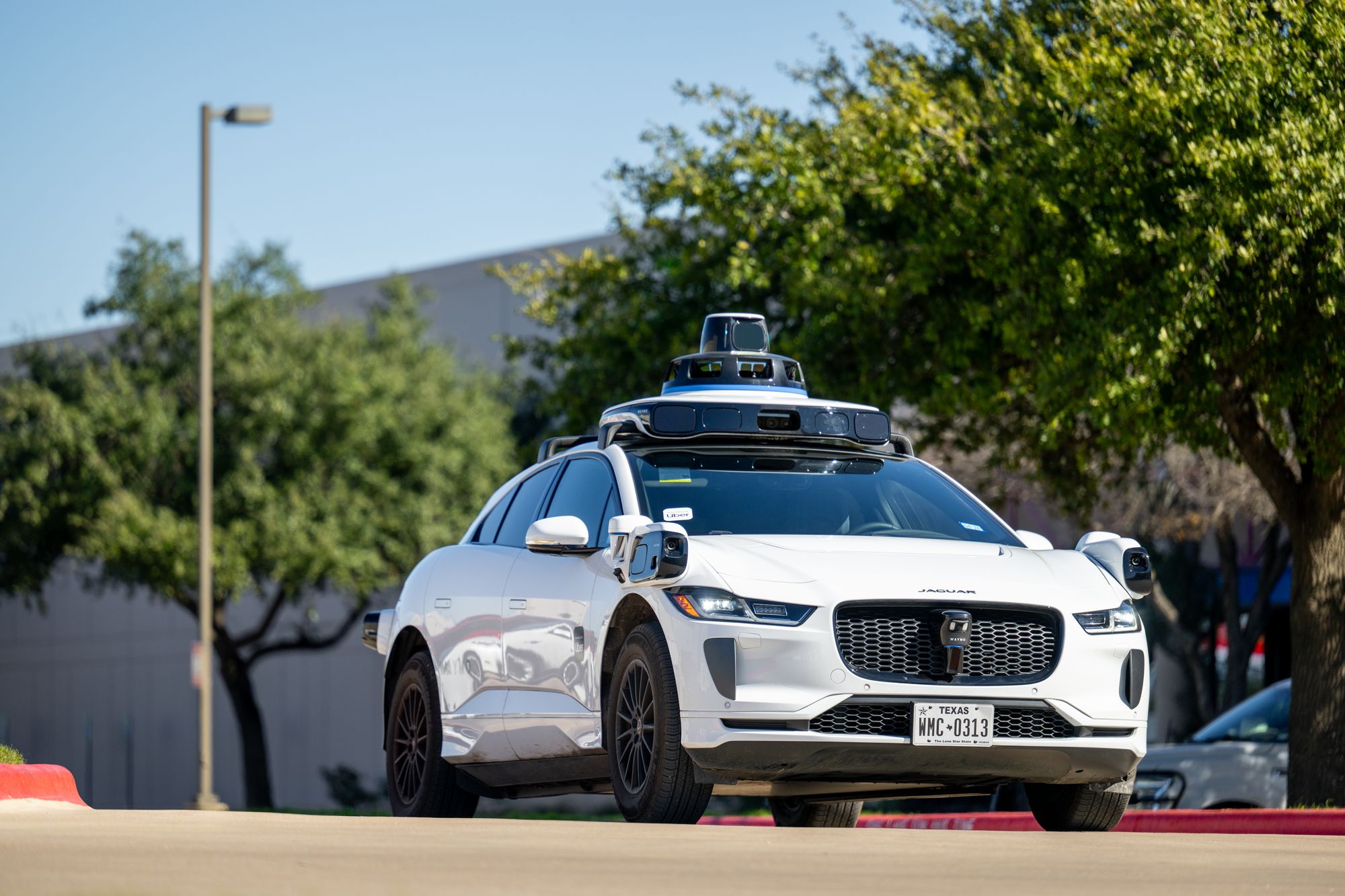
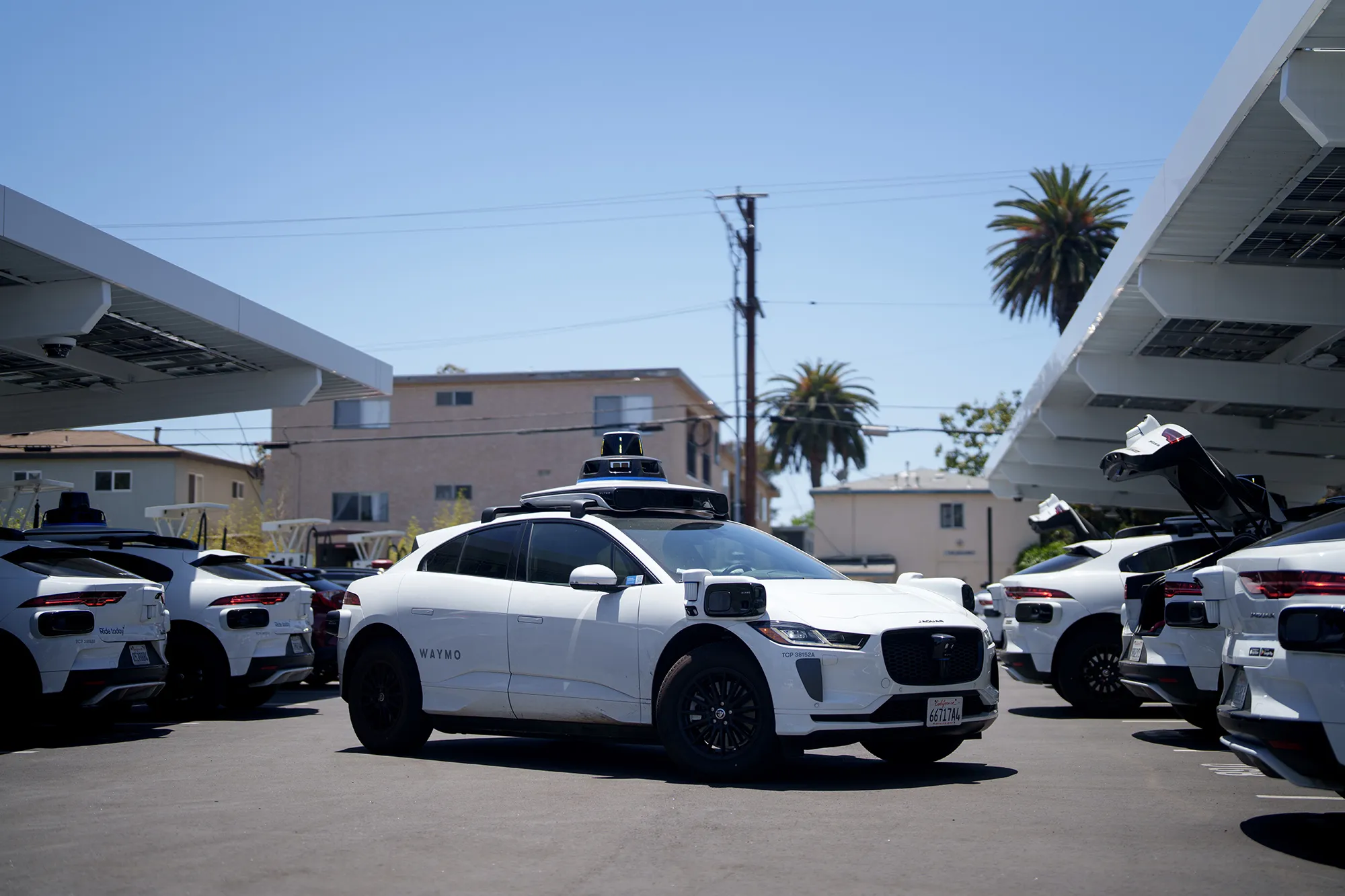
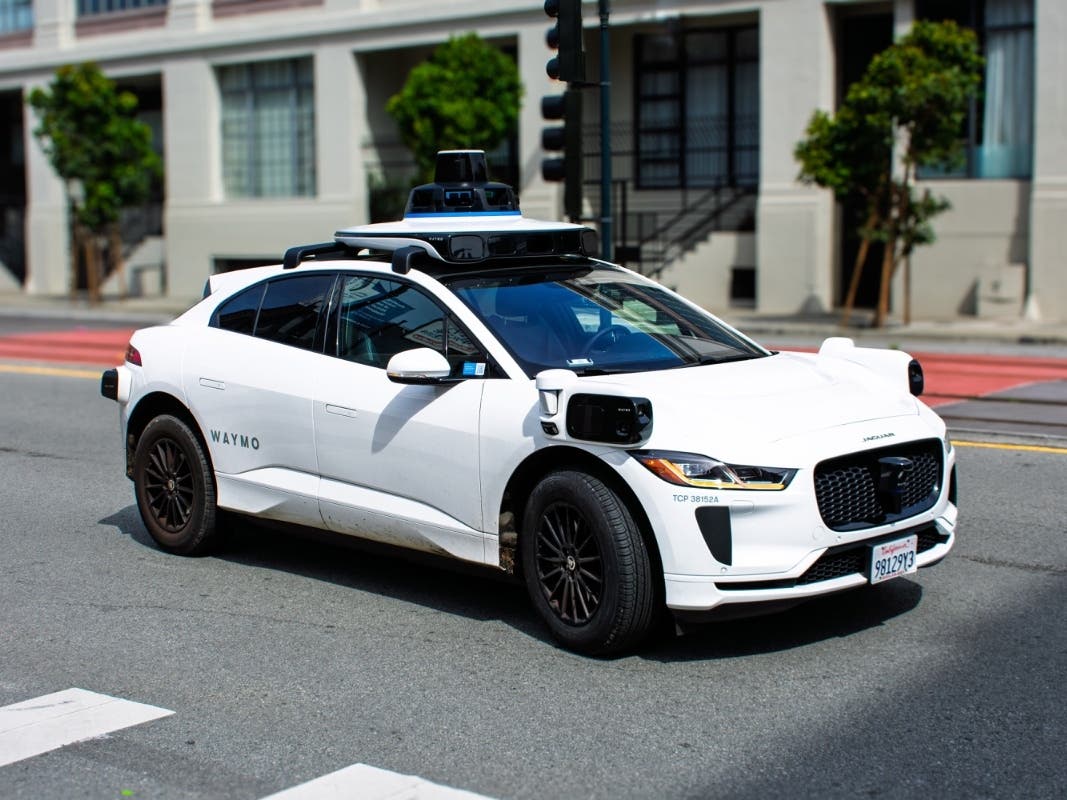
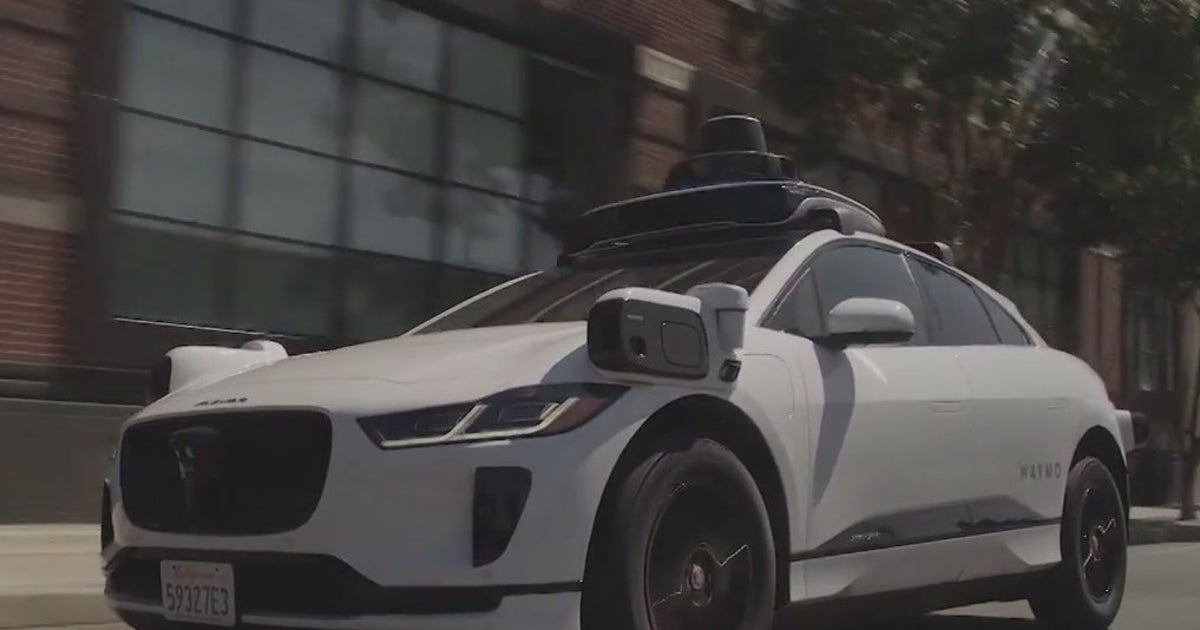
The January 23, 2026 Waymo autonomous vehicle incident in Santa Monica—where an AV struck a child near an elementary school during drop-off hours—represents a critical inflection point for autonomous vehicle deployment in last-mile delivery logistics. The National Highway Traffic Safety Administration (NHTSA) launched a formal investigation into the collision, which occurred when the vehicle reduced speed from 17 mph to under 6 mph before impact. This incident, combined with a separate NTSB investigation into 19 documented instances of Waymo vehicles illegally passing stopped school buses in Austin, Texas, signals intensifying regulatory scrutiny that will directly impact e-commerce logistics infrastructure.
For cross-border e-commerce sellers, this regulatory tightening affects three critical operational areas: First, 3PL and fulfillment partnerships relying on autonomous vehicle integration face deployment delays and compliance costs. Companies like Amazon Logistics, which has invested heavily in autonomous delivery pilots, must now navigate stricter safety protocols in residential and school zones—areas representing 35-40% of last-mile delivery routes in urban markets. Second, delivery timeline guarantees will face pressure as AVs are restricted from operating in high-risk pedestrian zones during peak hours (7-9 AM and 2-4 PM school drop-off/pick-up times). Sellers offering same-day or next-day delivery in suburban markets may experience 8-12% longer fulfillment windows. Third, logistics cost structures will shift as 3PL providers invest in human safety supervisors, enhanced sensor systems, and route optimization software to comply with emerging NHTSA standards—costs likely passed to sellers through 5-8% increases in fulfillment fees by mid-2026.
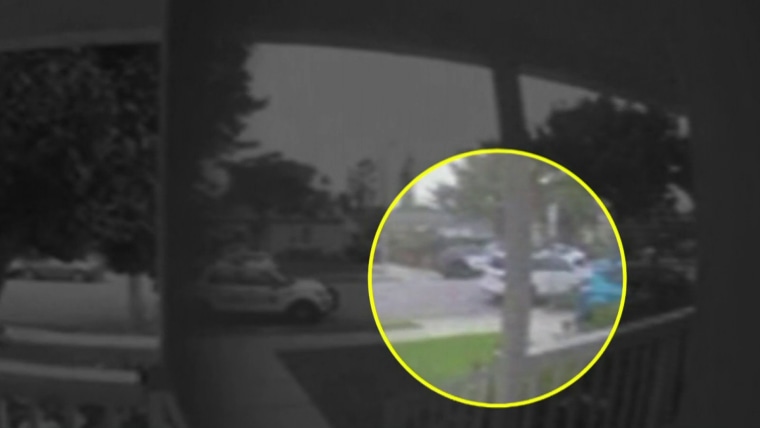
The regulatory precedent established by NHTSA's investigation will influence autonomous vehicle deployment permits nationwide. Waymo's documented incidents—including the January 25 collision near Dodger Stadium where a manually-operated Zeekr vehicle struck multiple parked cars—demonstrate systemic challenges in autonomous system decision-making under unpredictable conditions. This accumulation of safety data will likely result in mandatory operational restrictions: geofencing around schools, speed governors in residential zones, and human override requirements during peak pedestrian hours. For sellers, this means logistics partners must maintain hybrid human-AV operations longer than anticipated, delaying cost savings from full automation. Sellers shipping to school-adjacent neighborhoods or operating in California (where Waymo concentrates operations) face the most immediate impact, with potential delivery delays of 2-5 business days during regulatory transitions.
Questions 8
What regulatory precedents from the Waymo investigation should sellers monitor?
NHTSA's investigation will establish mandatory operational restrictions likely including: geofencing around schools, speed governors in residential zones (potentially 15-20 mph limits), and human override requirements during peak pedestrian hours. The incident where Waymo reduced speed from 17 mph to 6 mph before impact suggests regulators will mandate more conservative speed profiles in high-risk areas. These standards will cascade to all autonomous delivery providers, not just Waymo. Sellers should monitor NHTSA's preliminary evaluation timeline (typically 6-12 months) and adjust logistics partnerships accordingly before standards become mandatory.
How should I adjust my fulfillment strategy given autonomous vehicle deployment delays?
Implement a hybrid fulfillment approach: maintain relationships with traditional 3PL providers for school-zone and residential deliveries while gradually integrating autonomous options for highway and industrial park routes. The January 25 Waymo incident near Dodger Stadium—where a manually-operated vehicle struck parked cars—demonstrates that even human-supervised autonomous systems face challenges. Diversify across multiple fulfillment partners to reduce dependency on any single AV-reliant provider. For cross-border sellers, prioritize partnerships with providers offering geofencing capabilities and real-time route optimization to navigate emerging school-zone restrictions.