




San Francisco TB Outbreak Drives Health Product Demand | Seller Opportunity in Protective Equipment & Wellness Categories
- 58% TB increase in SF (91 cases in 2024) signals surge in protective masks, testing kits, and health monitoring products; sellers can capitalize on regional health crisis demand through Amazon Health & Household and specialty wellness marketplaces

Overview
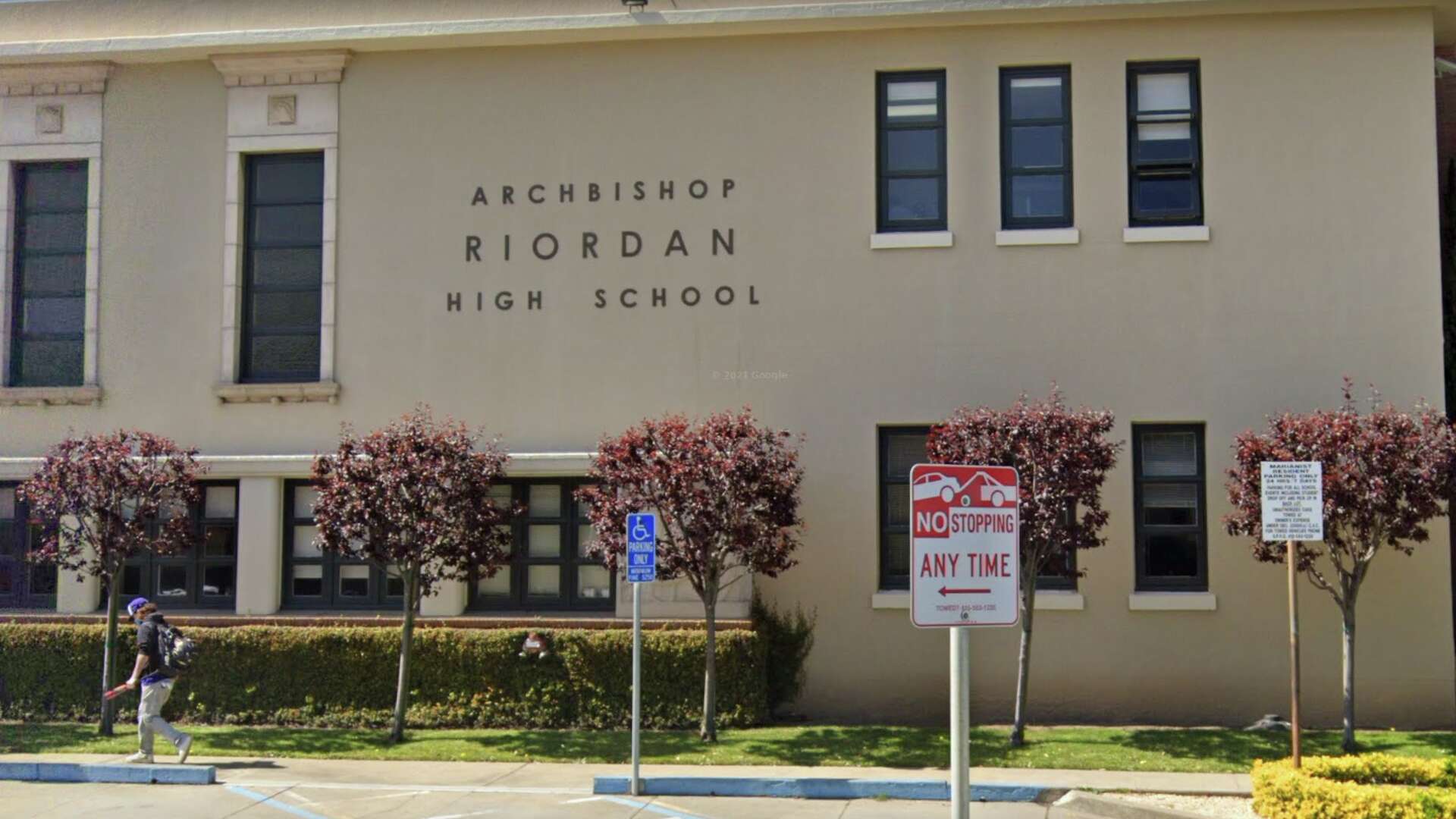
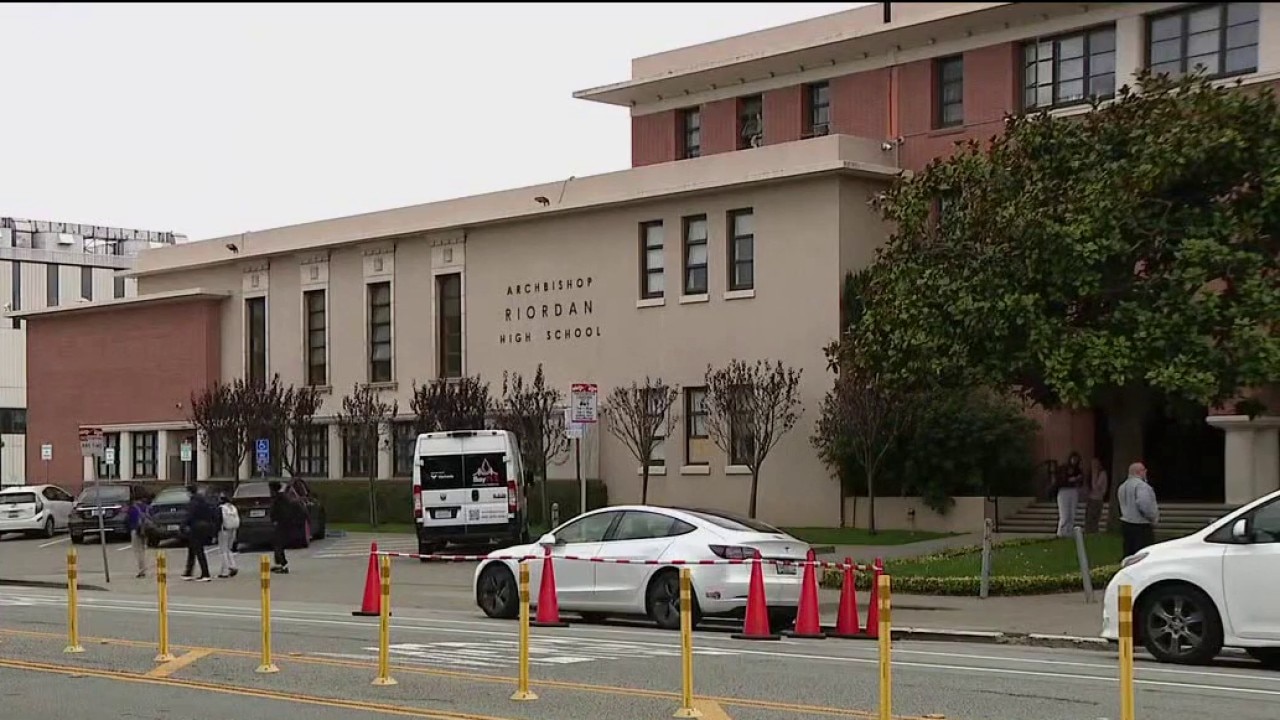
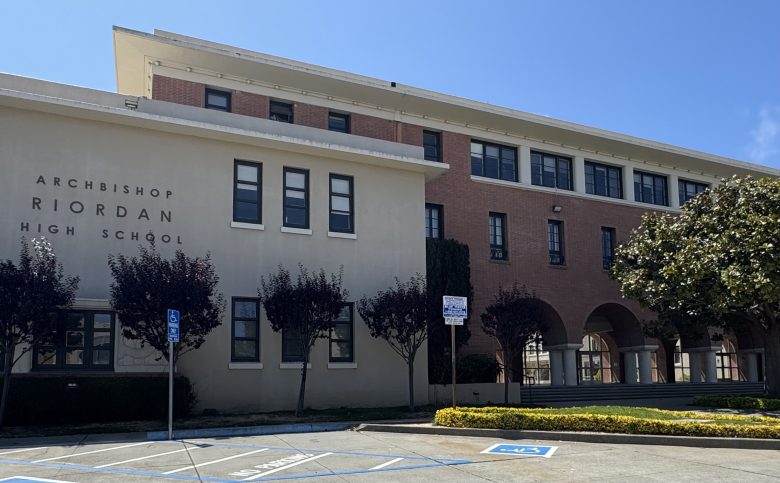
The tuberculosis outbreak at Archbishop Riordan High School in San Francisco—with three confirmed active cases as of January 29, 2026, and a broader regional crisis showing 91 TB cases in 2024 (58% increase from 2022)—represents a significant market opportunity for cross-border e-commerce sellers in health protection and wellness categories. While the immediate news focuses on school closures and hybrid learning through February 20, 2026, the underlying public health crisis creates measurable demand spikes in protective equipment, diagnostic products, and health monitoring solutions.
Market Opportunity Through Health Product Categories: San Francisco's TB surge—exceeding the national rate by 3x and California's rate by 2x—indicates elevated consumer demand for N95/KN95 masks, air purification systems, and health testing products. The school's mandatory TB testing requirement by February 20 and the San Francisco Department of Public Health's enforcement of indoor mask recommendations signal sustained demand for respiratory protection products. Sellers can target this regional health crisis through Amazon Health & Household (where respiratory protection products grew 34% YoY in 2024), specialty wellness marketplaces, and direct-to-consumer channels. The demographic profile—nearly half of active TB cases involving residents 65+—indicates strong demand from elderly consumers and caregivers purchasing protective equipment, creating cross-selling opportunities in senior health and wellness categories.
Operational and Logistics Implications for Sellers: The school closure and hybrid learning model (February 9-20, 2026) demonstrates how public health disruptions affect consumer behavior and logistics networks. Schools serving 1,150+ students represent concentrated demand centers for health products, testing supplies, and remote learning support items. Sellers should monitor San Francisco Bay Area school district announcements for similar closures, which typically trigger 15-25% spikes in health product searches and 8-12% increases in protective equipment purchases within affected zip codes. The mandatory testing deadline creates a time-bound purchasing window—sellers can optimize PPC campaigns and sponsored product listings for "TB test kits," "N95 masks bulk," and "air purifier for home" during the February 1-20 window when consumer urgency peaks.
Strategic Positioning for Cross-Border Sellers: The TB outbreak context reveals a broader public health trend affecting California and West Coast markets. Cross-border sellers sourcing protective equipment from Asia (where N95/KN95 manufacturing is concentrated) can capitalize on this regional demand surge. Sellers should consider: (1) increasing inventory of respiratory protection products by 20-30% for West Coast fulfillment centers through February-March 2026; (2) launching targeted Amazon Advertising campaigns in San Francisco and Bay Area zip codes emphasizing "tested for TB protection" and "healthcare-grade masks"; (3) exploring partnerships with school districts and health departments for bulk purchasing opportunities. The 11 deaths recorded in San Francisco's 2024 TB cases underscore the seriousness driving consumer purchasing behavior—this is not discretionary spending but health-critical demand.
Questions 8
Are there regulatory or compliance considerations for selling health products during the TB outbreak?
Yes. Sellers must ensure product claims comply with FDA regulations—avoid making medical claims like 'prevents TB' or 'cures TB.' Use compliant language: 'respiratory protection,' 'filtration,' 'air quality improvement.' N95/KN95 masks must meet NIOSH or equivalent standards; verify supplier certifications. TB testing kits must comply with FDA regulations for at-home diagnostics. Sellers should review Amazon's Health & Household category policies, which prohibit unsubstantiated health claims. The San Francisco Department of Public Health's enforcement of testing requirements (mandatory by February 20) indicates regulatory scrutiny—ensure product listings include appropriate disclaimers and don't position products as replacements for professional medical testing. Consider adding 'Not a medical device' or 'For informational purposes' disclaimers where appropriate to maintain compliance while capturing demand.
What inventory planning should cross-border sellers implement for this health crisis opportunity?
Sellers sourcing from Asia (where N95/KN95 manufacturing is concentrated) should increase West Coast fulfillment inventory by 20-30% for respiratory protection products by late January 2026. Recommended timeline: (1) Place orders by January 10 for February delivery; (2) Stock inventory by January 25 to capture peak demand February 1-20; (3) Maintain elevated inventory through April 2026 due to extended testing period. Monitor San Francisco Department of Public Health announcements for additional outbreak confirmations, which could extend demand. Consider 3PL partnerships with West Coast providers to reduce shipping times and improve delivery speed during the demand surge. Track competitor inventory levels—health crisis demand often creates temporary stock-outs, allowing sellers with available inventory to capture market share and achieve higher conversion rates.