


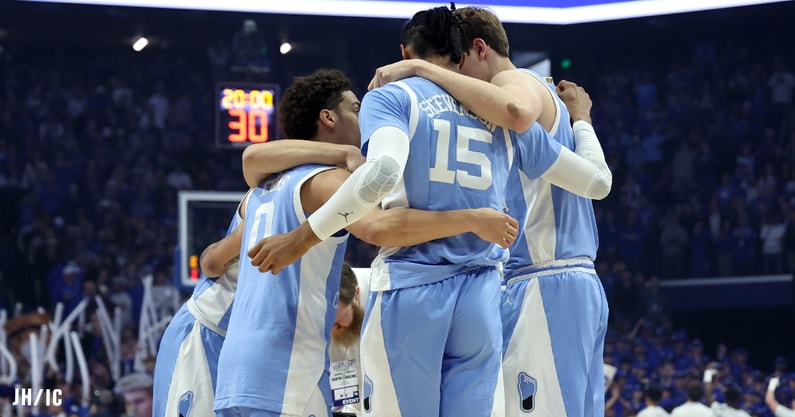
UNC Basketball's Strategic Triumph: Turning Momentum into Victory Against Kentucky
- Tactical Resilience and Performance Strategy Redefine Competitive Dynamics in College Basketball















Overview
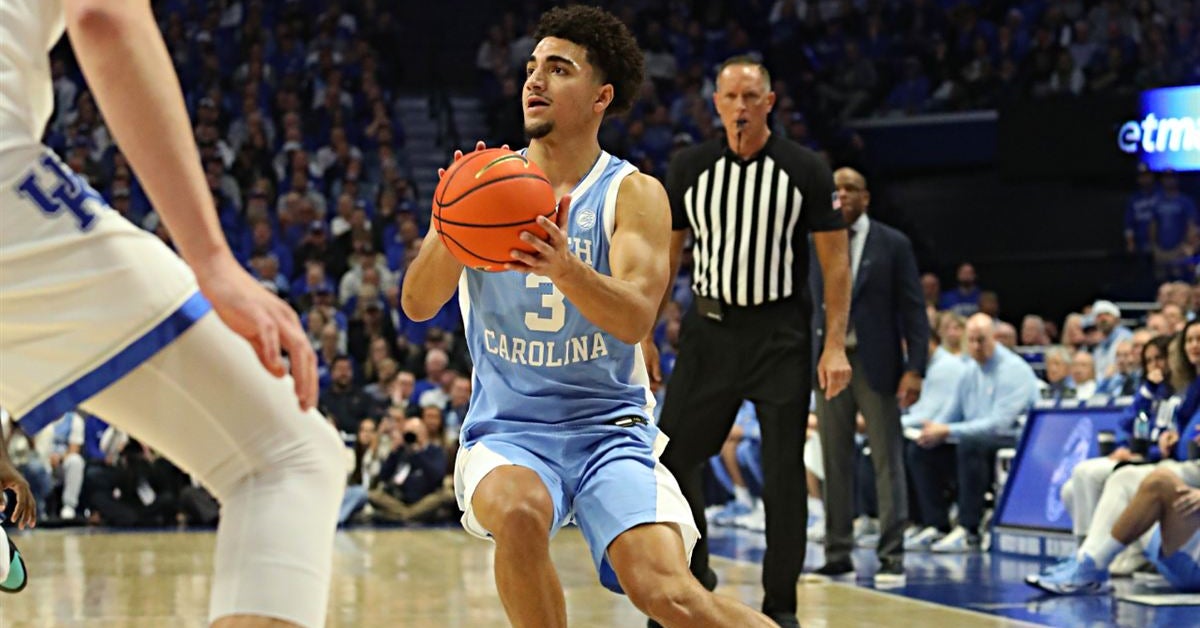
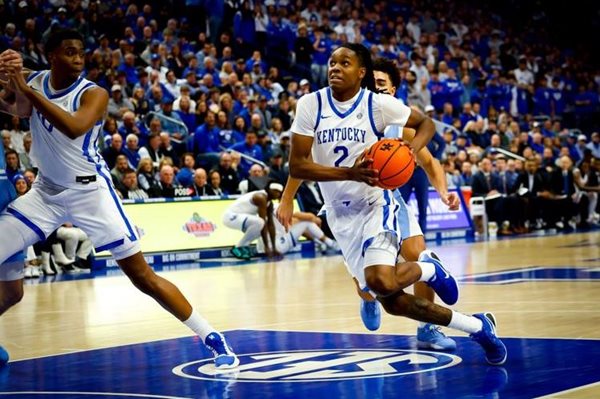
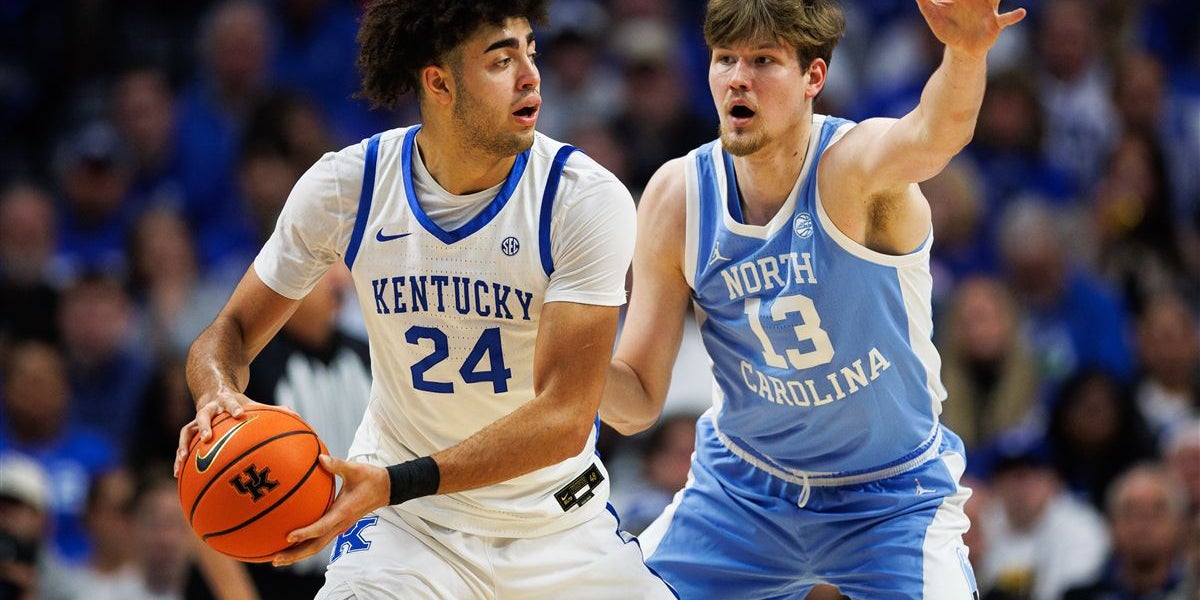
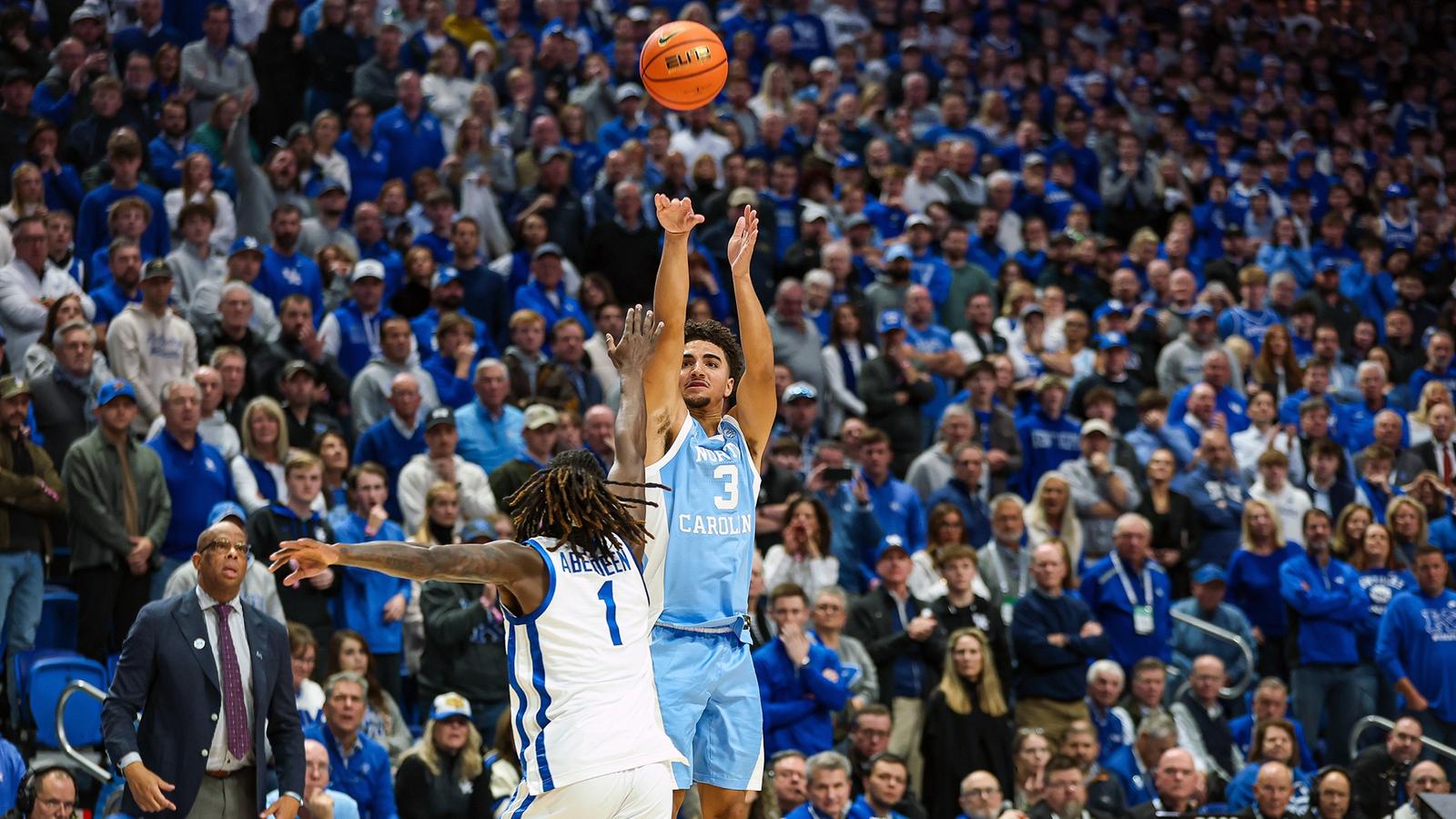
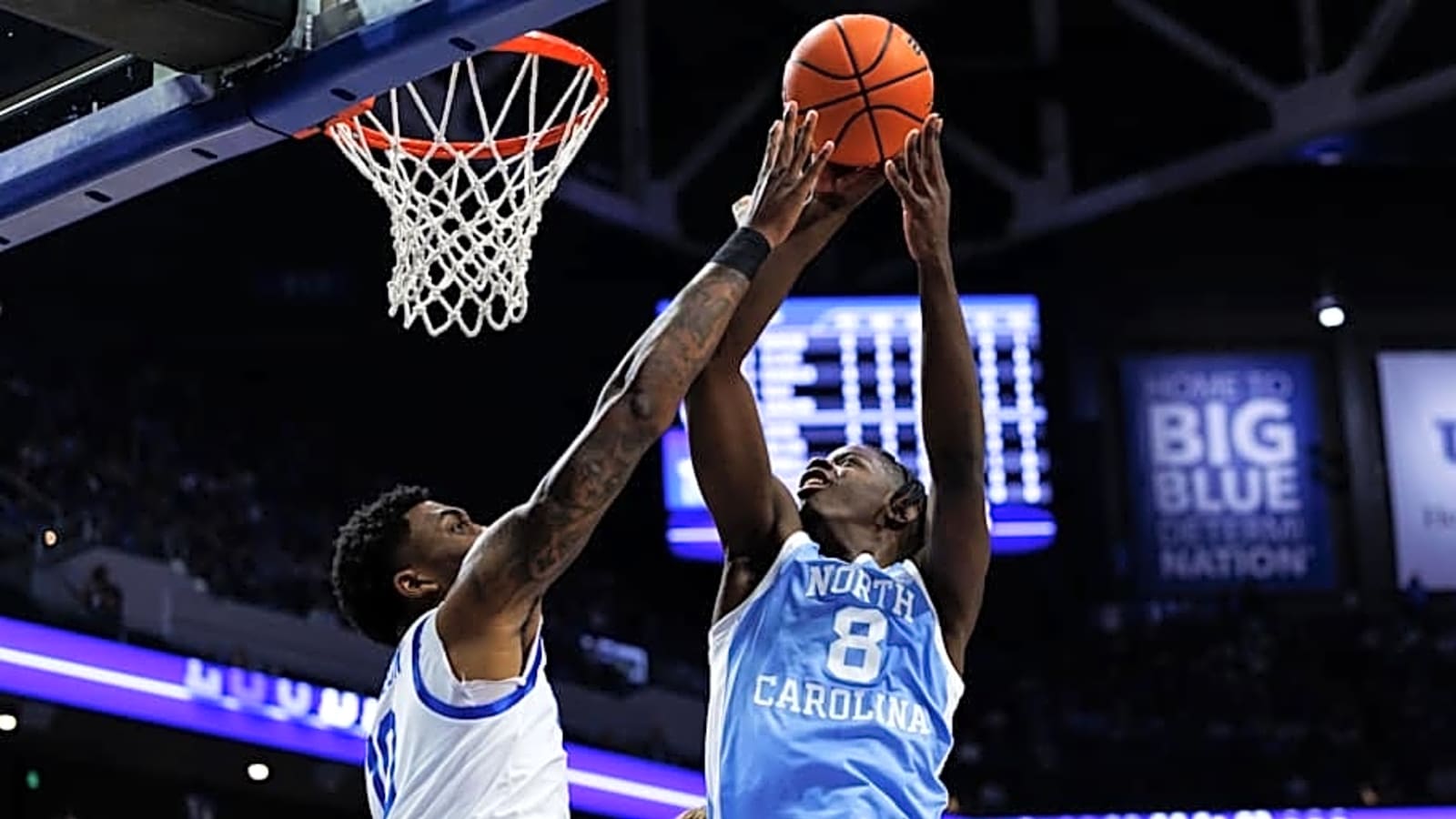
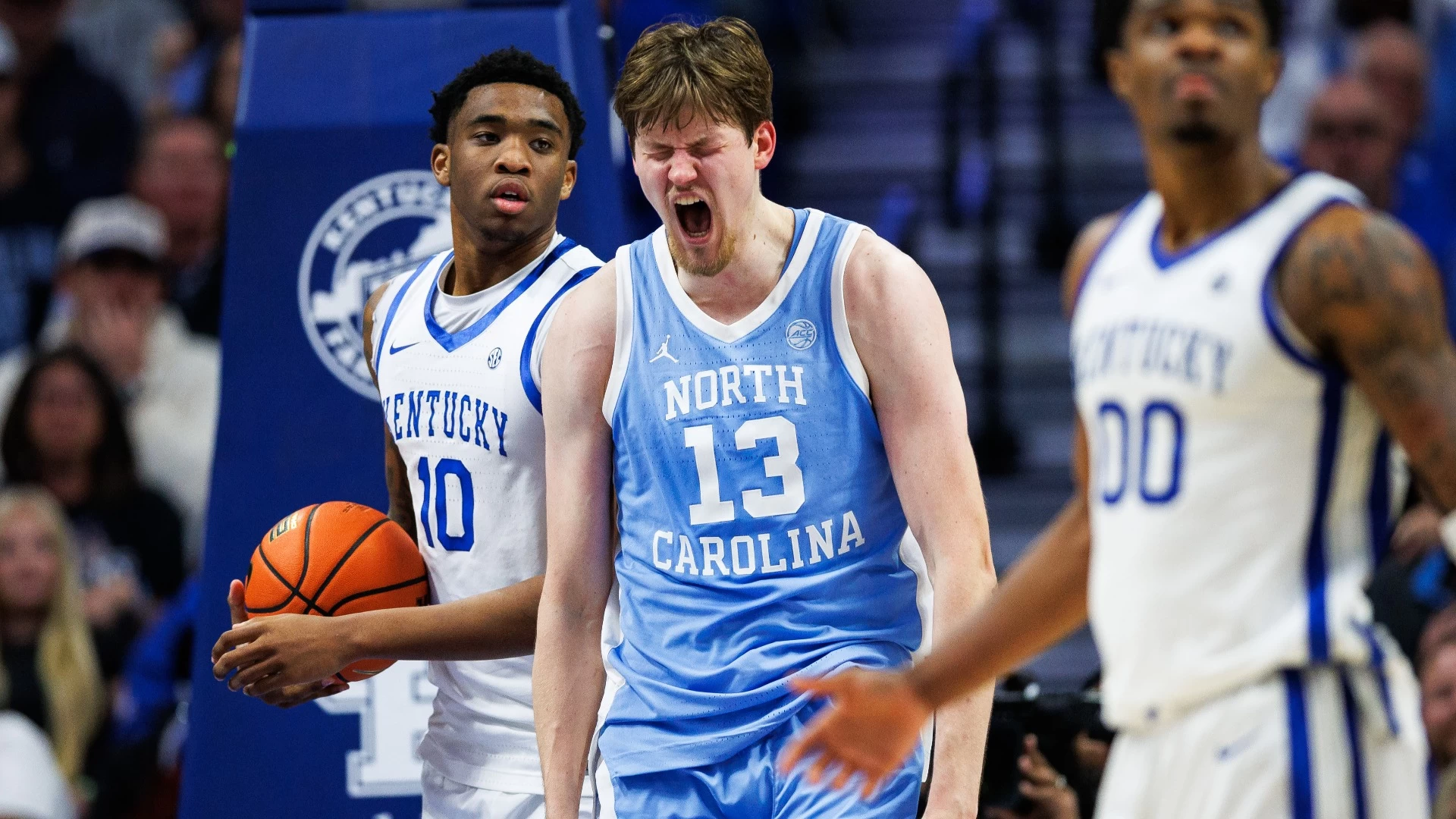
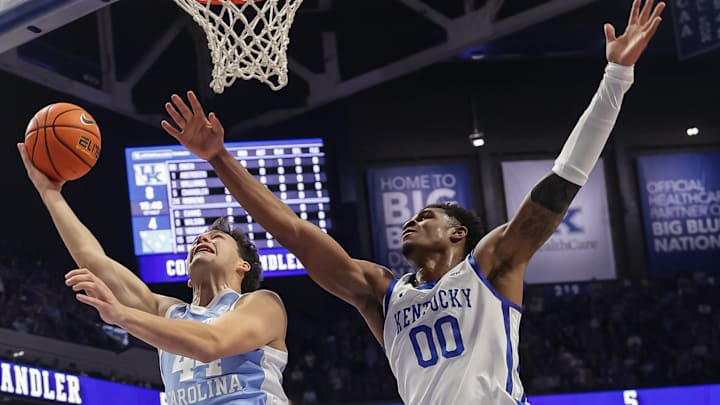
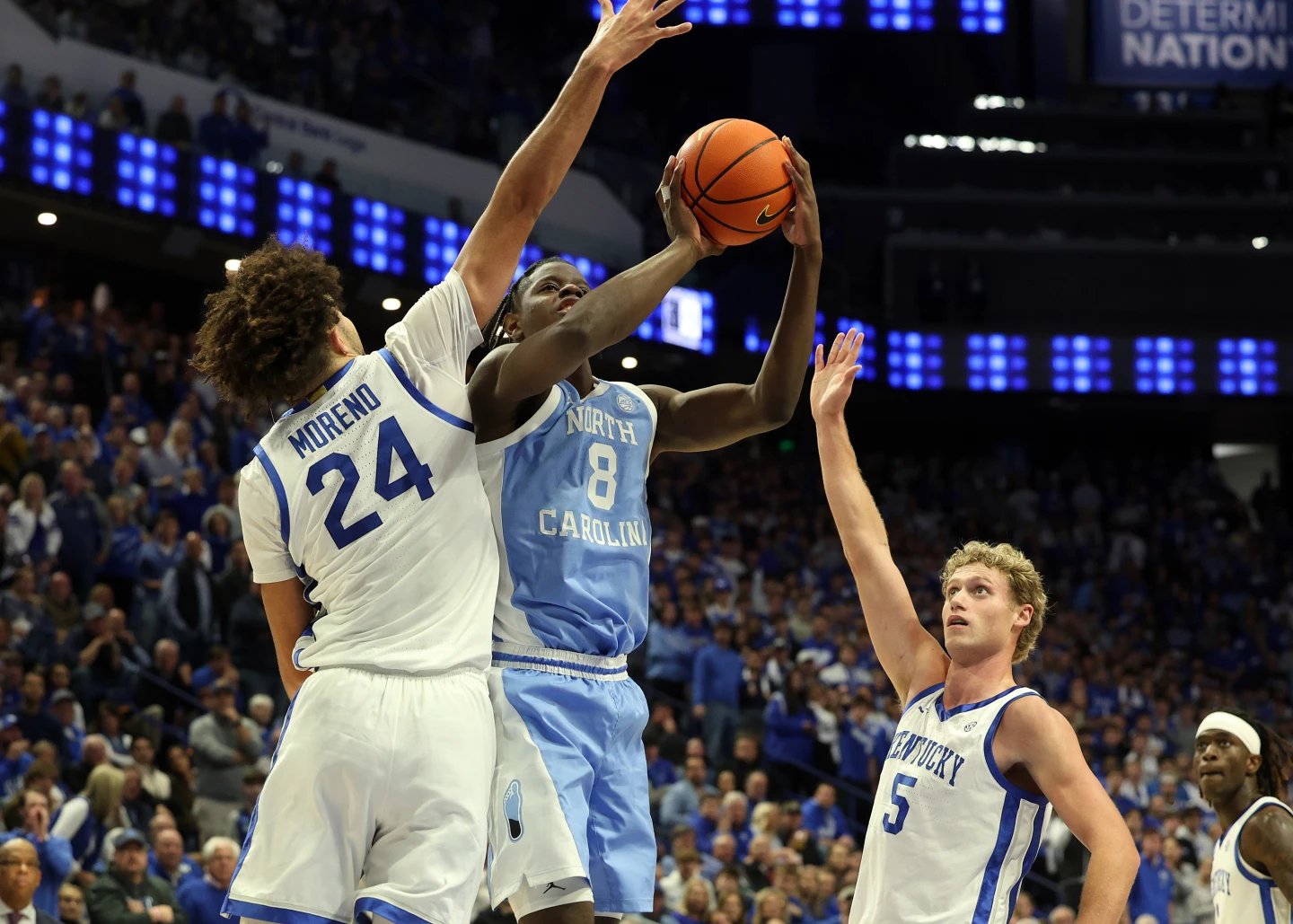
In a compelling display of strategic adaptation, the University of North Carolina basketball team demonstrated how tactical resilience can transform a potential defeat into a decisive victory against Kentucky. The game's pivotal moment emerged through Coach Hubert Davis's innovative approach, particularly in rebounding strategy, which became the critical differentiator in their 67-64 triumph.
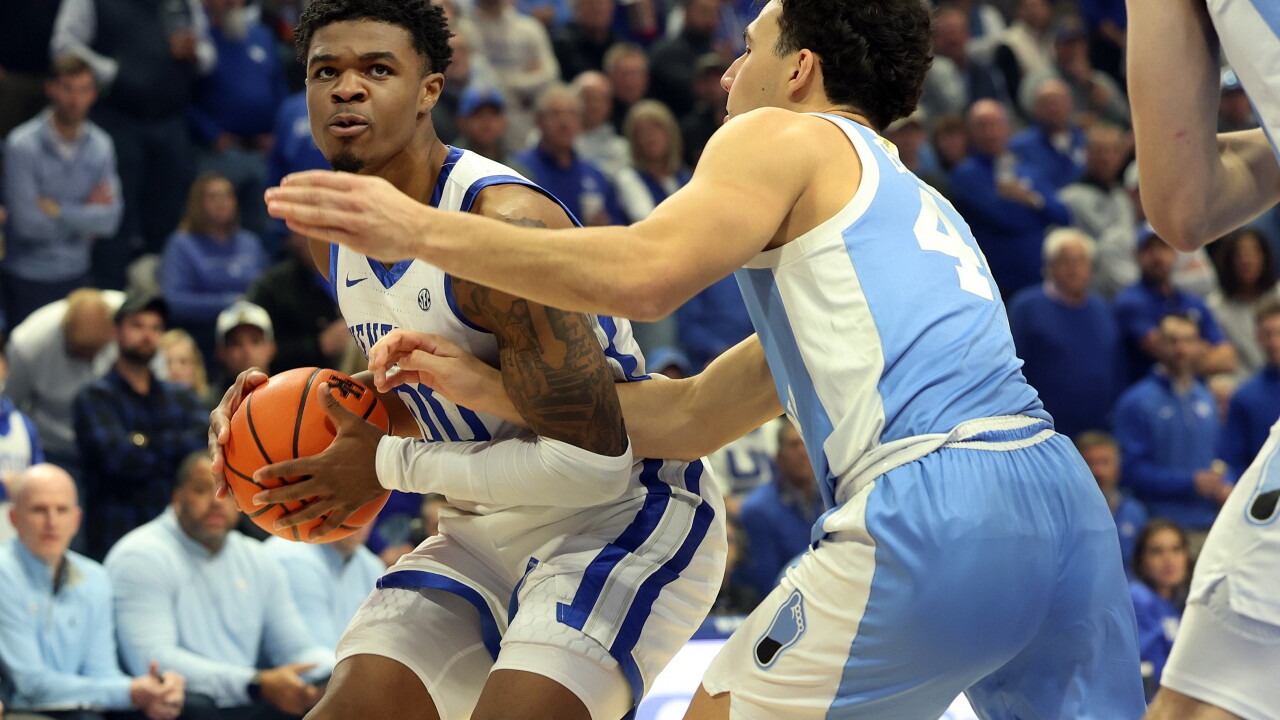
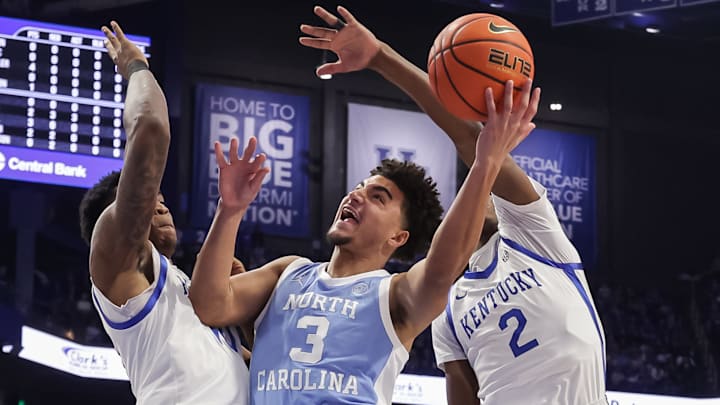
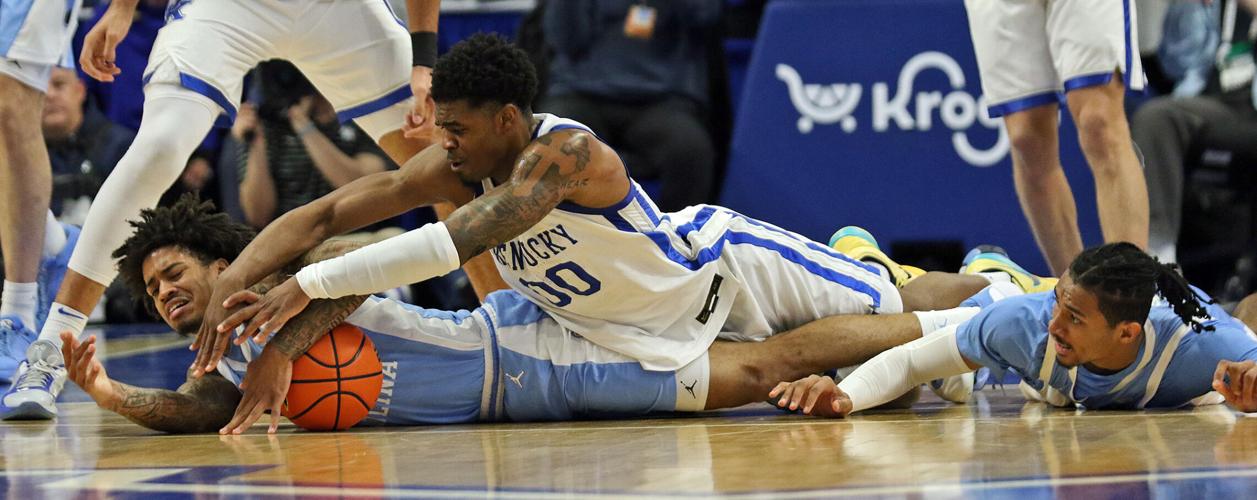
Dominating the Boards as a Competitive Advantage revealed a profound insight into modern basketball dynamics. By securing 20 offensive rebounds and outperforming Kentucky by 11 total rebounds, UNC transformed a potentially challenging matchup into a masterclass of strategic execution. Coach Davis explicitly credited this rebounding performance as the key to their success, highlighting how granular tactical adjustments can dramatically shift competitive outcomes.
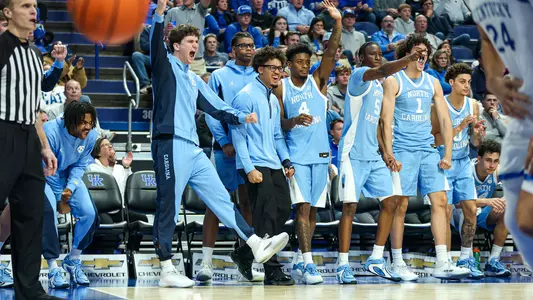
Psychological Momentum and Strategic Adaptation played a crucial role in UNC's performance. The team's ability to transition from being initially "punked" to "crashing" with winning plays demonstrates a remarkable psychological resilience. This transformation suggests that elite athletic performance is not just about physical skill, but about mental adaptability and strategic recalibration under pressure.
The game's narrative goes beyond a simple sports contest, representing a microcosm of competitive strategy. By identifying and exploiting specific performance gaps—in this case, rebounding efficiency—UNC showcased how meticulous preparation and tactical flexibility can overcome seemingly insurmountable challenges. Coach Davis's approach underscores a broader lesson: success emerges from the ability to recognize and rapidly adapt to dynamic competitive environments.
Strategic takeaways from this performance extend far beyond the basketball court. The UNC-Kentucky matchup illustrates how precise tactical adjustments, combined with psychological resilience, can fundamentally alter competitive dynamics. For teams, organizations, and leaders across domains, the core lesson remains consistent: continuous strategic recalibration and mental adaptability are the true markers of sustained success.
Questions 3
What broader lessons can be learned from this basketball performance?
The game illustrates that success is not just about inherent skill, but about strategic flexibility, mental resilience, and the ability to rapidly adapt to changing competitive environments. Organizations can learn that continuous tactical recalibration and psychological strength are key to overcoming challenges.
How did Coach Hubert Davis transform the team's performance?
Davis guided the team from being initially 'punked' to making 'winning plays', showcasing exceptional leadership in psychological adaptation. By focusing on specific tactical adjustments like rebounding efficiency, he helped the team overcome early challenges and maintain competitive momentum.