



Trump Tariff Threats on UK-China Trade | Cross-Border Seller Supply Chain Risk
- Potential 100% retaliatory tariffs threaten $50B+ UK-Canada-China e-commerce corridor; sellers face 8-15% margin compression on electronics, automotive, and consumer goods













Overview
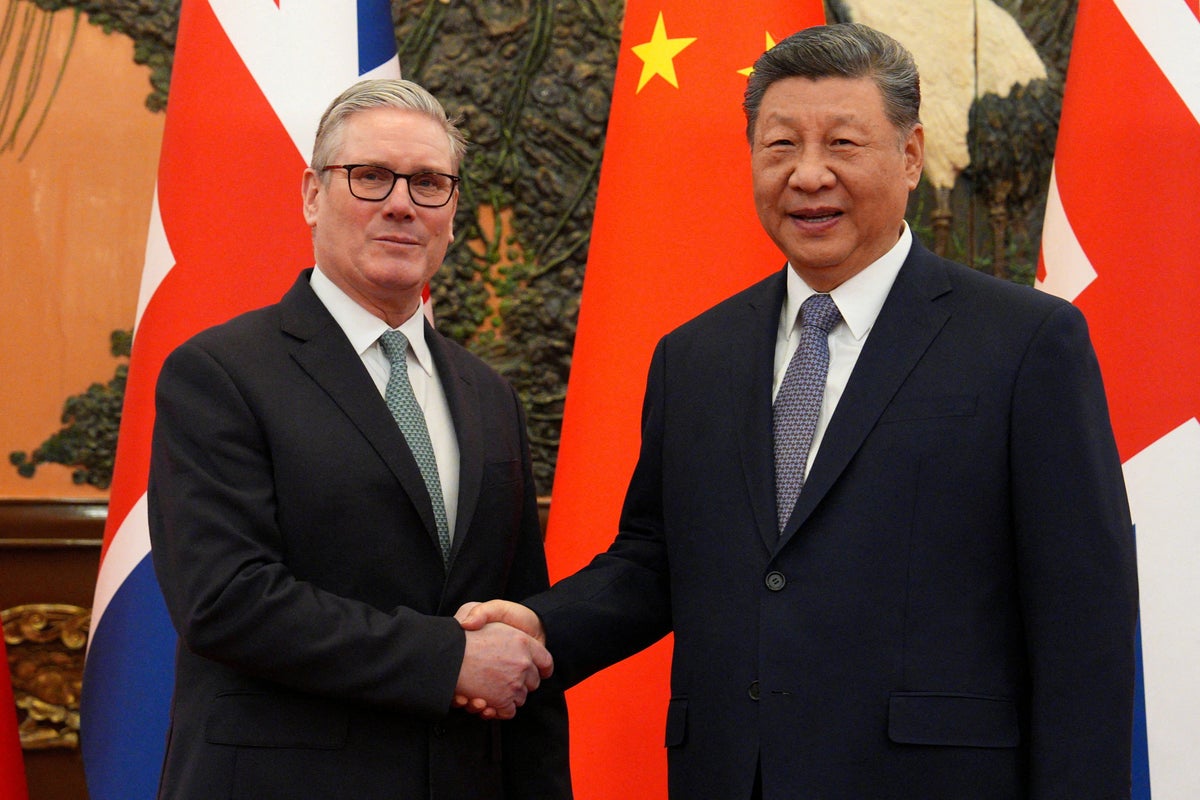
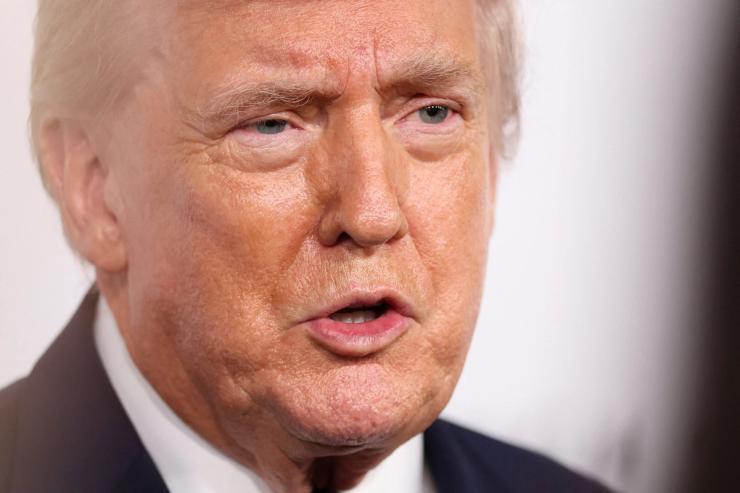
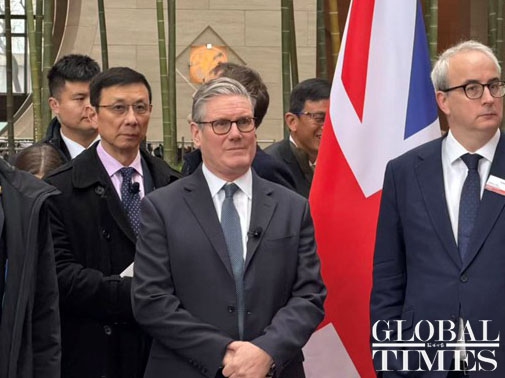
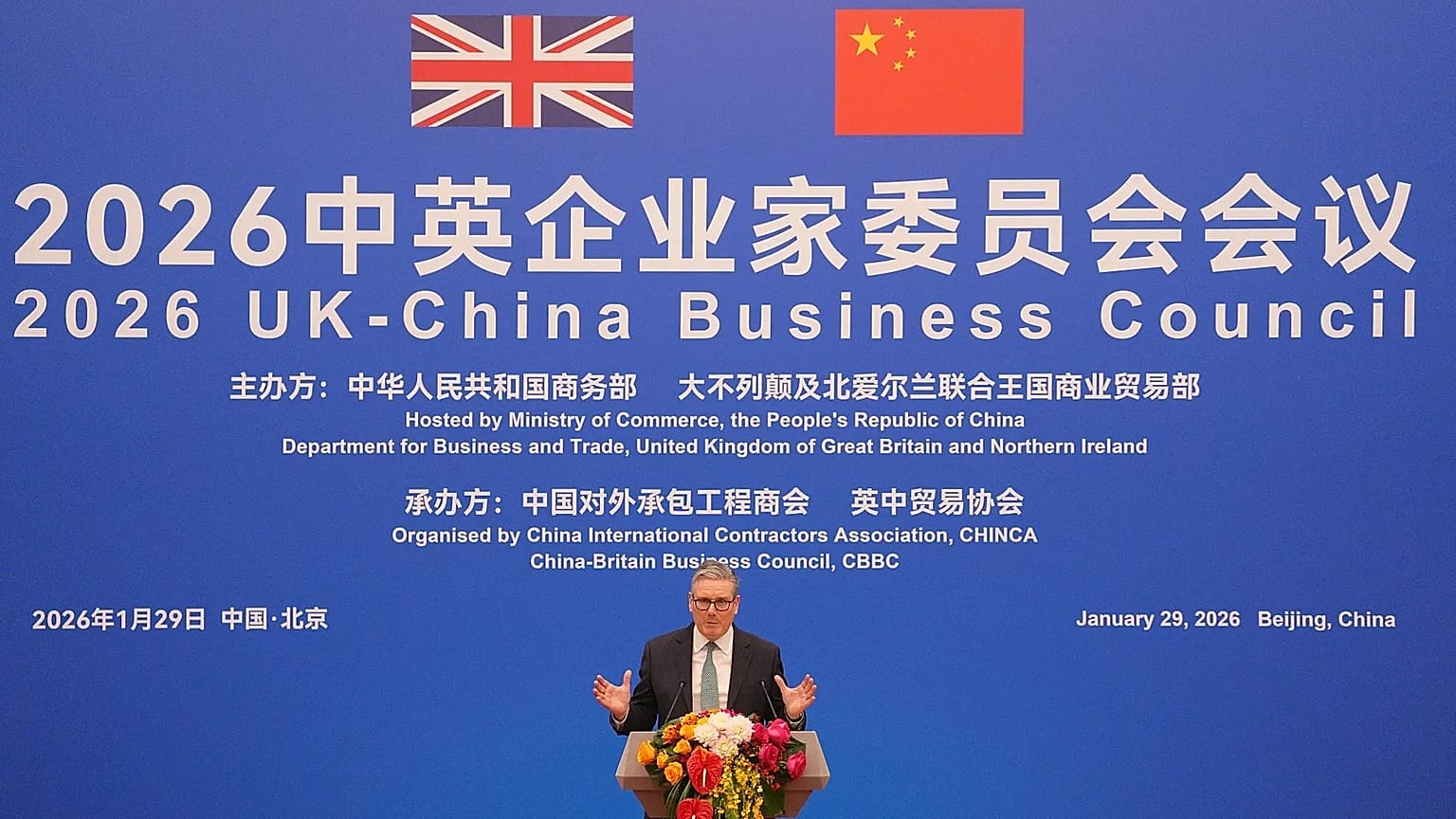
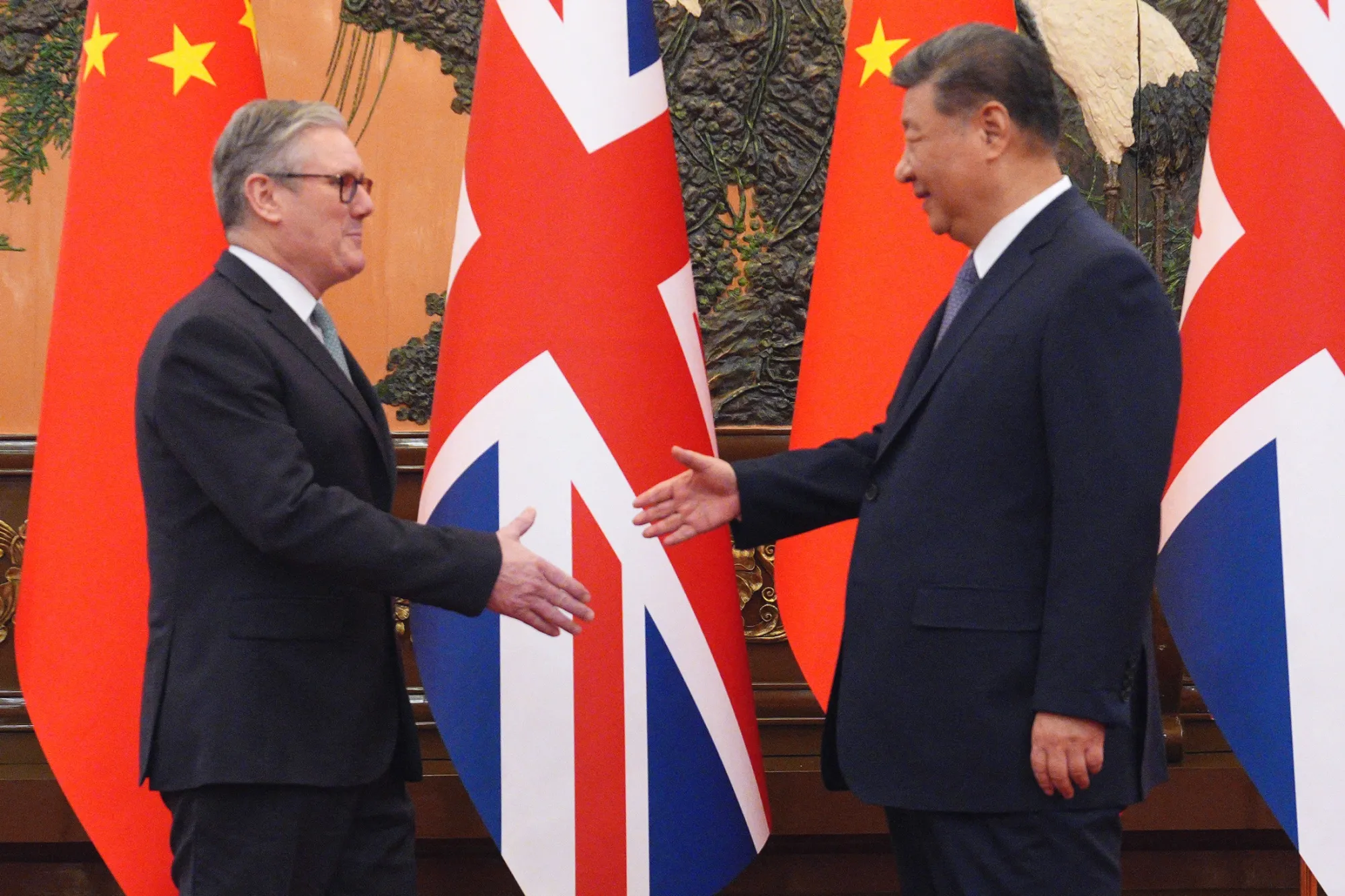
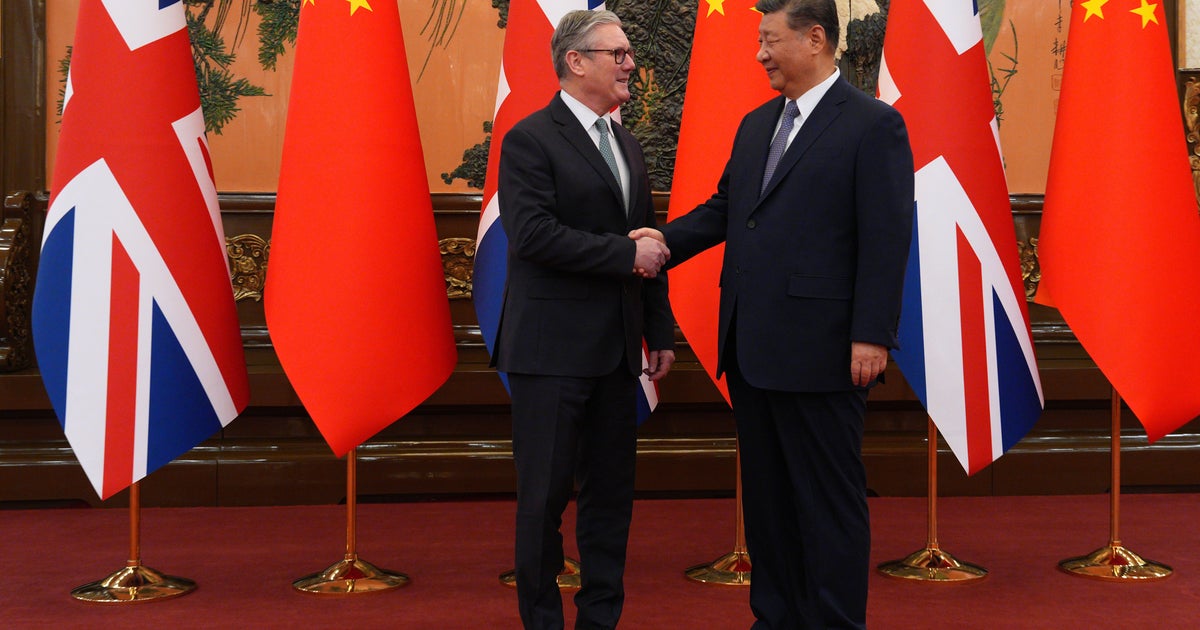
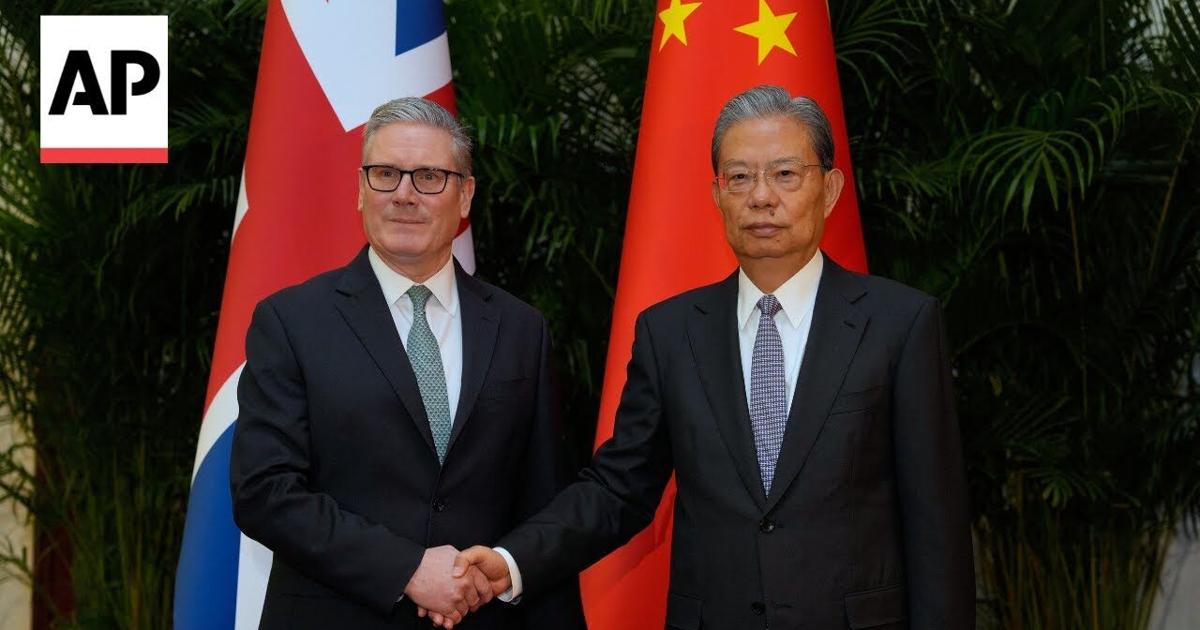
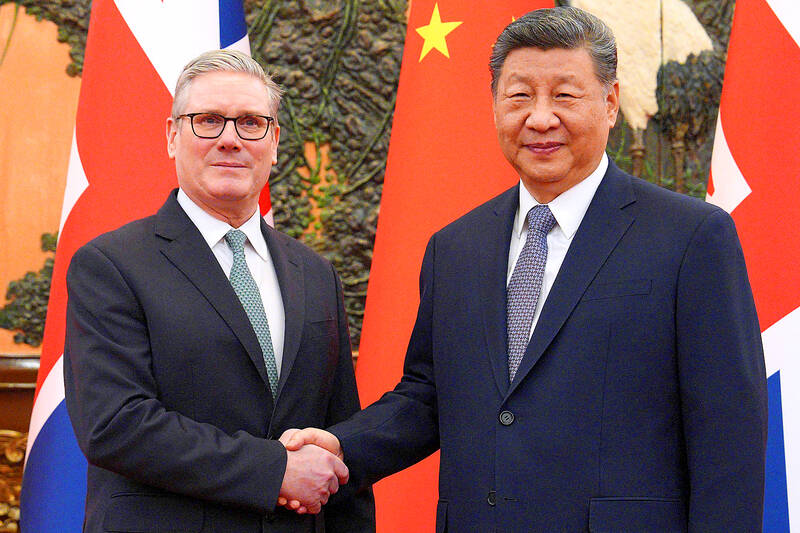
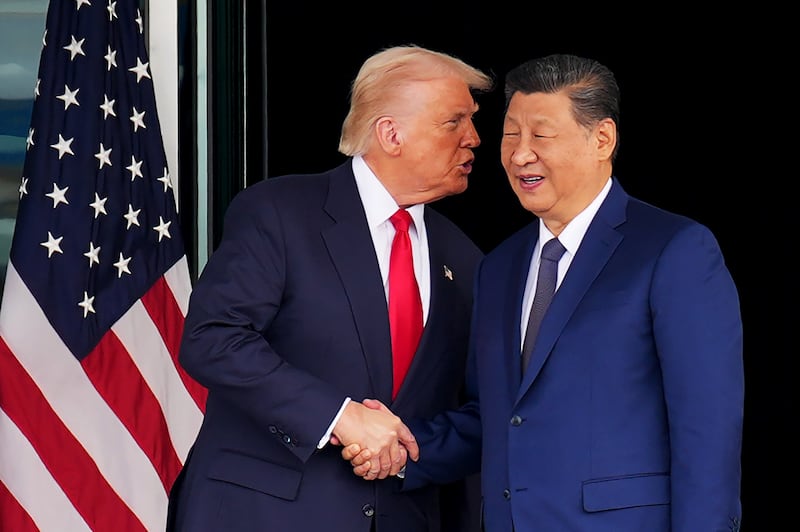
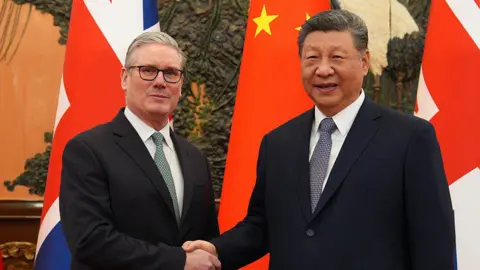
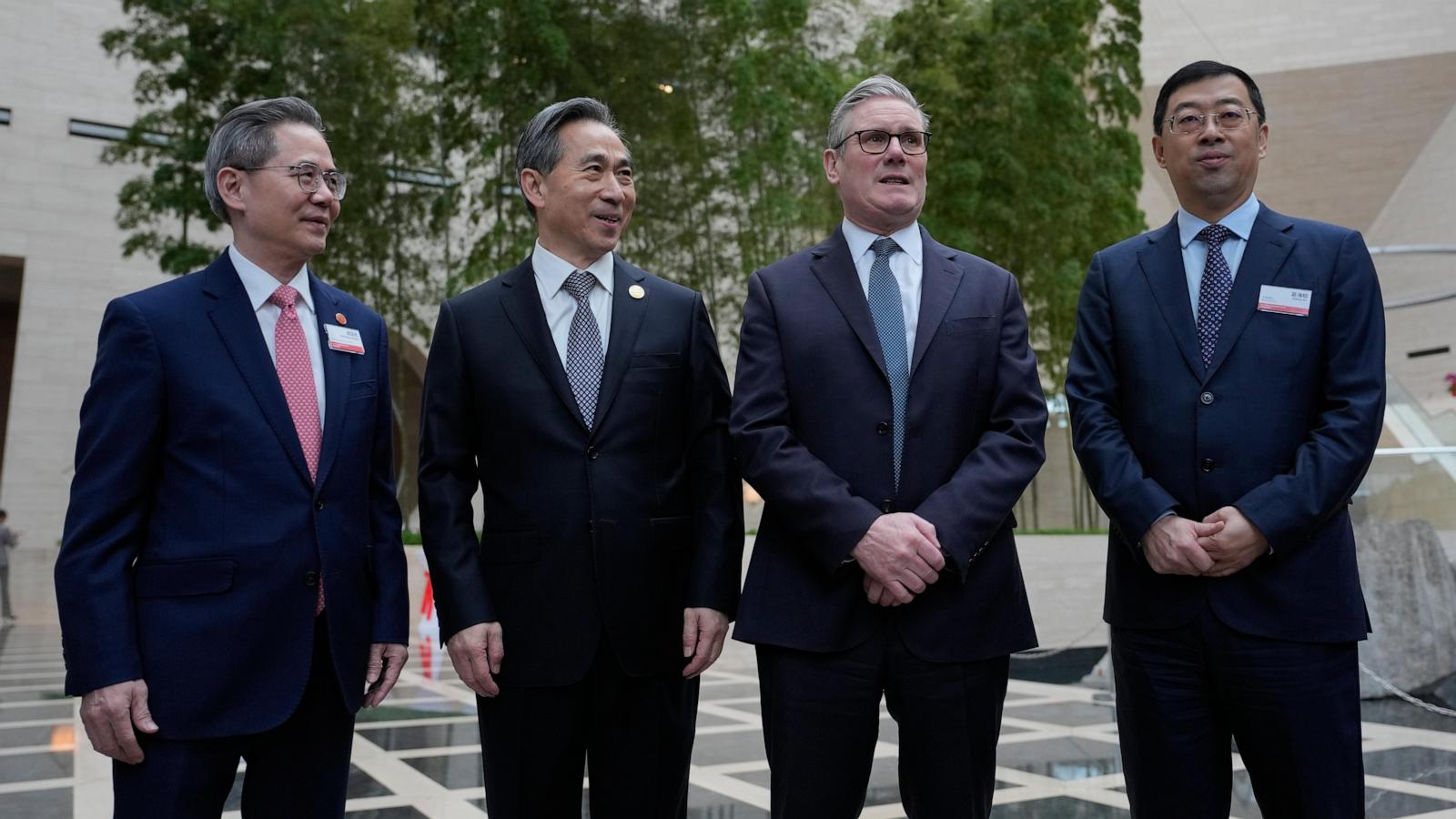
Trump's January 30, 2026 warning against UK-China trade engagement signals imminent tariff escalation risks for cross-border e-commerce sellers operating across North American and European markets. Following UK Prime Minister Keir Starmer's Beijing visit (January 29-30, 2026) where he secured reduced tariffs on British whisky and visa-free travel concessions, Trump publicly cautioned both the UK and Canada against deepening Chinese business relationships, characterizing such moves as "very dangerous." The threat carries concrete implications: Trump has already threatened 100% tariffs on Canadian goods in response to Canada's Mark Carney rolling back Chinese EV tariffs, establishing a clear pattern of retaliatory action.
For cross-border sellers, this geopolitical friction creates three immediate supply chain vulnerabilities. First, tariff arbitrage opportunities are collapsing as Trump administration pressure forces allied nations to reverse China-friendly policies. Sellers who positioned inventory in UK or Canadian fulfillment centers to exploit reduced Chinese tariffs now face potential reversal—margin compression of 8-15% on electronics (HS codes 8471-8517), automotive parts (HS 8708), and consumer goods (HS 6204-6209). Second, sourcing cost differentials are widening as alternative production hubs (Vietnam, India, Mexico) become more attractive relative to China, but transition costs are substantial. Third, compliance complexity is increasing as sellers must monitor dual-track tariff scenarios: one if UK/Canada maintain China engagement (lower tariffs, higher Trump retaliation risk) versus one if they capitulate to US pressure (higher China tariffs, lower US retaliation risk).
The timing window for strategic repositioning is narrow. Christopher Beddor from Gavekal Dragonomics notes that while UK strategy is "reasonable," the major risk involves Trump administration retaliation through additional tariffs that could offset gains from closer Chinese trade relations. The article notes Trump has not yet followed through on threatened levies, suggesting his UK warnings may be rhetorical positioning rather than imminent policy action—but this creates uncertainty that sellers cannot ignore. Sellers with 1,000+ units monthly shipping volumes should immediately audit their supply chain exposure: which product categories depend on China sourcing? Which fulfillment centers are positioned in tariff-vulnerable jurisdictions? Which competitors are already shifting to Vietnam or India production? The diplomatic pivot by multiple Western leaders (South Korea, Ireland, Canada, France visiting Beijing) suggests a coordinated hedging strategy against US trade volatility, but Trump's public warnings indicate this strategy carries real retaliation costs that will ultimately flow to sellers through tariff increases, logistics delays, and regulatory scrutiny.
Questions 8
What product categories face the highest tariff risk from UK-China trade tensions?
Electronics (HS codes 8471-8517: computers, semiconductors), automotive parts (HS 8708), and apparel (HS 6204-6209) face highest risk because they represent the largest trade volumes between China and UK/Canada. UK Prime Minister Starmer secured reduced tariffs on British whisky specifically, signaling selective tariff reductions that Trump views as threatening. Sellers in these categories should prioritize sourcing diversification: Vietnam and India offer 5-8% cost premiums over China but avoid tariff retaliation risk. Electronics sellers should model scenarios where China tariffs increase 15-25% within Q1 2026.
Is Trump's warning rhetorical positioning or imminent policy action?
The article explicitly notes Trump has not yet followed through on threatened levies, suggesting his UK warnings may be rhetorical positioning rather than imminent policy action. However, the 100% tariff threat on Canadian goods following Mark Carney's EV tariff rollback demonstrates Trump will execute threats when allies take visible China-friendly actions. Sellers should treat this as a 60-90 day warning window: Trump's pattern suggests he announces threats publicly, waits for policy response, then implements tariffs if allies don't capitulate. Monitor UK/Canada government responses to Trump's warnings—if they reverse China engagement policies, tariff risk decreases; if they maintain engagement, expect tariff implementation by Q2 2026.