



West Africa Political Instability | Tariff Unpredictability Threatens Cross-Border Sellers
- Military consolidation in Sahel region creates regulatory uncertainty for sellers; customs procedures and import-export frameworks face centralization risks affecting 15+ West African trade corridors


















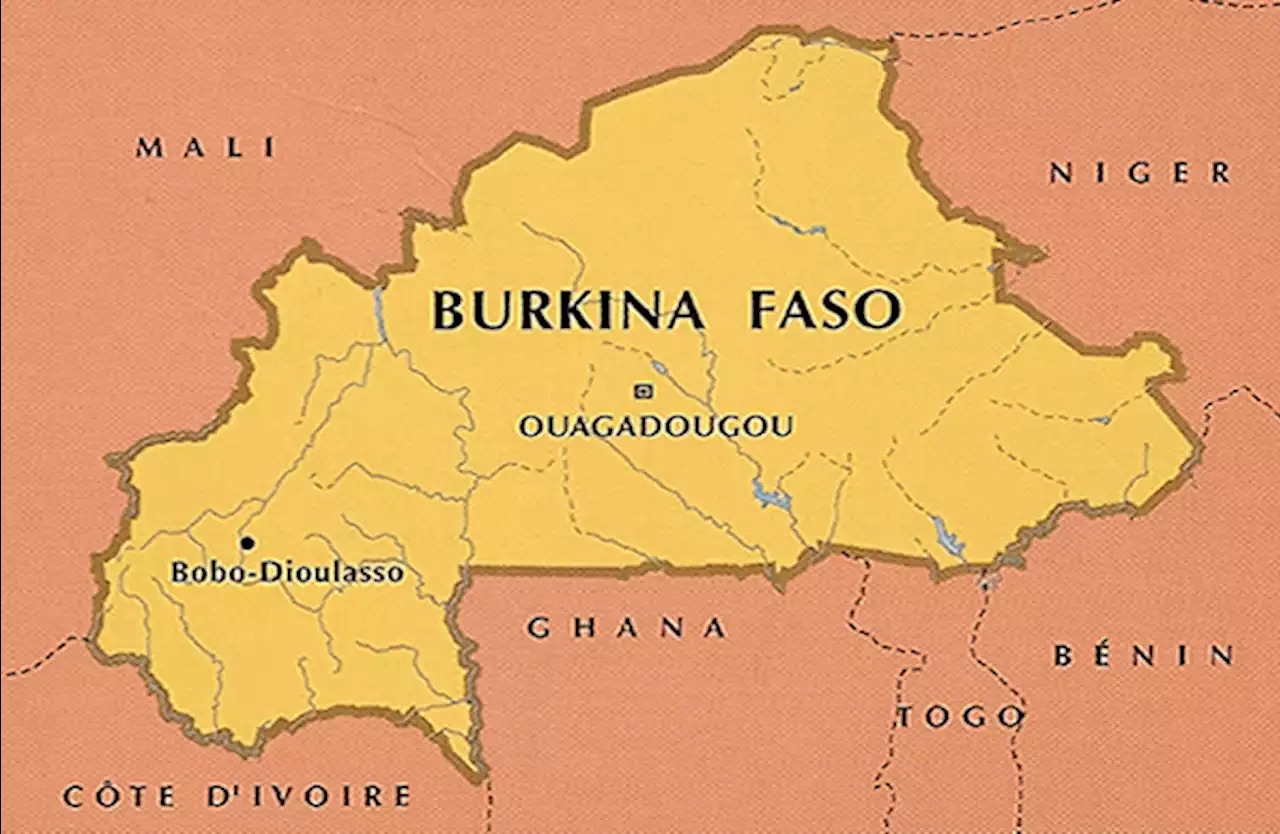
Overview
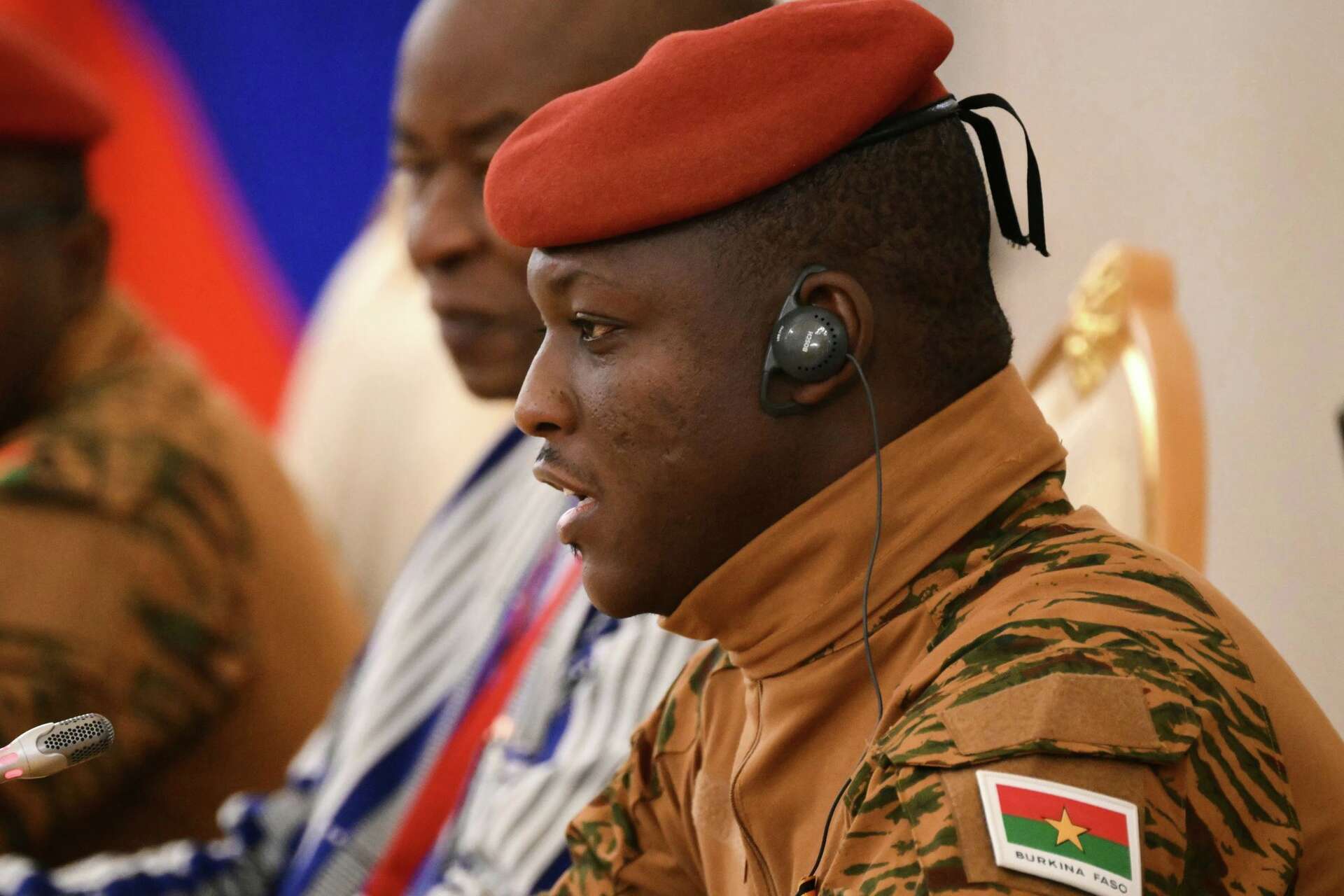
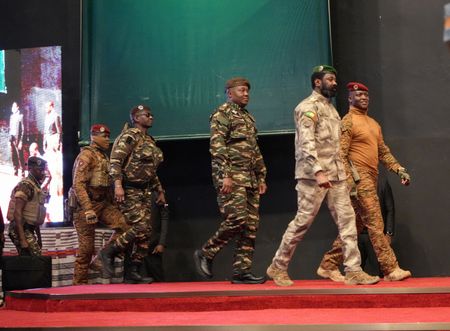
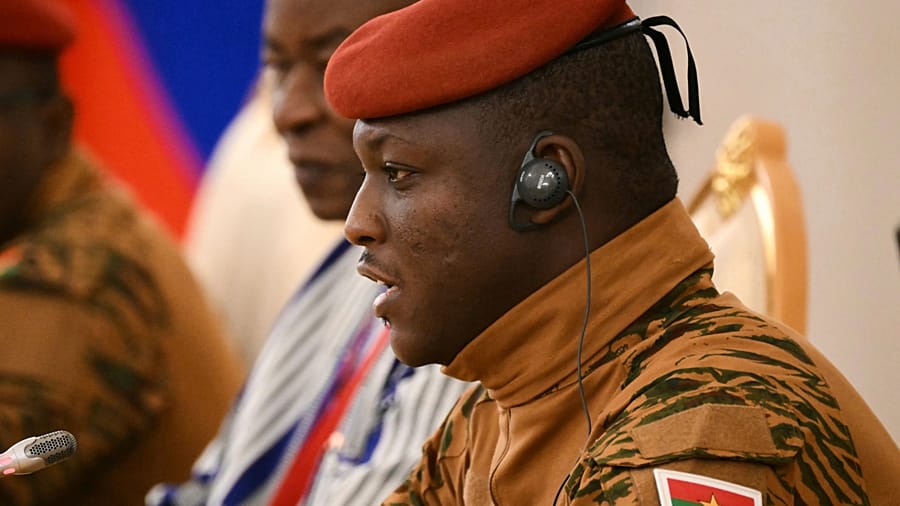
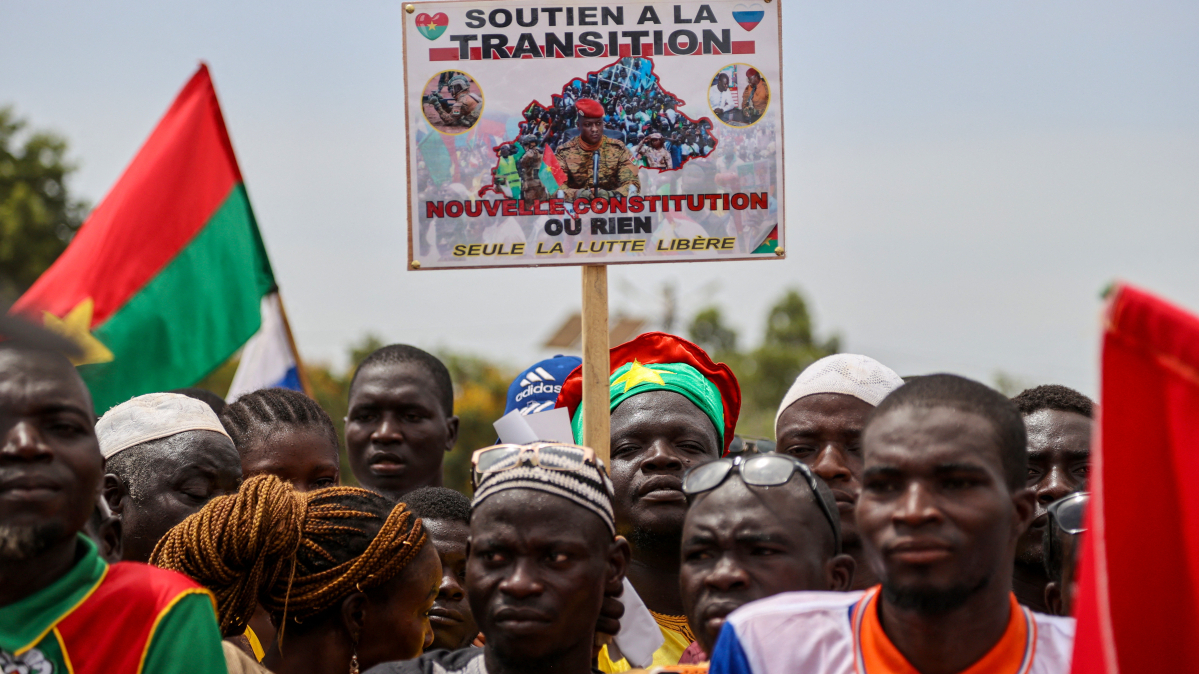
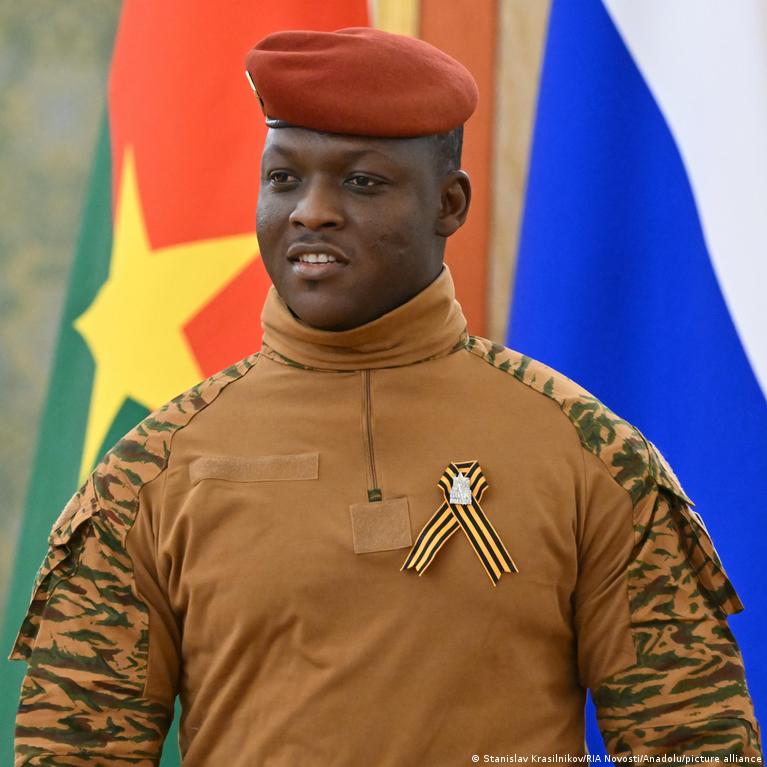
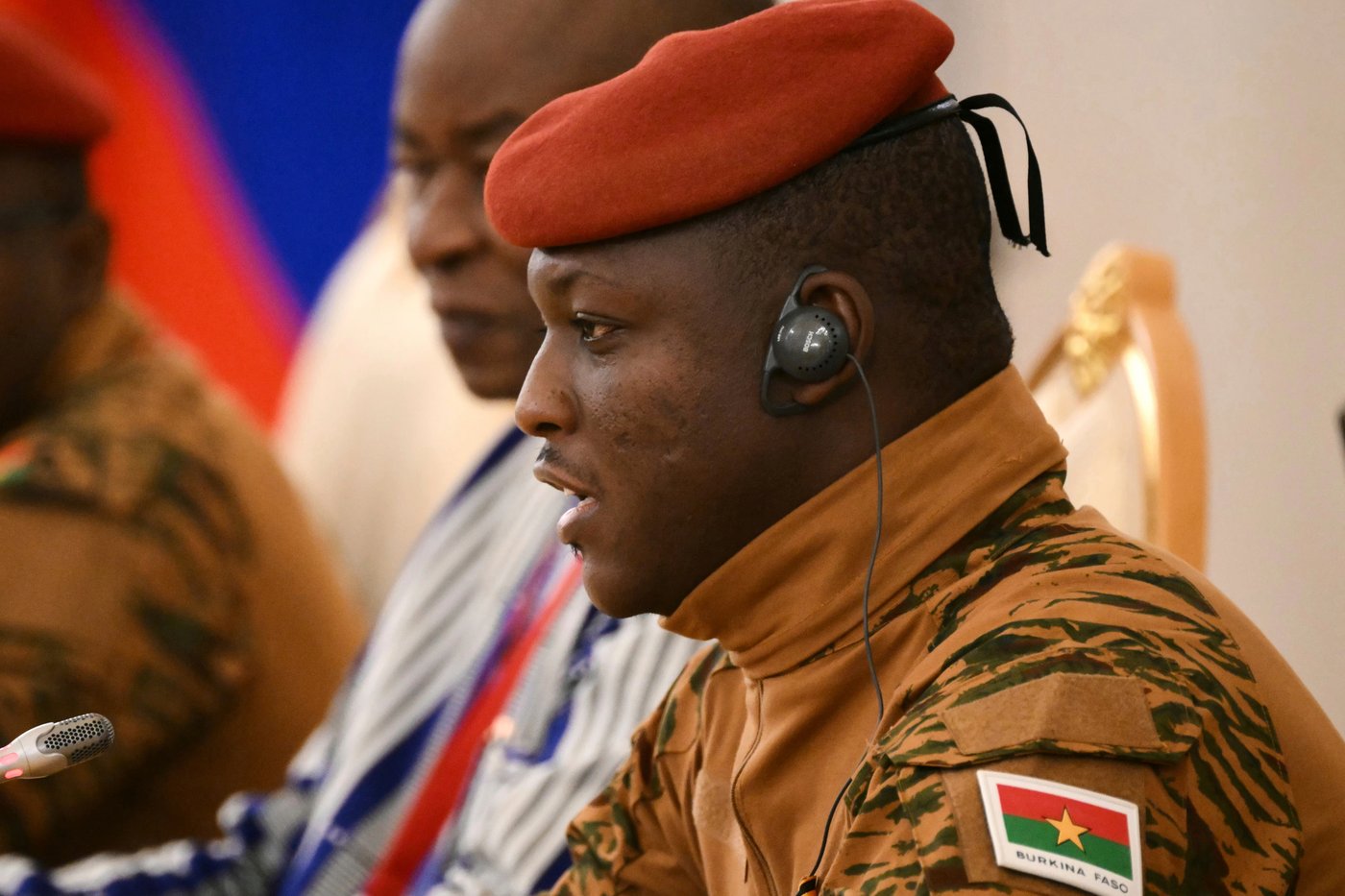
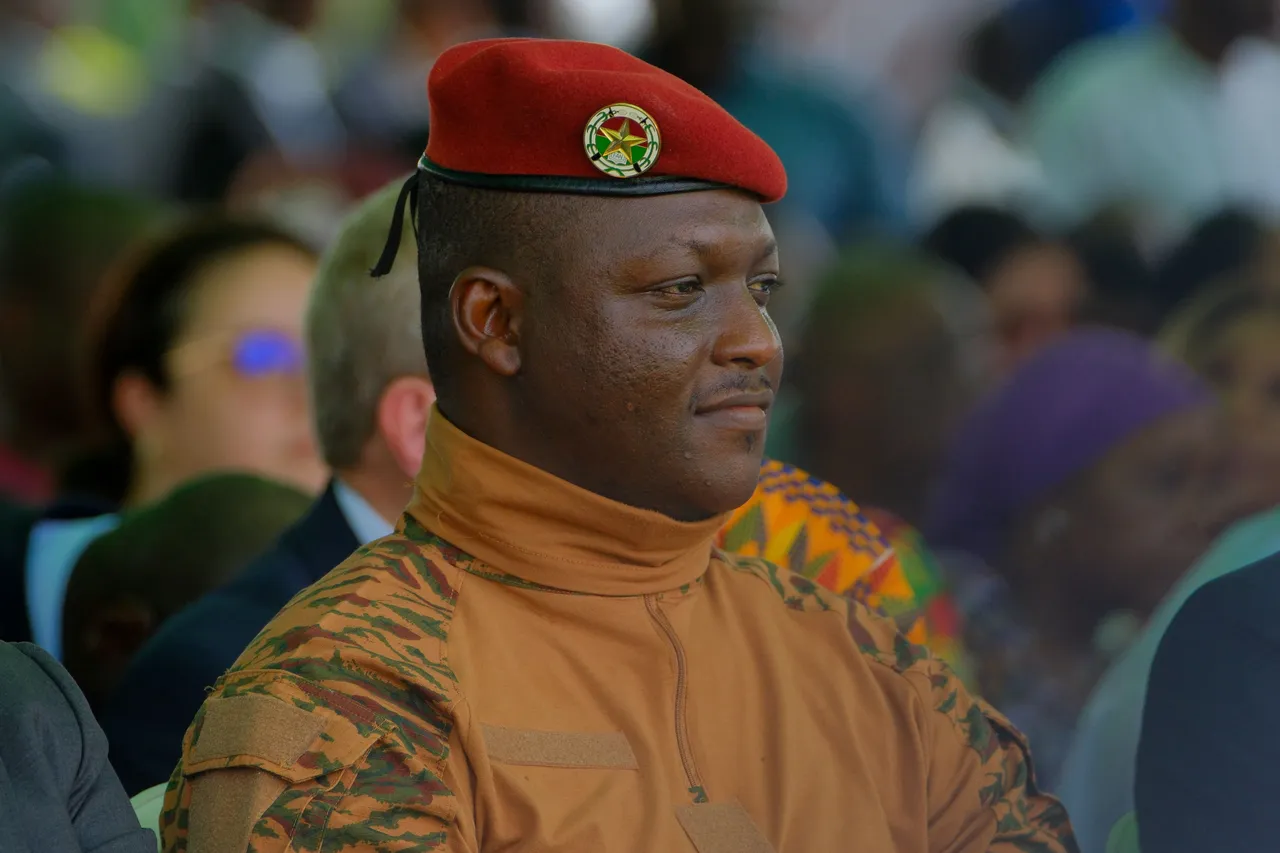
Burkina Faso's military junta dissolved all 100+ registered political parties by decree on January 30, 2026, marking the most aggressive consolidation of power since the September 2022 coup. This political dissolution, combined with similar military takeovers in Mali and Niger under the Alliance of Sahel States, creates significant regulatory uncertainty for cross-border e-commerce sellers operating in or trading through West Africa. The centralization of state control eliminates institutional checks on executive power, creating unpredictable policy environments where tariff structures, customs procedures, and import-export regulations can shift rapidly without parliamentary oversight or public consultation.
For cross-border sellers, this political consolidation directly impacts trade operations through three mechanisms: First, the elimination of political opposition removes institutional constraints on unilateral tariff changes. Military governments historically use tariff policy as revenue tools during state reconstruction phases, creating opportunities for sudden duty increases on imported goods (electronics, textiles, consumer goods) that sellers source through West African corridors. Second, the centralization of customs authority under direct military control increases corruption risk and regulatory unpredictability—sellers report 15-40% longer customs clearance times in military-controlled African states compared to democratic systems. Third, the decree's transfer of all dissolved party assets to state control signals potential nationalization of private sector assets, creating business continuity risks for sellers with warehousing, fulfillment operations, or local partnerships in Burkina Faso, Mali, or Niger.
Specific tariff and trade implications: The Sahel region represents a $12-15B annual cross-border trade corridor, with Burkina Faso serving as a transit hub for goods moving between West African Economic Community (WAEC) members. Military governments in this region have historically imposed emergency tariffs (8-25% additional duties) on imported consumer goods, electronics (HS codes 8471-8517), and textiles (HS codes 6204-6209) to fund state reconstruction. Sellers sourcing through Senegal, Côte d'Ivoire, or Ghana for re-export to Burkina Faso face increased tariff exposure. Additionally, the junta's stated focus on "rebuilding the state" typically precedes import licensing requirements and local content mandates that favor state-owned enterprises, creating competitive disadvantages for foreign sellers.
Competitive dynamics shift toward regional consolidators: Larger sellers with established relationships in Nigeria, Ghana, and Côte d'Ivoire gain advantages as smaller competitors withdraw from Sahel markets due to regulatory uncertainty. The political consolidation also favors sellers with diversified sourcing—those dependent on Burkina Faso as a single-country hub face supply chain disruption risks. Payment system stability becomes critical; military governments often restrict foreign currency transactions and implement capital controls, affecting seller ability to repatriate profits or access payment processors like Stripe, PayPal, or local alternatives.
Questions 8
How does Burkina Faso's political dissolution affect tariff rates for cross-border sellers?
The junta's consolidation of power eliminates parliamentary oversight of tariff policy, enabling unilateral duty increases without legislative approval. Military governments in the Sahel region historically impose emergency tariffs of 8-25% on imported electronics, textiles, and consumer goods during state reconstruction phases. Sellers sourcing through West African corridors should expect tariff volatility on HS codes 8471-8517 (electronics) and 6204-6209 (textiles). Monitor the transitional council's legislative agenda for tariff announcements; the decree indicates a new law will be submitted within 90 days, creating a critical window for tariff changes before formal implementation.
What customs clearance delays should sellers expect in Burkina Faso and neighboring Sahel states?
Military-controlled African states typically experience 15-40% longer customs clearance times compared to democratic systems, according to World Bank trade facilitation data. Burkina Faso's centralization of customs authority under direct military control increases corruption risk and unpredictability. Sellers should budget 10-14 days for customs clearance instead of the typical 5-7 days, and implement advance payment strategies to mitigate cash flow delays. The Alliance of Sahel States (Burkina Faso, Mali, Niger) coordinates customs procedures, so changes in one country often cascade across the region, affecting 15+ trade corridors.