


Japan Election 2026 | Political Stability Impacts Cross-Border Seller Operations
- February 8 election outcome determines Japan's China policy stance, affecting $117B GDP and 2M jobs; sellers face currency volatility, supply chain uncertainty, and shifting consumer spending patterns























Overview
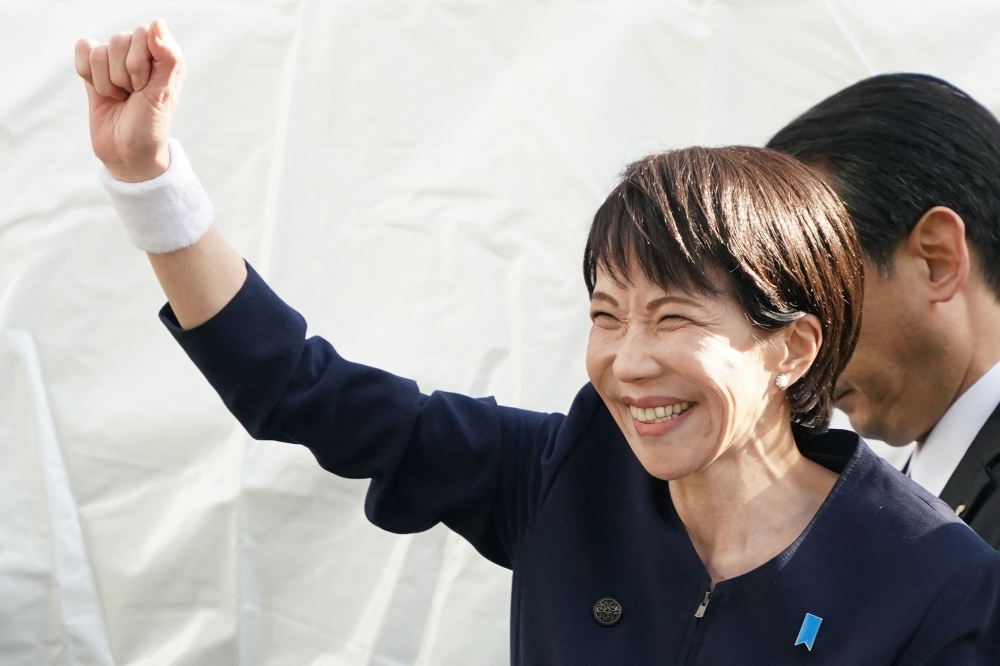
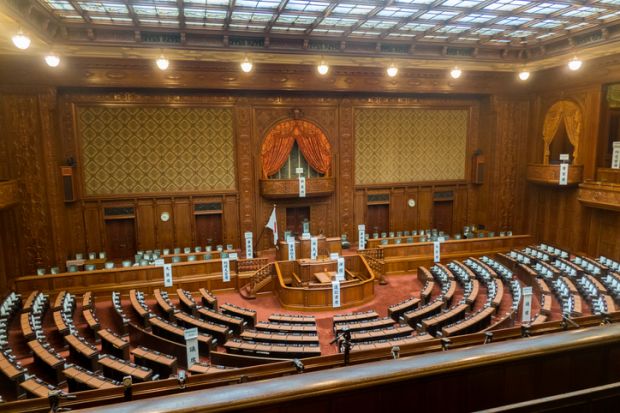
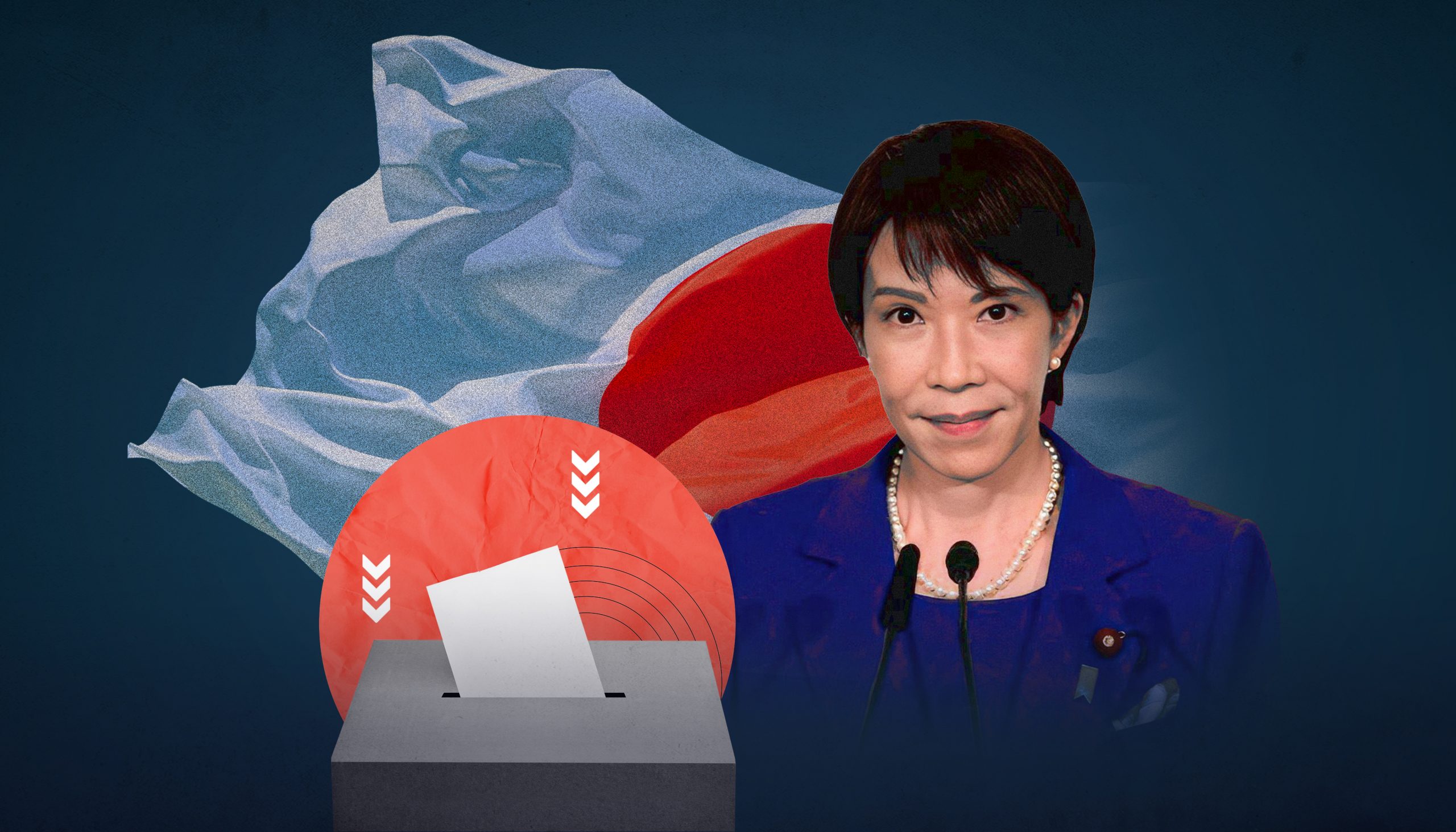
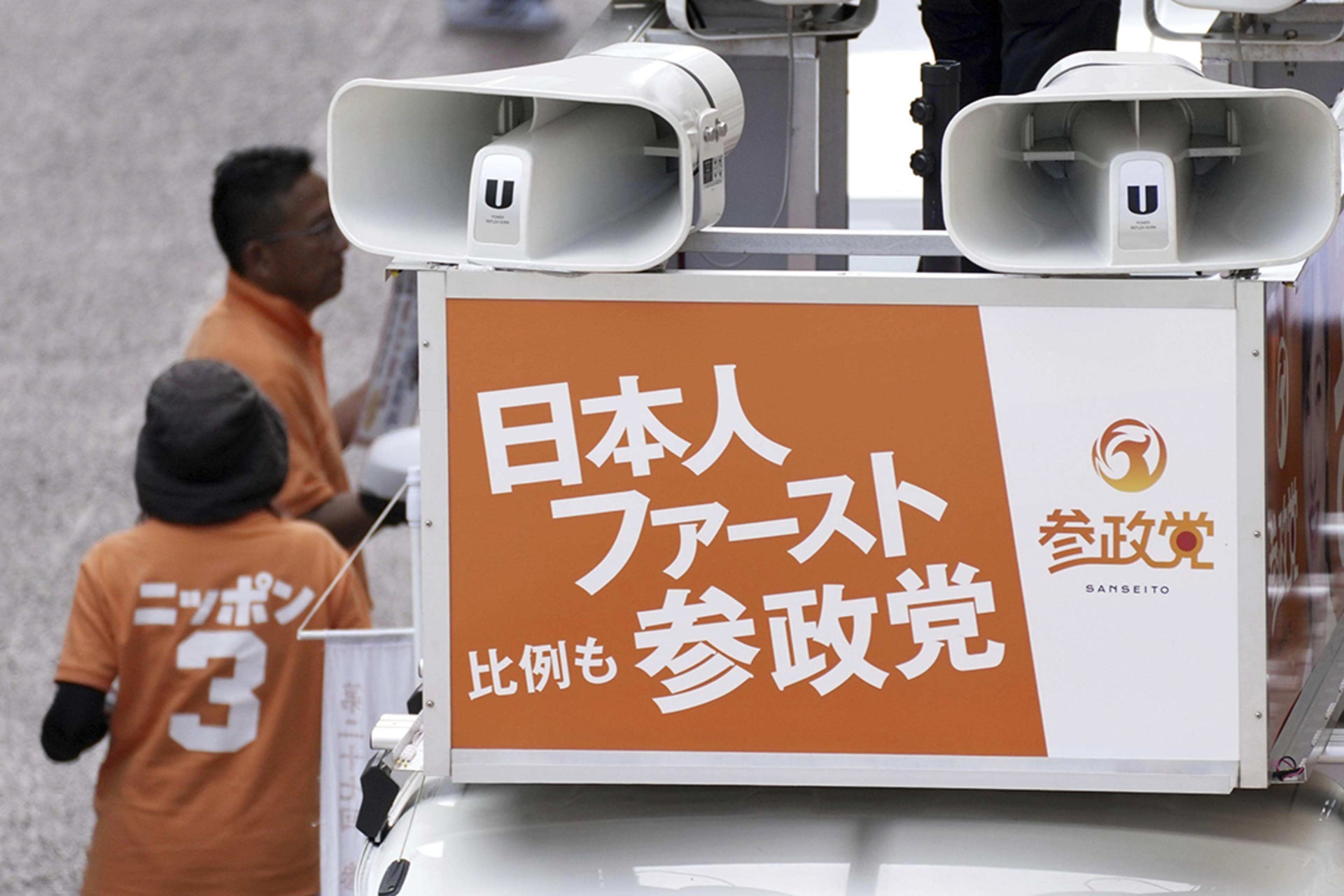
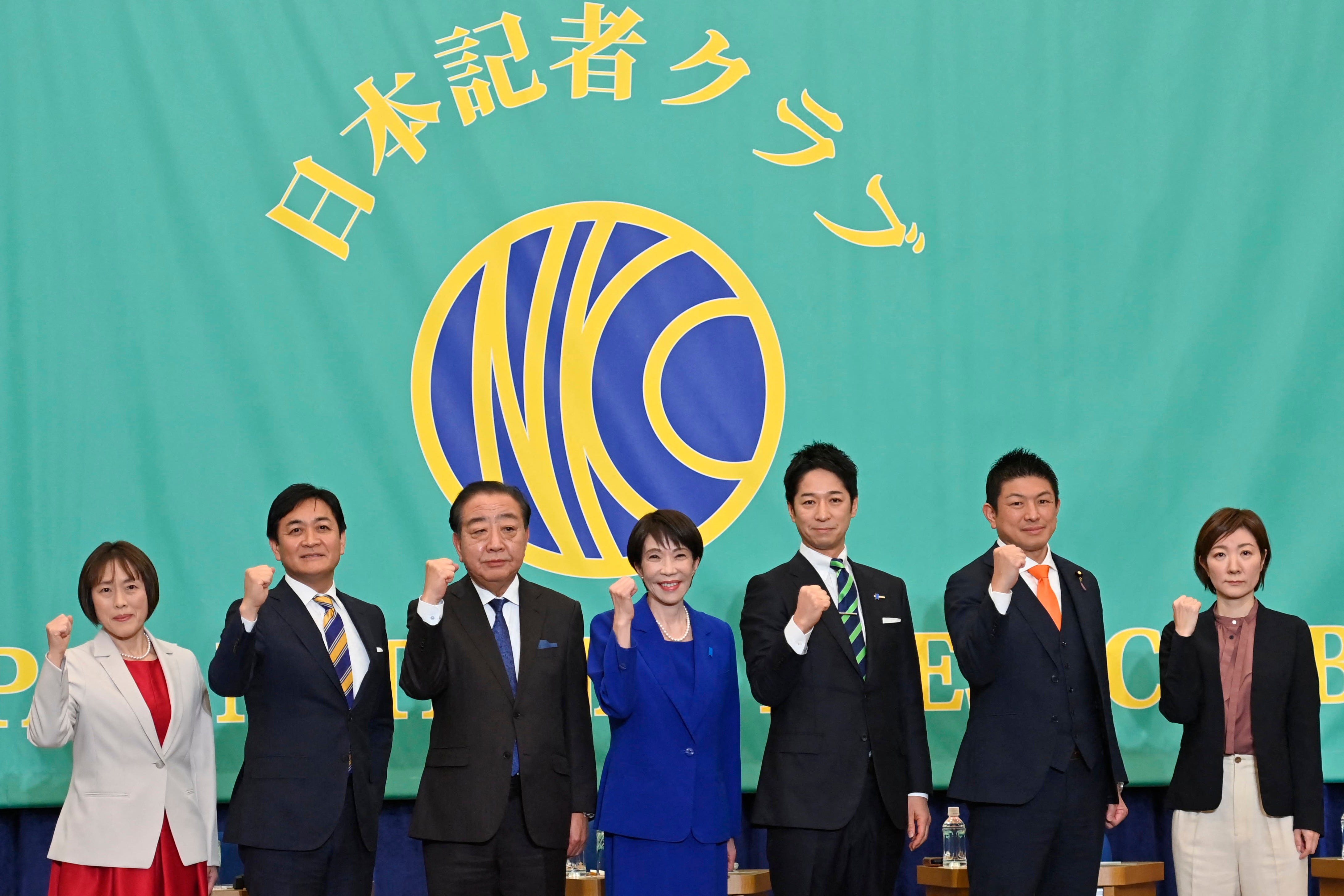
Japan's February 8, 2026 Lower House election represents a critical inflection point for cross-border sellers operating in or sourcing from Japan. Prime Minister Sanae Takaichi's unprecedented personal-popularity-driven campaign (70%+ approval vs. LDP's 30%) creates both political opportunity and operational risk. The election outcome directly determines Japan's geopolitical stance toward China—a relationship that carries $117 billion GDP downside risk if Beijing implements threatened rare earth and critical mineral export restrictions affecting 2 million Japanese jobs.
Currency and Import Cost Implications: The yen has weakened to approximately 160 against the USD in early 2026, amplifying imported inflation despite benefiting Japanese exporters. For sellers importing Japanese products (electronics, automotive parts, consumer goods), this currency weakness increases landed costs by 8-12% compared to 2024 levels. Conversely, sellers exporting to Japan face reduced purchasing power as real wages have declined for 11 consecutive months year-on-year in 2025, with full-year inflation reaching 3.2%—pressuring consumer discretionary spending on imported goods.
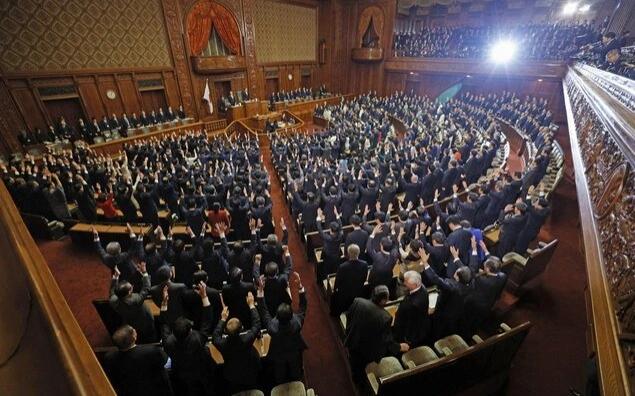
Supply Chain and Geopolitical Risk: China's retaliatory measures—including 50% reduction in Chinese visitors to Japan in December 2025 and threatened restrictions on rare earth exports—directly threaten Japan's manufacturing ecosystem. Over two-thirds of Japanese firms expect deteriorating China relations to impact operations. For sellers relying on Japanese suppliers (semiconductor components, rare earth magnets, precision machinery), a narrow Takaichi victory could trigger escalated Chinese pressure, creating 3-6 month supply delays. Conversely, a decisive LDP majority (projected at 233+ of 465 seats) would signal political stability, potentially deterring further Chinese coercion and stabilizing supply chains.
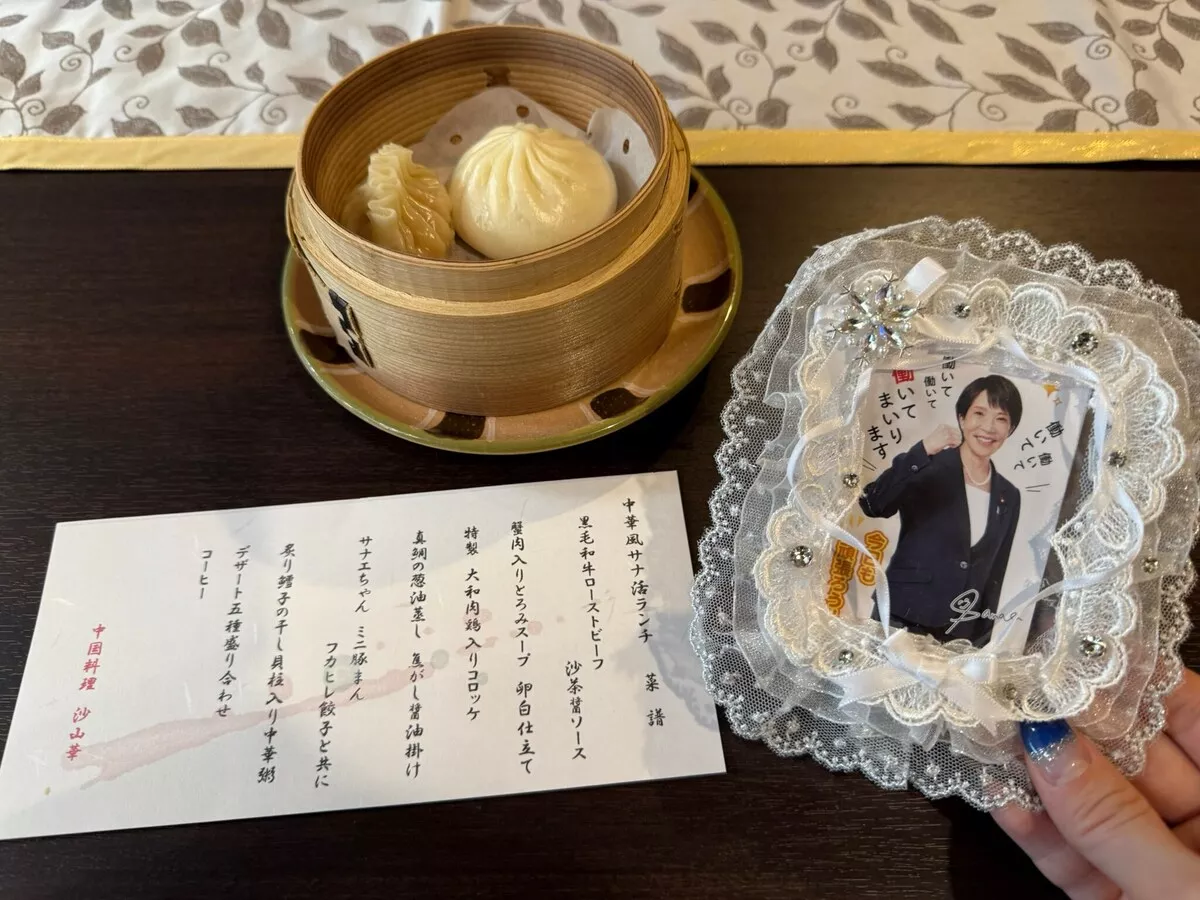
Consumer Sentiment and Merchandise Opportunities: Takaichi's exceptional popularity among younger demographics—evidenced by fan engagement including themed merchandise and hometown tourism—signals emerging opportunities in political memorabilia and personality-driven products. The 28-year-old demographic segment traveling 4+ hours for Takaichi-themed experiences demonstrates willingness to spend on collectibles and branded merchandise. Election uncertainty (high turnout favors Takaichi; low turnout creates close race) creates 2-4 week volatility windows where consumer confidence fluctuates, affecting discretionary category performance in Japan's $1.2 trillion e-commerce market.
Questions 8
How does Japan's February 2026 election outcome affect cross-border sellers?
A decisive Takaichi victory (233+ LDP seats) signals political stability and deters Chinese economic coercion, stabilizing supply chains and the yen around 155-160 USD. A narrow victory could trigger escalated Chinese pressure, creating 3-6 month supply delays and currency volatility. For sellers importing Japanese products, political stability reduces landed costs by 2-4% through predictable currency rates. For sellers exporting to Japan, a strong Takaichi mandate supports consumer confidence, offsetting the 11-month real wage decline that has pressured discretionary spending.
What merchandise opportunities exist from Takaichi's political popularity?
Takaichi's 70%+ approval rating and fan engagement (28-year-old demographics traveling 4+ hours for themed experiences) creates emerging opportunities in political memorabilia, collectibles, and personality-driven merchandise. The Washington Post documented themed dining experiences and merchandise collecting behavior. Sellers can capitalize on this through limited-edition political collectibles, apparel, and accessories targeting 25-40 year-old Japanese consumers. Historical precedent: similar political figures generate $5-15M annual merchandise categories. Election uncertainty creates 2-4 week volatility windows where consumer confidence fluctuates, affecting discretionary category performance.