




Health Research and Regulatory Uncertainty Converge in Scientific Decision-Making
- Emerging scientific insights and regulatory deliberations signal complex intersections between health research and policy implementation































Overview
The convergence of scientific research and regulatory processes reveals a nuanced landscape of health decision-making, where emerging evidence and institutional caution create intricate dynamics of knowledge translation.
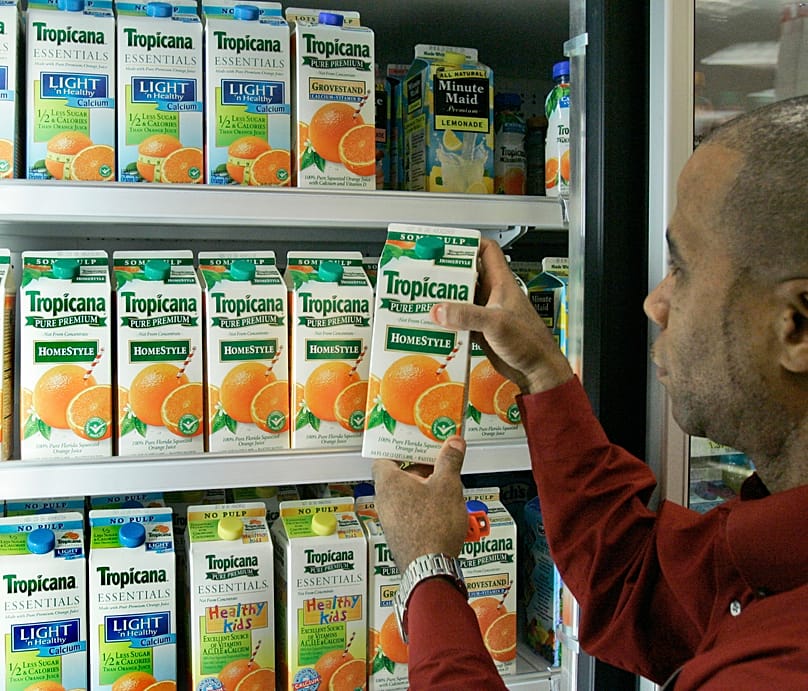
Genetic Insights and Nutritional Science are emerging as critical domains of investigation, exemplified by the University of Westminster's groundbreaking study on orange juice consumption. The research demonstrates how a daily 500ml intake of pure pasteurized orange juice can trigger profound genetic modifications in immune cells, specifically targeting genes related to inflammation, blood pressure, and metabolic processes. This represents more than a simple nutritional study—it signals a sophisticated understanding of how dietary interventions can potentially reprogram cellular mechanisms.
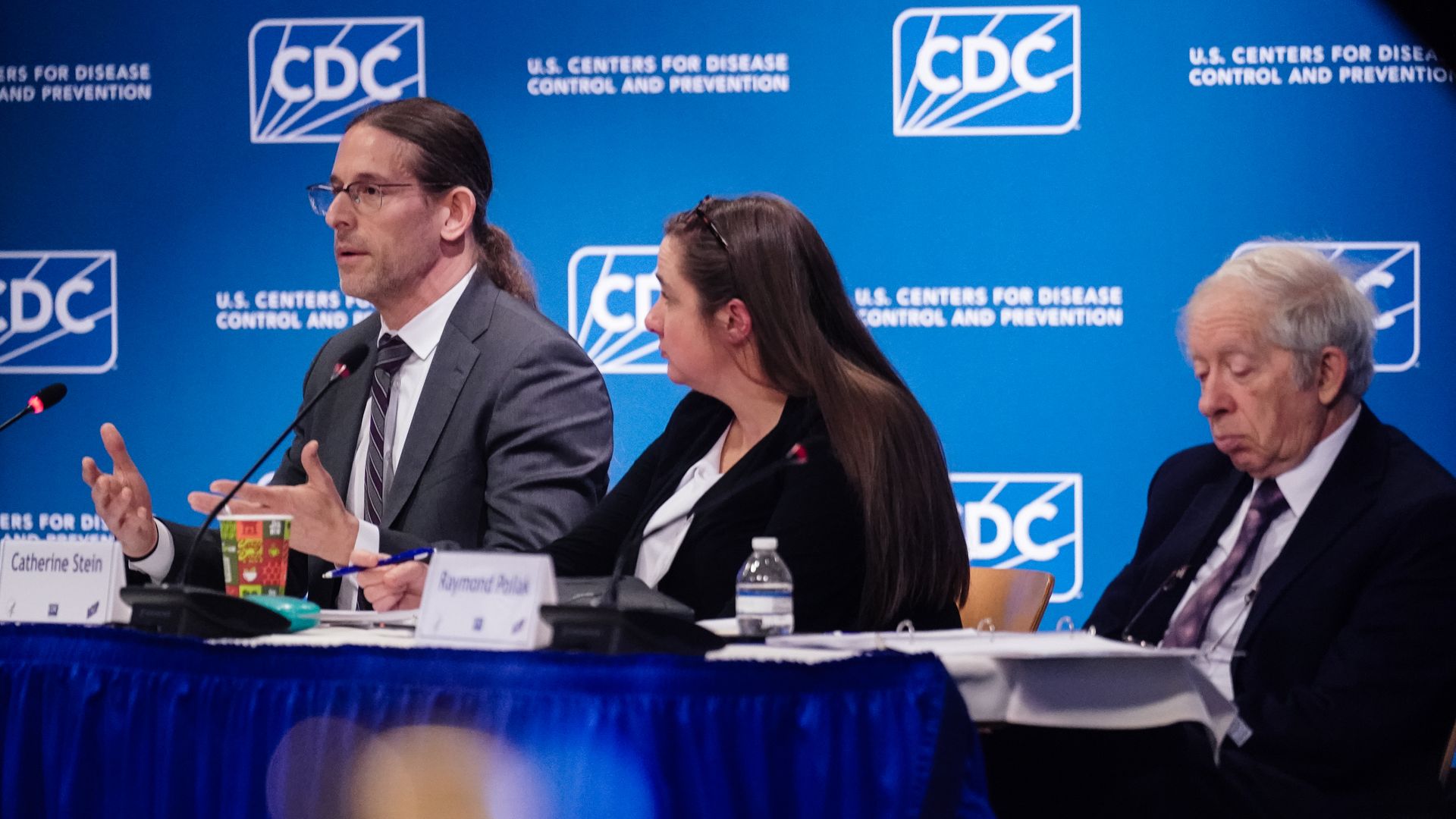
Regulatory Deliberation and Scientific Governance are simultaneously experiencing significant tension, as illustrated by the vaccine advisory panel's recent actions. The postponement of hepatitis B vaccine recommendation votes by both RFK Jr.'s panel and the CDC reveals a critical moment of institutional uncertainty. Public health experts are particularly concerned about potential disruptions to long-standing vaccination schedules that have historically been instrumental in reducing infectious disease transmission.
The underlying pattern suggests a broader trend: scientific knowledge is increasingly complex, requiring more nuanced, careful evaluation processes. The vaccine recommendation delays and the genetic research on orange juice both point to a growing recognition that health interventions cannot be approached through simplistic, linear models. Instead, they demand sophisticated, multidimensional analysis that considers genetic, immunological, and systemic interactions.
For stakeholders in health research and policy, these developments underscore the importance of adaptive decision-making frameworks. The ability to pause, reassess, and integrate emerging scientific insights becomes as crucial as the research itself. Organizations must cultivate flexibility, allowing for careful deliberation without compromising public health objectives.
Strategic implications are clear: invest in interdisciplinary research, maintain rigorous yet adaptable regulatory processes, and continuously update scientific understanding based on emerging evidence. The future of health science lies not in rigid protocols, but in dynamic, responsive approaches that can rapidly incorporate new genetic, nutritional, and immunological insights.
Questions 3
Why are vaccine recommendation panels delaying their votes?
The delays reflect the complex landscape of public health decision-making, where scientific uncertainty, potential policy implications, and broader societal impacts must be carefully weighed. Panels are likely seeking additional data or clarification to ensure recommendations are based on the most comprehensive and current scientific understanding.
How do genetic studies like the orange juice research impact future health recommendations?
Such studies provide granular insights into how specific dietary interventions can modify cellular mechanisms, potentially leading to more personalized, precision nutrition guidelines. By demonstrating genetic changes in immune cells, researchers open pathways for targeted nutritional strategies that go beyond traditional dietary advice.