

SpaceX-Tesla-xAI Merger Signals AI Infrastructure Boom | E-Commerce Logistics Opportunity
- Vertical integration strategy creates $2B+ AI infrastructure market; sellers can leverage satellite internet, orbital data centers, and Optimus automation for supply chain optimization by 2025-2026














Overview
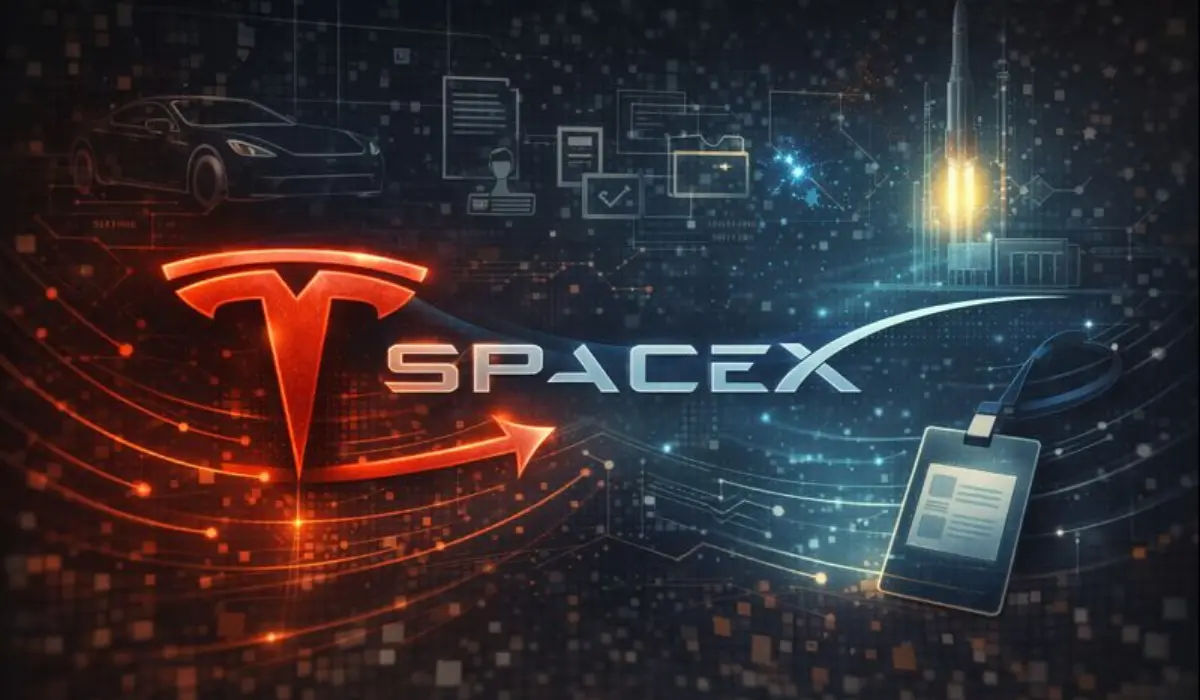
The reported merger discussions between SpaceX, Tesla, and xAI represent a critical inflection point for e-commerce infrastructure and seller logistics optimization. While the news focuses on Musk's corporate consolidation strategy, the underlying technology convergence—combining satellite launch capabilities, AI infrastructure, energy storage, and social media platforms—directly impacts how sellers will manage inventory, fulfill orders, and compete globally over the next 18-36 months.
AI Infrastructure as Competitive Moat: The proposed SpaceX-xAI orbital data center initiative, powered by Tesla's energy storage and potentially supported by xAI's computational capabilities, signals a fundamental shift in how AI-driven e-commerce operations will function. Sellers currently relying on cloud infrastructure (AWS, Google Cloud, Azure) face potential disruption as alternative satellite-based, decentralized computing becomes viable. This $2B+ infrastructure investment creates opportunities for sellers to access lower-latency AI services for real-time pricing optimization, demand forecasting, and inventory management—capabilities that currently cost $500-2,000/month for mid-sized sellers.
Satellite Internet for Last-Mile Logistics: SpaceX's Starlink integration with Tesla's logistics network could revolutionize rural and international fulfillment. Sellers currently struggle with delivery costs to remote areas (30-50% premium over urban shipping). Satellite-based tracking and IoT connectivity could reduce these premiums by 15-25% while enabling real-time shipment visibility. The $2B Tesla investment in xAI suggests Musk is prioritizing AI-powered logistics optimization—directly applicable to seller fulfillment networks.
Optimus Robots and Warehouse Automation: Tesla's Optimus deployment for "Mars terraforming operations" masks a more immediate commercial application: warehouse automation. Sellers managing 3PL operations or considering in-house fulfillment face labor costs of $18-28/hour. Optimus robots, if commercialized at scale, could reduce fulfillment costs by 20-35% within 3-5 years. The merger timing—coinciding with SpaceX's IPO preparation—suggests these technologies are approaching commercialization readiness.
Regulatory and Market Timing Risks: The news emphasizes that merger discussions could "substantially delay" SpaceX's IPO, indicating either speculative positioning or genuine concerns about standalone viability. For sellers, this creates uncertainty: if the merger proceeds, satellite-based logistics infrastructure could accelerate 12-18 months faster than standalone SpaceX development. If it doesn't, sellers should expect traditional cloud and logistics providers to maintain pricing power through 2026.
Immediate Seller Implications: The vertical integration strategy reveals Musk's bet that controlling entire value chains—from satellite launch to AI computation to last-mile delivery—creates defensible competitive advantages. Sellers should monitor: (1) Starlink commercial availability for warehouse IoT, (2) xAI API pricing for demand forecasting, (3) Optimus commercialization timelines for fulfillment automation, and (4) potential Twitter/X integration with seller marketing tools.
Questions 8
How could Twitter/X integration with seller marketing tools create new advertising opportunities?
The merger discussion mentions xAI's social media business (formerly Twitter) stabilizing SpaceX revenue. For sellers, this suggests potential integration between X's advertising platform and AI-powered seller tools. Current seller PPC campaigns on Amazon/Shopify lack real-time social sentiment analysis. X integration with xAI could enable: (1) sentiment-driven dynamic pricing, (2) trend-based inventory allocation, (3) influencer-matched product recommendations. Sellers should monitor X API announcements and consider pilot campaigns linking product launches to trending topics, potentially increasing conversion rates by 8-15% through AI-optimized timing.
What risks should sellers monitor regarding SpaceX IPO delays and merger uncertainty?
The news indicates merger discussions could 'substantially delay' SpaceX's IPO, suggesting either speculative positioning or concerns about standalone viability. For sellers, this creates two scenarios: (1) Merger proceeds—satellite logistics accelerate 12-18 months faster; (2) Merger fails—traditional cloud/logistics providers maintain pricing power through 2026. Sellers should hedge by: monitoring SpaceX IPO announcements (indicates merger unlikely), testing Starlink beta programs (reduces switching costs), and maintaining relationships with AWS/Azure (backup if merger stalls). Track quarterly updates on merger status through Axios/Bloomberg reporting.