
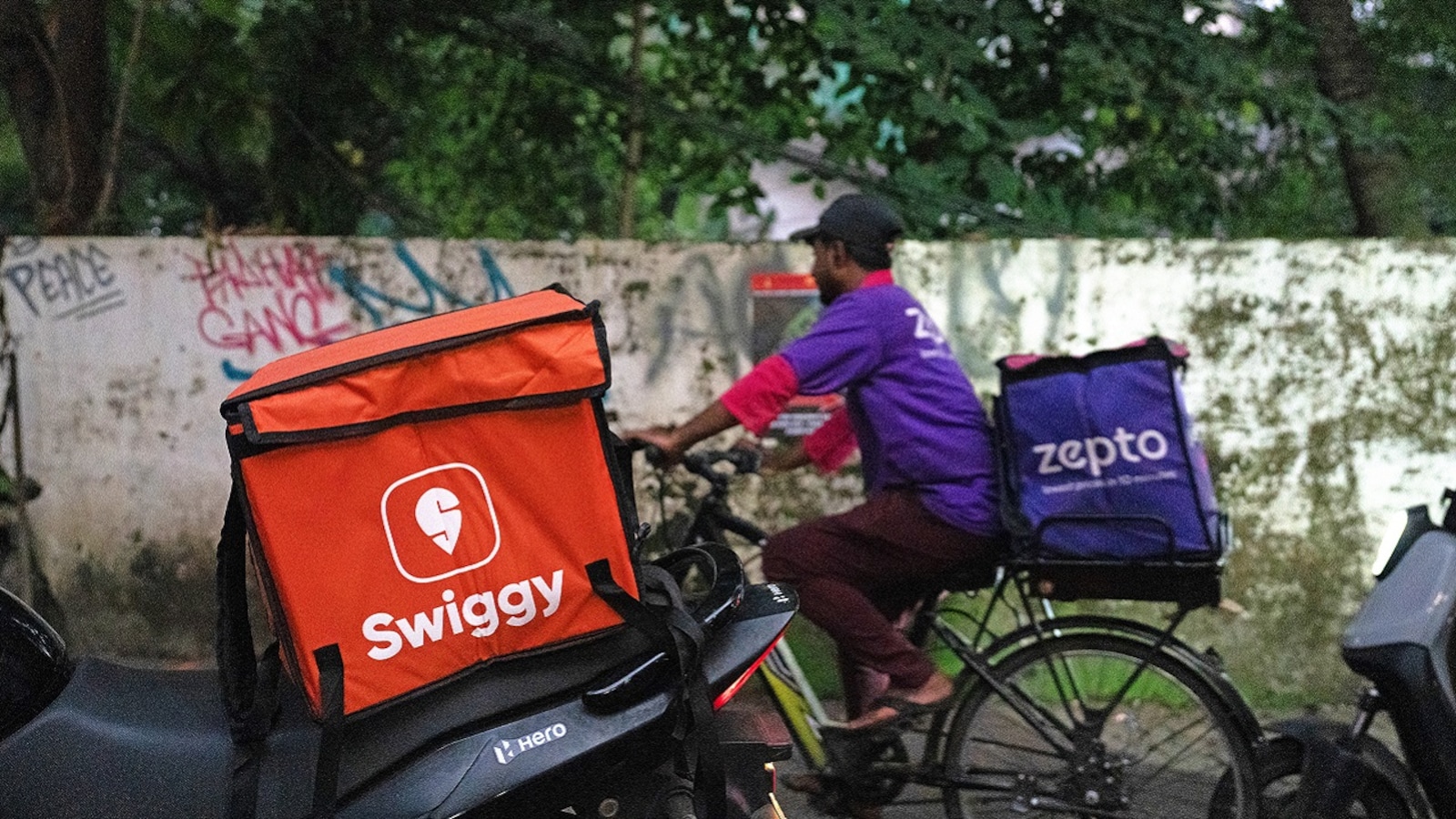
Gig Worker Revolt Exposes Critical Vulnerabilities in Digital Platforms
- Nationwide strike signals emerging power dynamics in India's digital labor ecosystem
Overview
The coordinated nationwide strike by gig workers in India reveals a critical inflection point for digital platforms, exposing deep structural tensions in the rapidly evolving digital labor market. At the core of this disruption is a fundamental challenge to the algorithmic management and economic model that has defined quick commerce and delivery platforms over the past decade.
Platforms like Swiggy, Zomato, Amazon, and Flipkart are confronting an unprecedented workforce rebellion that goes beyond traditional labor disputes. The strike, targeting major metropolitan and tier-2 cities during peak delivery periods, represents a strategic escalation by workers demanding fundamental reforms in their working conditions. Key demands include transparent pay structures, withdrawal of ultra-fast delivery models, and protection against arbitrary account suspensions—effectively challenging the core operational logic of these digital platforms.
The government's recent Code on Social Security marks a pivotal regulatory intervention, requiring platforms to contribute 1-2% of annual turnover to a dedicated Social Security Fund. This signals a significant shift from viewing gig workers as disposable resources to recognizing them as critical economic participants. For platform operators, this means reimagining worker engagement models, moving beyond pure algorithmic optimization toward more sustainable and human-centric approaches.
The implications extend far beyond India's market. This strike represents a global trend of platform workers organizing to challenge the extractive economic models that have dominated the gig economy. Platforms must now navigate a complex landscape where technological efficiency must be balanced with worker welfare, social security, and meaningful economic participation. The most adaptive platforms will be those that can transform these challenges into opportunities for more resilient and equitable digital labor ecosystems.
Questions 3
How does the new Social Security Code impact digital platforms?
The Code requires platforms to contribute 1-2% of annual turnover to a Social Security Fund, marking a significant regulatory shift. This mandates platforms to formally recognize and provide social security benefits to gig workers, potentially increasing operational costs but also creating a more sustainable labor ecosystem.
What are the key demands of the gig workers in this strike?
Workers are demanding transparent pay structures, withdrawal of ultra-fast delivery models, end to arbitrary account suspensions, improved safety gear, and mandatory rest breaks. The strike also challenges the current algorithmic management approach that prioritizes efficiency over worker welfare.