
Regulatory Landmines: How Product Safety Recalls Reshape Global Supply Chains
- Emerging compliance challenges expose critical vulnerabilities in cross-border health supplement markets
Overview
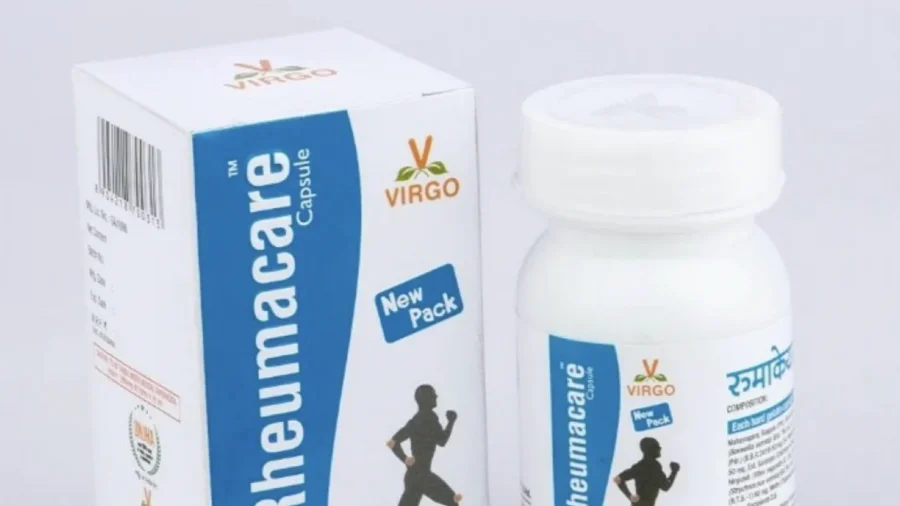
The Rheumacare Capsules recall represents a pivotal moment in regulatory compliance, revealing the razor-thin margins between market access and catastrophic product failure. With lead contamination reaching 11,100 parts per billion—dramatically exceeding safety standards—this incident exposes the profound risks lurking in global supply chains, particularly for cross-border e-commerce platforms.
Compliance is no longer a bureaucratic checkbox but a strategic imperative. The FDA's decisive action against Handelnine Global Limited signals an intensifying regulatory environment where international manufacturers face unprecedented scrutiny. For health supplement distributors, this means implementing multilayered quality control mechanisms that go far beyond traditional testing protocols. The economic stakes are clear: a single contamination incident can instantly obliterate market credibility and trigger nationwide recalls.
The strategic implications extend beyond this specific case. Cross-border health product sellers must now view compliance as a core competitive advantage, not a peripheral concern. This requires developing robust supply chain verification systems that can trace product origins, validate manufacturing standards, and provide real-time quality assurance. The most successful players will be those who can transform compliance from a potential liability into a demonstrable trust signal for consumers.
Critically, the recall underscores the asymmetric risks of international product distribution. Manufacturers in countries with less stringent regulatory frameworks face exponentially higher market entry barriers. For e-commerce platforms, this means dramatically increasing due diligence, potentially requiring pre-market certification, comprehensive documentation, and ongoing quality monitoring. The era of passive marketplace facilitation is definitively over.
Questions 3
What specific compliance risks do cross-border health supplement sellers face?
Cross-border health supplement sellers face multiple compliance risks including product contamination, inconsistent manufacturing standards, inadequate testing protocols, and potential regulatory actions. The Rheumacare recall demonstrates how lead contamination can trigger immediate nationwide product removal, with potential legal and financial consequences.
How can companies improve their supply chain verification processes?
Companies can enhance supply chain verification by implementing comprehensive testing at multiple stages, maintaining detailed documentation, conducting regular third-party audits, establishing clear manufacturing standards, and creating transparent traceability mechanisms for all product ingredients and production processes.