



Borderland Violence Exposes Critical Security Vulnerabilities in South African Frontier Regions
- Migrant Networks and Illegal Mining Fuel Escalating Cross-Border Criminal Dynamics






Overview
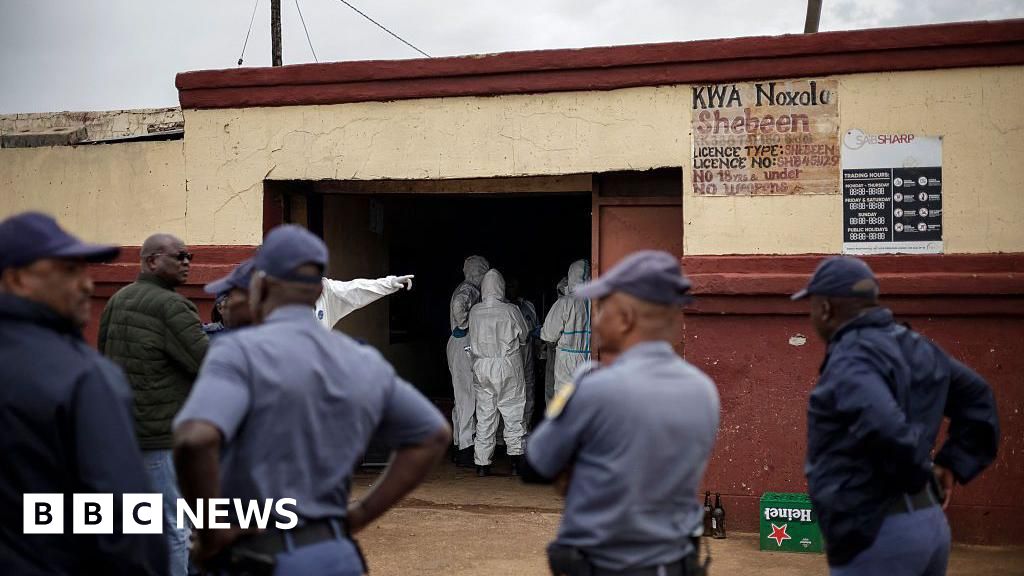
The recent mass shooting in Bekkersdal reveals a critical inflection point in South African regional security, where complex migration patterns and illegal economic networks are transforming frontier zones into high-risk operational environments. With eleven suspects arrested - predominantly from Lesotho and Mozambique - the incident exposes a sophisticated criminal ecosystem that transcends traditional national boundaries.
Structural vulnerabilities are emerging as the primary risk multiplier. The shooting occurred in a region characterized by unregulated mining operations and illegal firearm proliferation, where migrant labor networks create permeable security landscapes. The arrested suspects, including nine Lesotho citizens and one Mozambican national, represent a transnational criminal dynamic increasingly challenging state control mechanisms.
The data points are particularly revealing: South Africa experienced nearly 26,000 homicides in 2024, with firearms as the primary cause of death. An estimated 6 million licensed and unlicensed weapons circulate within the country, creating an environment where violent confrontations can rapidly escalate. The Bekkersdal incident - involving multiple gunmen in a minibus targeting a local tavern - demonstrates how these structural weaknesses manifest in real-world violence.
For cross-border businesses and investors, these developments signal a critical need to reimagine risk assessment strategies. The traditional compliance frameworks are being overwhelmed by interprovincial criminal networks that exploit regulatory gaps. The simultaneous arrest of a mine employee for harboring undocumented tenants and the tavern owner's fraud charges underscore the systemic nature of these challenges.
The emerging operational imperative is clear: businesses must develop hyper-local risk intelligence that goes beyond conventional security protocols. This means understanding migration patterns, mapping informal economic networks, and developing adaptive compliance strategies that can navigate these complex frontier zones.
Questions 3
How do migration patterns contribute to regional security challenges?
Migrant labor networks, particularly from Lesotho and Mozambique, create fluid criminal ecosystems that exploit regulatory gaps. These networks facilitate illegal economic activities, weapons trafficking, and territorial disputes that overwhelm conventional law enforcement approaches.
What makes the Bekkersdal region a high-risk operational environment?
The region combines multiple risk factors: unregulated mining operations, illegal firearm proliferation, complex migration networks, and weak local governance. The presence of 'zama-zama' illegal miners and transnational criminal groups creates an unpredictable security landscape that traditional compliance frameworks struggle to address.