


)

Bangladesh's Political Earthquake: Tarique Rahman's Return Reshapes Regional Power Dynamics
- Dramatic Political Transition Signals Massive Regulatory and Market Transformation for International Stakeholders







)







)







Overview
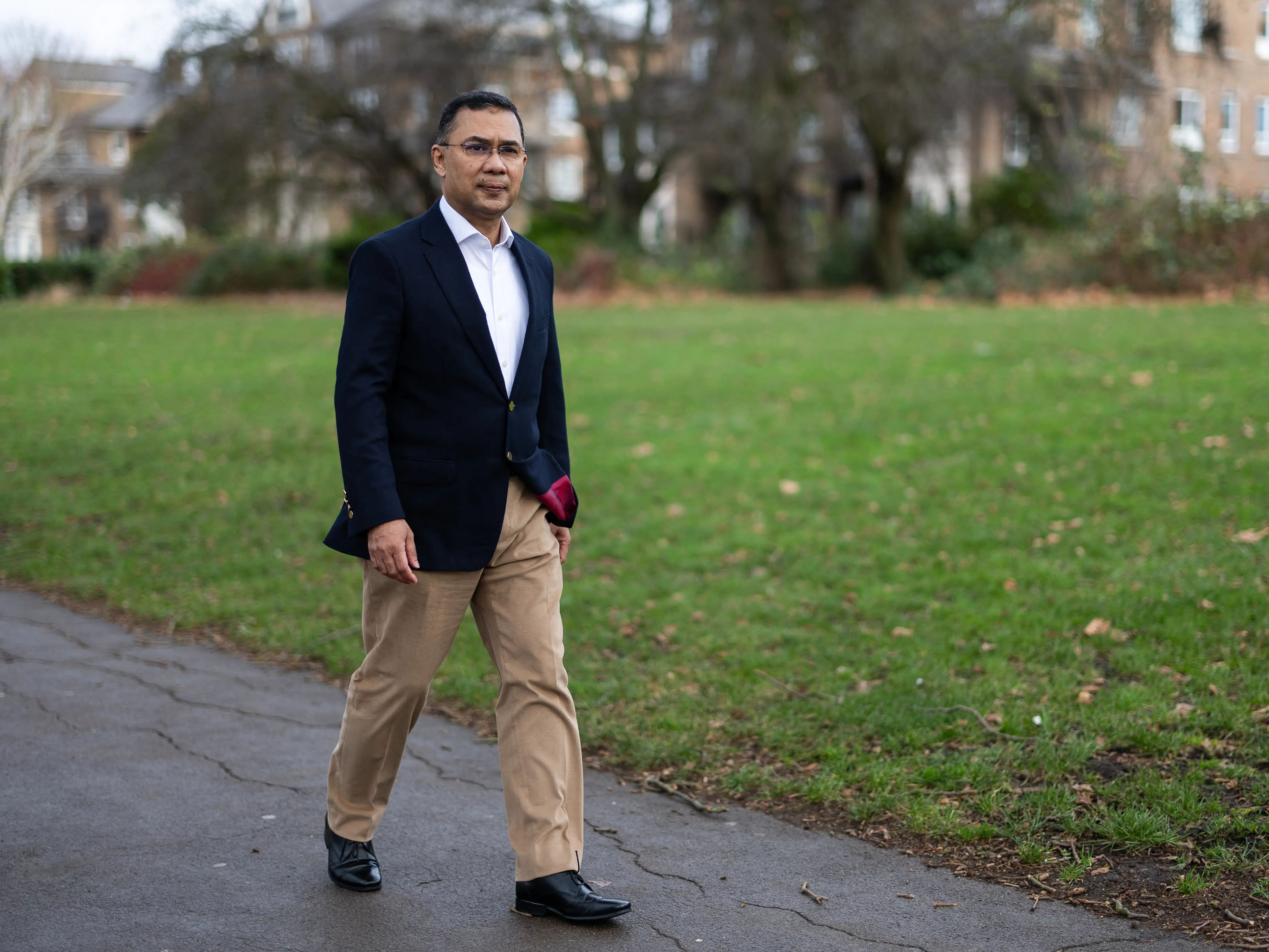
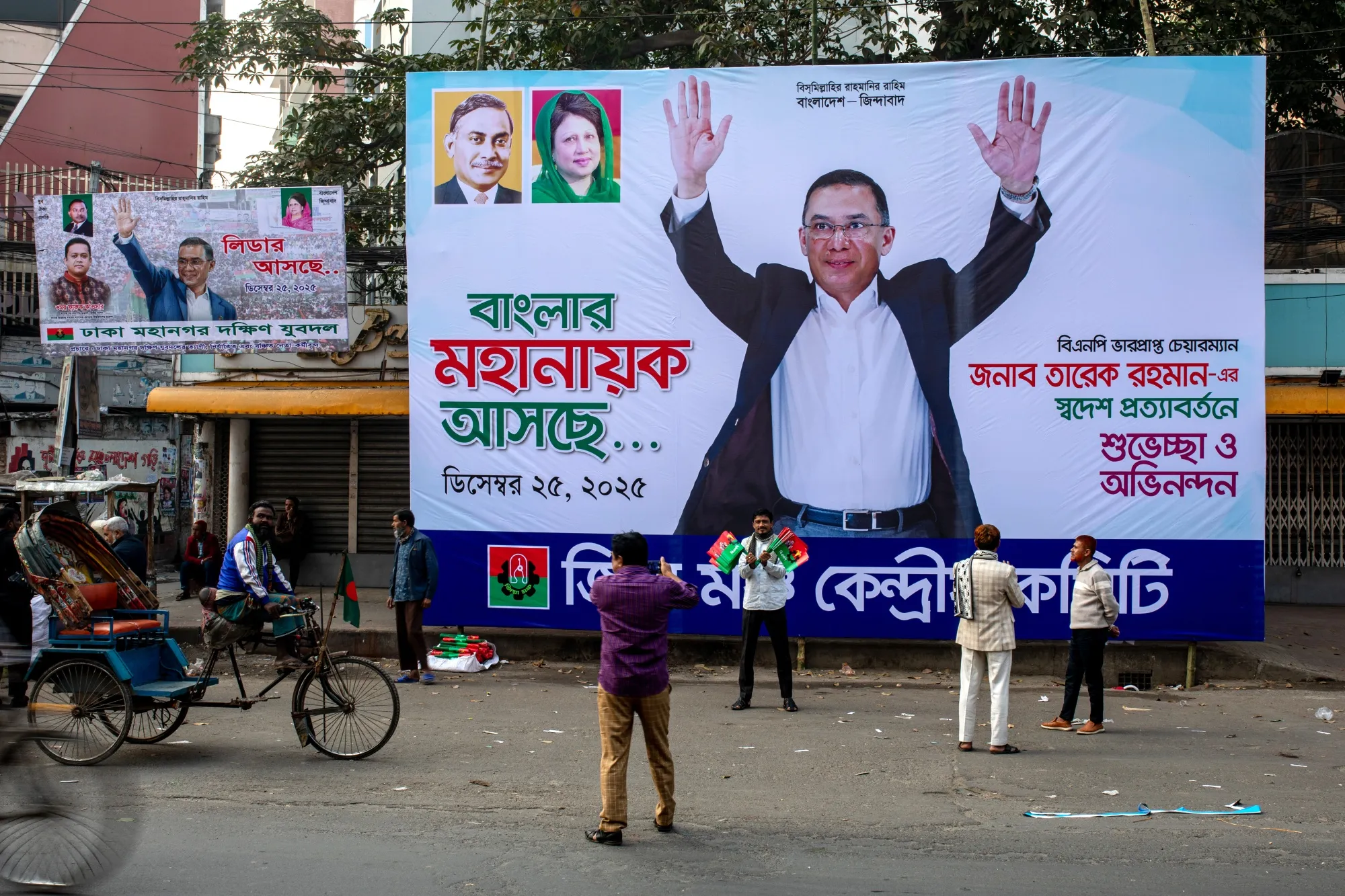
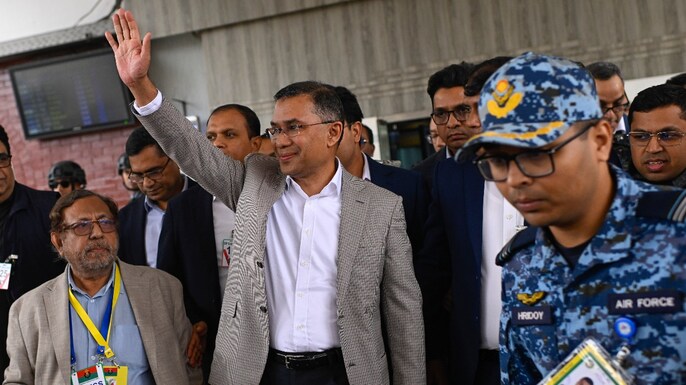
Bangladesh stands at a critical geopolitical inflection point with Tarique Rahman's dramatic return from 17 years of exile, signaling a profound restructuring of the nation's political landscape that carries deep implications for regional stability, economic policy, and international market engagement.
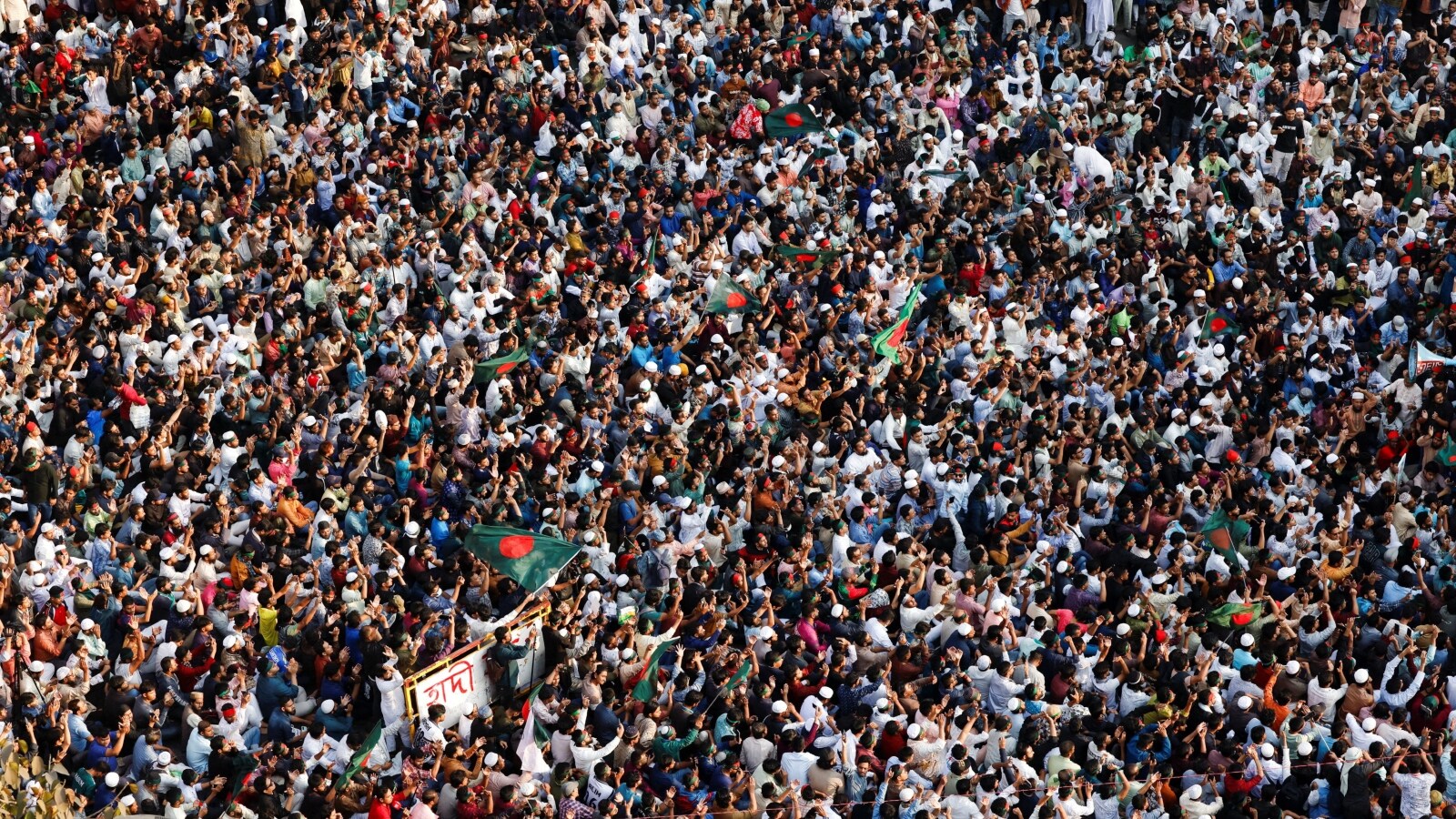
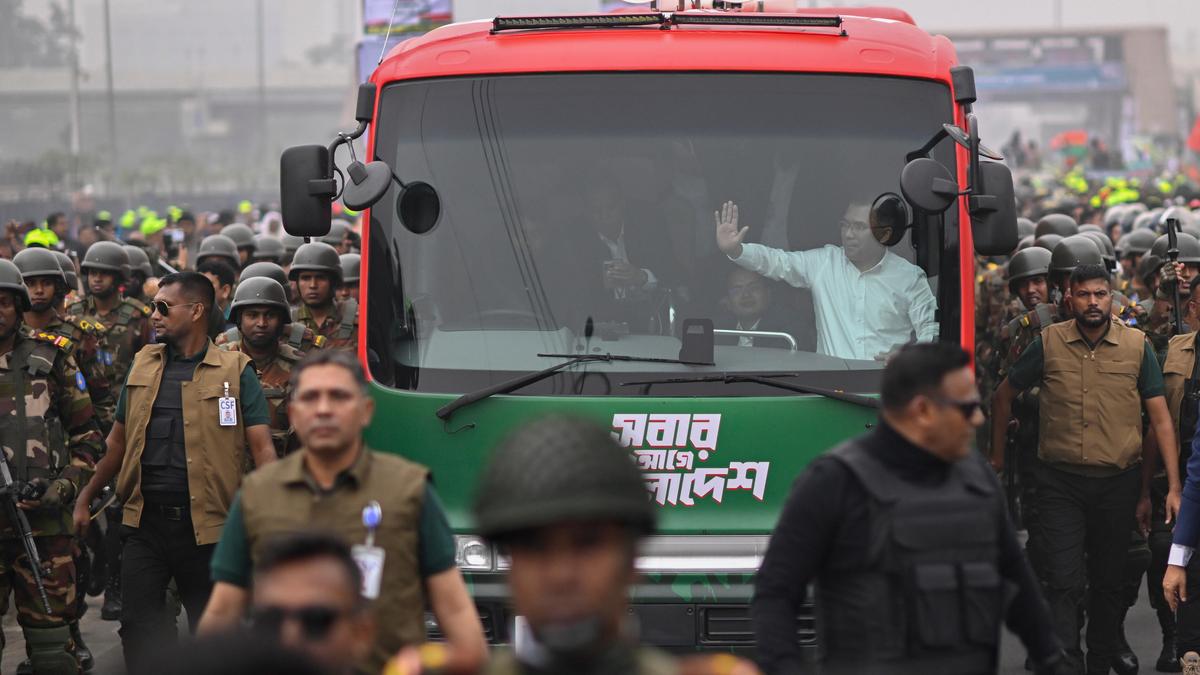
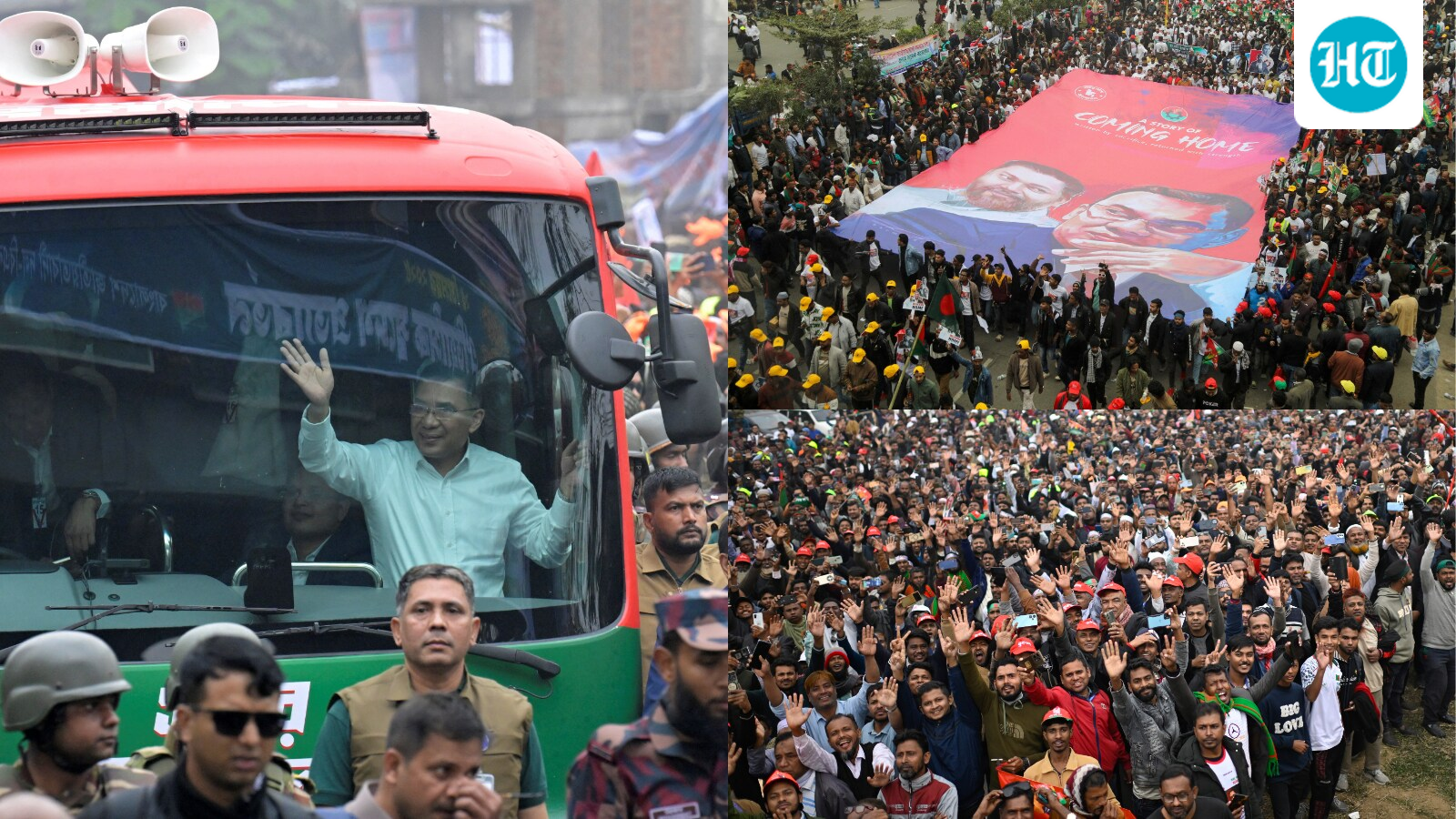
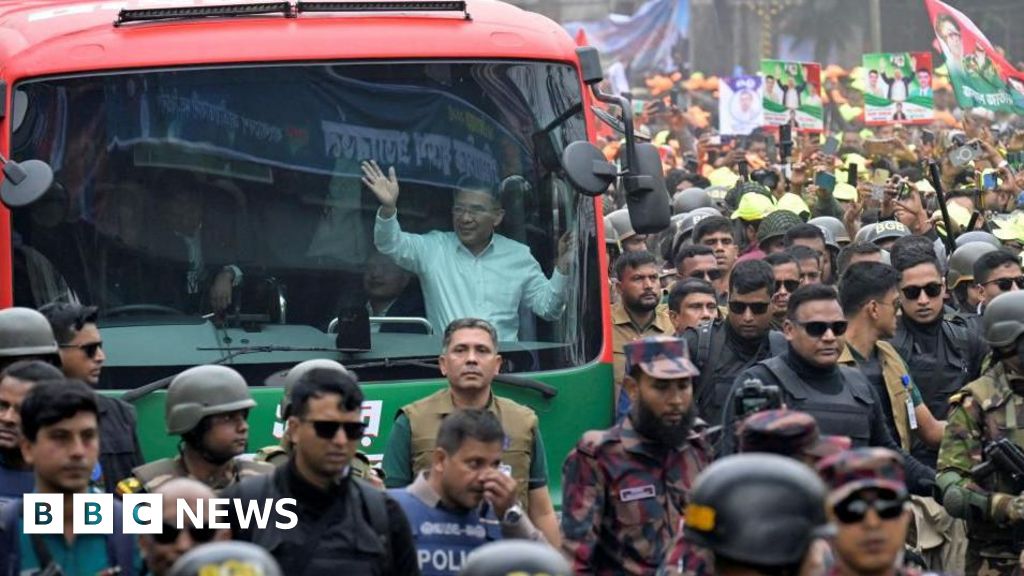
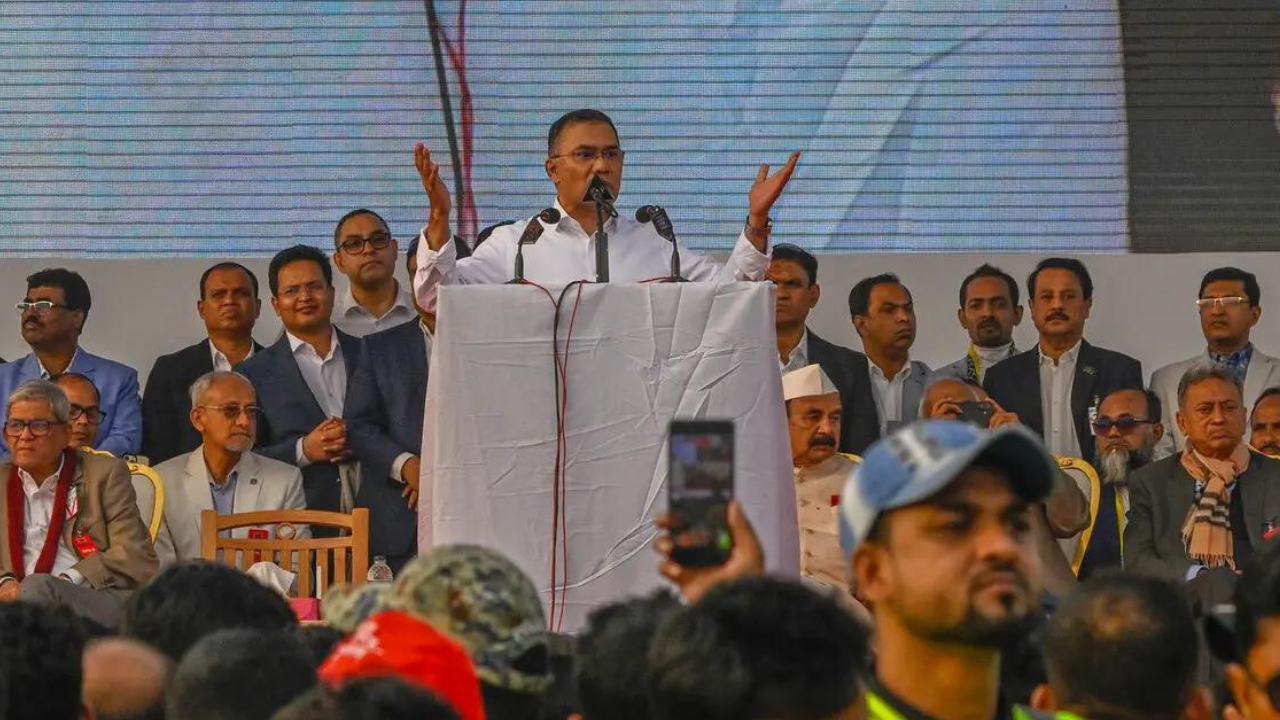
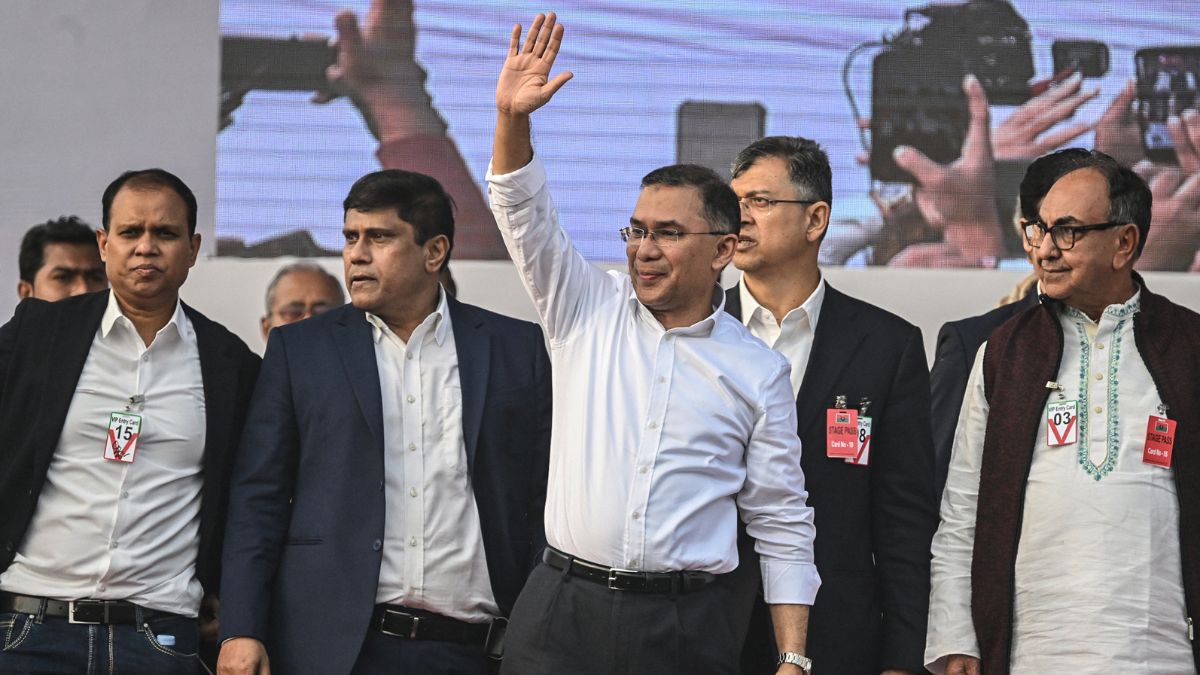
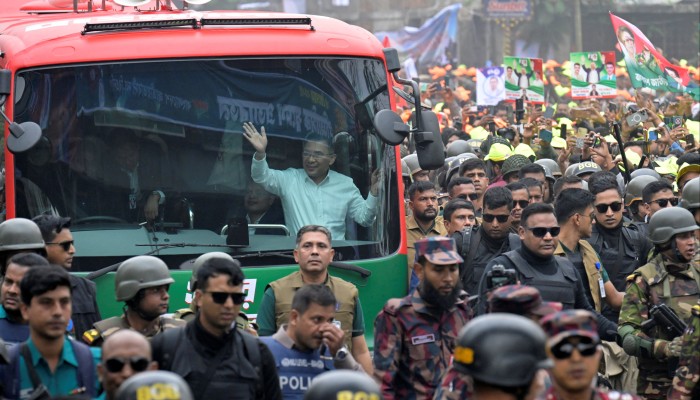
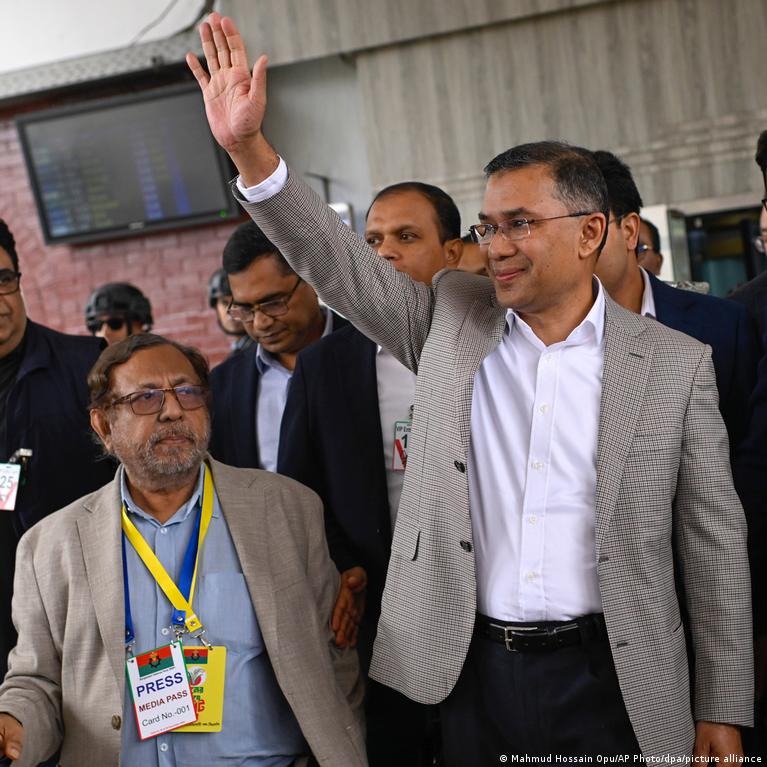
The political transformation unfolding is unprecedented in Bangladesh's modern history. Rahman's return, supported by an estimated 50 lakh (5 million) supporters, represents more than a personal comeback—it symbolizes a systemic reset triggered by a student-led uprising that dramatically ousted long-time Prime Minister Sheikh Hasina. The February 12, 2025 elections will be a watershed moment, potentially introducing substantial economic and regulatory reforms that could fundamentally alter Bangladesh's investment and trade environment.
For international businesses and cross-border traders, this political recalibration presents both significant risks and strategic opportunities. The BNP's emerging secular, centrist positioning suggests a potential pivot away from previous regulatory frameworks. Specifically, businesses should anticipate:
- Potential regulatory harmonization with international standards
- Possible market access liberalization
- Increased transparency in trade and investment policies
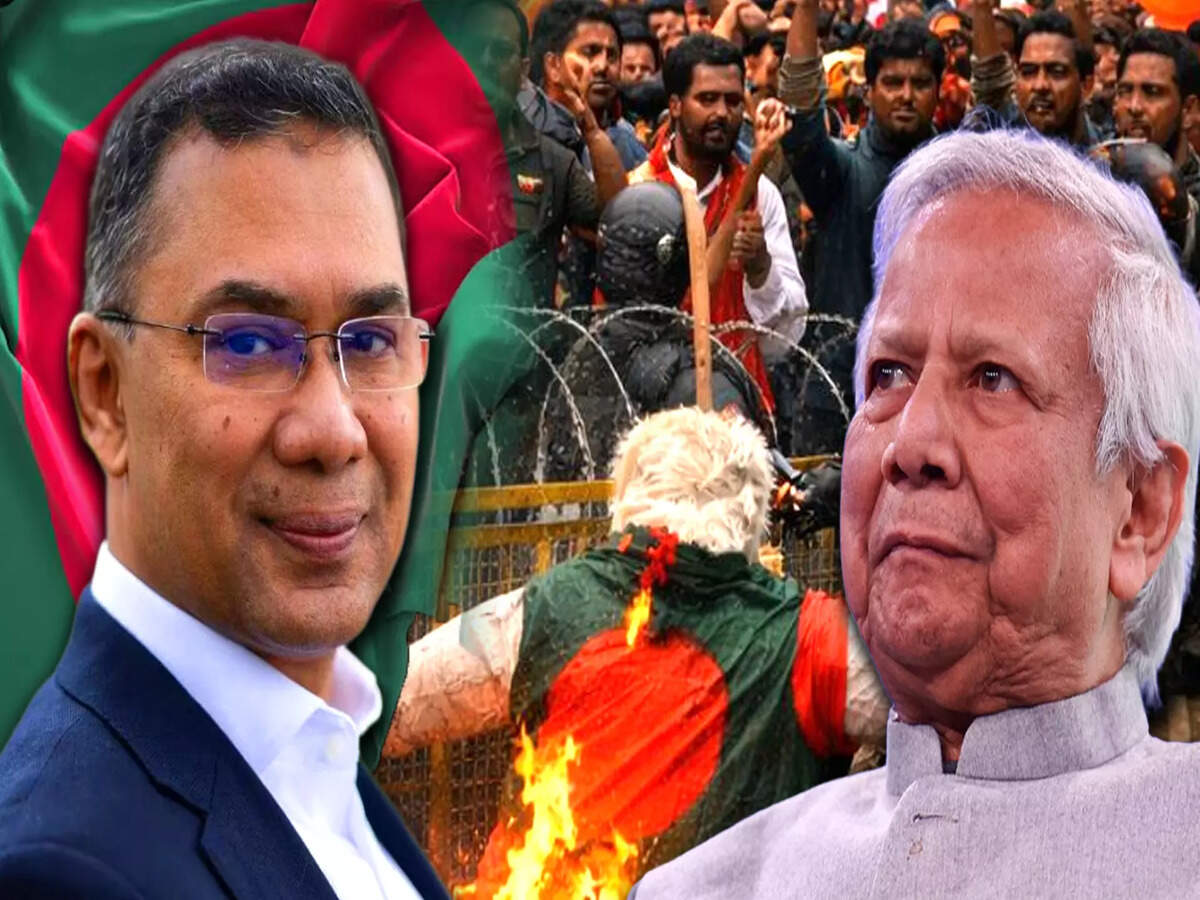
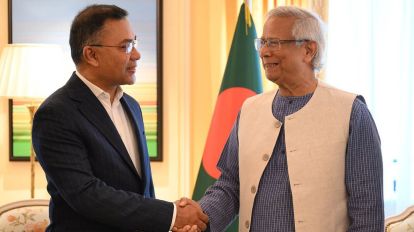
The interim government led by Nobel laureate Muhammad Yunus further signals a technocratic approach, which could translate into more predictable and innovation-friendly economic governance. Rahman's bulletproof arrival and massive public support indicate a strong mandate for transformative change, making this a critical moment for strategic market repositioning.
Critically, the upcoming elections represent more than a simple power transfer—they symbolize a potential structural reset of Bangladesh's long-standing dynastical political model. International stakeholders must view this not as a temporary disruption, but as a fundamental realignment of political and economic architectures in one of South Asia's most strategically important emerging markets.
Questions 3
What are the potential market implications of Tarique Rahman's return for international businesses?
Rahman's return signals potential regulatory reforms and market access changes. Businesses should anticipate a more secular, centrist approach that could lead to increased transparency, potential trade policy liberalization, and more predictable investment environments. The upcoming elections represent a critical window for strategic market repositioning.
What makes the February 2025 elections so consequential?
These elections represent a systemic reset following the student-led uprising that ousted Sheikh Hasina. They mark a potential end to the decades-long dynastical political model, with the possibility of introducing substantial economic and regulatory reforms that could fundamentally reshape Bangladesh's political and economic landscape.