


)

Gaza's Geopolitical Tightrope: Israel's Strategic Settlements Gambit Reshapes Regional Dynamics
- Escalating Territorial Tensions Create Unprecedented Uncertainty for International Business Strategies






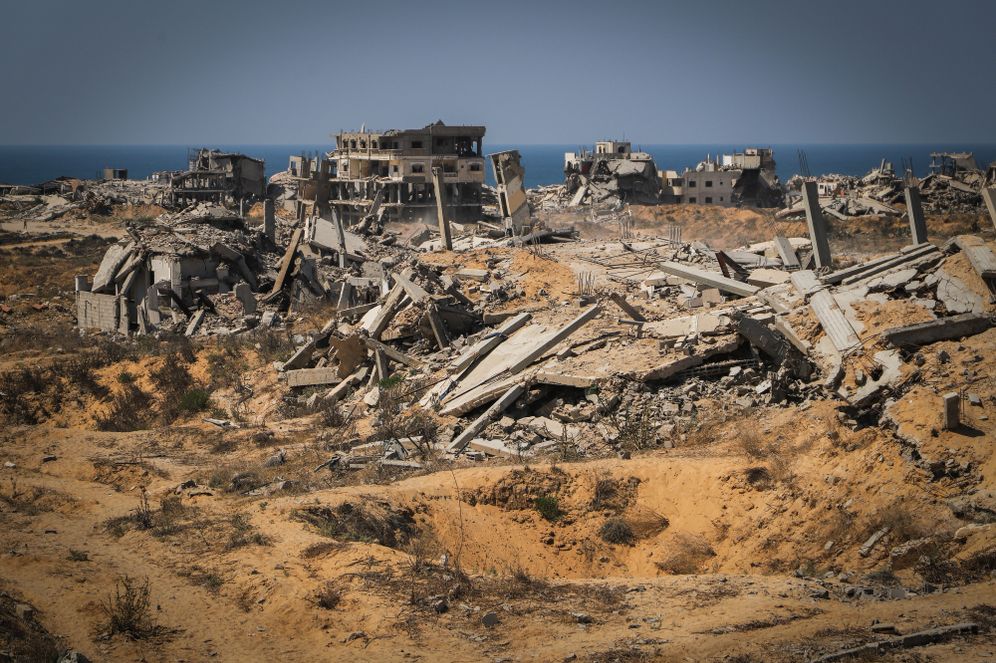












Overview
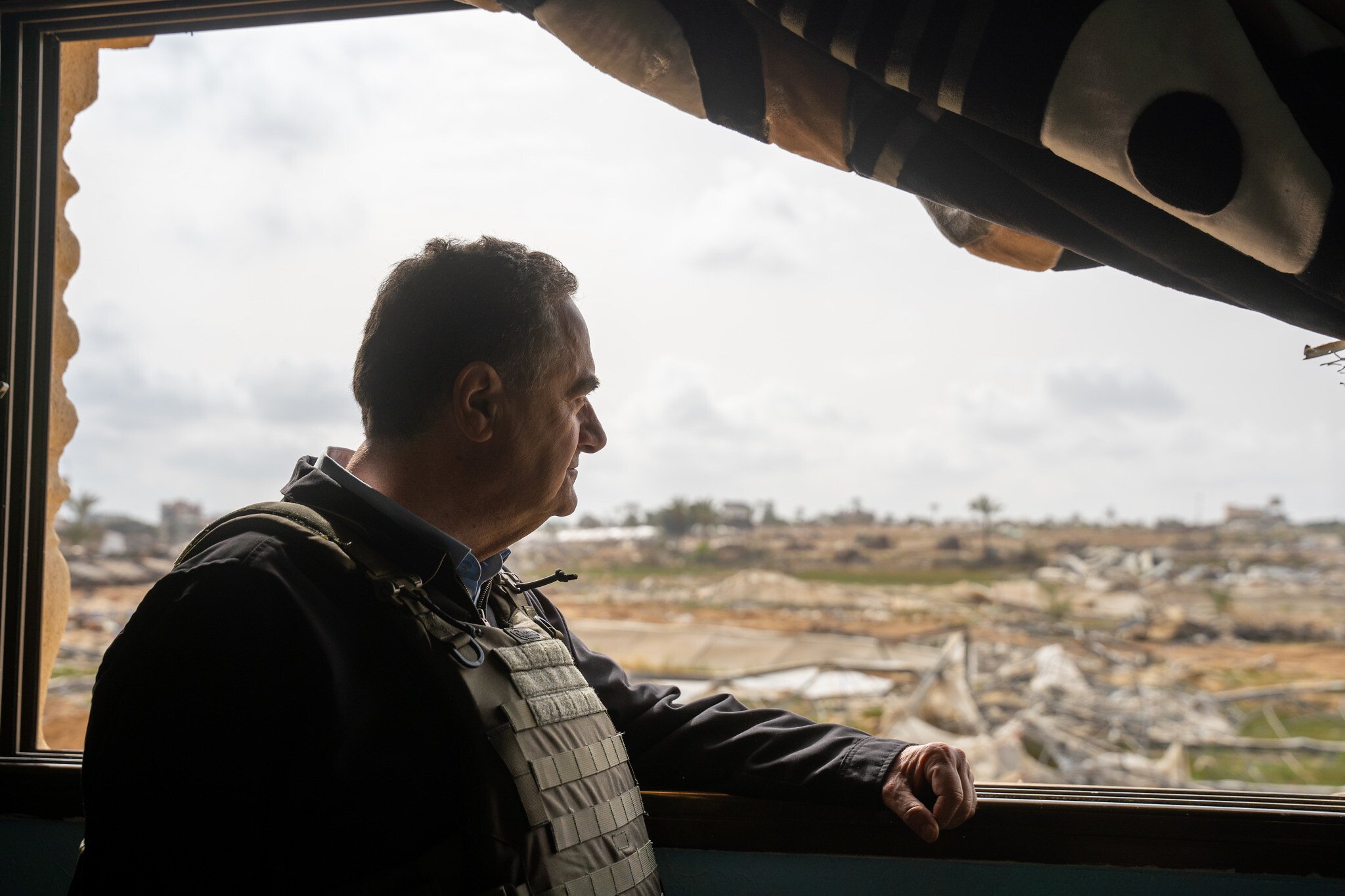
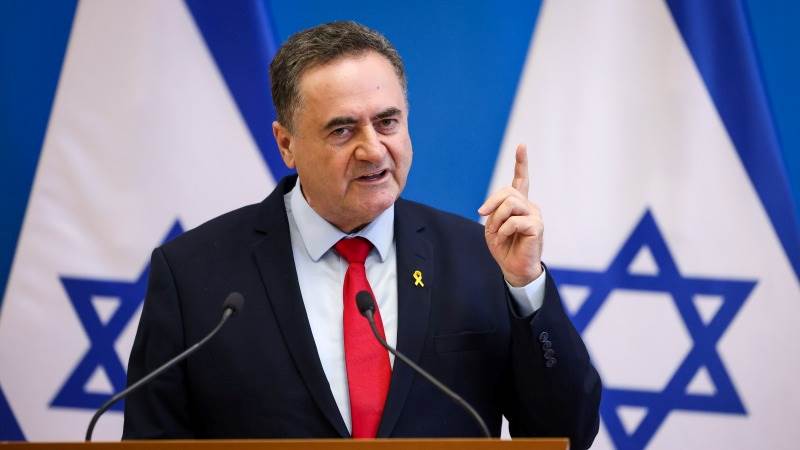
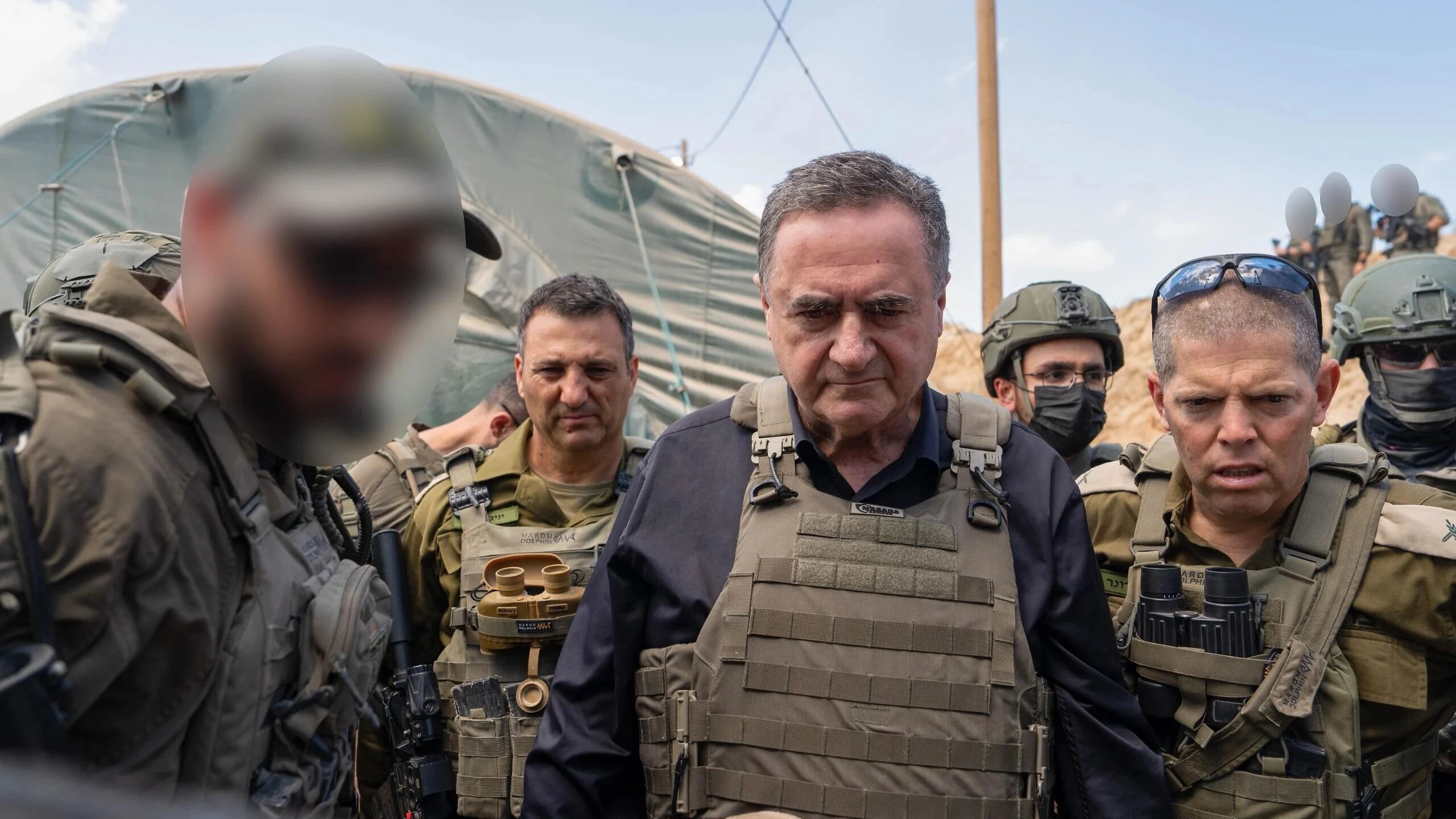
The recent statements by Israeli Defense Minister Israel Katz reveal a complex and volatile geopolitical landscape that signals profound implications for regional stability and international business operations. Contradictory policy signals from Israeli leadership expose a strategic uncertainty that could dramatically reshape Middle Eastern geopolitical and economic dynamics.
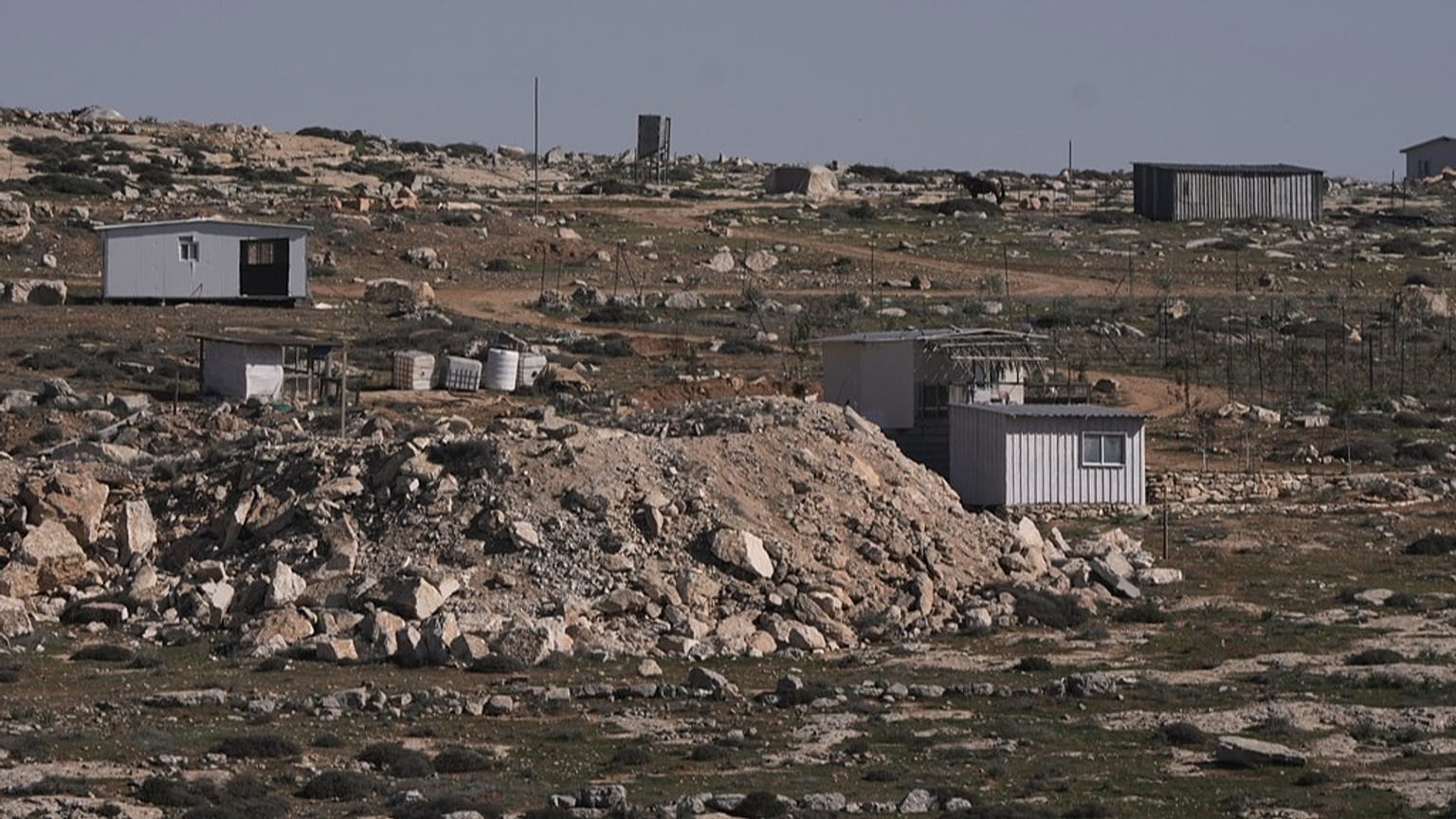
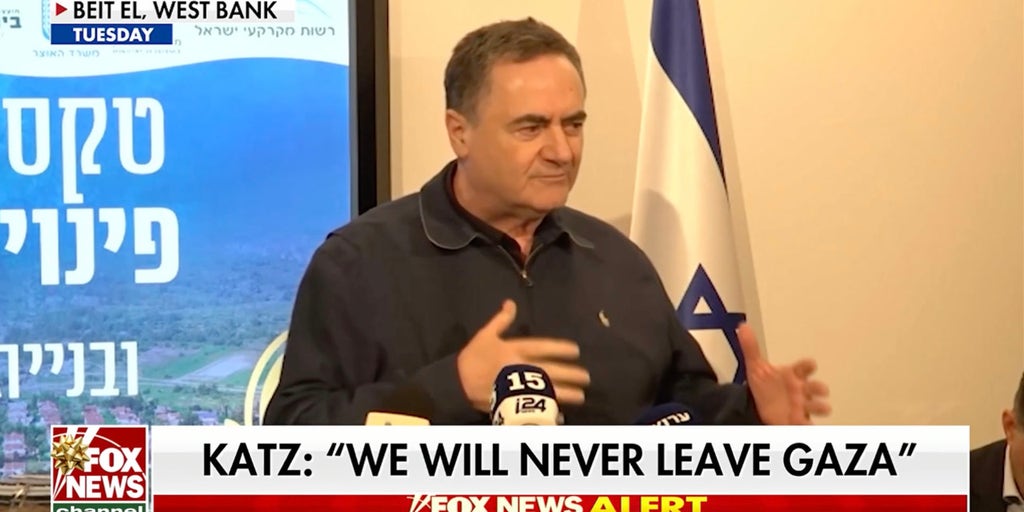
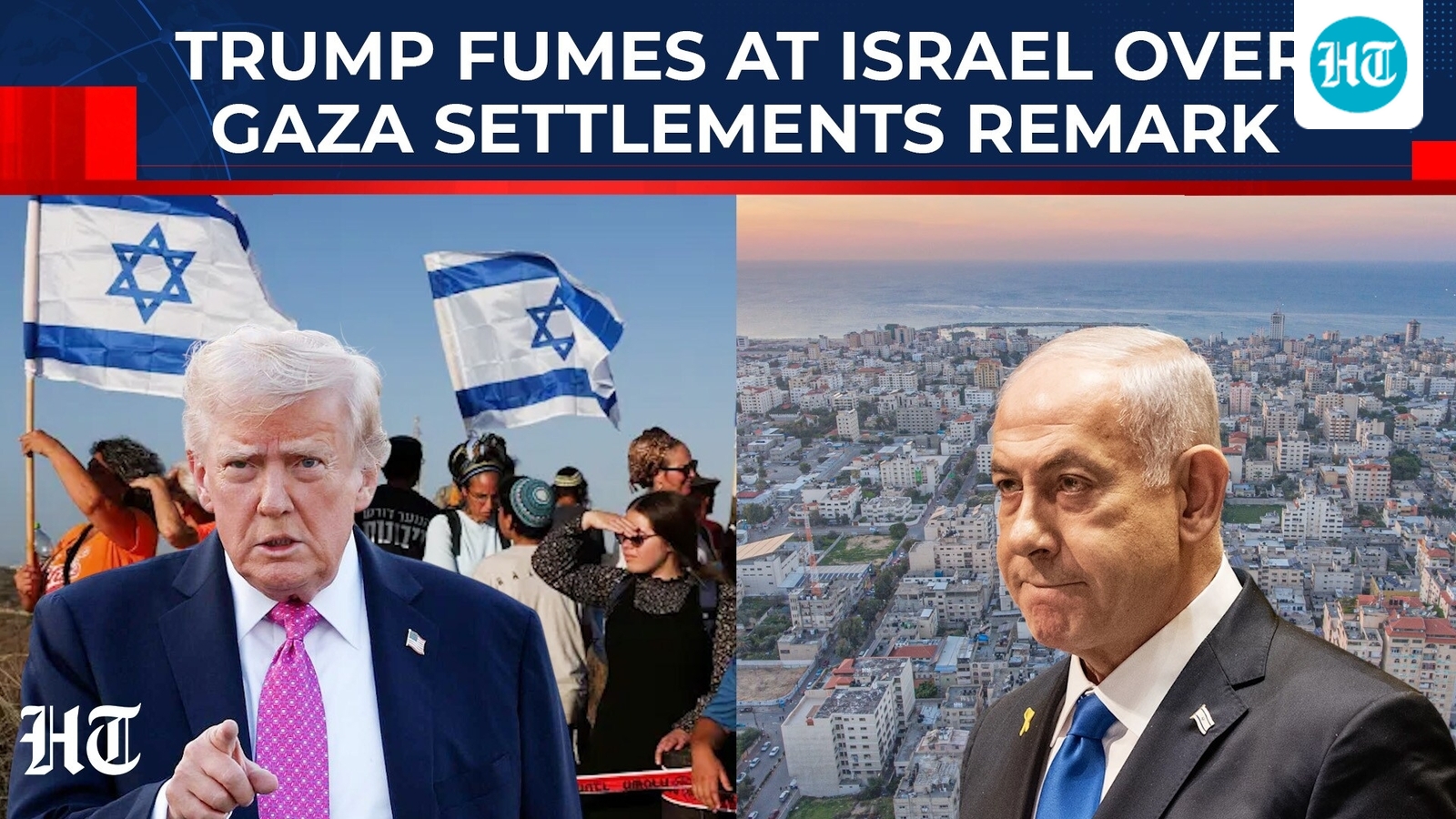
Territorial Ambiguity as a Strategic Lever: Katz's oscillating statements about Gaza settlements—initially suggesting permanent presence, then partially walking back those claims—demonstrate a deliberate strategy of maintaining geopolitical flexibility. By creating uncertainty, Israel potentially preserves negotiating leverage while keeping regional actors off-balance. For international businesses, this translates into a high-risk environment where traditional risk assessment models become increasingly inadequate.
The geopolitical uncertainty manifests through three critical dimensions. First, the defense minister's remarks about remaining "deep inside Gaza" contradict previous U.S.-backed peace negotiations, suggesting a more aggressive territorial approach. Second, the lack of clear confirmation from the Prime Minister's office indicates internal governmental disagreement, further complicating the strategic landscape. Third, these statements emerge against a backdrop of ongoing military conflicts and diplomatic tensions, creating a multi-layered complexity that extends far beyond simple territorial disputes.
For cross-border businesses and international investors, these developments demand a radical reimagining of risk management strategies. The traditional paradigms of political risk assessment—which typically rely on predictable policy trajectories—are being fundamentally challenged. Companies must now develop more adaptive, scenario-based approaches that can rapidly recalibrate based on nuanced policy signals.
The implications extend beyond immediate territorial concerns. Supply chain resilience, market entry strategies, and investment risk models for the entire Middle Eastern region are being recalibrated in real-time. Businesses must now view geopolitical intelligence not as a peripheral consideration, but as a core strategic imperative that directly impacts operational viability.
Questions 3
How should international investors interpret the current territorial negotiations?
Investors should view the current landscape as a high-complexity environment requiring continuous monitoring. Traditional risk assessment models are insufficient; instead, companies need dynamic, real-time intelligence frameworks that can rapidly recalibrate based on nuanced policy signals.
What are the key risks for cross-border businesses operating in the Middle East given these developments?
Primary risks include potential disruptions to supply chains, unpredictable market access barriers, and increased investment volatility. Businesses must develop scenario-based strategies that can quickly adapt to rapid policy shifts and maintain operational flexibility.