
Putin's Geopolitical Playbook Unveiled: How Decades-Old Conversations Reveal Modern Conflict Roots
- Declassified Transcripts Expose Long-Standing Strategic Narrative of Territorial Control
)



)

)




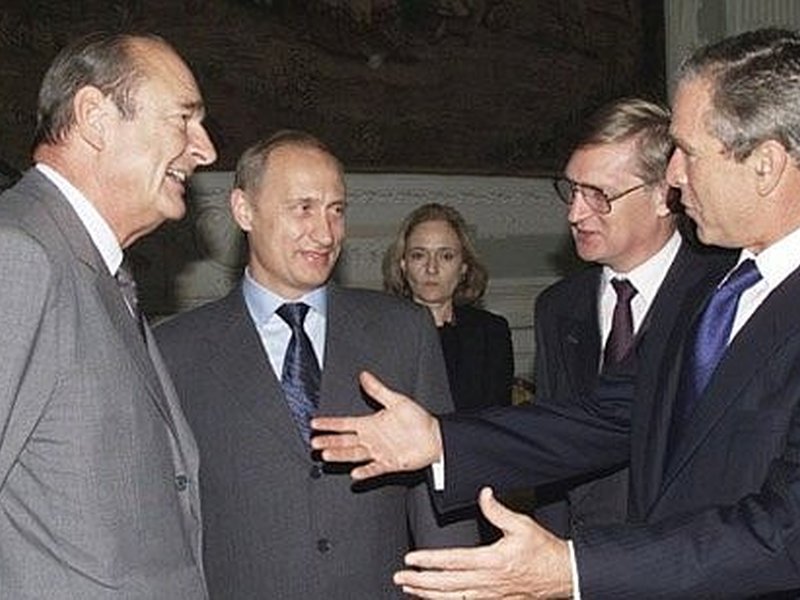
Overview
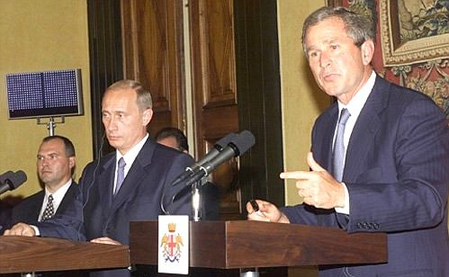
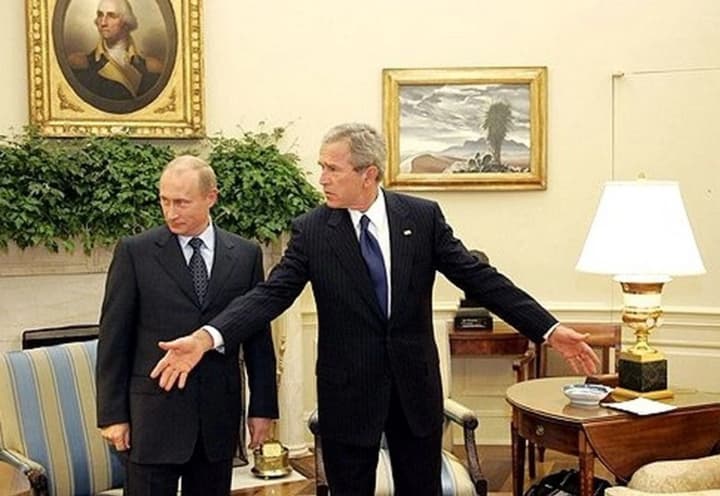
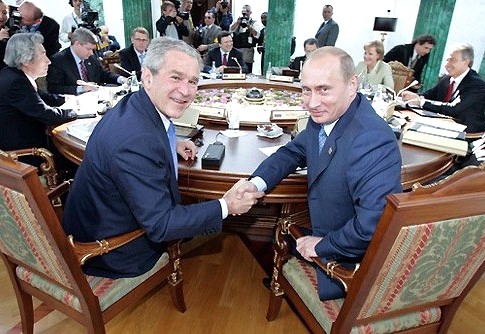
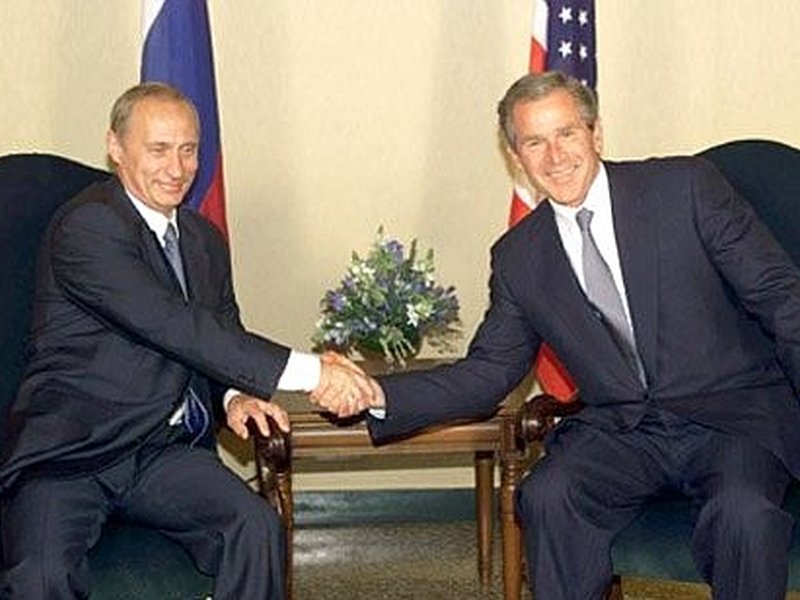
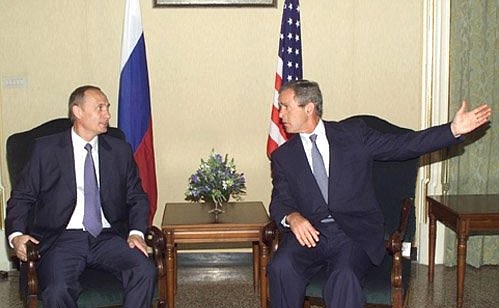
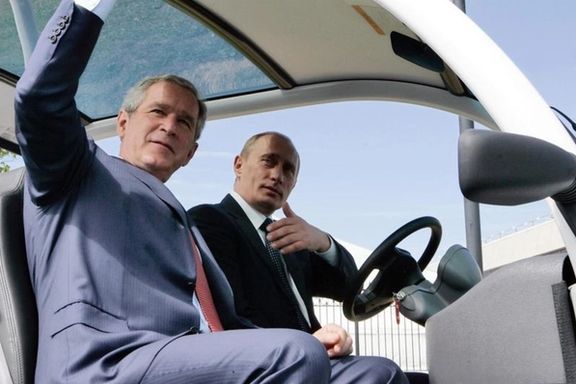
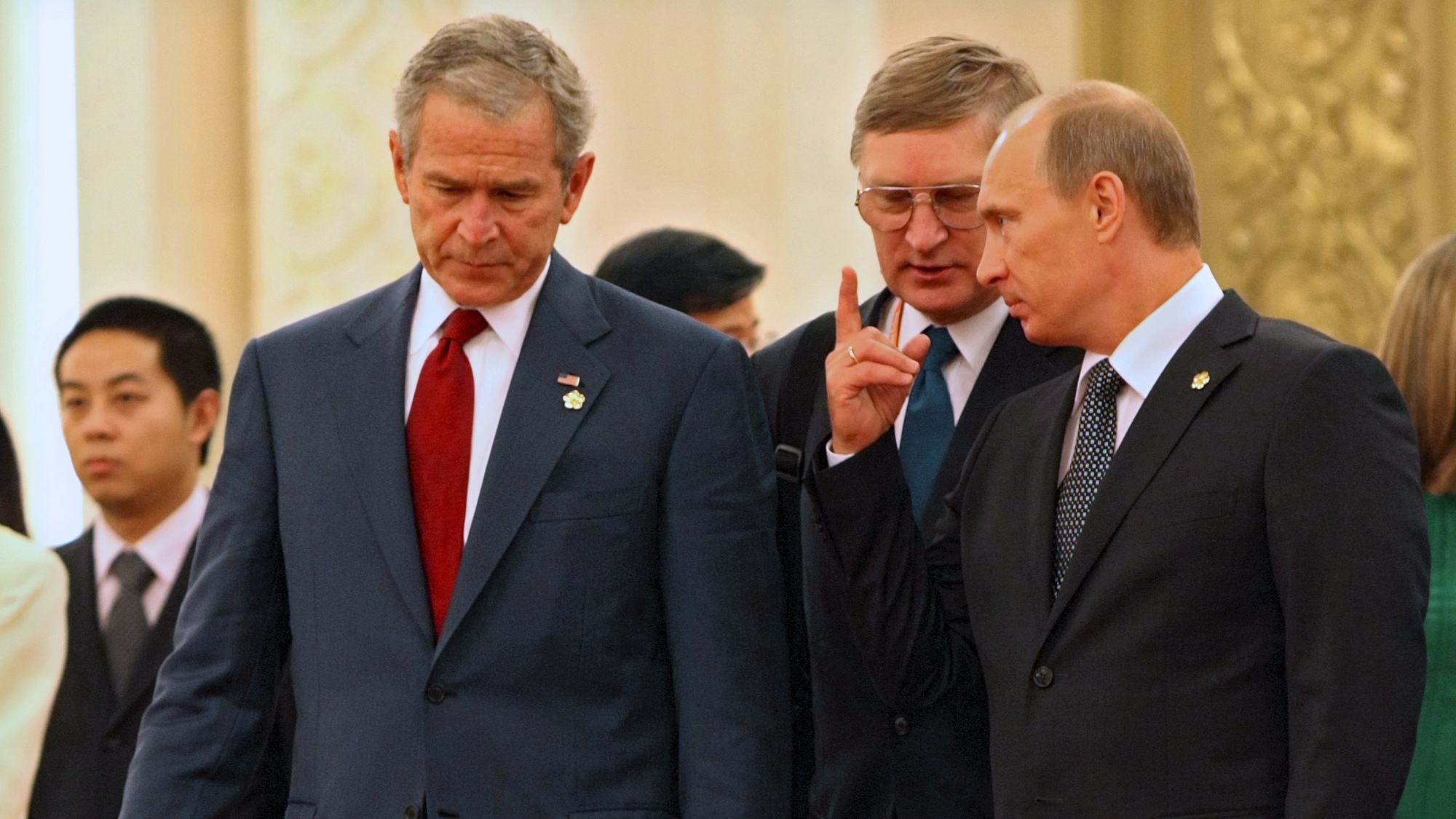
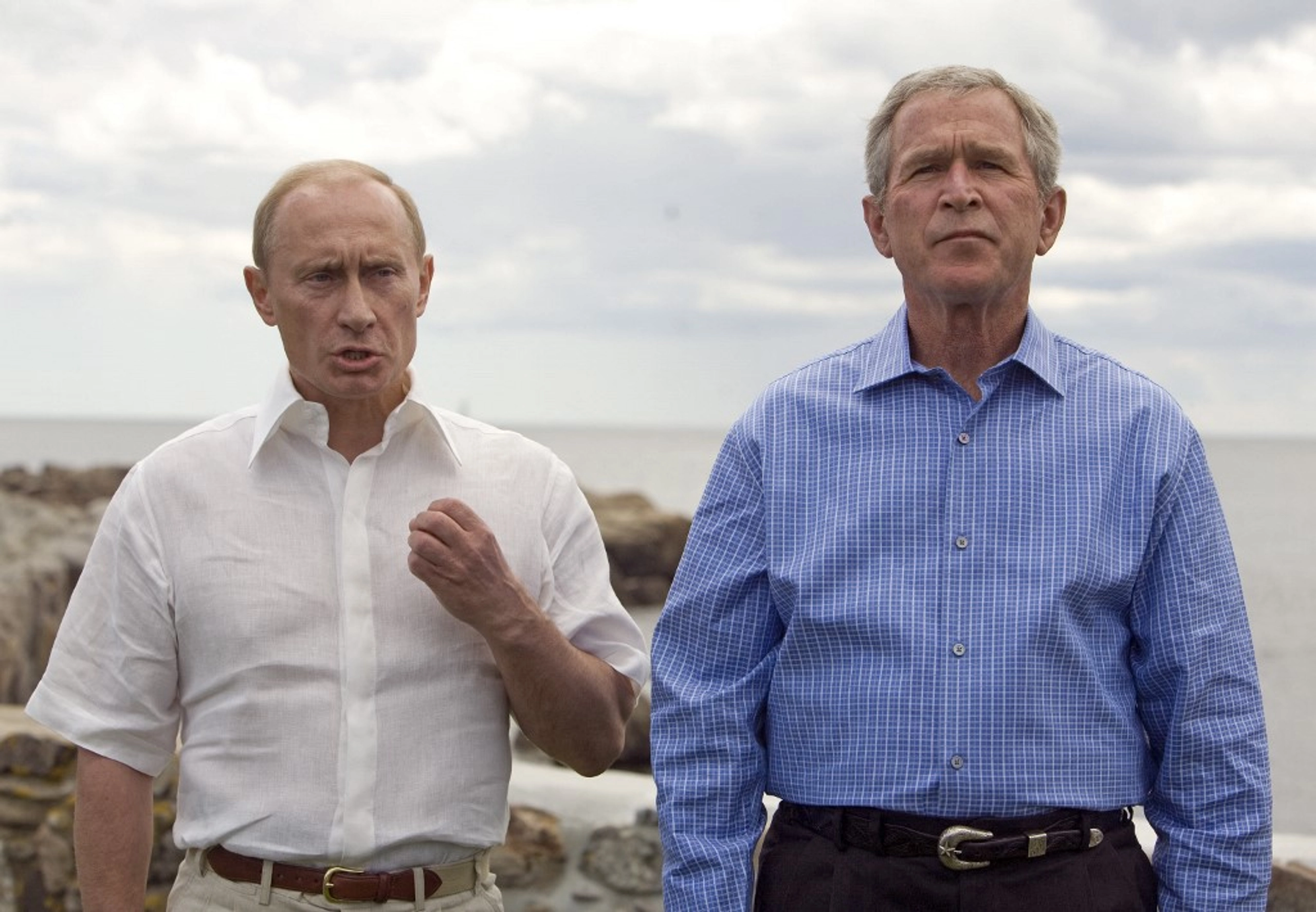
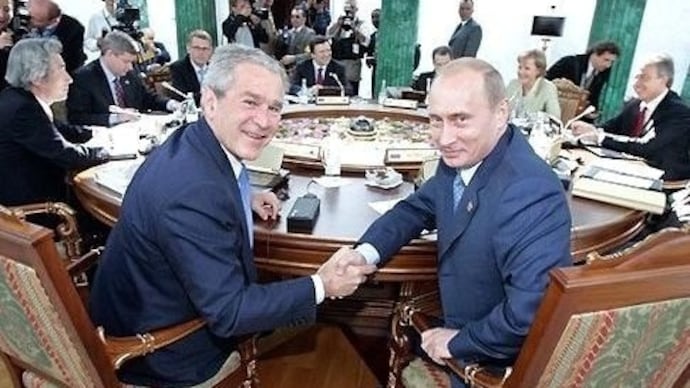
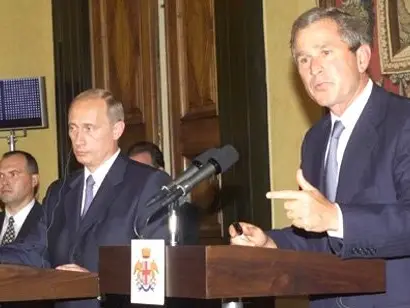
The recently declassified conversations between Vladimir Putin and George W. Bush represent far more than historical diplomatic exchanges—they are a strategic roadmap revealing the calculated geopolitical thinking that would ultimately lead to the invasion of Ukraine. Territorial sovereignty emerges as Putin's central obsession, with Ukraine positioned not as an independent nation, but as a fragmented territory fundamentally connected to Russia's strategic interests.
Putin's narrative consistently portrays Ukraine as an "artificial country", a characterization rooted in complex historical arguments. By highlighting that 17 million Russians represent a third of Ukraine's population, he strategically undermines the country's independent statehood. The transcripts expose a deliberate, long-term strategy of challenging Ukraine's territorial integrity, framing potential NATO membership as an existential threat to Russian geopolitical influence.
The most striking revelation is the remarkable consistency of Putin's worldview. From 2001 to 2008, his perspective remained unchanged: Ukraine's territories were portrayed as historically Russian, its population linguistically and culturally divided, and its potential Western alignment a direct challenge to Russia's strategic depth. These conversations were not mere diplomatic rhetoric but a blueprint for future territorial ambitions.
Critically, Putin viewed the USSR's dissolution not as a geopolitical reality, but as a temporary setback. His discussions with Bush reveal a persistent belief that territories like Ukraine and Kazakhstan were erroneously separated from Russia—a perspective that directly informs contemporary foreign policy. The transcripts demonstrate how today's military actions were conceptualized decades earlier, representing a patient, calculated approach to territorial reconsolidation.
For international strategists, these documents offer a profound lesson: geopolitical intentions are often articulated long before they manifest as military action. Putin's conversations reveal a consistent narrative of territorial control, cultural connection, and strategic positioning that has remained remarkably unchanged over two decades.
Questions 3
How did Putin view NATO expansion in relation to Ukraine?
Putin saw Ukraine's potential NATO membership as a direct threat to Russian interests, viewing it as a mechanism that would enable military base deployments near Russia's borders. He predicted long-term confrontation and argued that NATO membership could potentially destabilize Ukraine due to its diverse regional identities and linguistic differences.
What specific arguments did Putin use to challenge Ukraine's statehood?
Putin consistently argued that Ukraine's population is deeply divided, with 17 million Russians representing a third of the population. He emphasized territorial changes during Soviet times, claiming western Ukraine obtained territories from Poland, Romania, and Hungary, while eastern territories were transferred from Russia, thus undermining Ukraine's natural territorial legitimacy.