




Global Diplomatic Fracture Emerges Over Russian Child Deportation Crisis
- Unprecedented UN Resolution Reveals Deepening Geopolitical Rifts Among Major Powers
























)





/file/attachments/orphans/peterfab-Ukrainekids-SAvotesforcopy_595251.jpg)












Overview
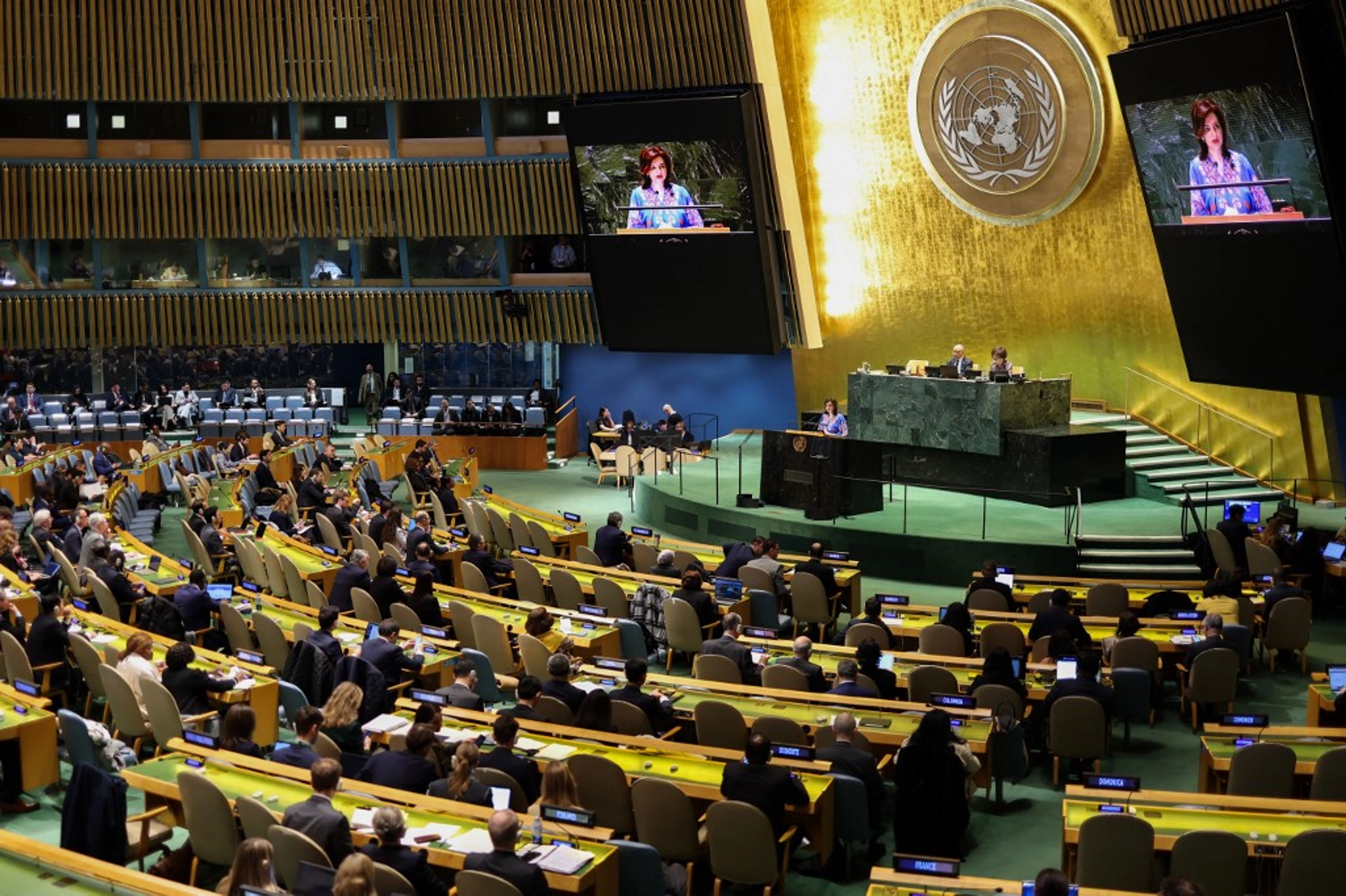
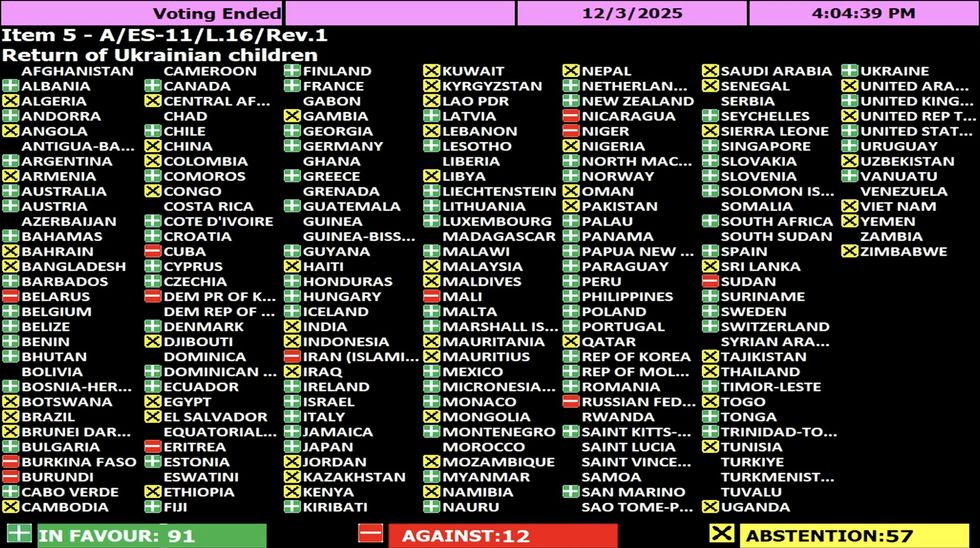
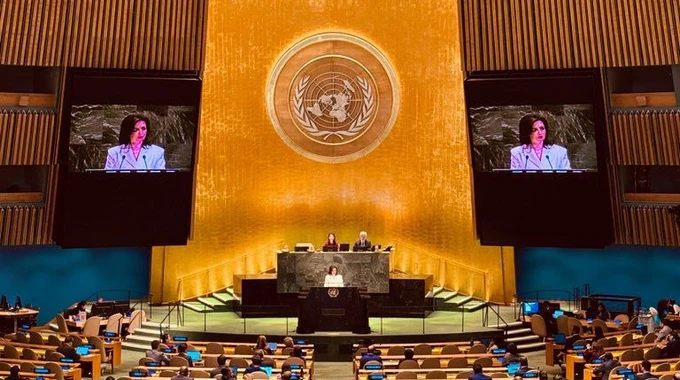
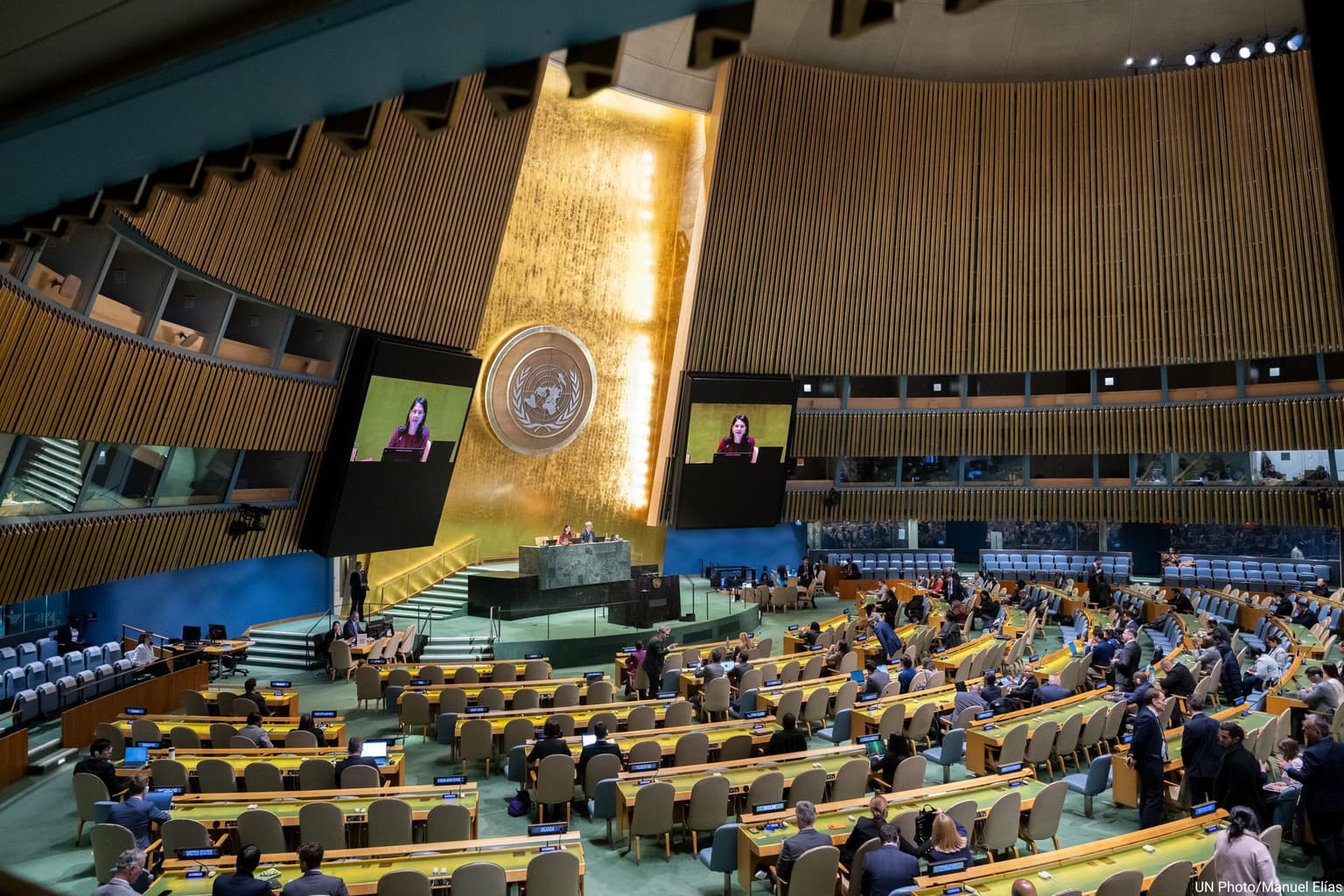
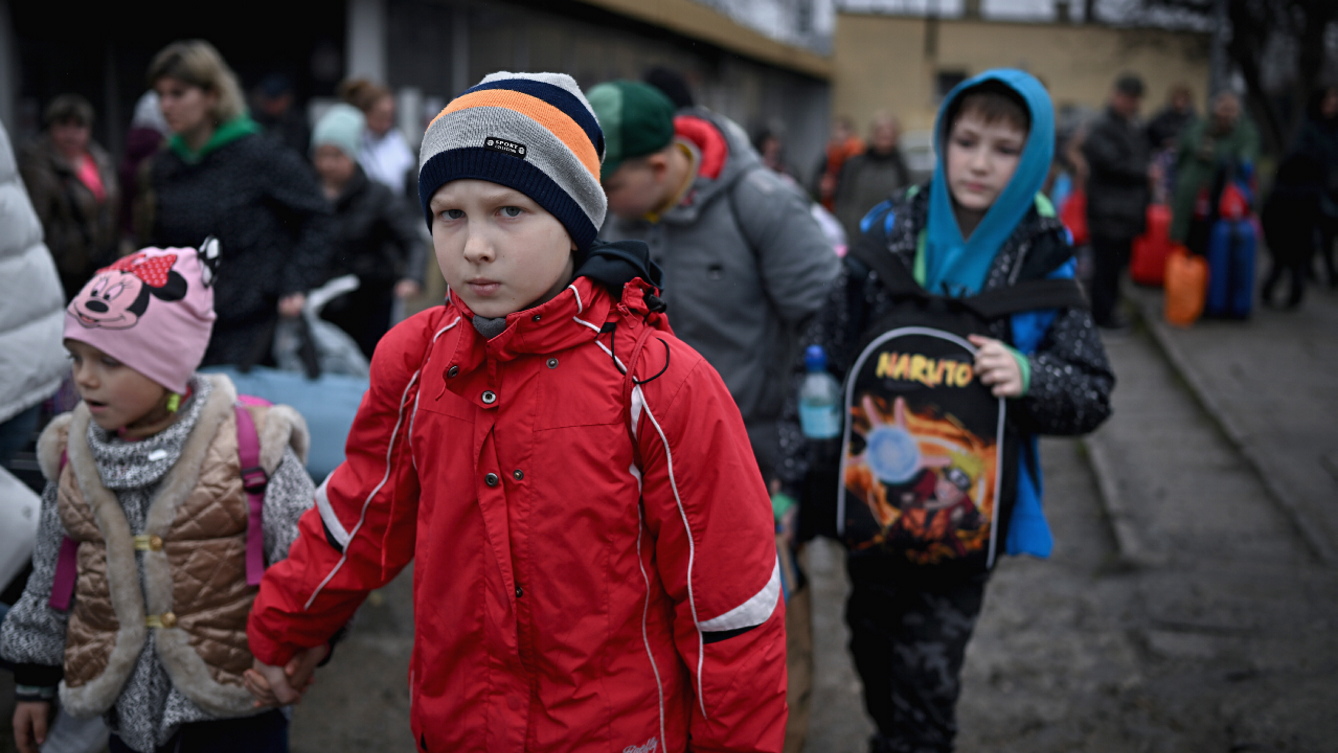
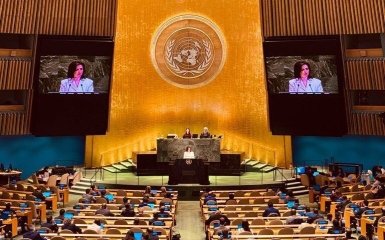
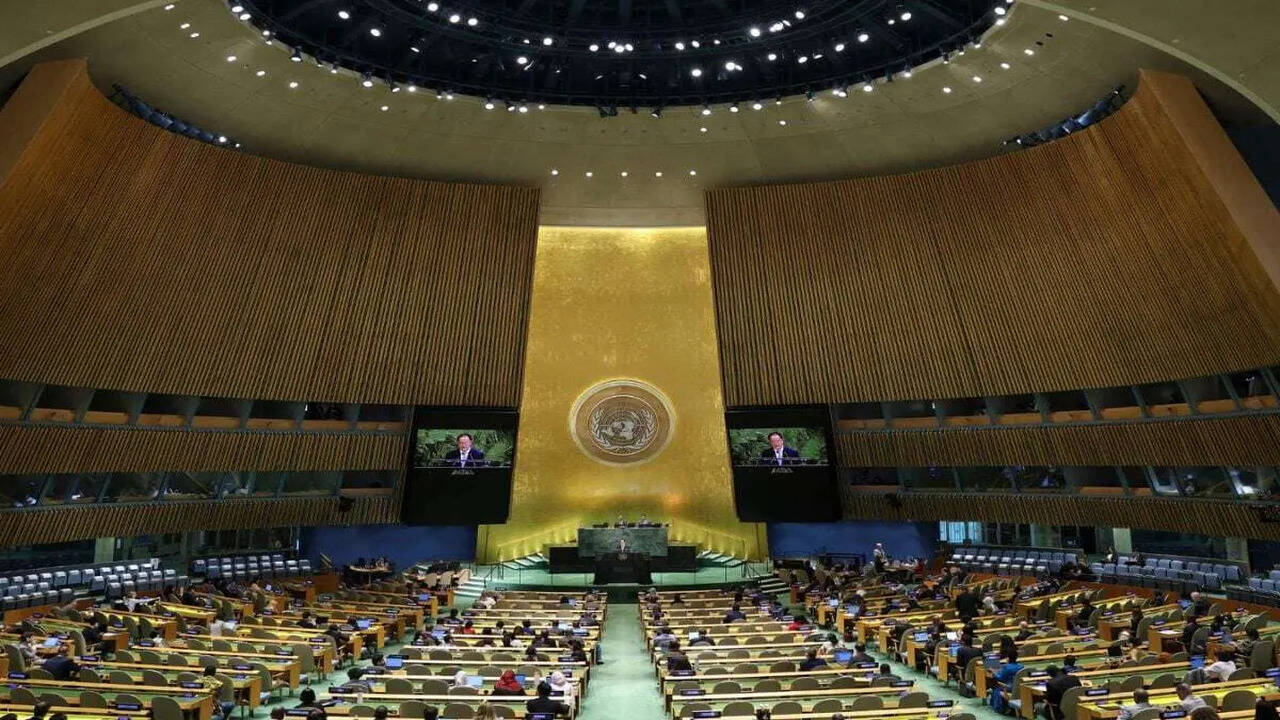
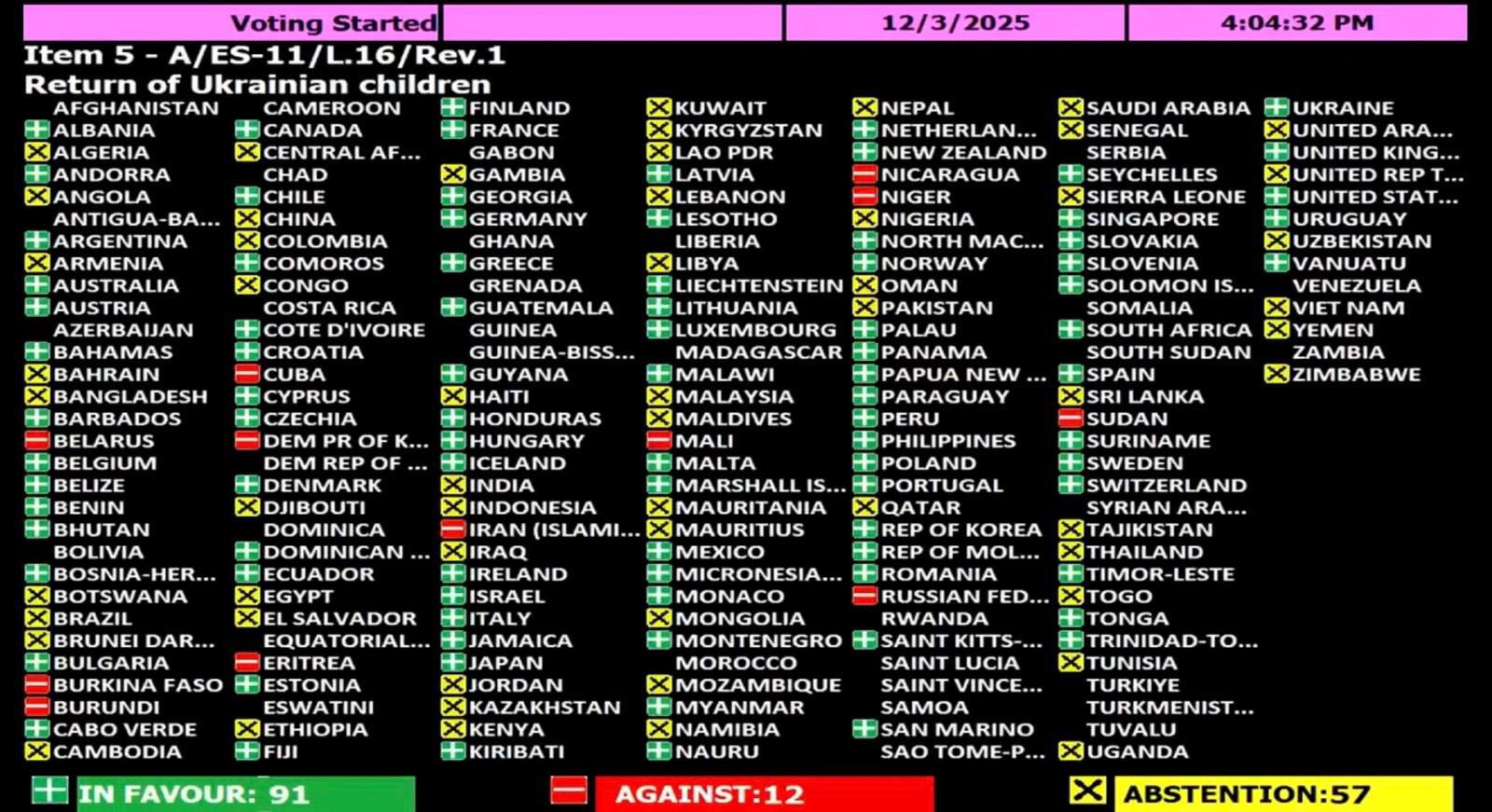
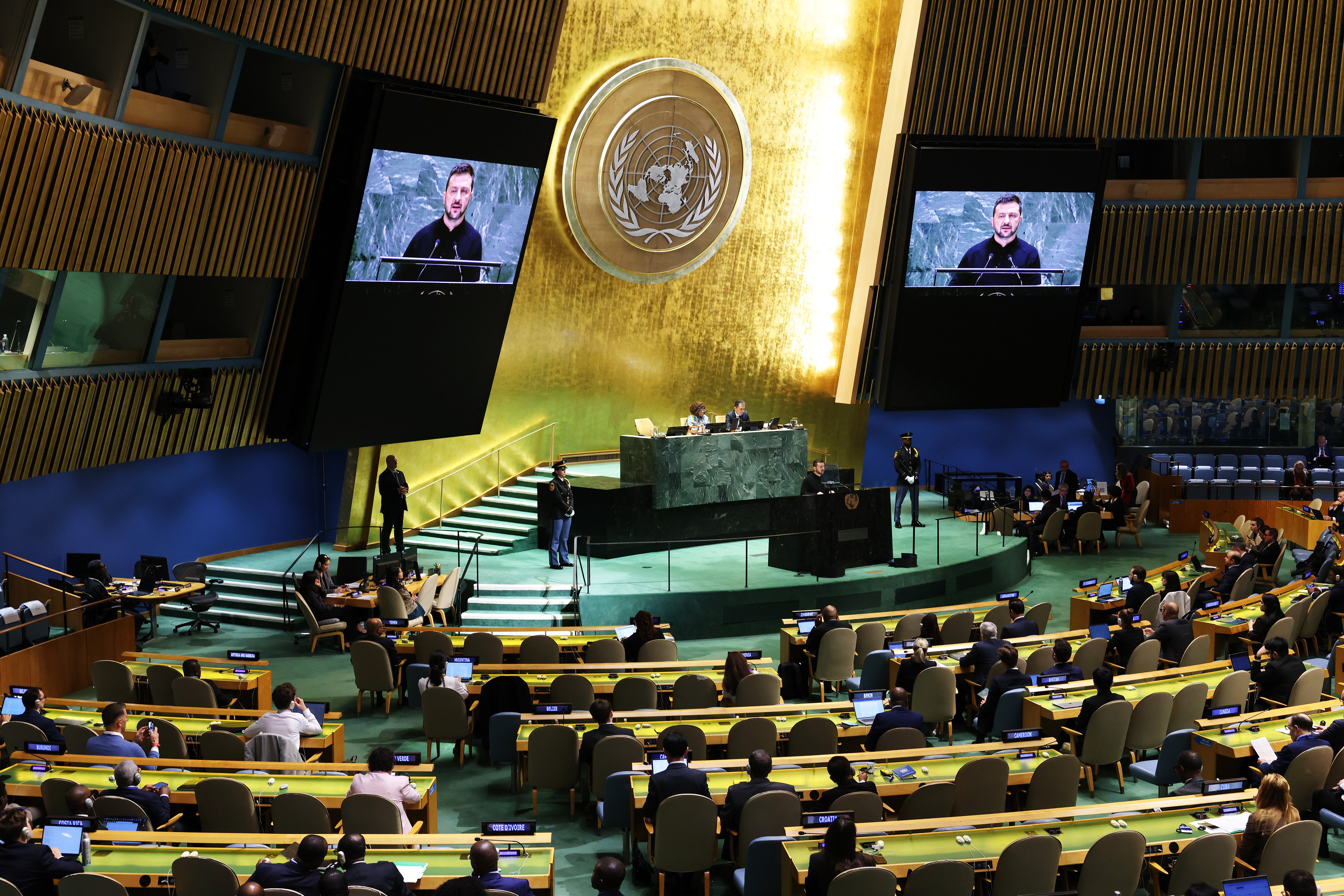
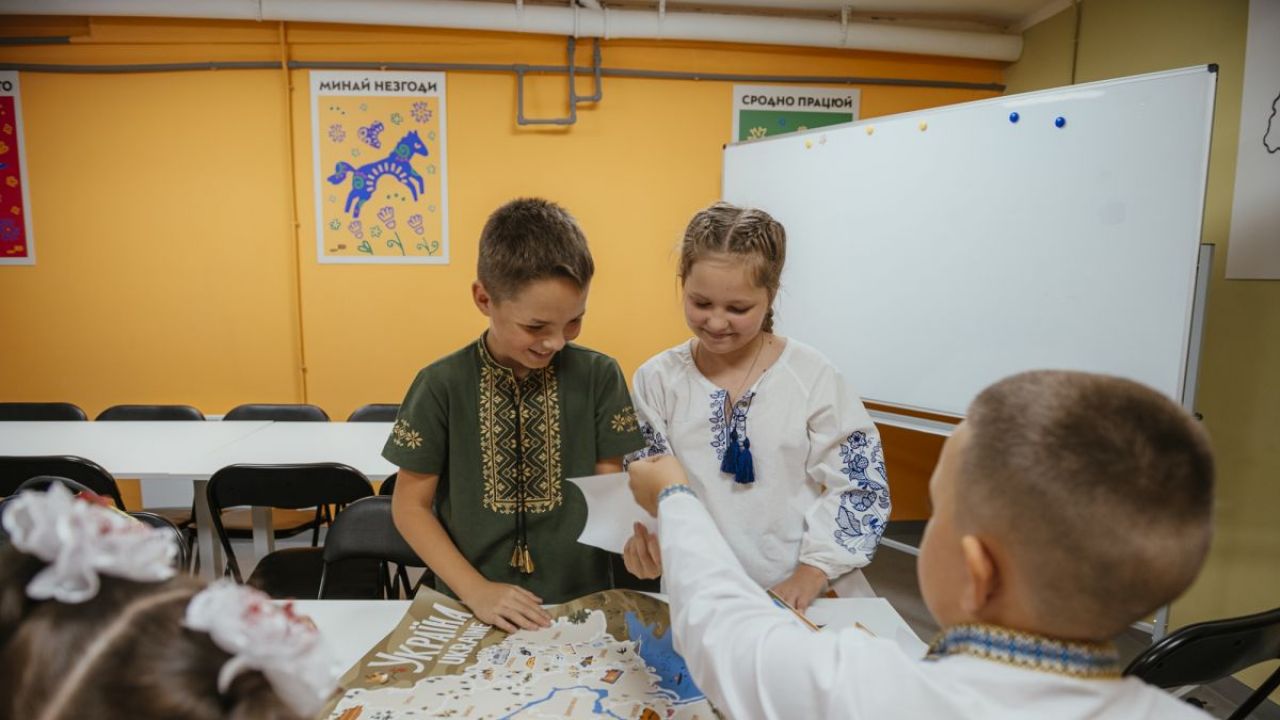
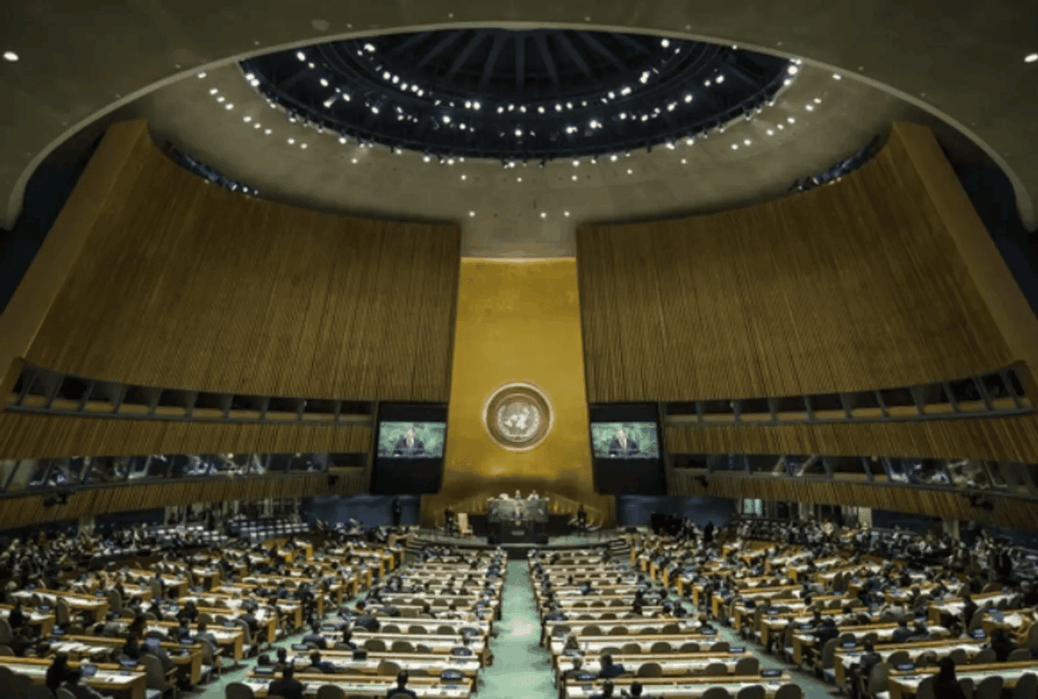
The United Nations General Assembly has become a critical battleground for international moral and legal accountability, with a landmark resolution exposing profound diplomatic tensions surrounding Russian child deportations. The resolution, demanding the return of approximately 20,000 Ukrainian children forcibly relocated since the 2022 invasion, reveals a complex geopolitical landscape where traditional alliances are being stress-tested.
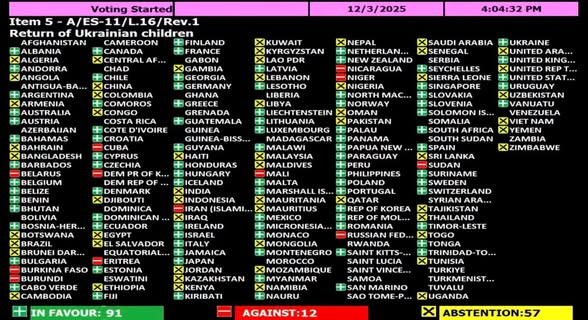
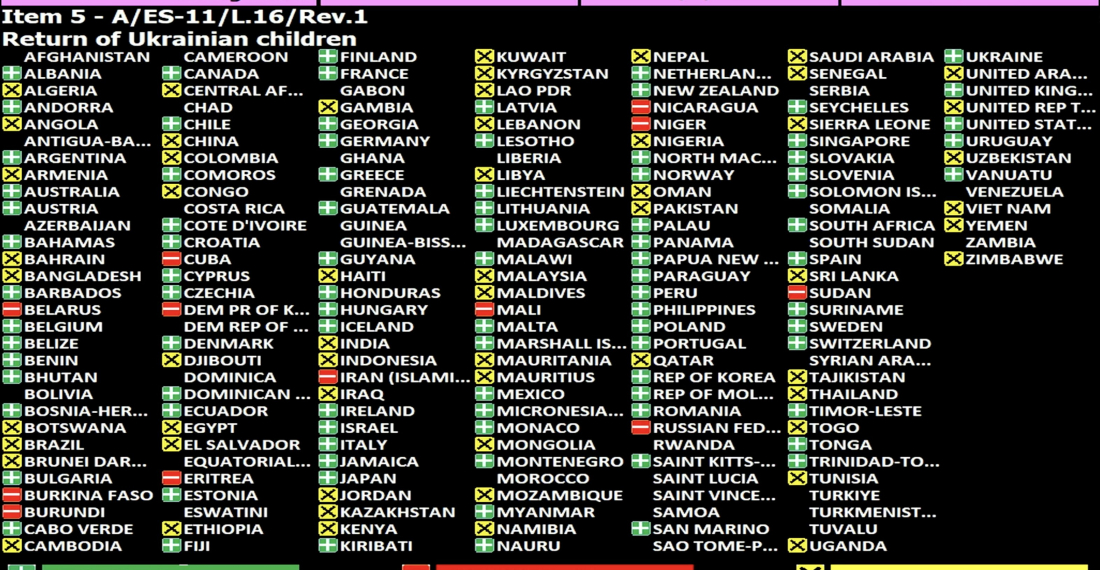
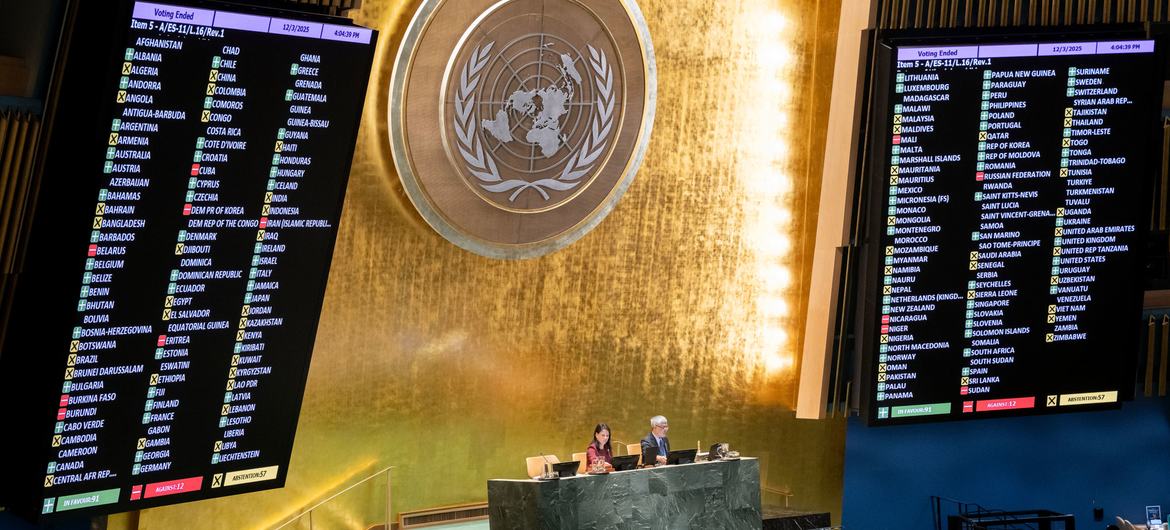
Voting Dynamics demonstrate a significant diplomatic realignment. While 91 countries supported the resolution, the voting pattern exposes critical geopolitical fault lines. South Africa's break from BRICS solidarity is particularly noteworthy, signaling potential fractures in the bloc's traditionally unified stance. India's abstention, alongside China and Brazil, suggests a strategic approach prioritizing diplomatic neutrality over direct condemnation.
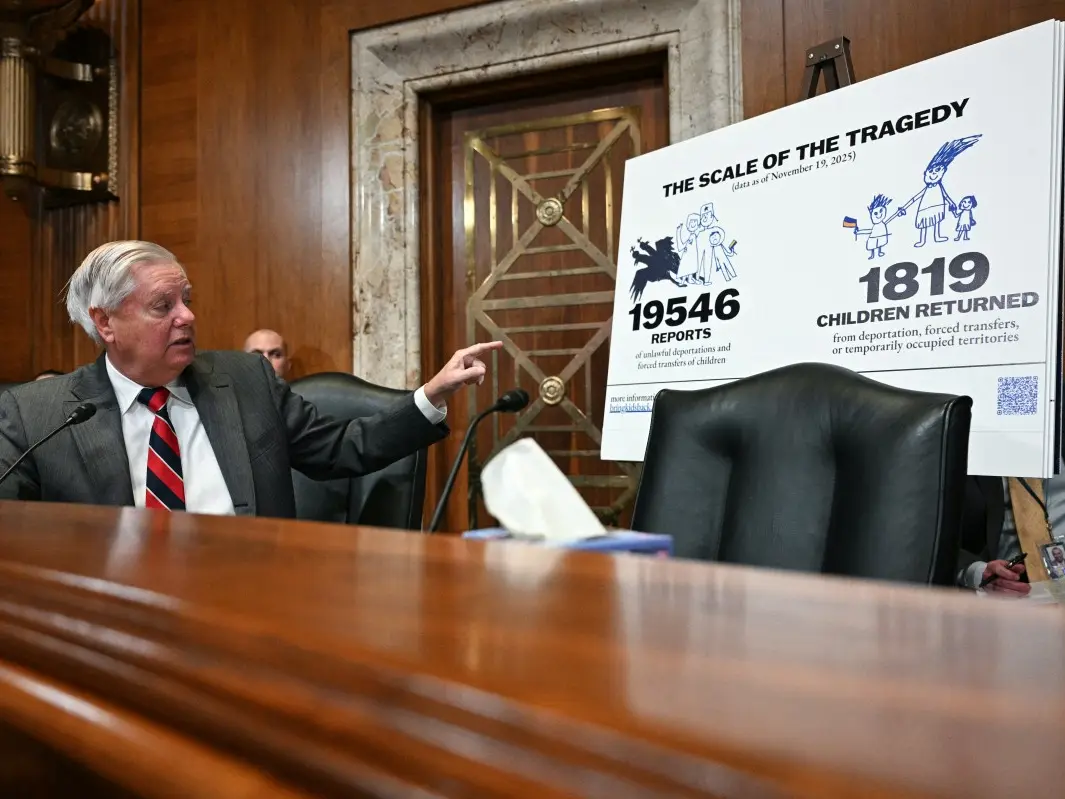
The resolution's implications extend far beyond the immediate humanitarian crisis. The International Criminal Court's arrest warrant for Putin represents an unprecedented legal challenge to state-sponsored child displacement. With only 1,876 of 19,546 documented children returned, the resolution highlights a systematic violation of international law that could have long-term consequences for Russia's global diplomatic standing.
The United States and European Union's coordinated backing of the resolution indicates a unified Western approach to holding Russia accountable. However, the significant number of abstentions (57 countries) reveals the complex geopolitical calculations at play. Developing nations appear hesitant to take a definitive stance, reflecting the nuanced diplomatic pressures surrounding the conflict.
Strategic implications are profound: this resolution transforms the Ukrainian child deportation issue from a regional conflict into a global moral and legal referendum on state sovereignty, children's rights, and international humanitarian law. The diplomatic maneuvering suggests a potential long-term reconfiguration of international relations, where human rights increasingly become a critical lens for assessing global legitimacy.
Questions 3
Why did South Africa break ranks with other BRICS nations in this UN vote?
South Africa's decision reflects a principled stance on international law and children's rights. By voting in favor of the resolution, South Africa signaled its commitment to humanitarian principles over bloc solidarity, potentially indicating a more independent foreign policy approach within the BRICS framework.
What are the potential long-term consequences of this UN resolution for Russia?
The resolution could significantly damage Russia's international reputation, potentially leading to increased diplomatic isolation. The International Criminal Court's arrest warrant for Putin, combined with the global condemnation of child deportations, may create long-lasting diplomatic and legal challenges for Russia's global engagement.