






Rebuilding Resilience Amidst Catastrophic Destruction
- Humanitarian and Economic Recovery Challenges for Sri Lanka's Cyclone-Ravaged Communities














)










































Overview
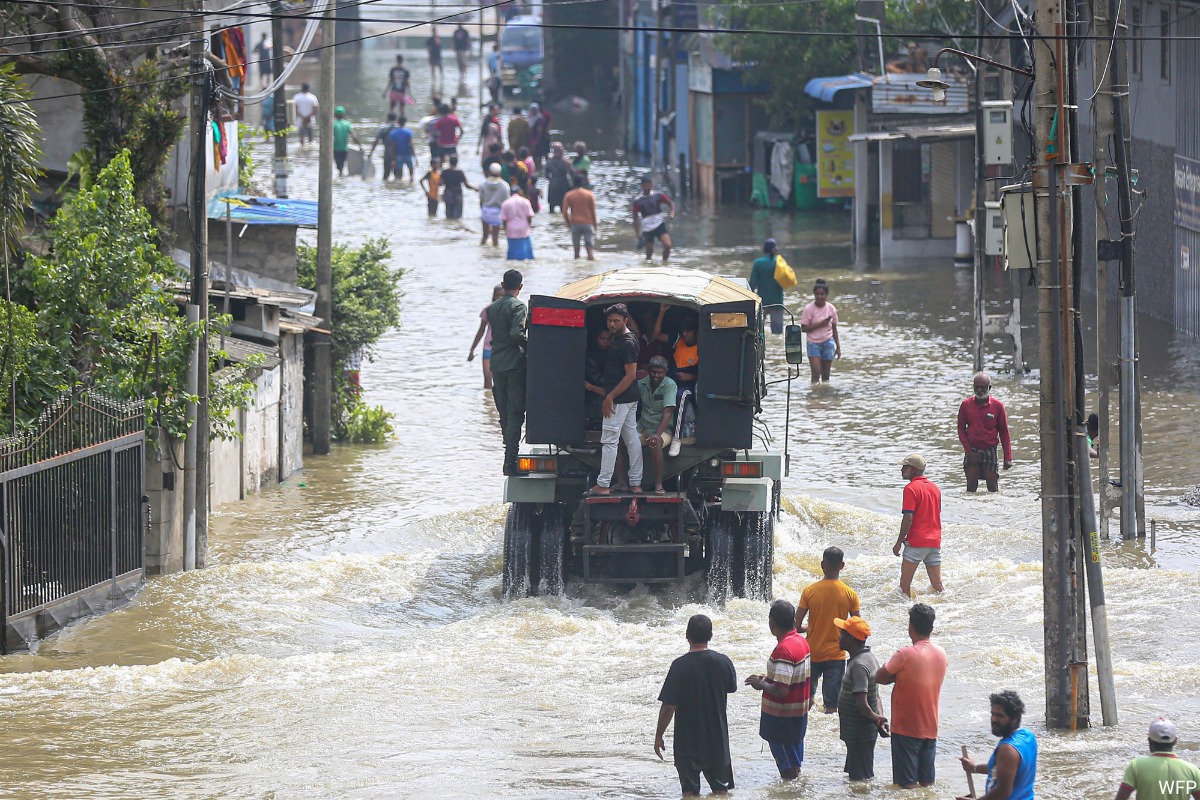
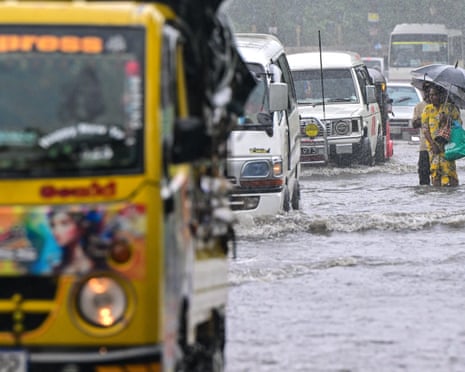
Cyclone Ditwah has unleashed a devastating humanitarian crisis that exposes the profound vulnerabilities of Sri Lanka's infrastructure and economic stability. With over 1.1 million people affected and 410 confirmed fatalities, the natural disaster strikes at the heart of a nation already grappling with severe economic challenges from its 2022 financial collapse.
The scale of destruction demands a comprehensive reconstruction strategy. The cyclone obliterated hundreds of thousands of homes in the Badulla region, leaving entire communities facing the monumental task of rebuilding from zero. This isn't just a local disaster—it represents a critical test of national resilience and international humanitarian support. The 53 people still missing underscore the ongoing human tragedy behind the statistics.
Logistics and infrastructure recovery will be the critical battleground for Sri Lanka's survival. The cyclone's impact extends far beyond immediate human loss, threatening key economic sectors like tourism and local production. With infrastructure decimated, the country faces a multi-layered challenge of rebuilding physical structures, restoring economic momentum, and providing immediate humanitarian relief. The timing could not be more challenging, as Sri Lanka was already navigating a complex economic recovery from its 2022 financial crisis.
Strategic reconstruction will require unprecedented coordination between government, international aid organizations, and local communities. The path forward demands not just rebuilding structures, but reimagining resilience—creating more robust, climate-adaptive infrastructure that can withstand future environmental challenges. This disaster serves as a stark reminder of the increasing vulnerability of coastal regions to extreme weather events and the critical importance of comprehensive disaster preparedness.
Questions 3
What are the key challenges in rebuilding after such extensive damage?
The primary challenges include restoring basic infrastructure, providing immediate humanitarian aid, rebuilding homes and community structures, protecting vulnerable populations, and developing more resilient infrastructure that can withstand future environmental risks.
What is the total human impact of Cyclone Ditwah in Sri Lanka?
The cyclone affected over 1.1 million people, with 410 confirmed deaths and 53 people still missing. It destroyed hundreds of thousands of homes, creating a massive humanitarian crisis that requires comprehensive rebuilding efforts.