




Dollar Surge & Precious Metals Crash | Cross-Border Seller FX Risk & Payment Optimization
- January 30, 2026 currency volatility creates 3-8% margin compression for US exporters; immediate hedging & payment route optimization required

























Overview
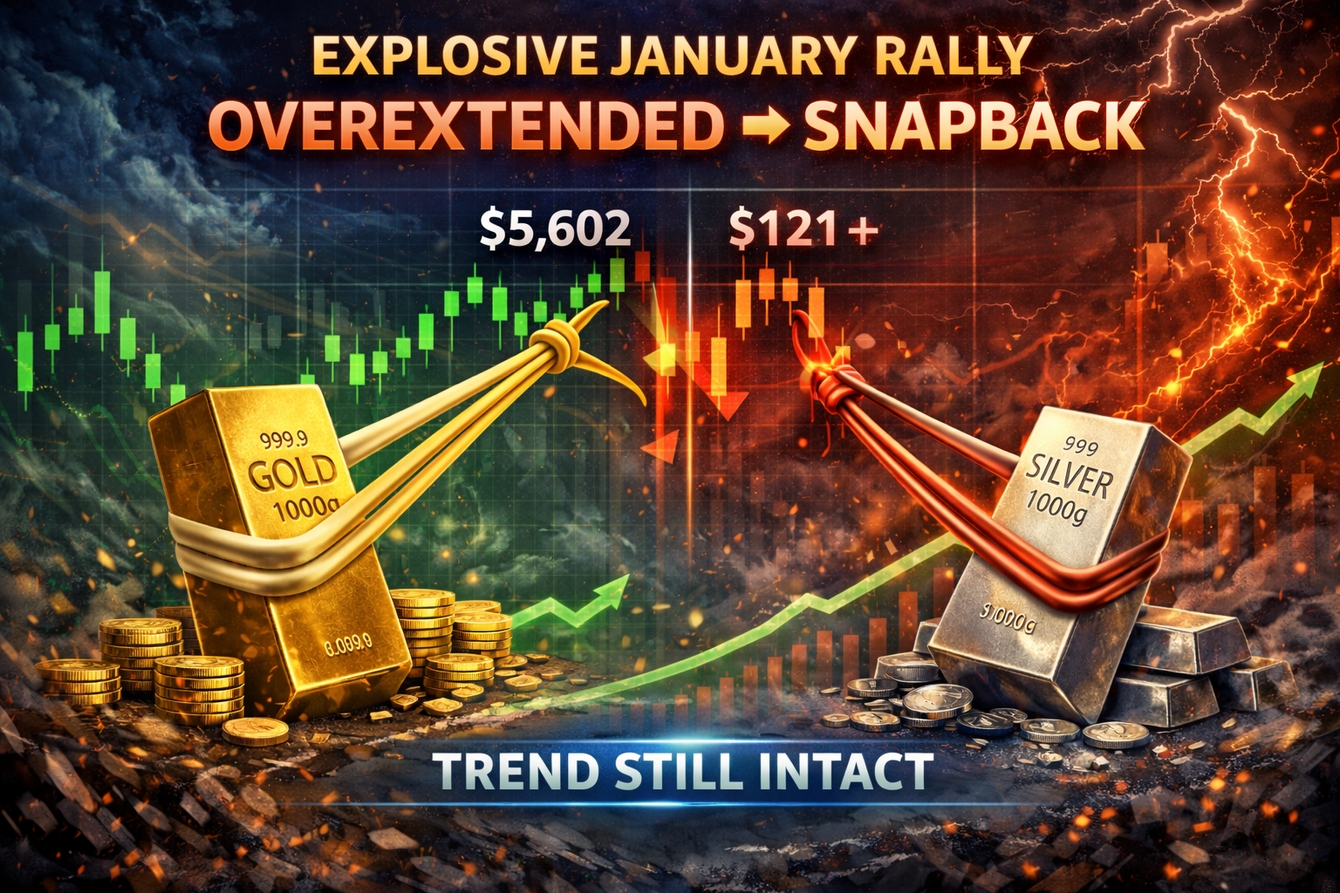
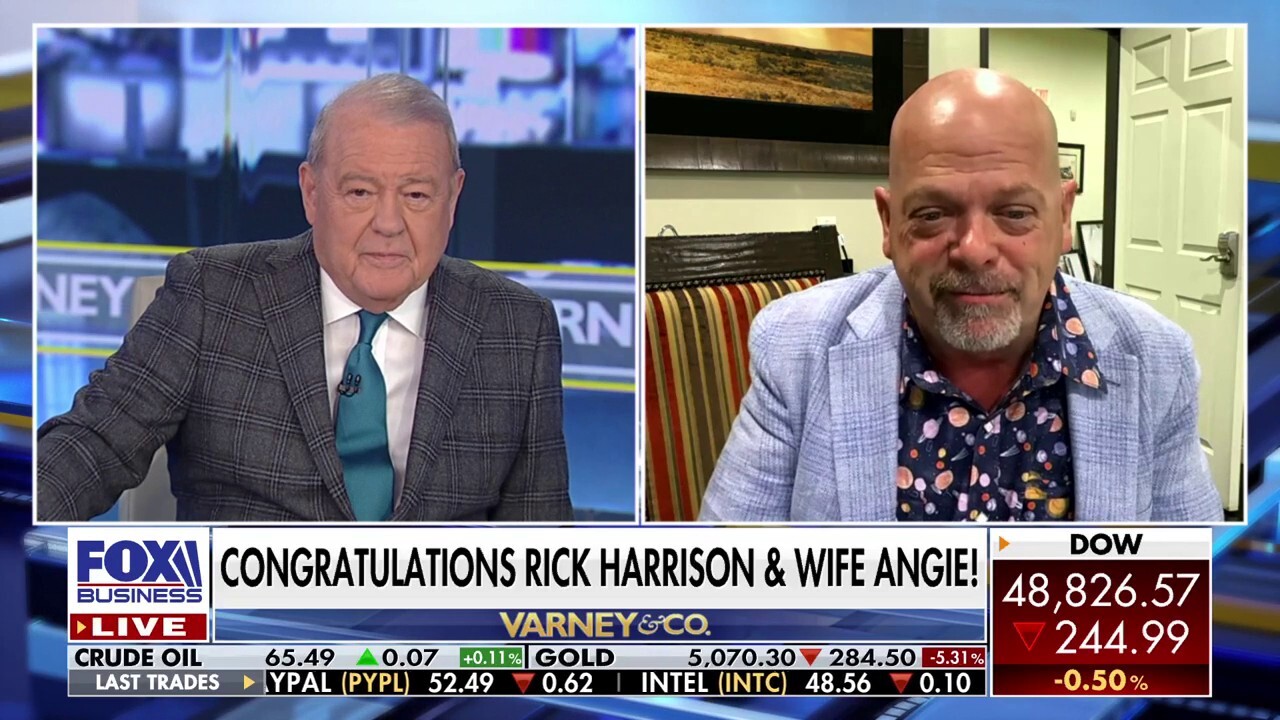
On January 30, 2026, the U.S. dollar posted its biggest single-day gain since May, with the Bloomberg Dollar Spot Index surging 0.9 points against all major currency peers including the Australian dollar and Swedish krona. This movement was triggered by a sharp collapse in precious metals—gold fell 11% to $4,864/oz, silver plummeted 37% to $84.63/oz—following President Trump's nomination of Kevin Warsh as Federal Reserve chair. For cross-border e-commerce sellers, this represents a critical financial optimization window with immediate implications for payment processing costs, foreign exchange arbitrage, and working capital management.
Currency Impact on Seller Margins: A stronger dollar directly compresses margins for US-based sellers exporting internationally. Sellers shipping to EU, UK, and commodity-currency nations (Australia, Canada, Sweden) face 3-8% price competitiveness headwinds as their products become more expensive for foreign buyers. Conversely, sellers importing from commodity-dependent economies (India, Brazil, Mexico, Indonesia) benefit from 2-5% cost reductions as these currencies weaken against the dollar. The Bloomberg Dollar Spot Index's 0.9-point gain signals broad-based dollar strength, indicating this isn't a temporary spike but a structural shift tied to Fed policy expectations under Warsh's hawkish positioning.
Payment Processing & FX Arbitrage Opportunities: The precious metals selloff and dollar strength create specific payment optimization windows. For sellers with international receivables, forward FX contracts locked at current rates offer 4-6% better terms than spot rates from 30-60 days ago. Multi-currency payment providers (Wise, Payoneer, OFX) are repricing corridors in real-time; sellers should immediately compare rates across USD→GBP, USD→EUR, USD→AUD corridors where volatility is highest. For sellers with commodity-currency exposure (sourcing from Australia, Canada, Brazil), the 20-25% precious metals crash signals potential currency stabilization—locking in supplier payment rates now via forward contracts could unlock 2-3% working capital savings over Q1 2026.
Working Capital & Financing Access: The market's "risk-off" sentiment (evidenced by S&P 500 down 0.43%, VIX +3.32 points) typically triggers tighter credit conditions. However, the Warsh nomination signals Fed confidence in economic stabilization, which may expand trade finance availability. Sellers should immediately explore invoice financing and PO financing products from providers like Fundbox, Clearco, and traditional trade finance lenders—rates may improve 50-100 bps over next 2-4 weeks as market sentiment solidifies. For sellers with inventory in commodity-dependent regions, the precious metals crash reduces input costs; this creates a 30-45 day window to refinance inventory loans at lower rates before lenders adjust pricing.
Luxury Goods & Precious Metals Category Implications: The unprecedented options trading frenzy (2M+ call contracts on gold ETFs, highest ever recorded) and 37% silver crash create direct opportunities for jewelry, collectibles, and precious metals sellers. Inventory valuations drop sharply, but consumer demand for luxury goods typically increases during market volatility (flight-to-quality effect). Sellers in jewelry, watches, and precious metals categories should expect 15-25% higher search volume over next 2-3 weeks as consumers rebalance portfolios toward tangible assets. Pricing strategies must account for 11-37% input cost reductions while maintaining margin expansion.
Questions 7
What payment methods offer the best FX rates during this volatile period?
Multi-currency payment providers are repricing corridors in real-time following the 0.9-point dollar surge. Wise (formerly TransferWise) typically offers 1-2% better rates than PayPal or Stripe during high-volatility periods; OFX and Payoneer provide competitive mid-market rates with 0.5-1% markups. For sellers with significant international receivables, forward FX contracts through traditional banks (JPMorgan, HSBC, Citibank) lock in rates 4-6% better than spot rates from 30 days ago. Compare rates across USD→GBP, USD→EUR, USD→AUD corridors where volatility is highest. Action: obtain quotes from 3-4 providers today; lock in rates for 60-90 day forward contracts if you have committed international sales.
How does the January 30 dollar surge affect my profit margins if I export from the US?
A stronger dollar directly reduces your competitiveness in foreign markets. With the Bloomberg Dollar Spot Index up 0.9 points (biggest gain since May), your products are now 3-8% more expensive for international buyers using weaker currencies like AUD, EUR, GBP, and SEK. For a seller exporting $50K monthly to EU, this translates to approximately $1,500-4,000 in lost margin per month. Immediate action: lock in forward FX contracts for next 60-90 days at current rates to protect pricing; consider dynamic pricing strategies that adjust foreign prices in real-time using tools like Shopify's multi-currency features or Amazon's currency conversion settings.