



Europe's Energy Revolution Cuts Russian Dependency to Zero
- Strategic Decoupling Reshapes Global Energy Geopolitics for Multinational Businesses






















Overview
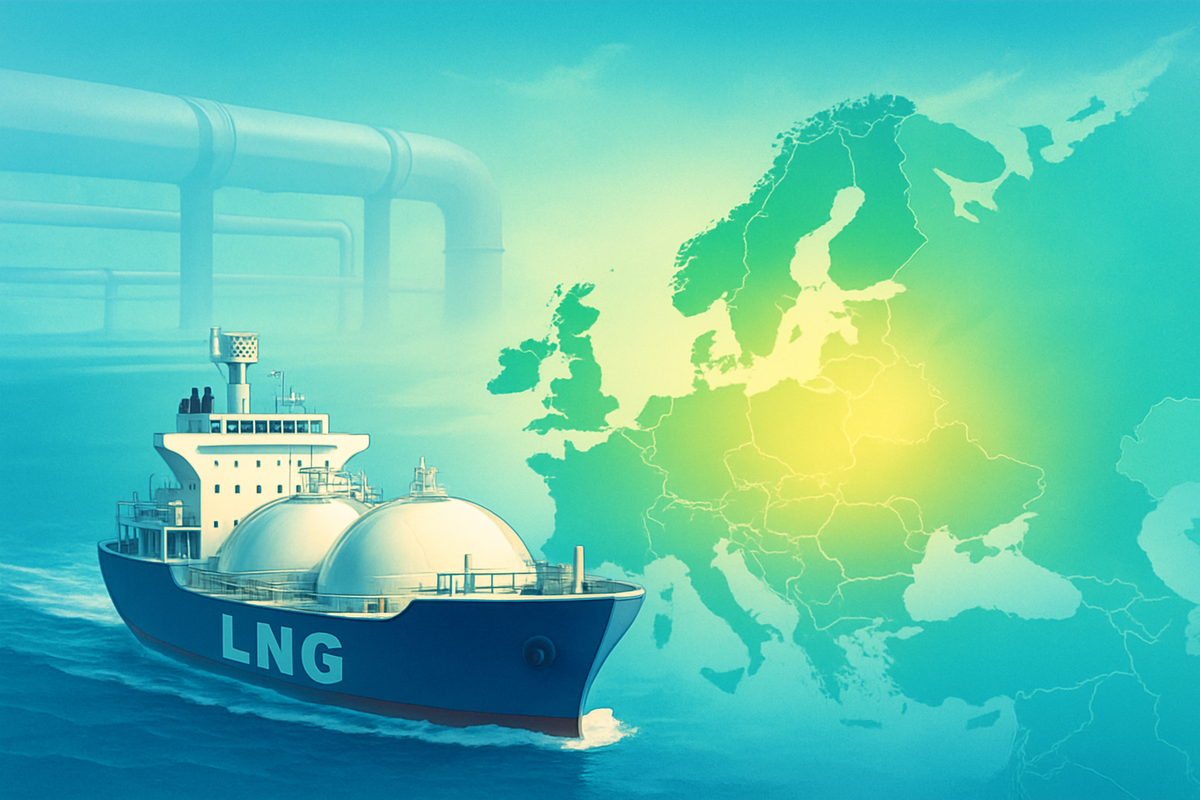
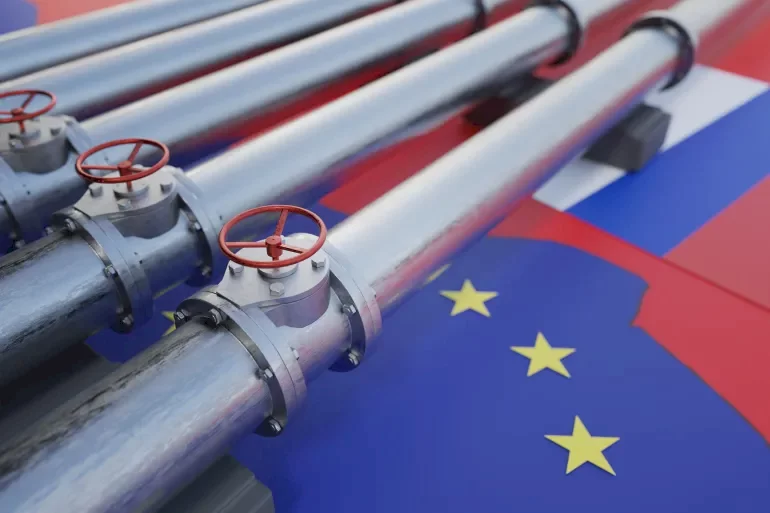
The European Union's decisive move to permanently terminate Russian energy imports represents a watershed moment in geopolitical economic restructuring. By systematically reducing Russian gas dependency from 45% to 13% and planning complete disconnection by 2027, the EU is executing a meticulously engineered strategic decoupling that will fundamentally transform energy markets and cross-border business dynamics.
Strategic Energy Sovereignty emerges as the core driver of this transformation. The EU's phased approach—stopping LNG imports by December 2026 and pipeline gas by September 2027—demonstrates a calculated, risk-managed strategy of energy independence. This isn't merely a political statement, but a comprehensive economic recalibration that signals profound implications for global energy trading patterns.
The policy's most critical aspect lies in its systematic diversification mechanisms. By mandating that member states submit national energy diversification plans by March 2026, the EU is creating a coordinated, multilateral approach to energy security. This strategy goes beyond simple import substitution; it represents a fundamental reimagining of energy procurement, emphasizing resilience, transparency, and strategic risk management.
For multinational corporations, this shift demands immediate and strategic adaptation. Companies with European operations must rapidly reassess their energy procurement strategies, understanding that traditional supply chains are being systematically dismantled. The increased operational costs and complex regulatory environment will create significant competitive pressures, favoring organizations with agile supply chain capabilities and proactive risk management.
The broader geopolitical signal is unmistakable: energy has become a critical strategic asset, no longer treated as a purely commercial commodity. By weaponizing this transition through strict monitoring mechanisms and prior authorization requirements, the EU is establishing a new paradigm of economic statecraft that prioritizes national and collective security over short-term economic efficiency.
Questions 3
What are the key implications for businesses operating in Europe?
Businesses must immediately reassess energy procurement strategies, anticipate increased operational costs, and develop more resilient supply chains. The new regulatory environment requires proactive adaptation, with companies needing to demonstrate flexible and compliant energy sourcing approaches.
Why is the EU taking such a strong stance on Russian energy imports?
The decision stems from Russia's weaponization of energy supplies during the Ukraine conflict. By creating a coordinated, transparent transition mechanism, the EU aims to ensure energy independence, enhance market stability, and reduce geopolitical vulnerabilities associated with energy dependency.