

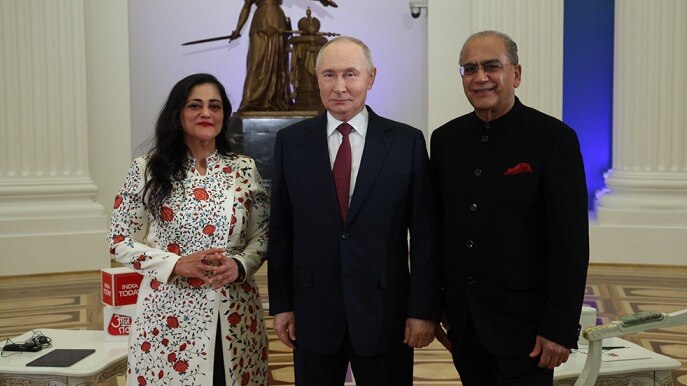


India's Strategic Defiance: Navigating Geopolitical Pressures Through Russian Partnership
- A bold diplomatic balancing act redefining global strategic relationships










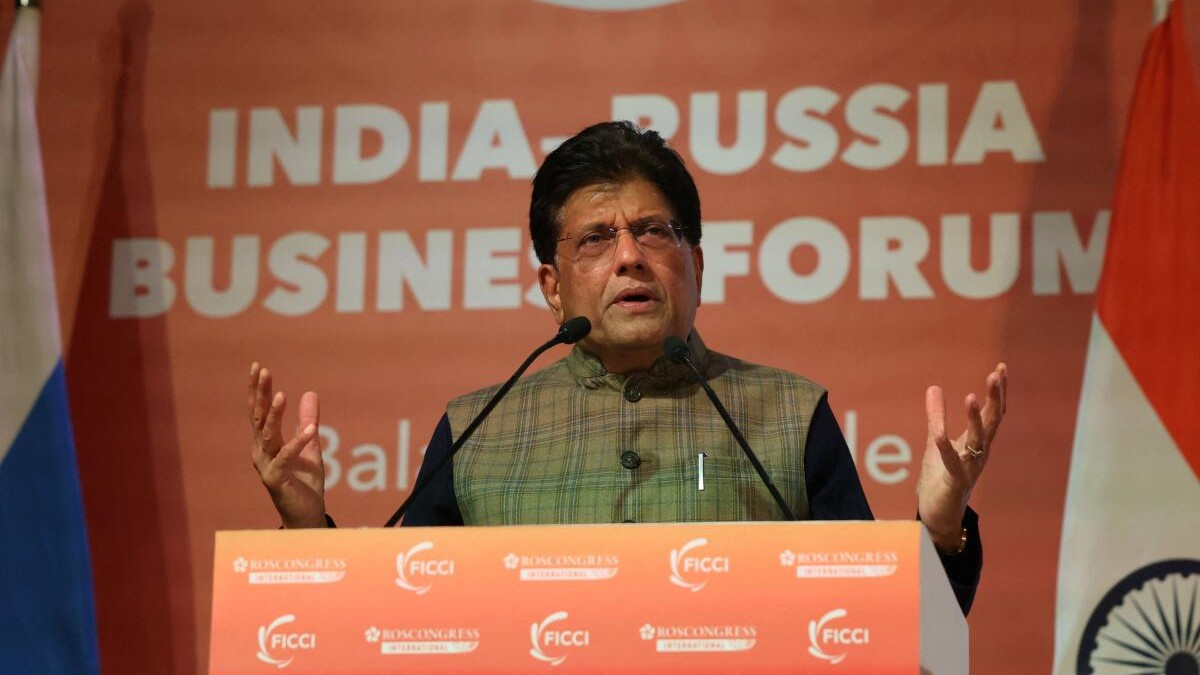




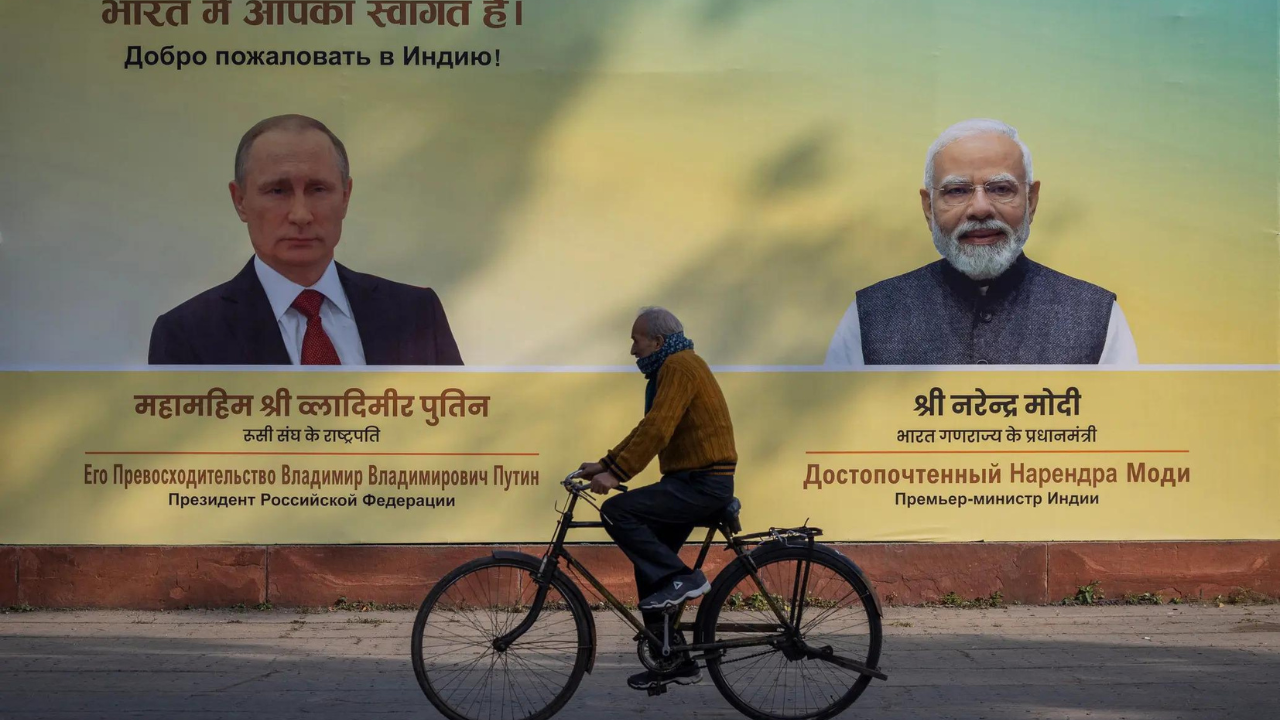

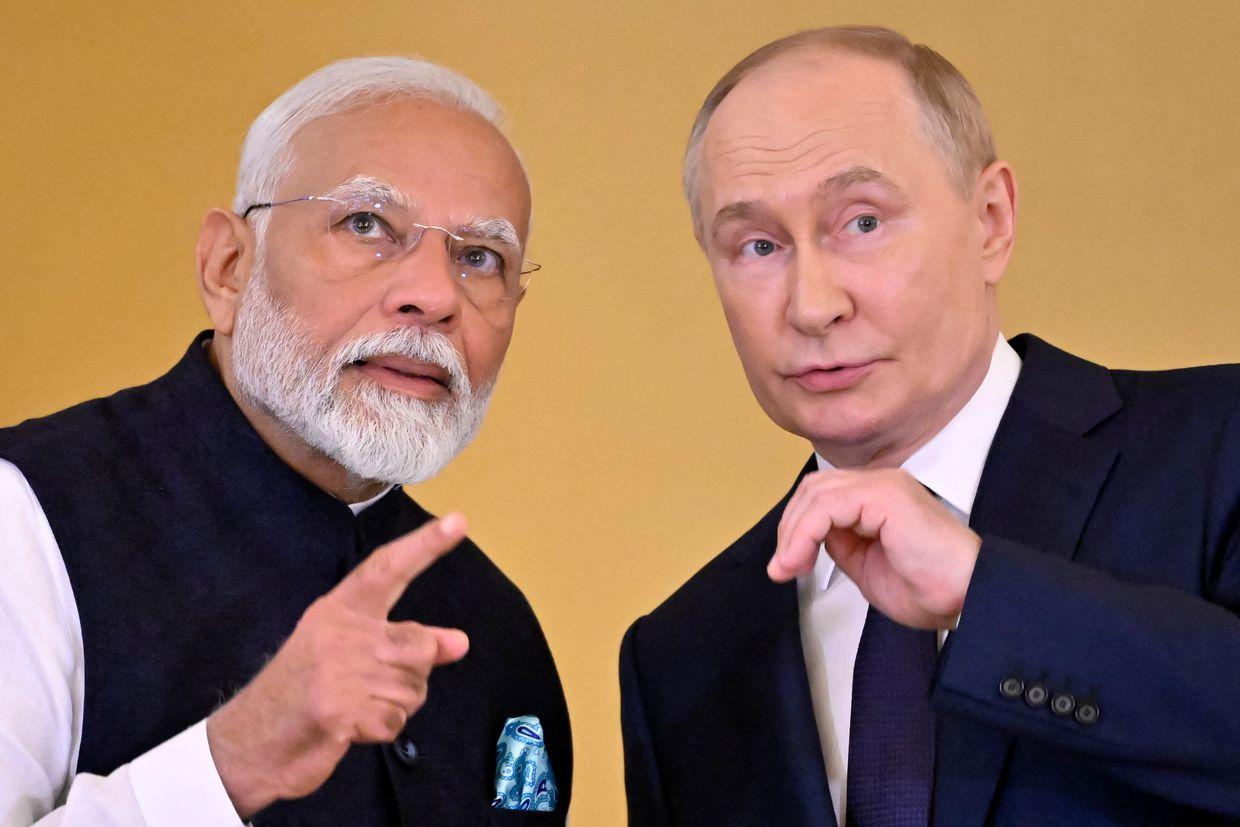

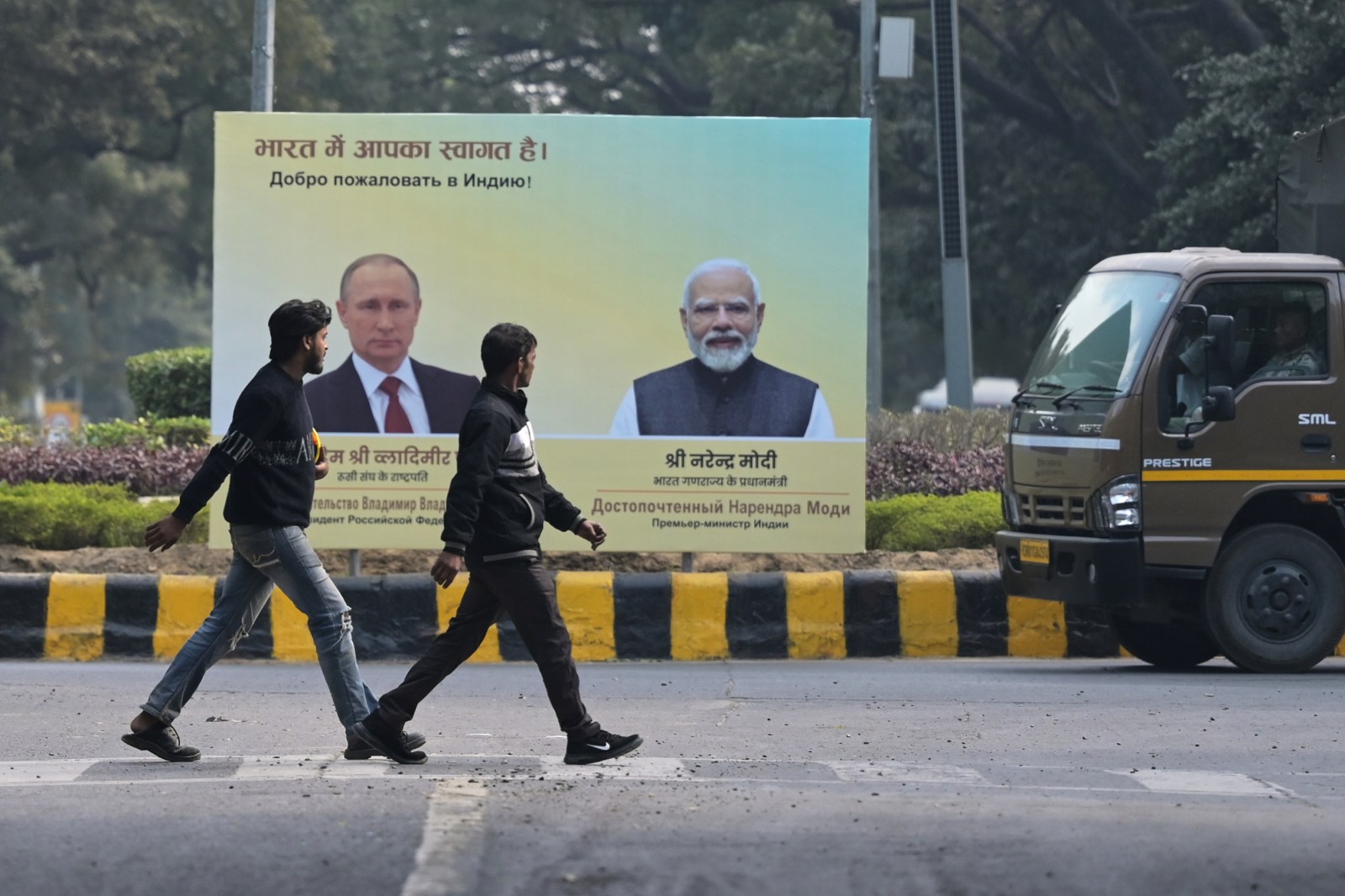
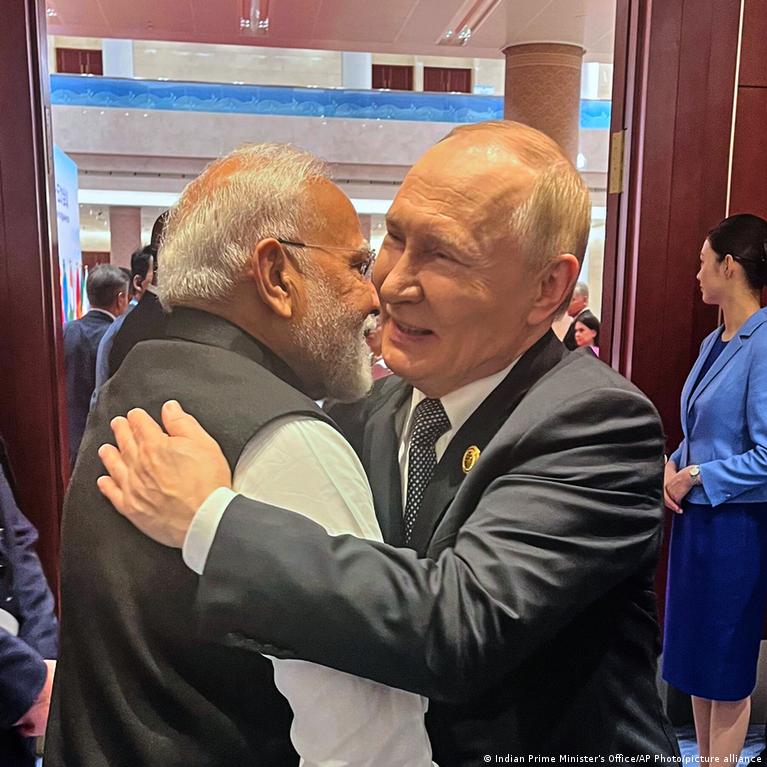




)















Overview
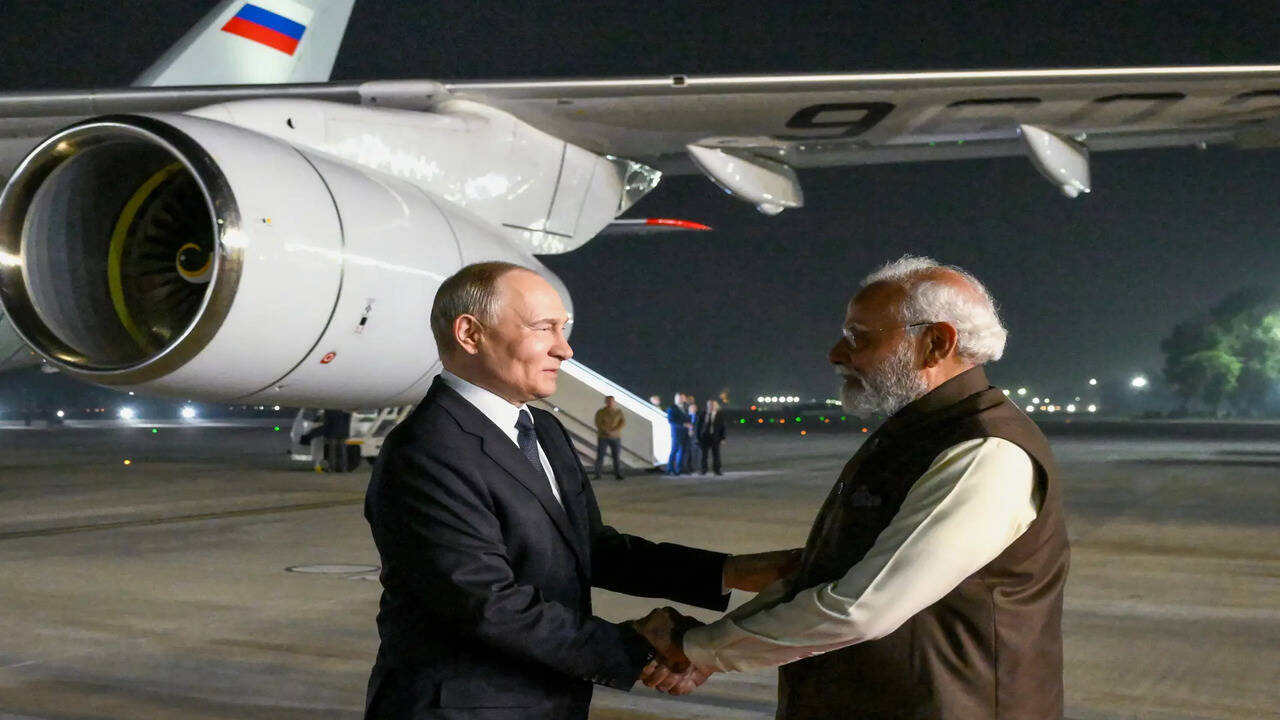
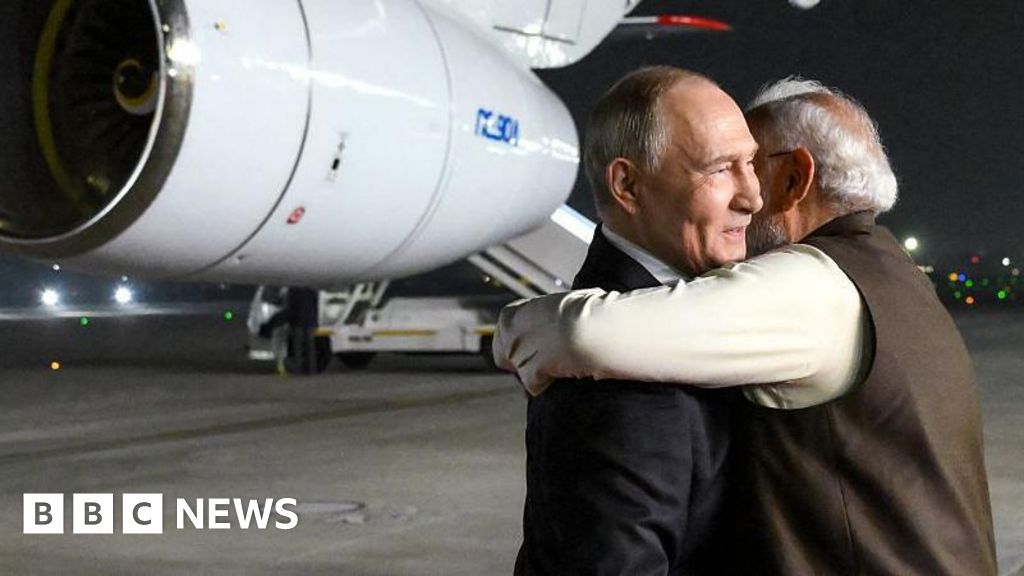
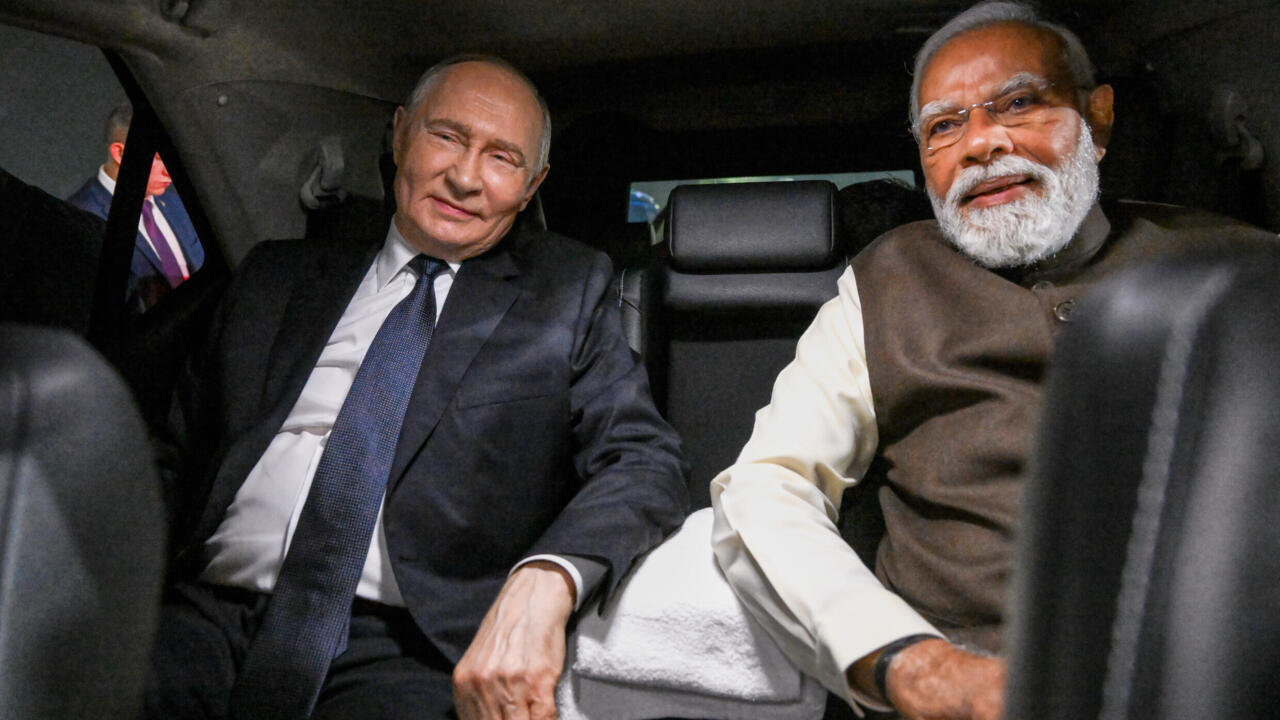
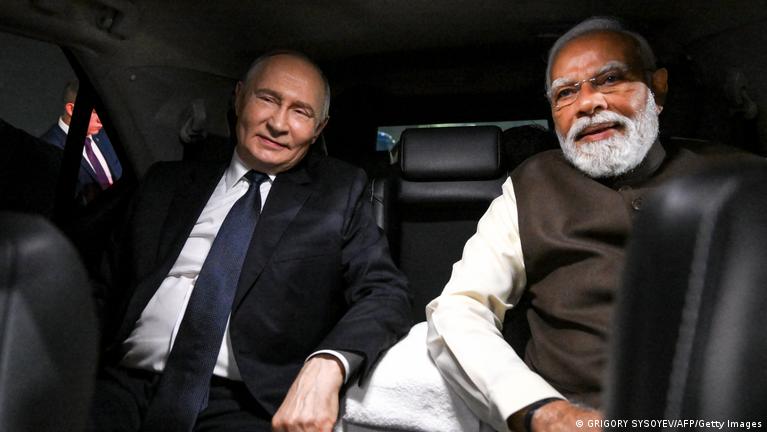
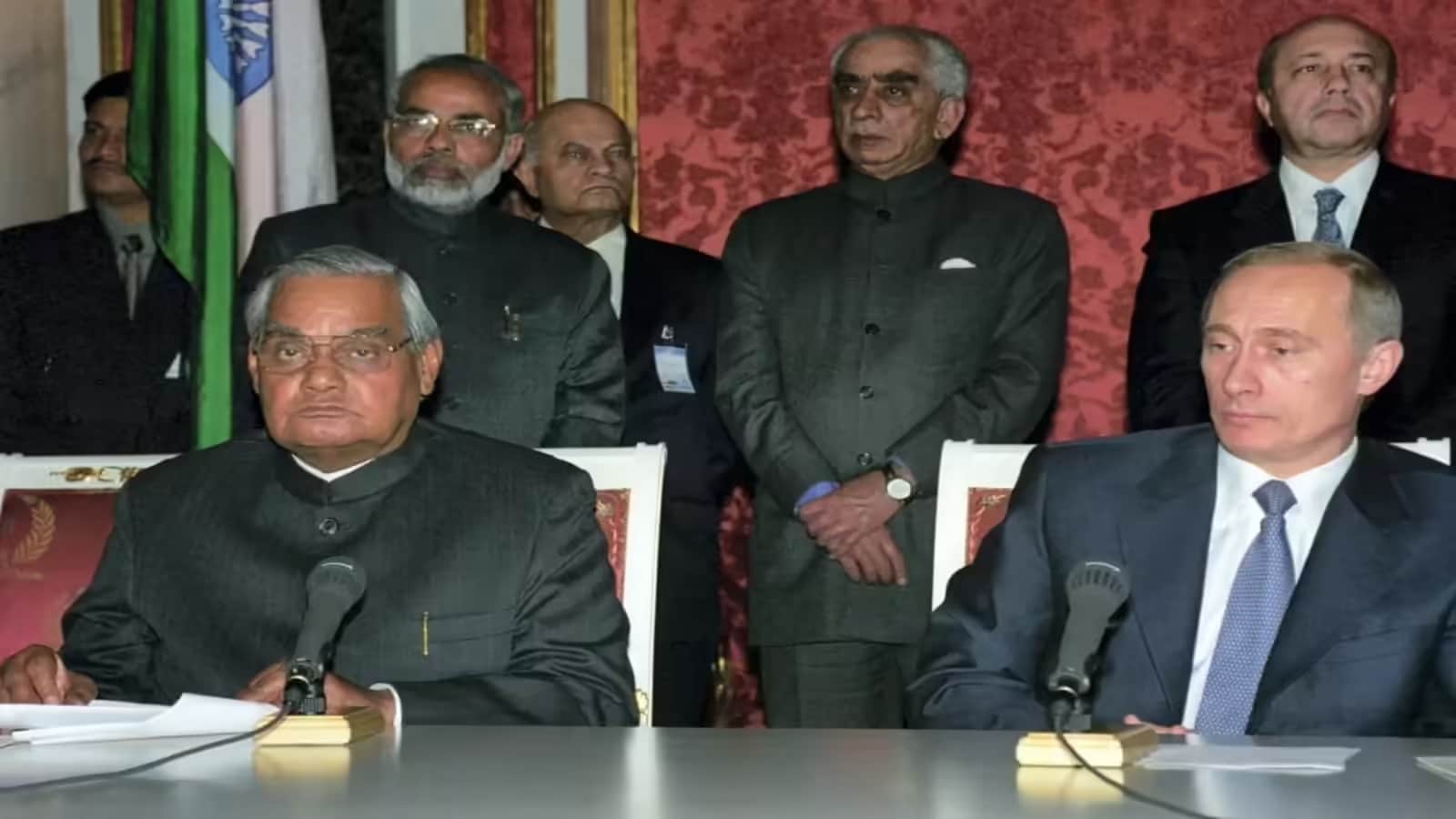
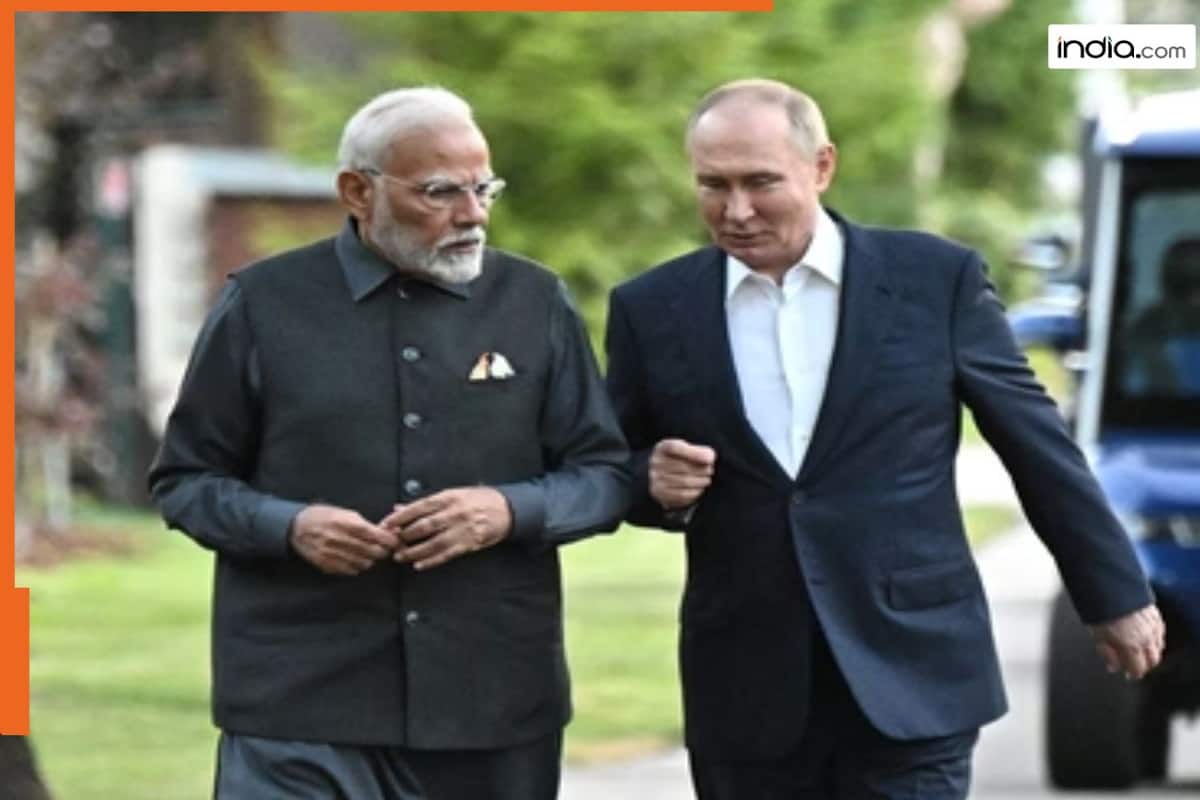
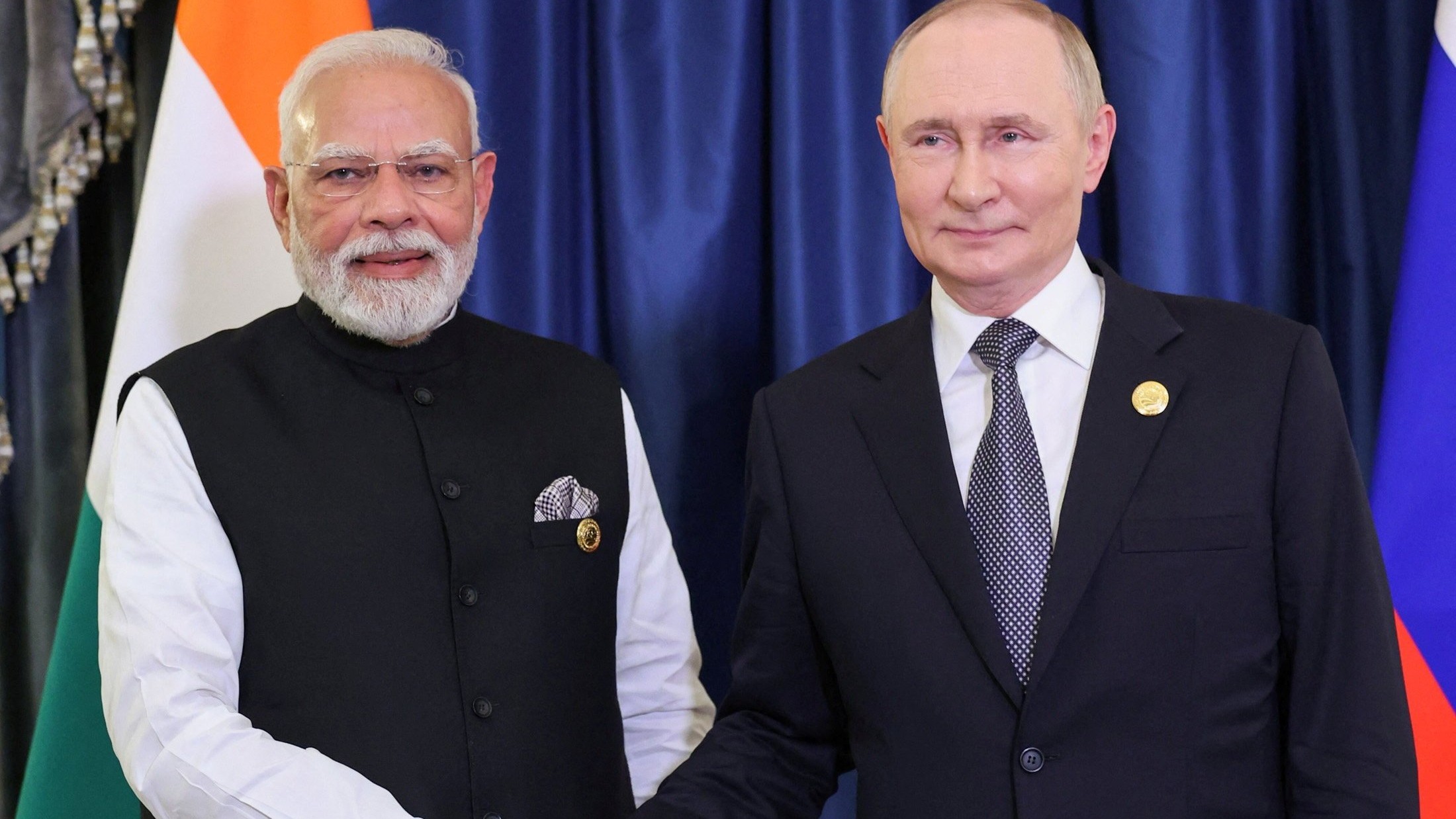
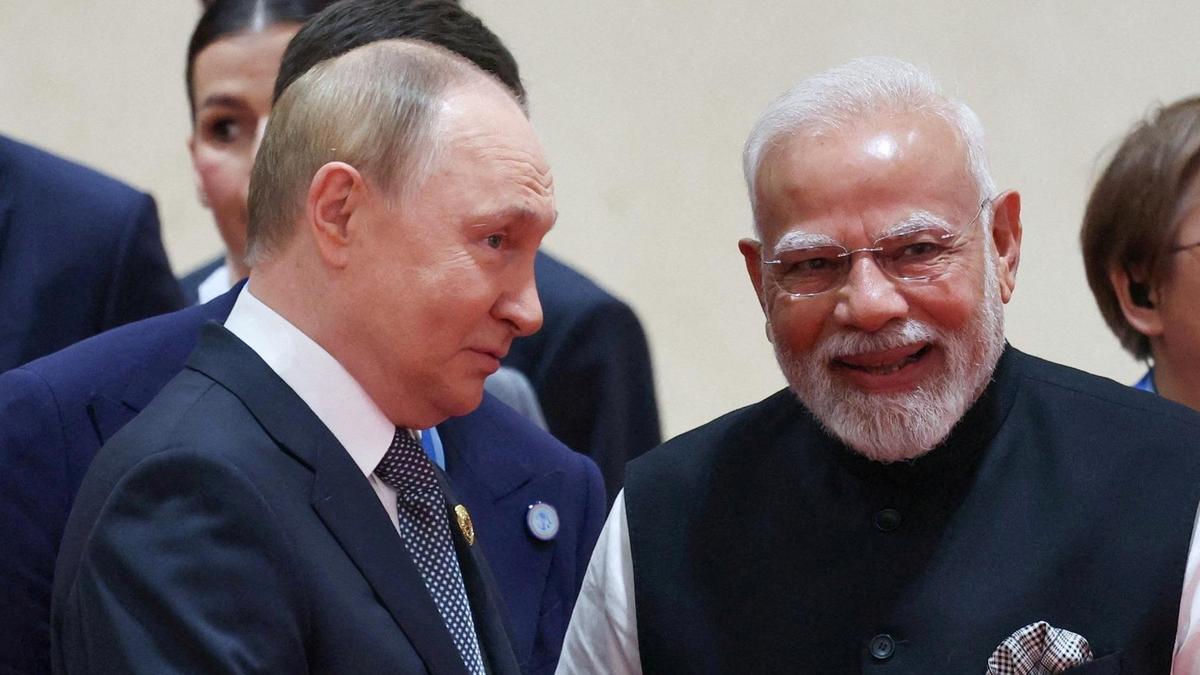
Geopolitical recalibration is unfolding through India's nuanced diplomatic engagement with Russia, challenging traditional international alignment frameworks. At the core of this strategic maneuver lies a sophisticated approach to maintaining strategic autonomy while navigating complex global pressures.
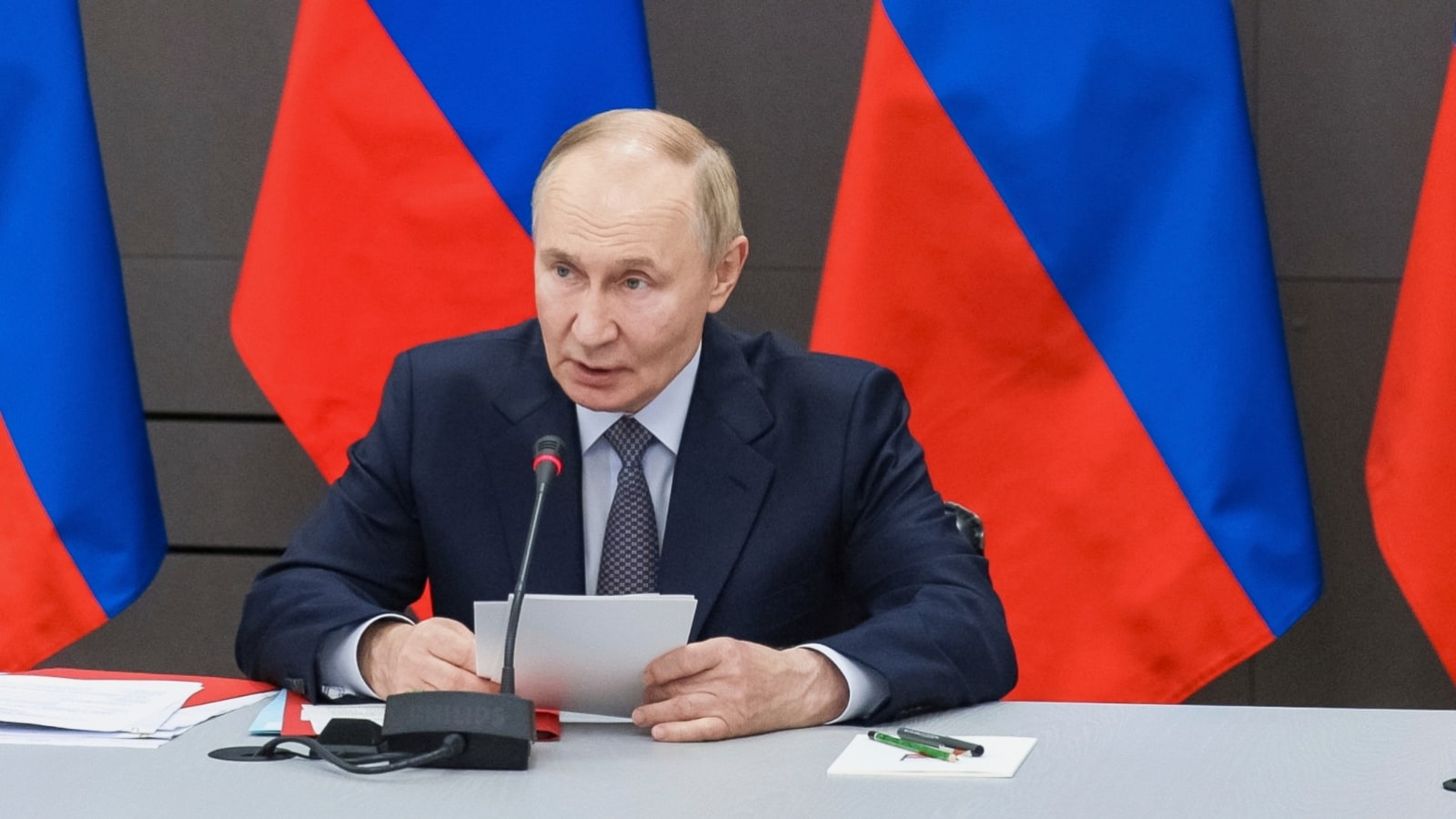
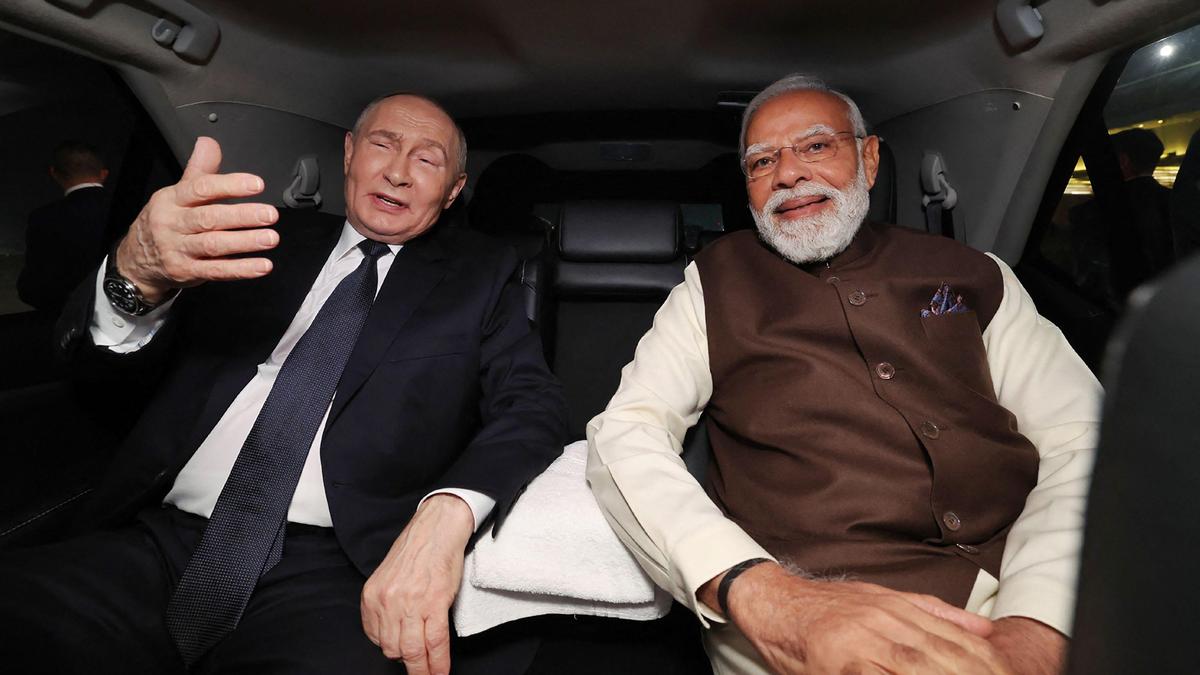
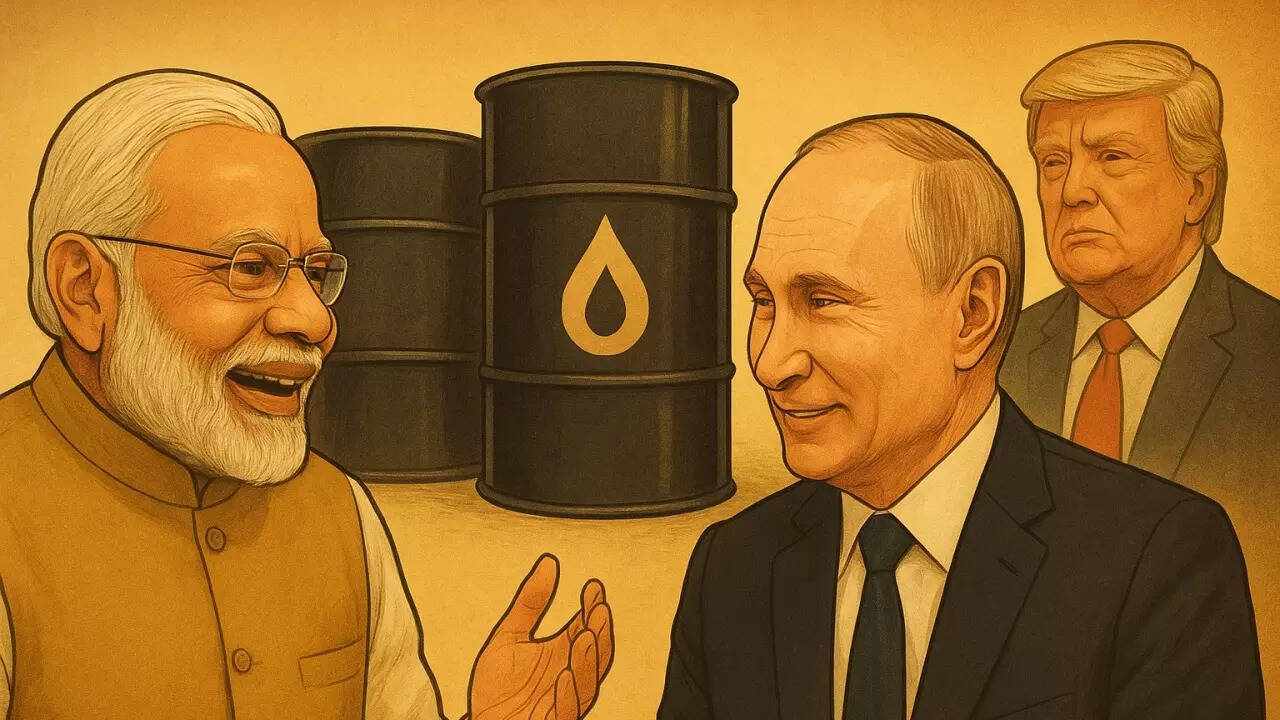
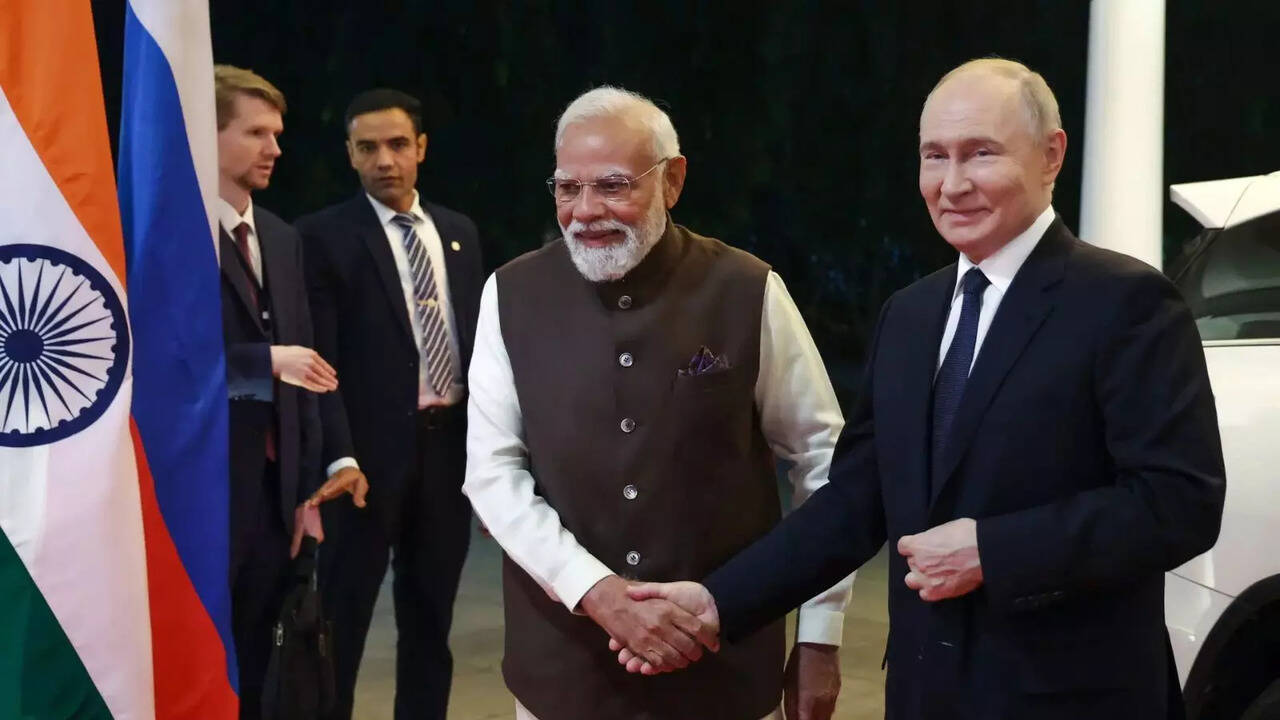
Russia's diplomatic visit reveals a multifaceted partnership extending far beyond traditional defense procurement. The bilateral discussions showcase India's calculated risk-taking, with defense deals totaling over Rs 58,000 crore that strategically position the country as an independent geopolitical actor. By increasing Russian oil imports from 2.5% to 36% in 2022 and saving approximately $12.20 per barrel, India demonstrates economic pragmatism in the face of international sanctions.
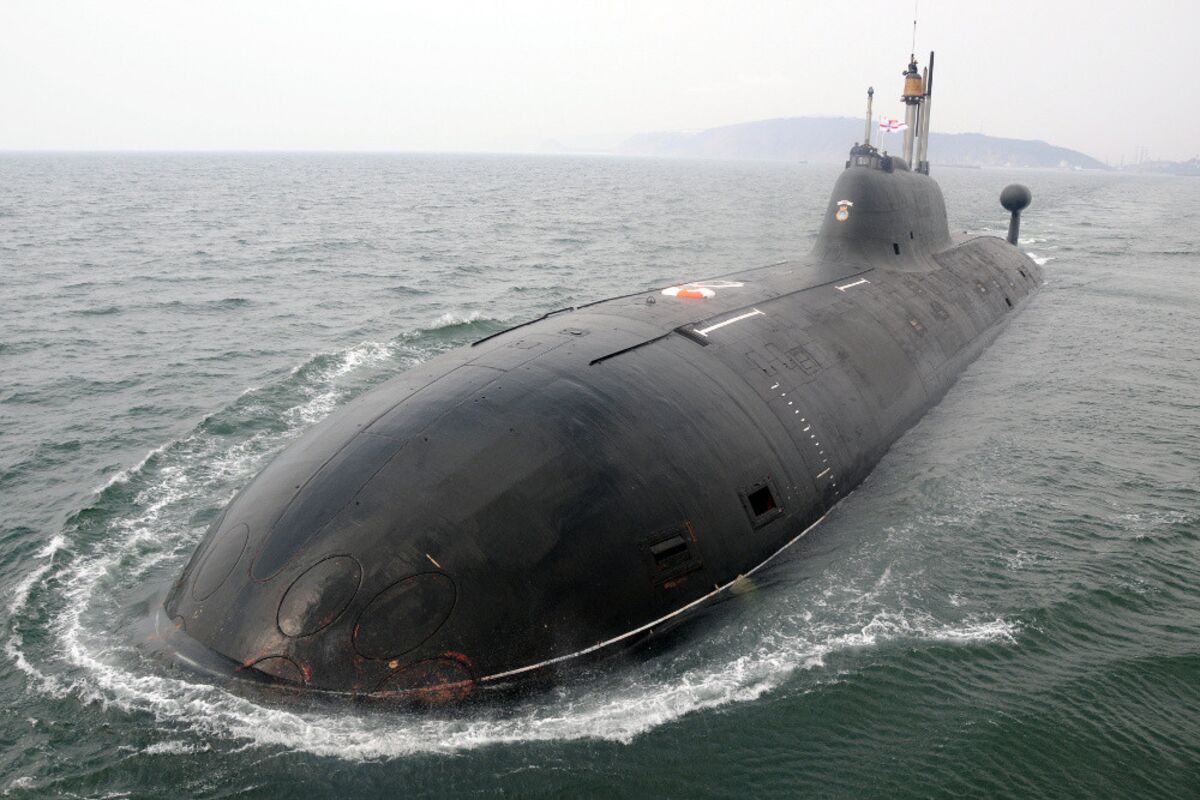
Technological cooperation emerges as a critical dimension of this relationship. The agreements around S-400 air defense systems, Sukhoi fighter jet upgrades, and BrahMos missile technology exchanges represent more than mere transactions—they symbolize a deep strategic technological partnership. Russia's commitment to supporting India's Atmanirbhar Bharat (self-reliance) policy signals a long-term collaborative approach that transcends immediate geopolitical tensions.
The diplomatic engagement highlights India's complex balancing act. Despite mounting pressure from the US and EU, India maintains an independent foreign policy stance. The targeted $100 billion bilateral trade goal by 2030, though challenging, underscores a commitment to building a resilient, multi-polar strategic relationship. This approach reveals a sophisticated understanding of global dynamics—where strategic partnerships are not binary choices but nuanced, multi-layered interactions.
Critically, India is positioning itself as a strategic pivot, capable of maintaining relationships with seemingly opposing geopolitical camps. The willingness to absorb potential economic risks, such as US-imposed 50% tariffs, demonstrates a long-term vision that prioritizes strategic flexibility over short-term economic compliance.
Questions 3
How is India maintaining strategic independence through its Russia relationship?
India is leveraging its relationship with Russia to diversify its strategic partnerships, acquiring advanced defense technologies like S-400 missile systems while simultaneously resisting direct pressure from the US and EU. By increasing Russian oil imports and pursuing independent trade policies, India demonstrates a nuanced approach to global geopolitical dynamics.
What are the economic implications of India's increased Russian oil purchases?
By increasing Russian oil imports from 2.5% to 36% in 2022, India has saved approximately $12.20 per barrel. Despite potential US retaliatory tariffs, this strategy provides significant economic advantages and signals India's willingness to prioritize national economic interests over external diplomatic pressures.