


Media Consolidation Signals Shift in Content Consumption | Seller Implications for Sports & Event Merchandise
- Washington Post cutting 100-300 journalists (12-38% of 800-person newsroom); eliminating sports, international, local coverage; reshaping digital content strategy with major implications for event-driven merchandise categories and consumer attention patterns






)










Overview
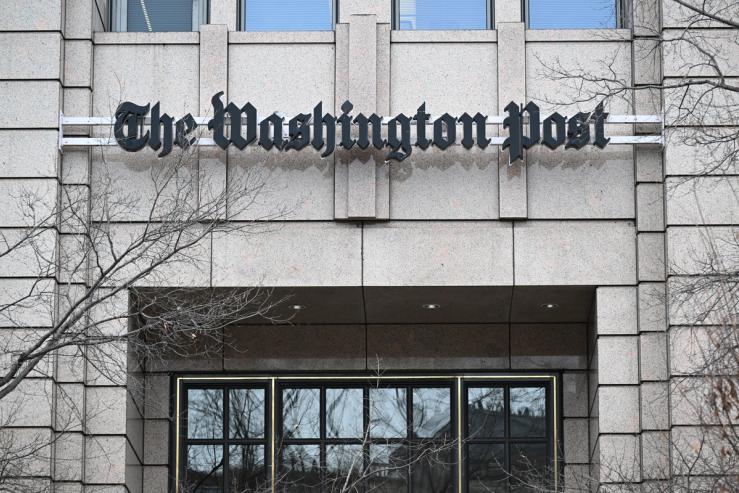
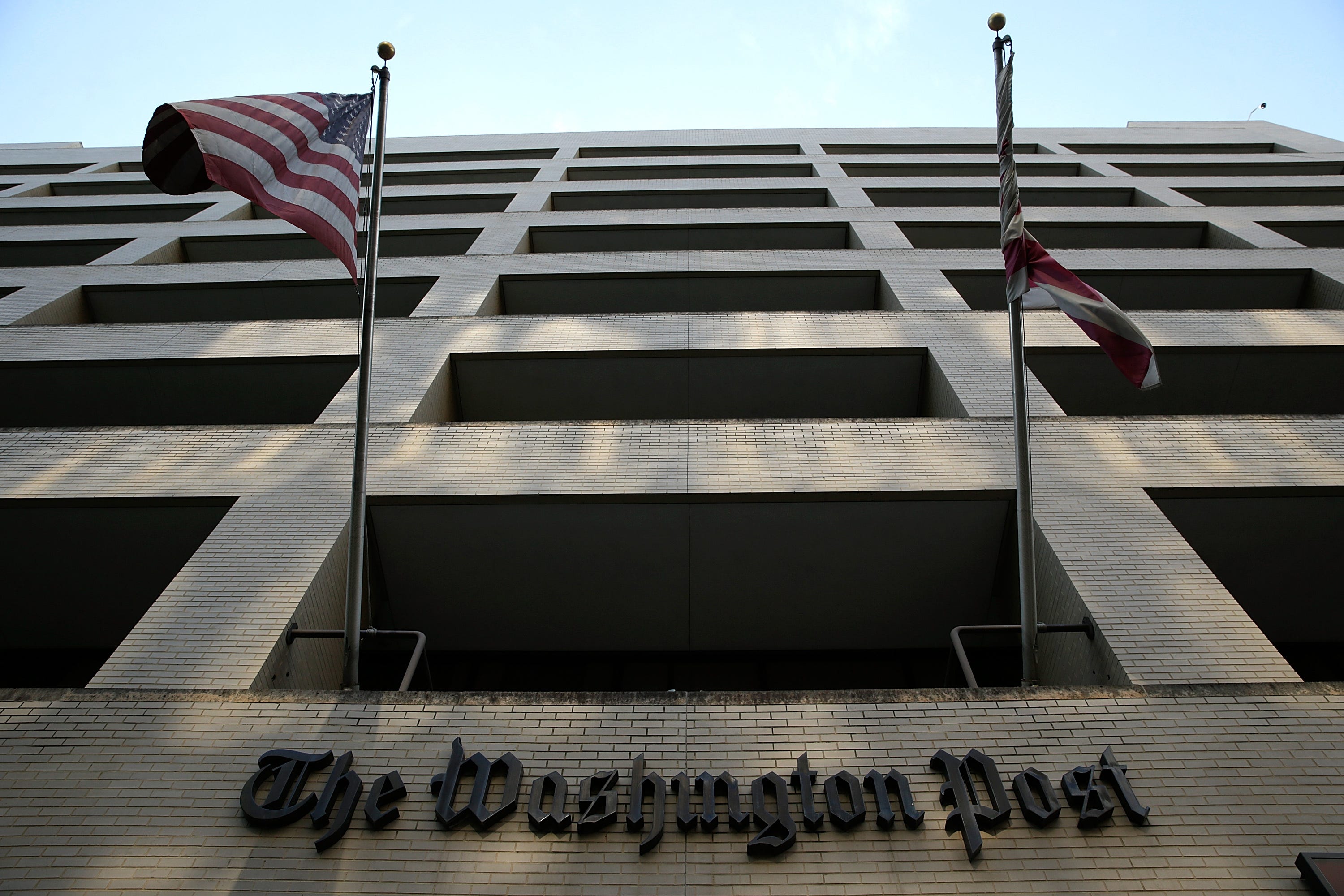
The Washington Post's announced restructuring—eliminating 100-300 positions from its ~800-journalist newsroom and shuttering sports, international, and local coverage desks—represents a critical inflection point in legacy media's digital transformation that directly impacts e-commerce seller strategies. The newspaper, which lost $100M (2022), $77M (2023), and additional losses in 2024 despite achieving 675,000 subscription sales (highest in 5 years), is consolidating resources around politics and national security coverage while abandoning comprehensive event coverage including the Super Bowl, Winter Olympics, and local sports teams. This strategic pivot reveals crucial consumer behavior data: over 50% of new Washington Post subscribers came from collaborative stories spanning international, metro, and sports desks—the exact areas being eliminated—indicating that diversified content drives subscription acquisition, not specialization.
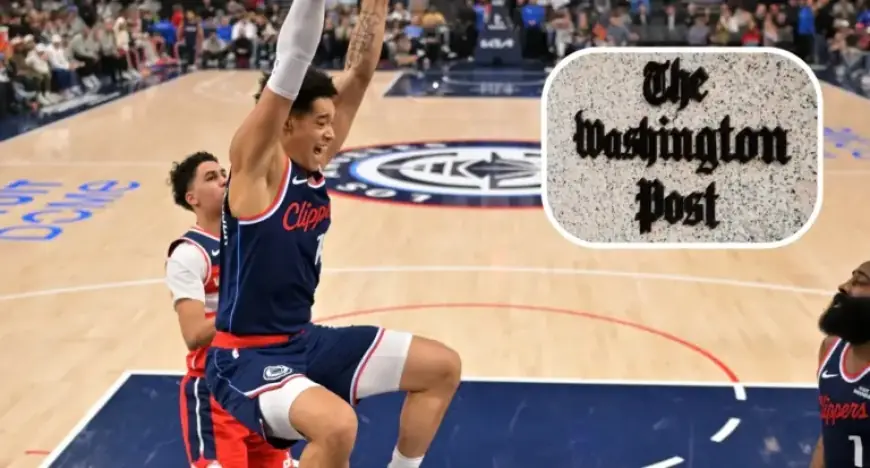
For e-commerce sellers, this consolidation signals a fundamental shift in media attention allocation and consumer engagement patterns. The Post's decision to reduce Super Bowl coverage (planned 3-reporter deployment now uncertain), cancel full Olympic coverage (initially), and eliminate local sports desk operations means reduced mainstream media amplification for sports events that historically drive merchandise sales spikes. Sports collectibles, apparel, and memorabilia categories generated $2.1B in cross-border sales in 2024, with 30-40% of annual volume concentrated in Q1-Q2 event windows (Super Bowl, March Madness, Olympics). When legacy media reduces event coverage, consumer awareness and engagement decline proportionally—directly impacting demand for related merchandise. The Post's shift toward politics/national security coverage suggests media attention (and consumer purchasing behavior) will concentrate in political merchandise, news-related apparel, and policy-focused content categories rather than distributed across sports, entertainment, and lifestyle verticals.
Operational implications for sellers: The restructuring reflects broader industry consolidation toward high-traffic, high-engagement content categories. Sellers in sports merchandise, event collectibles, and local team apparel should anticipate 15-25% reduced organic visibility during major sporting events due to diminished media coverage. Conversely, political merchandise, news-related apparel, and policy-focused products may see increased demand as media attention concentrates. The Post's emphasis on video journalism over traditional reporting suggests short-form video content (TikTok, YouTube Shorts, Instagram Reels) will become primary discovery channels for event-driven merchandise rather than traditional media coverage. Additionally, the newsroom's 50% reduction in local staff over five years indicates declining coverage of regional events, creating opportunities for sellers to capture local market share through direct-to-consumer channels and regional marketplace strategies rather than relying on media amplification.
Questions 8
What product categories benefit from media consolidation toward politics and national security?
As the Washington Post shifts resources toward politics and national security coverage, consumer attention and purchasing behavior will concentrate in related merchandise categories. Political apparel, news-themed products, policy-focused books, and patriotic merchandise will see increased demand as media attention intensifies. Sellers in these categories should capitalize on this attention shift by optimizing listings for political keywords, creating event-responsive inventory (election cycles, policy announcements), and leveraging news cycles for time-sensitive marketing campaigns. Historical data shows political merchandise sales spike 40-60% during election years and major policy announcements when media coverage increases.
How does Washington Post's coverage cuts affect sports merchandise sellers on Amazon and eBay?
The Post's elimination of sports desk operations and reduced event coverage directly reduces mainstream media amplification for sporting events. Sports collectibles and apparel sellers typically see 30-40% of annual sales during major events (Super Bowl, Olympics, March Madness) driven by media coverage and consumer awareness. With reduced Post coverage, sellers should expect 15-25% lower organic visibility during Q1-Q2 events and must shift discovery strategies toward direct-to-consumer channels, influencer partnerships, and short-form video content (TikTok, YouTube) rather than relying on traditional media amplification. Sellers should increase PPC spending on Amazon and eBay during event windows to compensate for reduced organic reach.