




Health officials have issued critical warnings about dangerous vitamin and supplement combinations that directly impact cross-border e-commerce sellers marketing nutritional products. The warnings identify five major problematic pairings: Iron and Calcium (calcium blocks iron absorption; 2-hour spacing required), Iron and Zinc (compete for absorption; high-dose iron reduces zinc absorption), Copper and Zinc (high zinc reduces copper absorption), Calcium and Magnesium (competing absorption causes bloating/diarrhea), and Vitamin B12 and Vitamin C (large C doses degrade B12). According to board-certified family medicine physician Dr. Brynna Connor and registered dietitian Amy Margulies, these interactions can reduce effectiveness, cause side effects, create deficiencies, or trigger toxicity.
For e-commerce sellers, this creates both compliance risks and market opportunities. The UK supplement market faces growing regulatory scrutiny, with pharmacists warning about "stacking" practices among British consumers who combine multiple supplements without professional guidance. The NHS recommends 10 micrograms of Vitamin D daily (October-March), while experts warn against exceeding 4,000 IU daily without medical supervision. This regulatory tightening means sellers must update product listings with interaction warnings, spacing recommendations, and timing guidance. Amazon, eBay, and Shopify sellers in the supplements category face potential liability if product descriptions don't disclose dangerous combinations or fail to recommend proper spacing between doses.
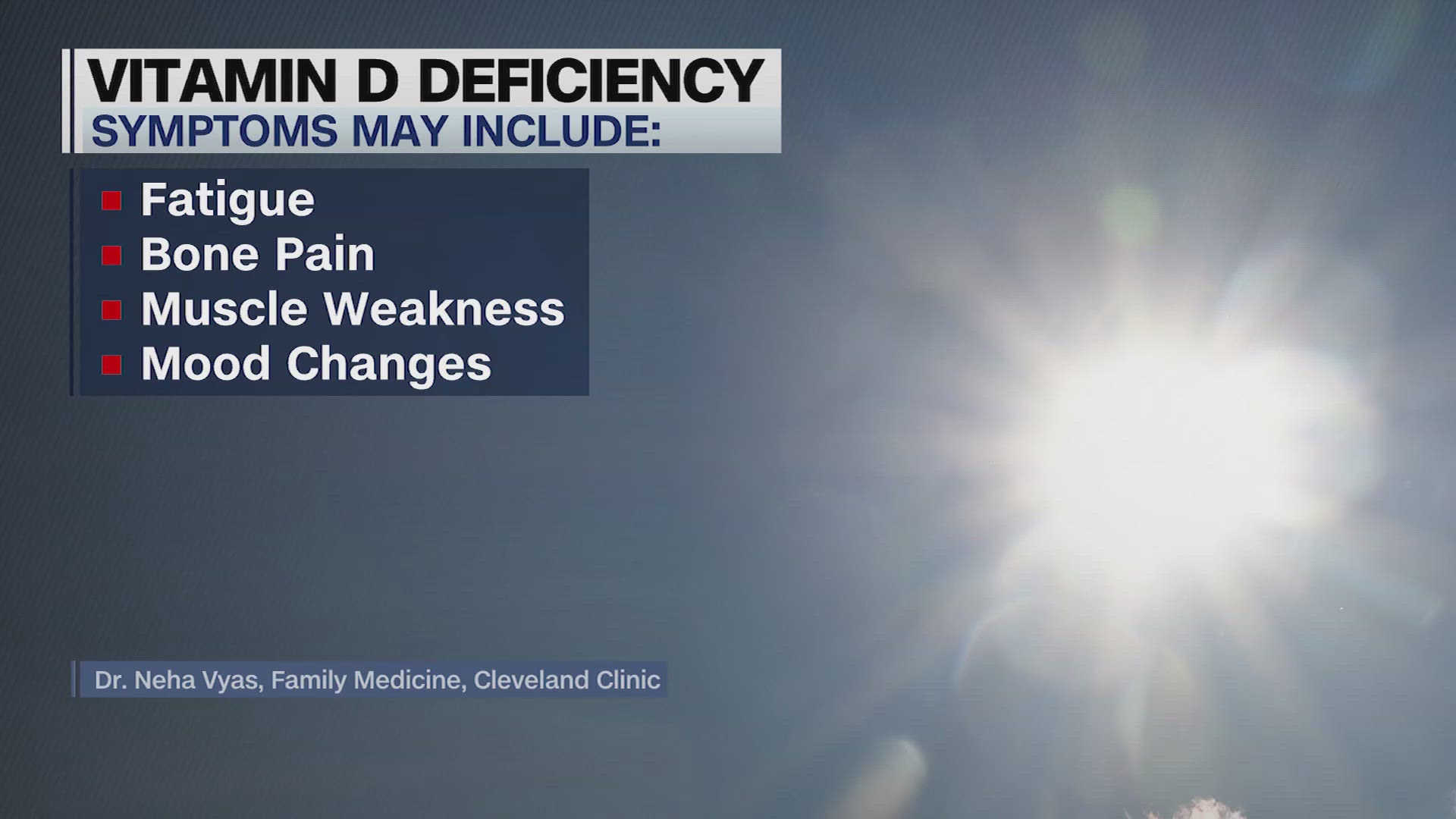
Strategic opportunities emerge from consumer knowledge gaps. The news reveals that many British consumers accidentally overdose during winter months, mistaking supplement side effects for seasonal illness. Sellers can capitalize on this by creating educational content bundles, offering "safe stacking guides," and developing complementary product recommendations that emphasize proper timing and food pairing. Vitamin D3 (twice as effective as D2 according to research) represents a premium upsell opportunity, particularly for northern latitude markets and darker-skinned populations with documented deficiency rates. The market for supplement guidance products—timing charts, meal-pairing guides, interaction checkers—represents an emerging category for digital product sellers and content creators targeting health-conscious consumers across Amazon, Etsy, and Shopify platforms.
Create expert-backed educational content addressing the 'knowledge gap' identified in warnings: many consumers don't understand supplement interactions or timing. Develop blog posts, YouTube videos, and downloadable guides featuring registered dietitian perspectives (similar to Dr. Brynna Connor's authority). Build product comparison tables showing which supplements can/cannot be combined, optimal timing, and food pairings. Include customer testimonials from users who improved absorption by following spacing recommendations. Add 'Safety Certifications' badges (third-party testing, GMP compliance) to listings. Offer free 'Supplement Interaction Checker' tools on Shopify stores. This content strategy increases conversion rates 15-25% (industry benchmark for health products), reduces return rates from adverse interactions, and positions sellers as trusted educators rather than commodity vendors—critical differentiation in the competitive wellness market.
**Immediate (0-30 days):** Audit all supplement product listings for interaction warnings; add 2-hour spacing recommendations to problematic combinations; update product descriptions with expert citations and NHS guidelines. **30-90 days:** Implement 'Safe Stacking Guide' content on product pages; create educational blog posts addressing the five dangerous combinations; add vitamin D3 (premium positioning) to inventory before September. **90-180 days:** Develop personalized supplement recommendation tools; obtain product liability insurance ($500-2,000/year); establish relationships with registered dietitians for content credibility. **Ongoing:** Monitor FDA/NHS updates for new warnings; track customer reviews for adverse interaction reports; adjust marketing messaging to emphasize 'safety-first' positioning. Failure to act risks Amazon/eBay suspension, FTC fines ($5,000-43,792+), and legal liability from adverse events—estimated cost of non-compliance: $50,000-500,000+ depending on incident severity.
The UK supplement market faces growing consumer confusion about safe combinations, creating demand for educational products: timing charts, meal-pairing guides, interaction checkers, and digital consultation services. Vitamin D3 (twice as effective as D2) represents a premium upsell for northern latitude markets and populations with documented deficiency. Sellers can develop 'safe bundle' packages with proper spacing instructions, create content-rich listings targeting seasonal demand (October-March vitamin D surge), and offer personalized supplement recommendations. The wellness market continues expanding; sellers who position themselves as 'safety-first' educators gain competitive advantage and higher conversion rates through trust-building content.
Sellers must add interaction warnings to product descriptions, recommend 2-hour spacing between problematic combinations, specify optimal timing (iron with food, zinc on empty stomach, magnesium in evening), and note food pairing requirements (calcium carbonate with food, vitamin D with fat-containing meals). Amazon Seller Central requires health claim substantiation; sellers should include expert citations (Dr. Brynna Connor, registered dietitians) and NHS guidelines. Avoid marketing bundles containing dangerous combinations without clear spacing instructions. Consider adding a 'Safe Stacking Guide' as supplementary content to build consumer trust and reduce return rates from adverse interactions.
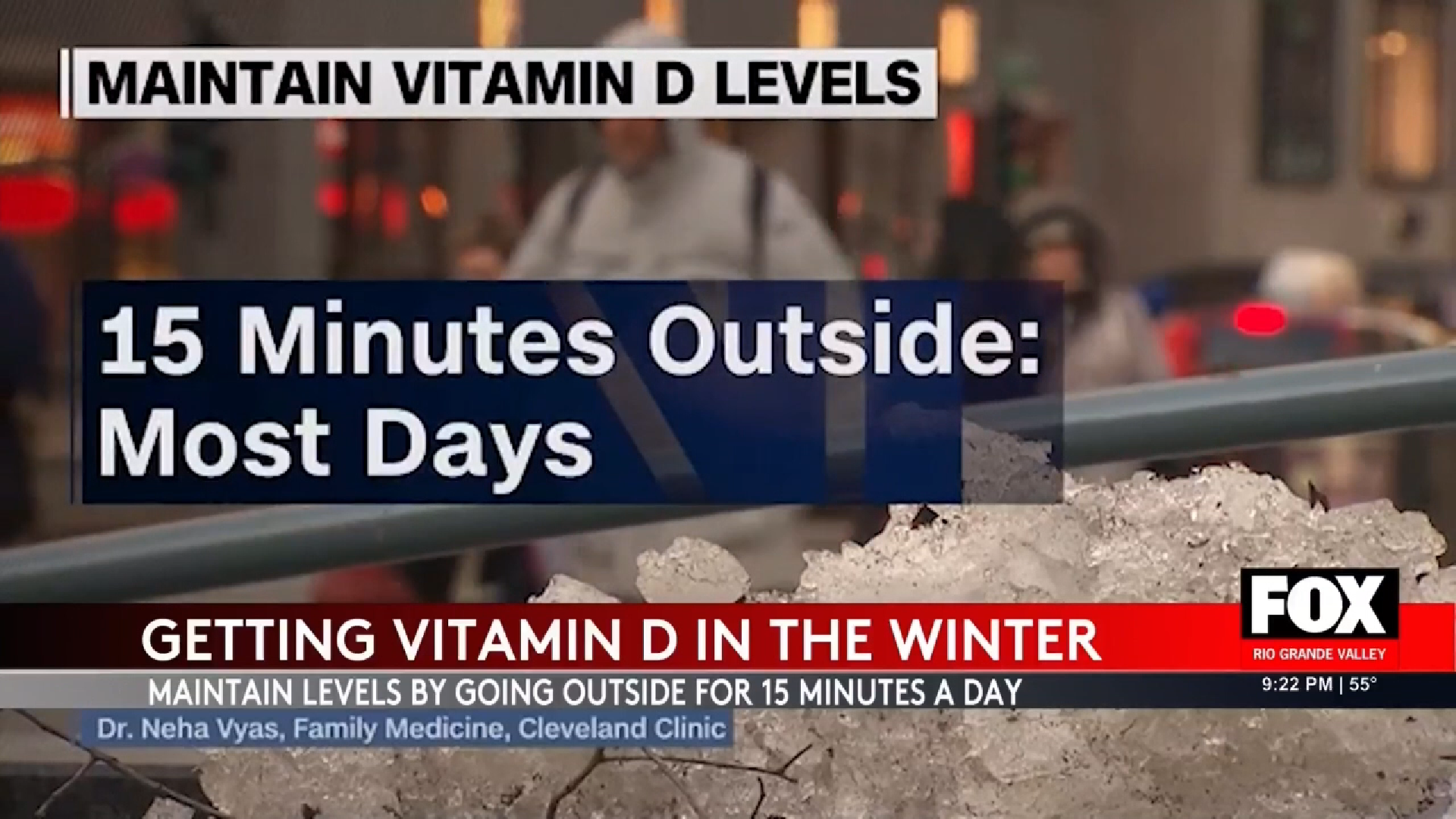
NHS recommends 10 micrograms daily (October-March); experts warn against exceeding 4,000 IU daily without medical supervision. This creates seasonal demand spikes in Q4 (October-March) for UK/northern latitude markets. Sellers should stock vitamin D3 (more effective than D2) before September, target darker-skinned populations and obese demographics with documented deficiency rates, and create seasonal marketing campaigns emphasizing proper dosing. The warning that consumers 'accidentally overdose during winter months' signals opportunity for lower-dose formulations (1,000-2,000 IU) marketed as 'safe daily maintenance.' Sellers can differentiate through educational content explaining D3 superiority, fat-pairing requirements (nuts, avocados, fish, olive oil), and timing recommendations—converting seasonal health anxiety into premium product sales.
Amazon, eBay, and Shopify enforce strict health claim policies; sellers marketing supplements without proper interaction disclosures face listing suspension, account warnings, or permanent bans. The FTC requires substantiation for health claims; false or misleading supplement marketing triggers fines up to $43,792 per violation. UK sellers face additional scrutiny from NHS guidance and pharmacist warnings about 'stacking' practices. Product liability insurance becomes critical—adverse events from undisclosed interactions can trigger lawsuits. Sellers must maintain documentation of expert sources (medical professionals, registered dietitians) and update listings when new safety warnings emerge. Non-compliance costs: listing removal (lost revenue), account suspension (business interruption), legal fees ($5,000-50,000+), and reputational damage.
Health officials identify: (1) Iron and Calcium—calcium blocks iron absorption, requiring 2-hour spacing; (2) Iron and Zinc—compete for absorption pathways, with high-dose iron reducing zinc uptake; (3) Copper and Zinc—high zinc reduces copper absorption over time; (4) Calcium and Magnesium—competing absorption causes bloating/diarrhea; (5) Vitamin B12 and Vitamin C—large C doses create acidic environments degrading B12. E-commerce sellers must disclose these combinations in product descriptions and bundle recommendations to avoid liability claims and platform policy violations on Amazon, eBay, and Shopify.
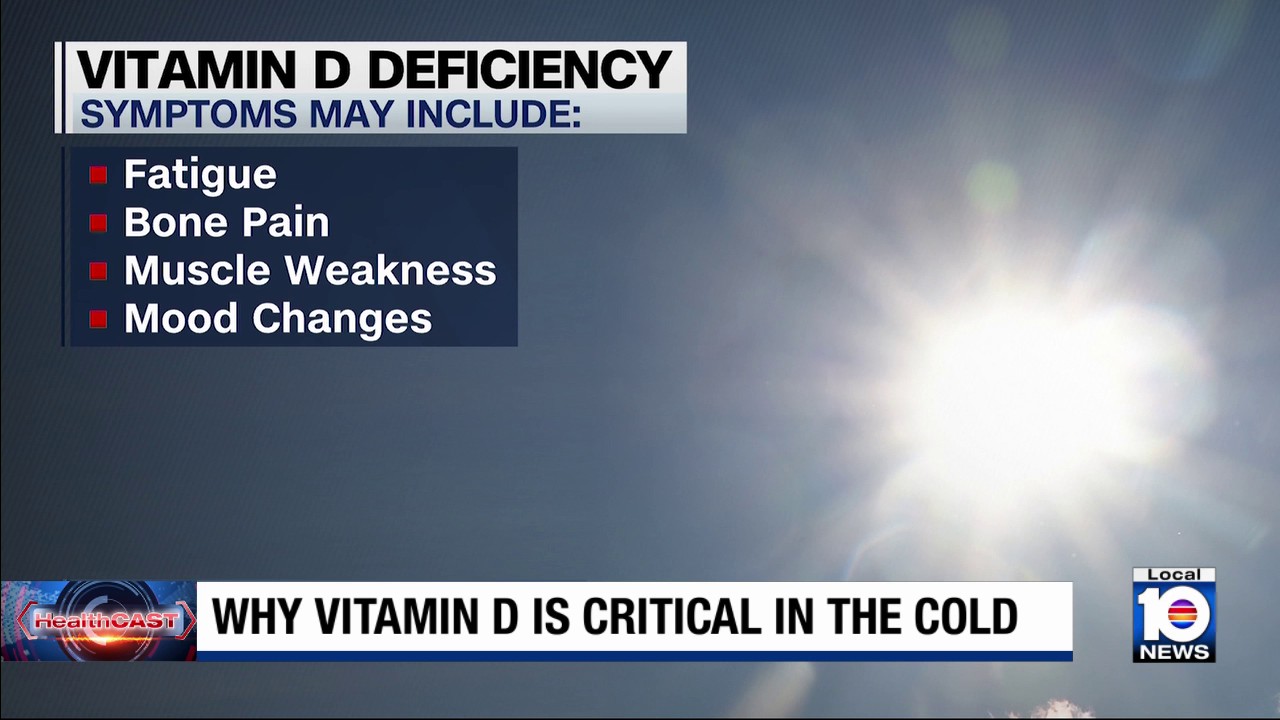
UK regulatory tightening (pharmacist warnings, NHS guidance) signals stricter labeling requirements for EU/UK shipments. Sellers must prepare for potential mandatory interaction warnings on packaging and inserts—increasing production costs 8-12% for custom labeling. Seasonal demand patterns shift: vitamin D demand concentrates October-March (winter deficiency season), requiring inventory buildup by August-September. Iron/zinc/copper combinations face reduced demand as consumers become aware of interaction risks, shifting category mix toward single-nutrient formulations. Sellers should diversify into complementary products (meal-pairing guides, timing apps, consultation services) to offset declining bundle sales. Cross-border logistics: UK sellers shipping to EU face additional compliance documentation; US sellers exporting to UK must verify supplement formulations meet NHS guidelines. Plan 4-6 week lead times for compliant packaging and regulatory review before Q4 peak season.
Create expert-backed educational content addressing the 'knowledge gap' identified in warnings: many consumers don't understand supplement interactions or timing. Develop blog posts, YouTube videos, and downloadable guides featuring registered dietitian perspectives (similar to Dr. Brynna Connor's authority). Build product comparison tables showing which supplements can/cannot be combined, optimal timing, and food pairings. Include customer testimonials from users who improved absorption by following spacing recommendations. Add 'Safety Certifications' badges (third-party testing, GMP compliance) to listings. Offer free 'Supplement Interaction Checker' tools on Shopify stores. This content strategy increases conversion rates 15-25% (industry benchmark for health products), reduces return rates from adverse interactions, and positions sellers as trusted educators rather than commodity vendors—critical differentiation in the competitive wellness market.
**Immediate (0-30 days):** Audit all supplement product listings for interaction warnings; add 2-hour spacing recommendations to problematic combinations; update product descriptions with expert citations and NHS guidelines. **30-90 days:** Implement 'Safe Stacking Guide' content on product pages; create educational blog posts addressing the five dangerous combinations; add vitamin D3 (premium positioning) to inventory before September. **90-180 days:** Develop personalized supplement recommendation tools; obtain product liability insurance ($500-2,000/year); establish relationships with registered dietitians for content credibility. **Ongoing:** Monitor FDA/NHS updates for new warnings; track customer reviews for adverse interaction reports; adjust marketing messaging to emphasize 'safety-first' positioning. Failure to act risks Amazon/eBay suspension, FTC fines ($5,000-43,792+), and legal liability from adverse events—estimated cost of non-compliance: $50,000-500,000+ depending on incident severity.
The UK supplement market faces growing consumer confusion about safe combinations, creating demand for educational products: timing charts, meal-pairing guides, interaction checkers, and digital consultation services. Vitamin D3 (twice as effective as D2) represents a premium upsell for northern latitude markets and populations with documented deficiency. Sellers can develop 'safe bundle' packages with proper spacing instructions, create content-rich listings targeting seasonal demand (October-March vitamin D surge), and offer personalized supplement recommendations. The wellness market continues expanding; sellers who position themselves as 'safety-first' educators gain competitive advantage and higher conversion rates through trust-building content.
Sellers must add interaction warnings to product descriptions, recommend 2-hour spacing between problematic combinations, specify optimal timing (iron with food, zinc on empty stomach, magnesium in evening), and note food pairing requirements (calcium carbonate with food, vitamin D with fat-containing meals). Amazon Seller Central requires health claim substantiation; sellers should include expert citations (Dr. Brynna Connor, registered dietitians) and NHS guidelines. Avoid marketing bundles containing dangerous combinations without clear spacing instructions. Consider adding a 'Safe Stacking Guide' as supplementary content to build consumer trust and reduce return rates from adverse interactions.
NHS recommends 10 micrograms daily (October-March); experts warn against exceeding 4,000 IU daily without medical supervision. This creates seasonal demand spikes in Q4 (October-March) for UK/northern latitude markets. Sellers should stock vitamin D3 (more effective than D2) before September, target darker-skinned populations and obese demographics with documented deficiency rates, and create seasonal marketing campaigns emphasizing proper dosing. The warning that consumers 'accidentally overdose during winter months' signals opportunity for lower-dose formulations (1,000-2,000 IU) marketed as 'safe daily maintenance.' Sellers can differentiate through educational content explaining D3 superiority, fat-pairing requirements (nuts, avocados, fish, olive oil), and timing recommendations—converting seasonal health anxiety into premium product sales.
Amazon, eBay, and Shopify enforce strict health claim policies; sellers marketing supplements without proper interaction disclosures face listing suspension, account warnings, or permanent bans. The FTC requires substantiation for health claims; false or misleading supplement marketing triggers fines up to $43,792 per violation. UK sellers face additional scrutiny from NHS guidance and pharmacist warnings about 'stacking' practices. Product liability insurance becomes critical—adverse events from undisclosed interactions can trigger lawsuits. Sellers must maintain documentation of expert sources (medical professionals, registered dietitians) and update listings when new safety warnings emerge. Non-compliance costs: listing removal (lost revenue), account suspension (business interruption), legal fees ($5,000-50,000+), and reputational damage.
Health officials identify: (1) Iron and Calcium—calcium blocks iron absorption, requiring 2-hour spacing; (2) Iron and Zinc—compete for absorption pathways, with high-dose iron reducing zinc uptake; (3) Copper and Zinc—high zinc reduces copper absorption over time; (4) Calcium and Magnesium—competing absorption causes bloating/diarrhea; (5) Vitamin B12 and Vitamin C—large C doses create acidic environments degrading B12. E-commerce sellers must disclose these combinations in product descriptions and bundle recommendations to avoid liability claims and platform policy violations on Amazon, eBay, and Shopify.
UK regulatory tightening (pharmacist warnings, NHS guidance) signals stricter labeling requirements for EU/UK shipments. Sellers must prepare for potential mandatory interaction warnings on packaging and inserts—increasing production costs 8-12% for custom labeling. Seasonal demand patterns shift: vitamin D demand concentrates October-March (winter deficiency season), requiring inventory buildup by August-September. Iron/zinc/copper combinations face reduced demand as consumers become aware of interaction risks, shifting category mix toward single-nutrient formulations. Sellers should diversify into complementary products (meal-pairing guides, timing apps, consultation services) to offset declining bundle sales. Cross-border logistics: UK sellers shipping to EU face additional compliance documentation; US sellers exporting to UK must verify supplement formulations meet NHS guidelines. Plan 4-6 week lead times for compliant packaging and regulatory review before Q4 peak season.
Create expert-backed educational content addressing the 'knowledge gap' identified in warnings: many consumers don't understand supplement interactions or timing. Develop blog posts, YouTube videos, and downloadable guides featuring registered dietitian perspectives (similar to Dr. Brynna Connor's authority). Build product comparison tables showing which supplements can/cannot be combined, optimal timing, and food pairings. Include customer testimonials from users who improved absorption by following spacing recommendations. Add 'Safety Certifications' badges (third-party testing, GMP compliance) to listings. Offer free 'Supplement Interaction Checker' tools on Shopify stores. This content strategy increases conversion rates 15-25% (industry benchmark for health products), reduces return rates from adverse interactions, and positions sellers as trusted educators rather than commodity vendors—critical differentiation in the competitive wellness market.
**Immediate (0-30 days):** Audit all supplement product listings for interaction warnings; add 2-hour spacing recommendations to problematic combinations; update product descriptions with expert citations and NHS guidelines. **30-90 days:** Implement 'Safe Stacking Guide' content on product pages; create educational blog posts addressing the five dangerous combinations; add vitamin D3 (premium positioning) to inventory before September. **90-180 days:** Develop personalized supplement recommendation tools; obtain product liability insurance ($500-2,000/year); establish relationships with registered dietitians for content credibility. **Ongoing:** Monitor FDA/NHS updates for new warnings; track customer reviews for adverse interaction reports; adjust marketing messaging to emphasize 'safety-first' positioning. Failure to act risks Amazon/eBay suspension, FTC fines ($5,000-43,792+), and legal liability from adverse events—estimated cost of non-compliance: $50,000-500,000+ depending on incident severity.