



Blue Origin Halts New Shepard Tourism | $3.4B NASA Contract Reshapes Commercial Space Strategy
- Two-year pause affects luxury experience market; signals government contracts now drive aerospace company priorities over consumer revenue streams





























Overview
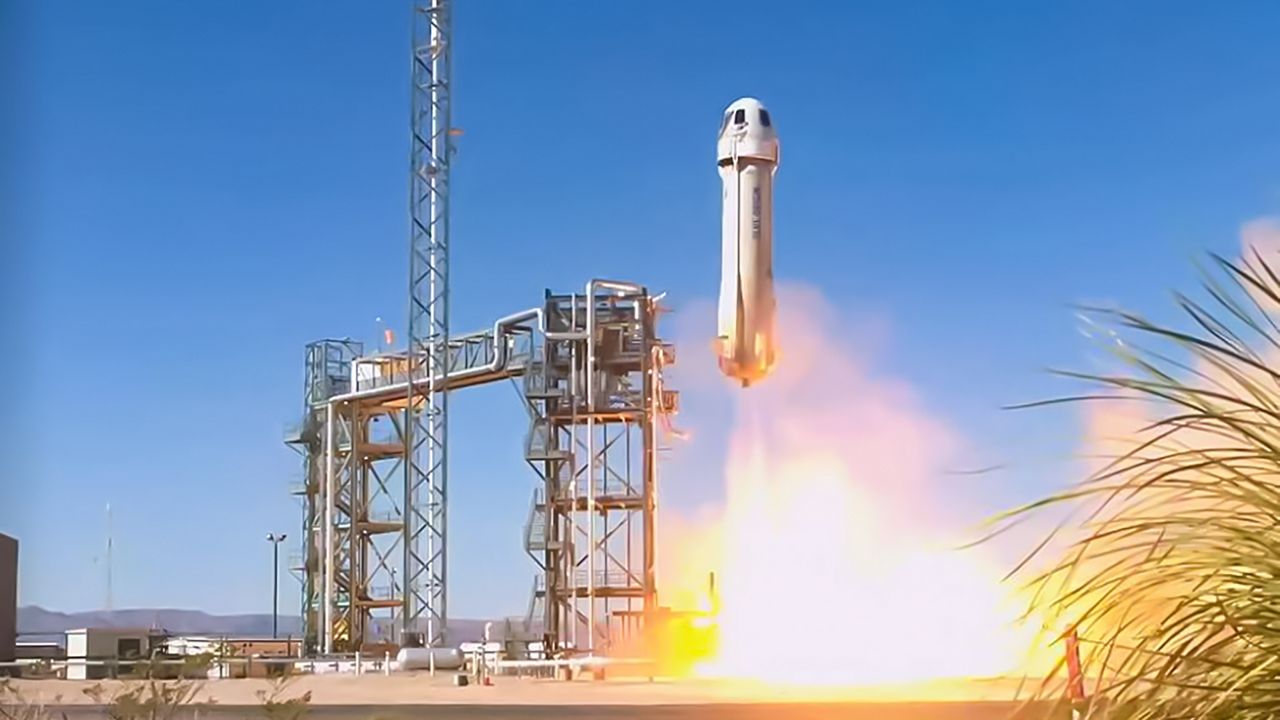
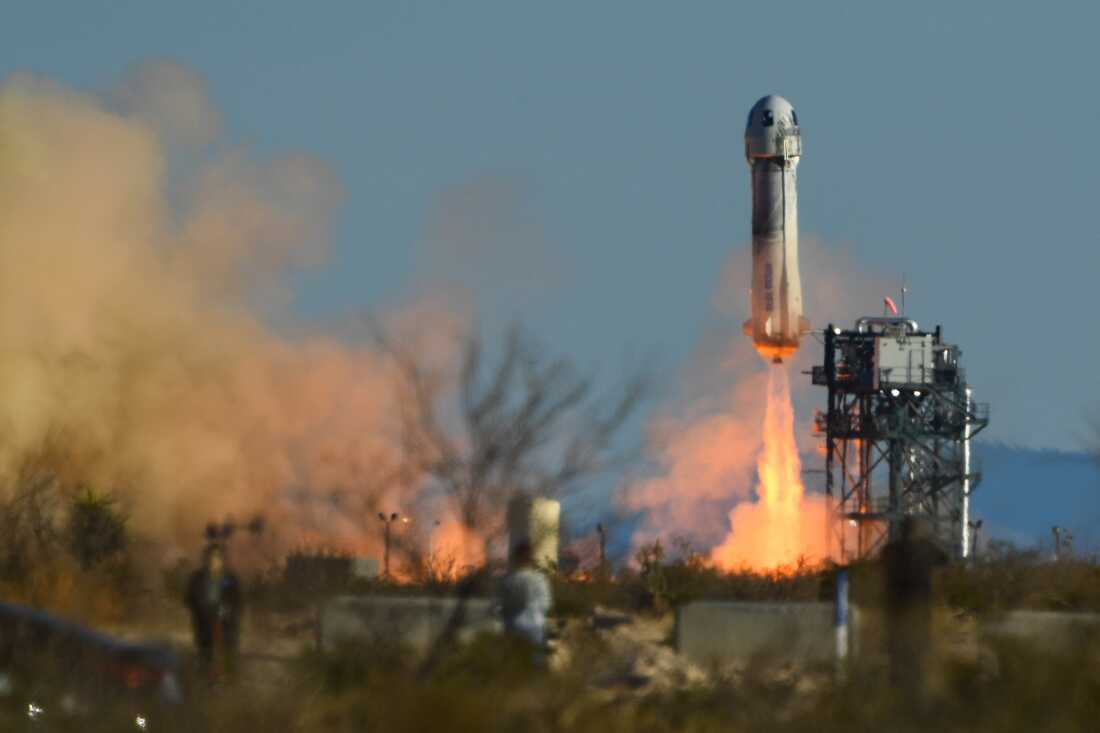
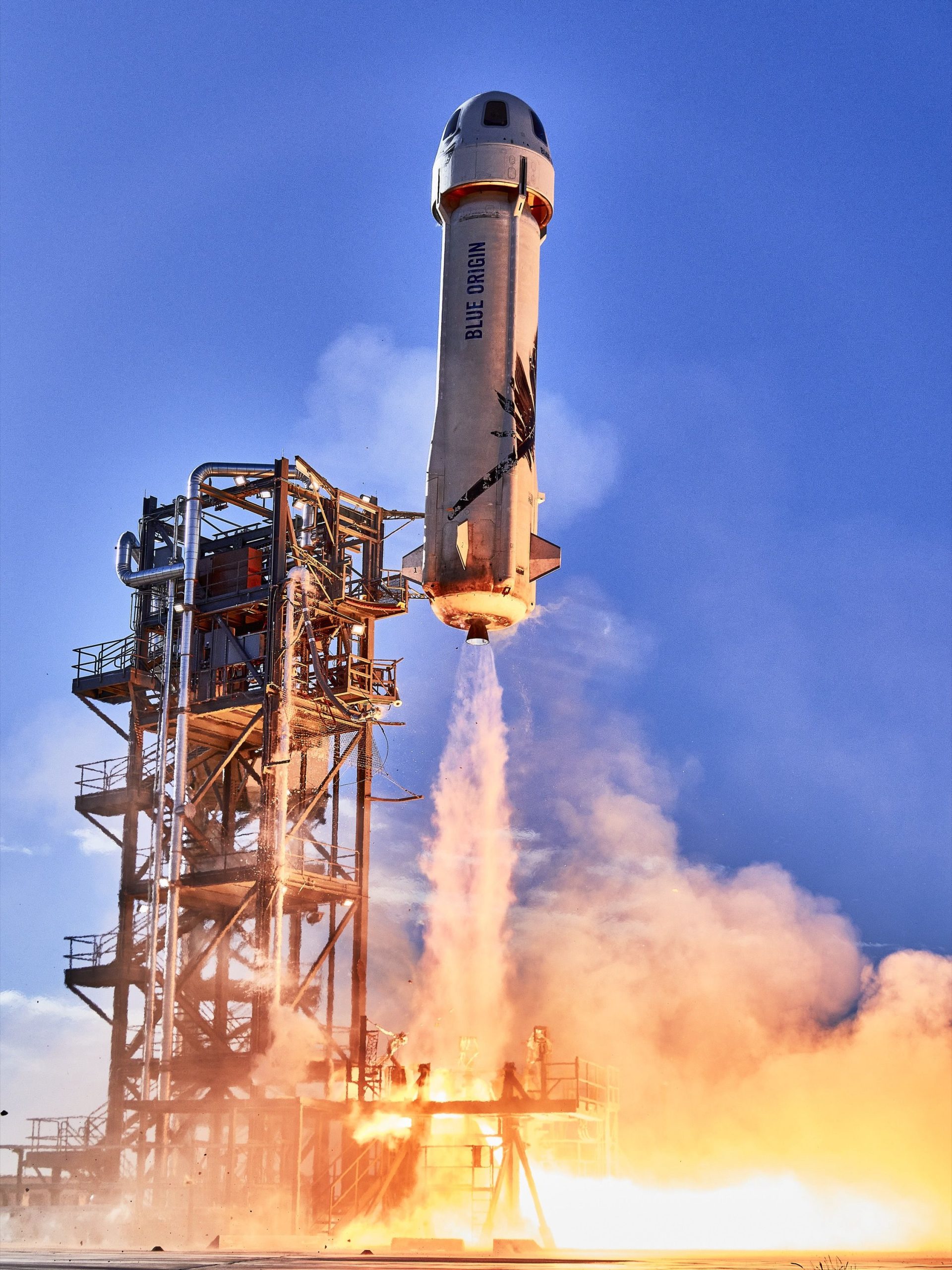
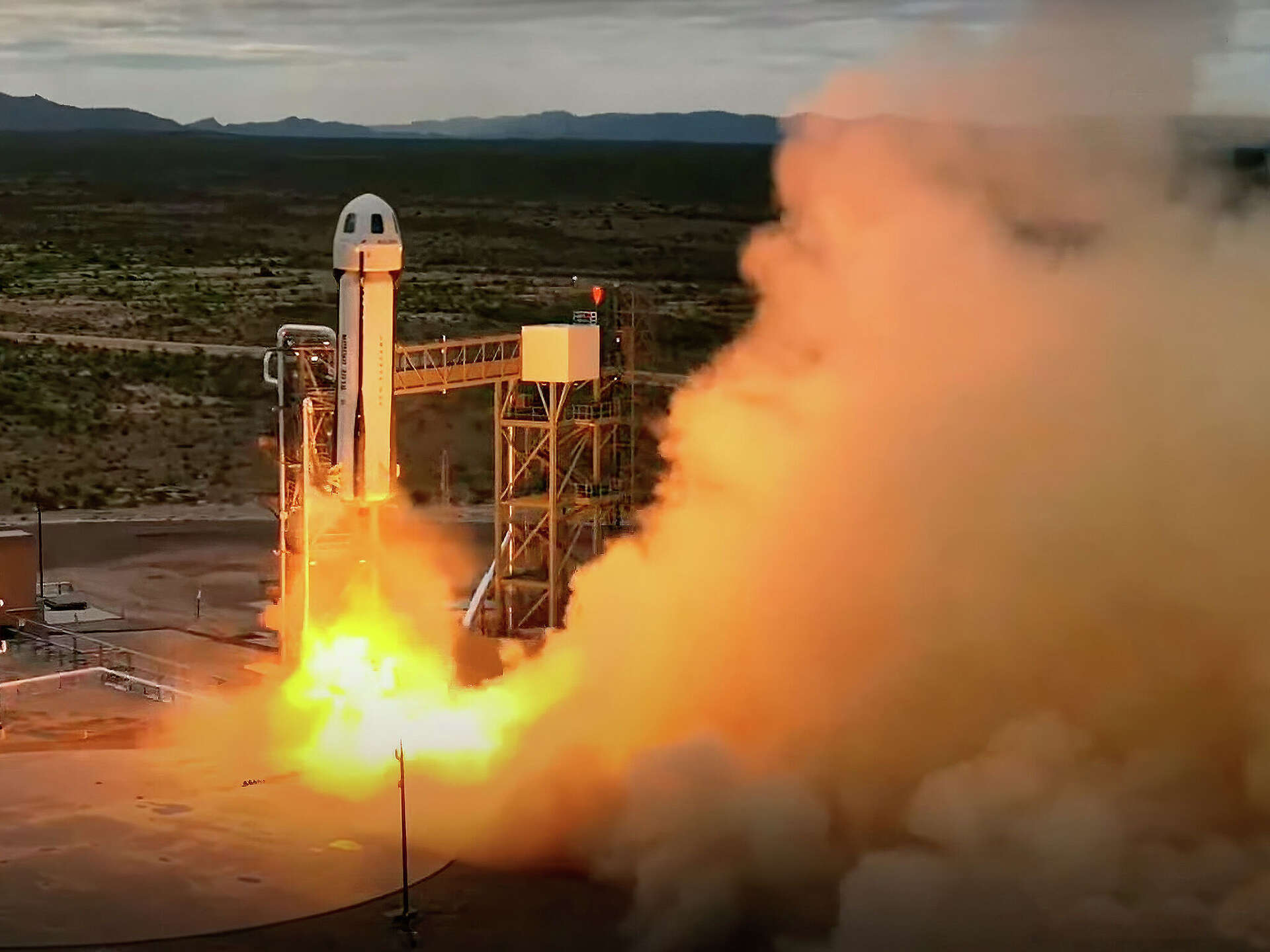
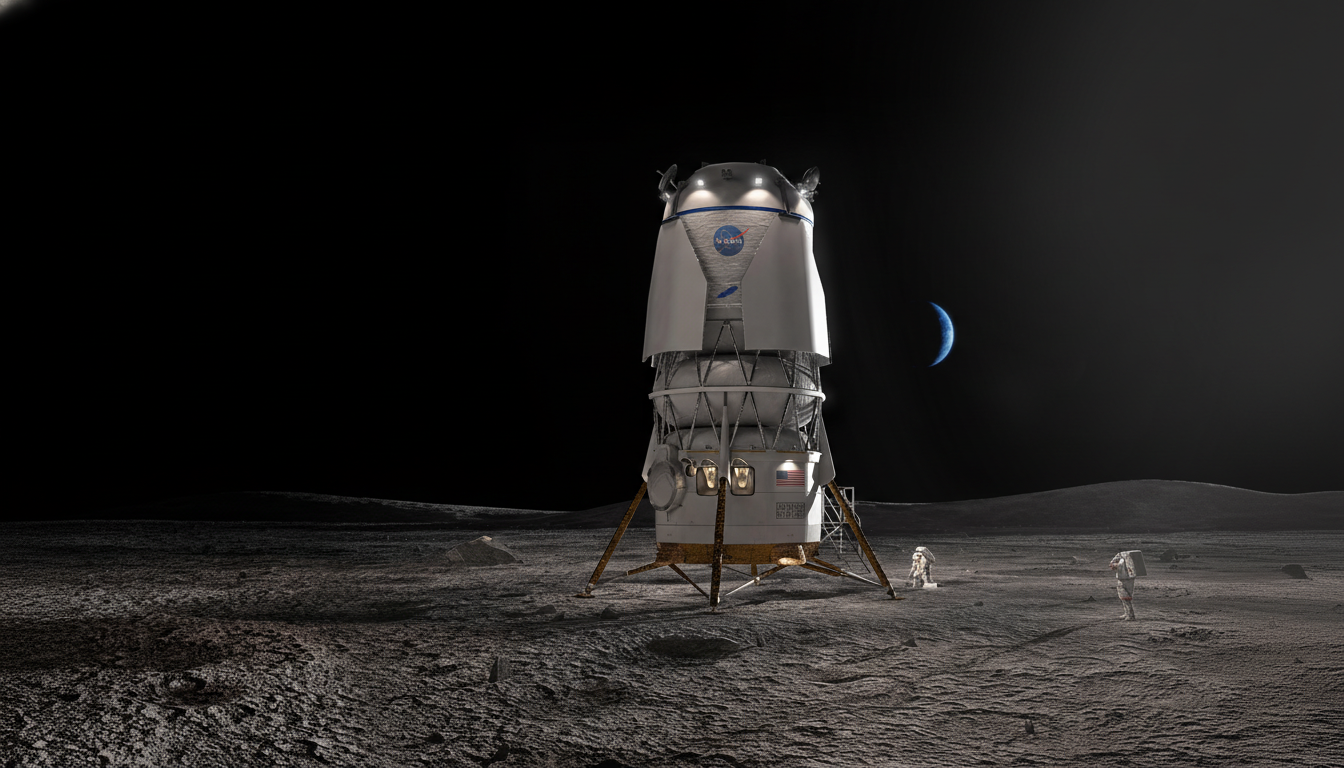
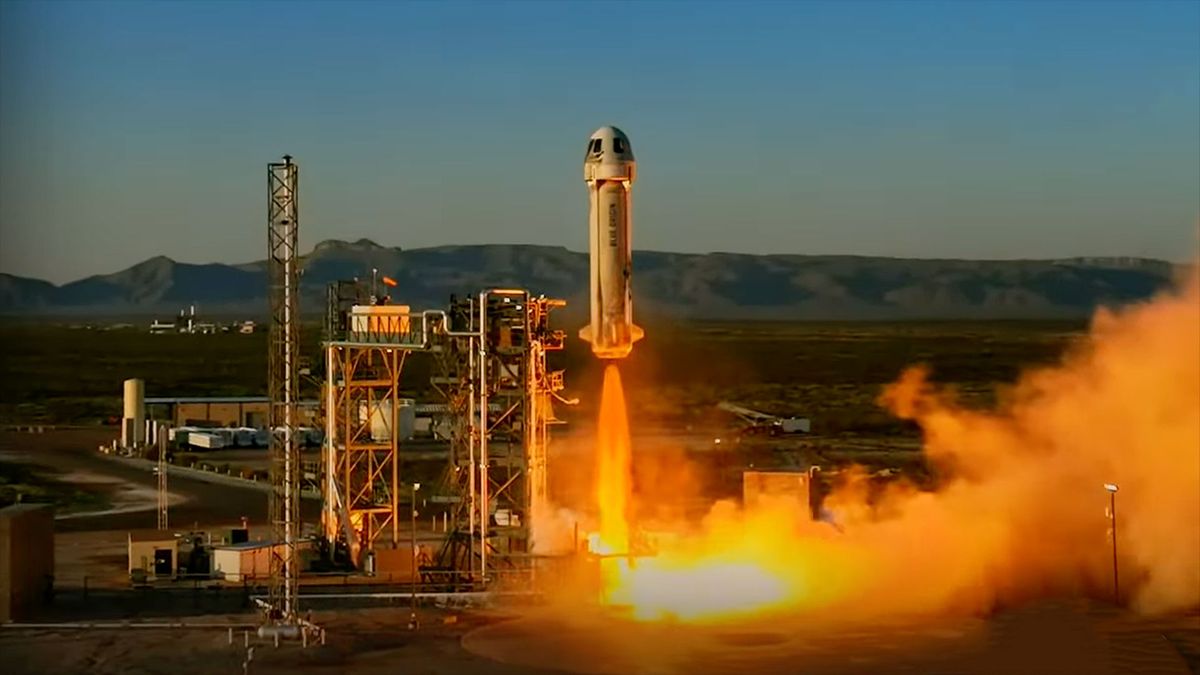
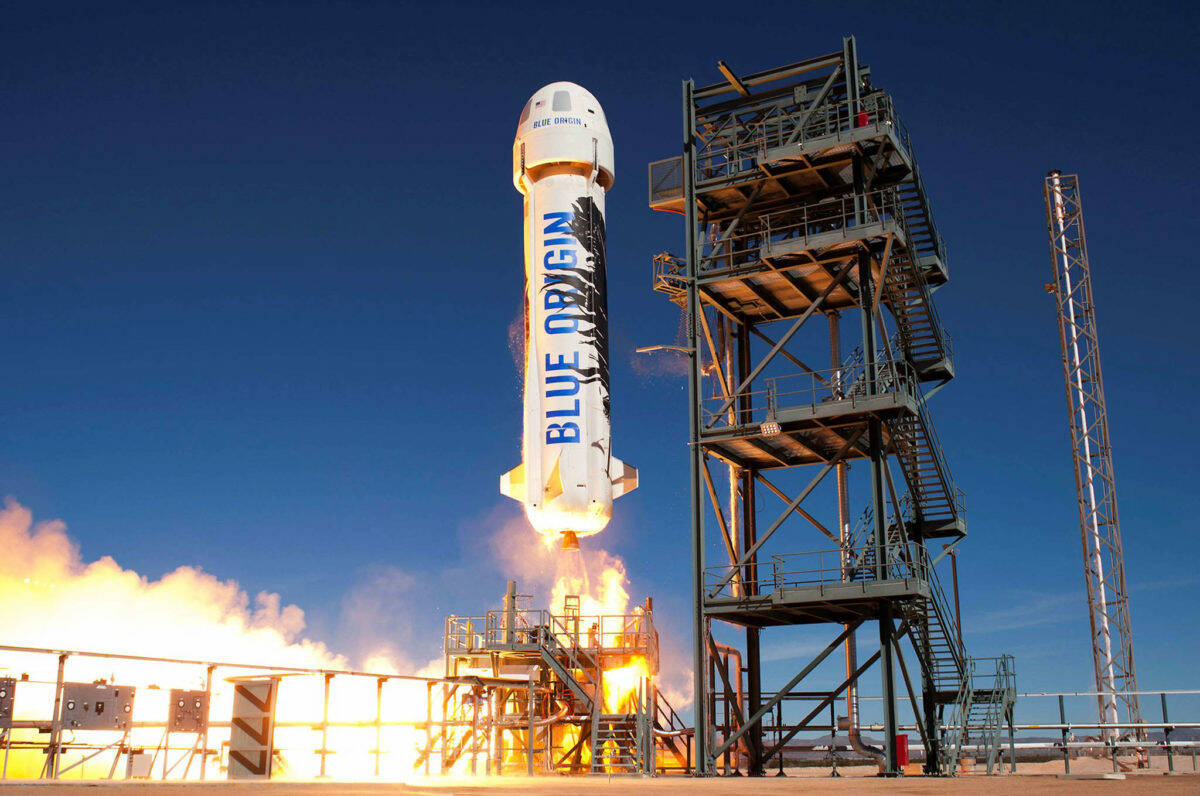
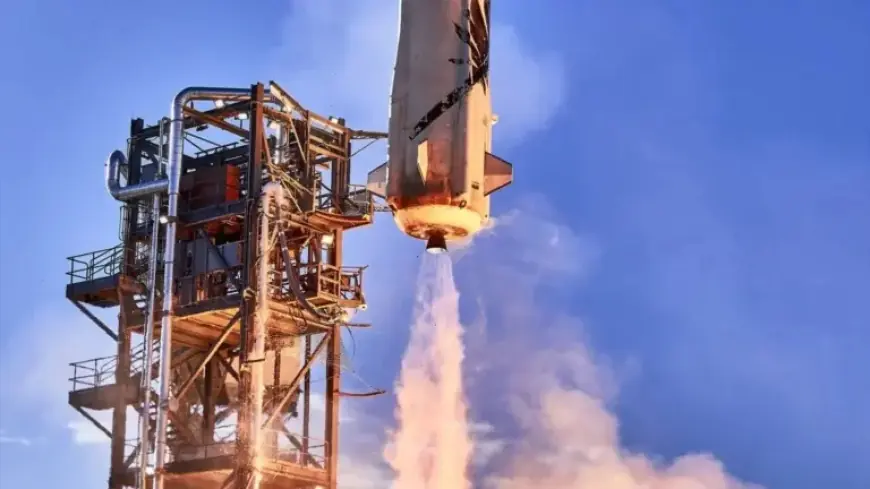
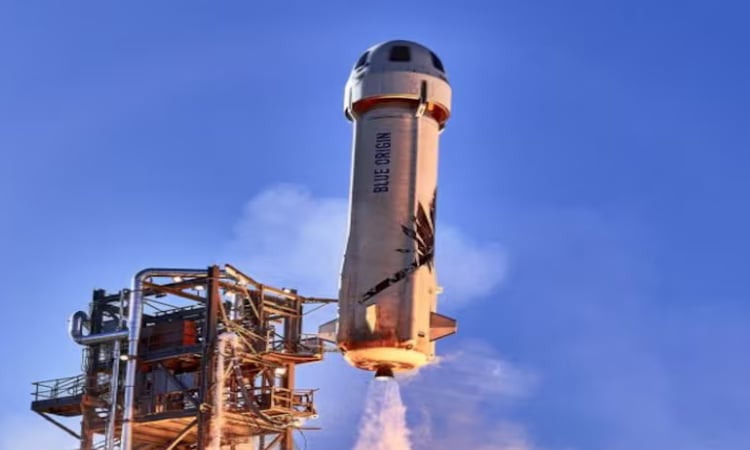
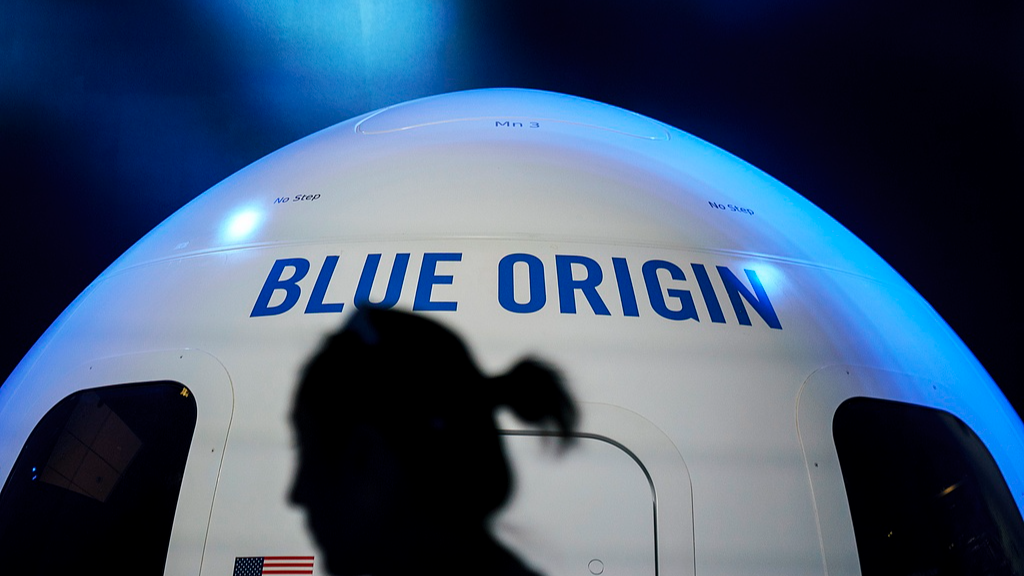
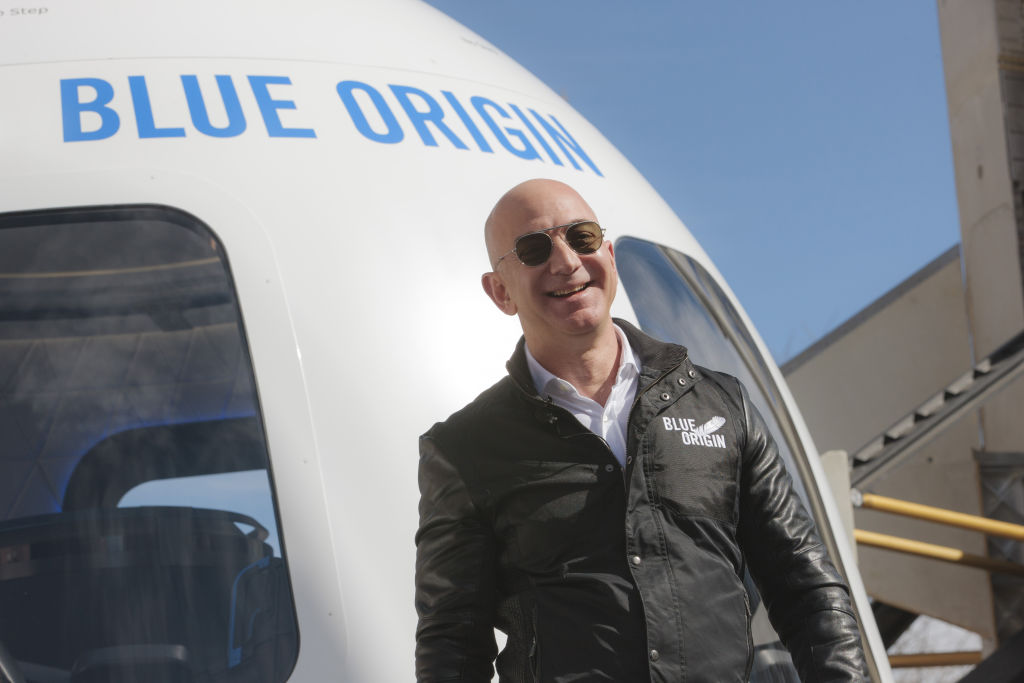
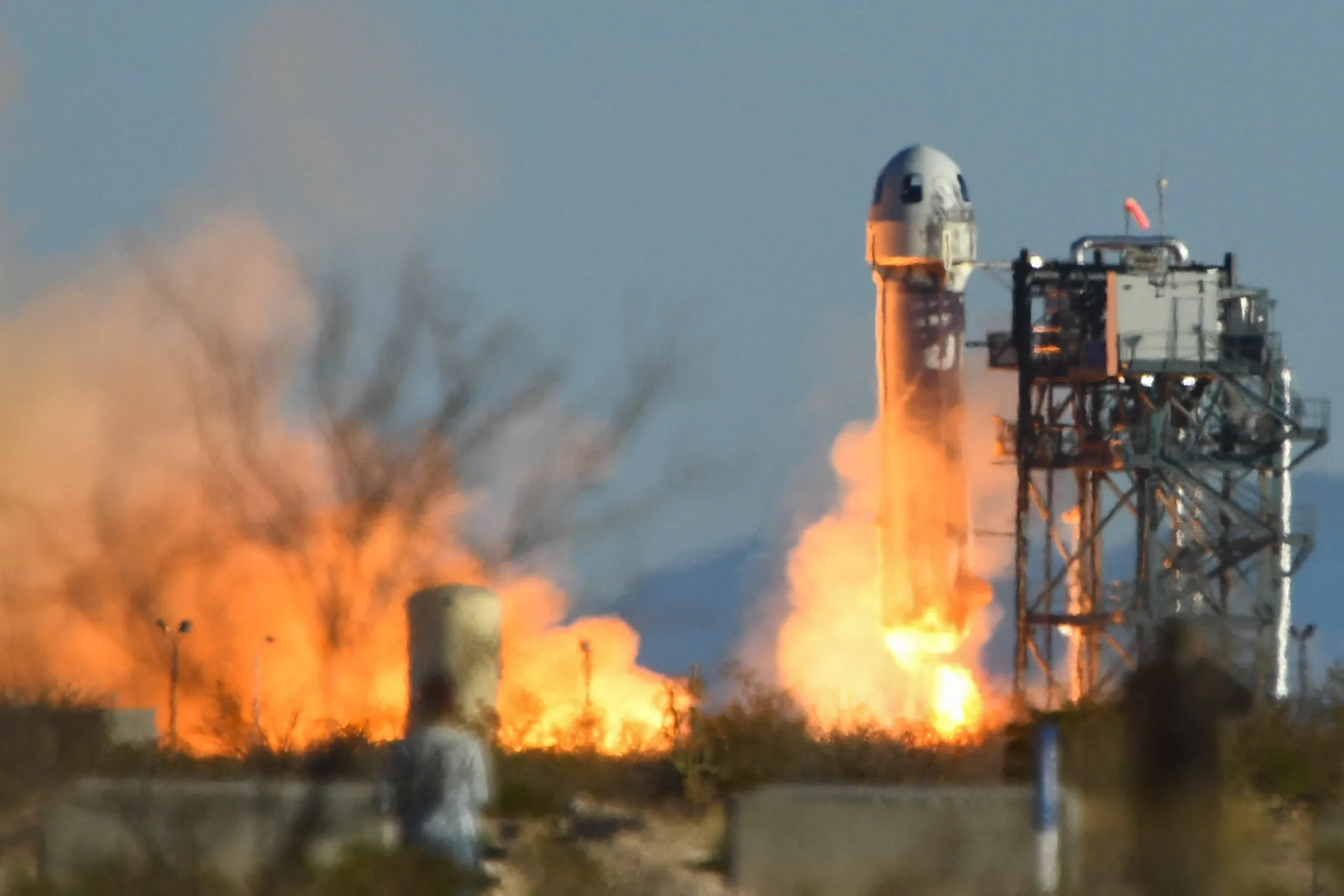
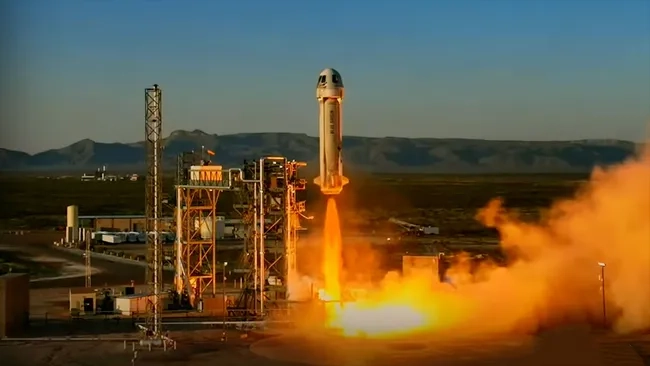
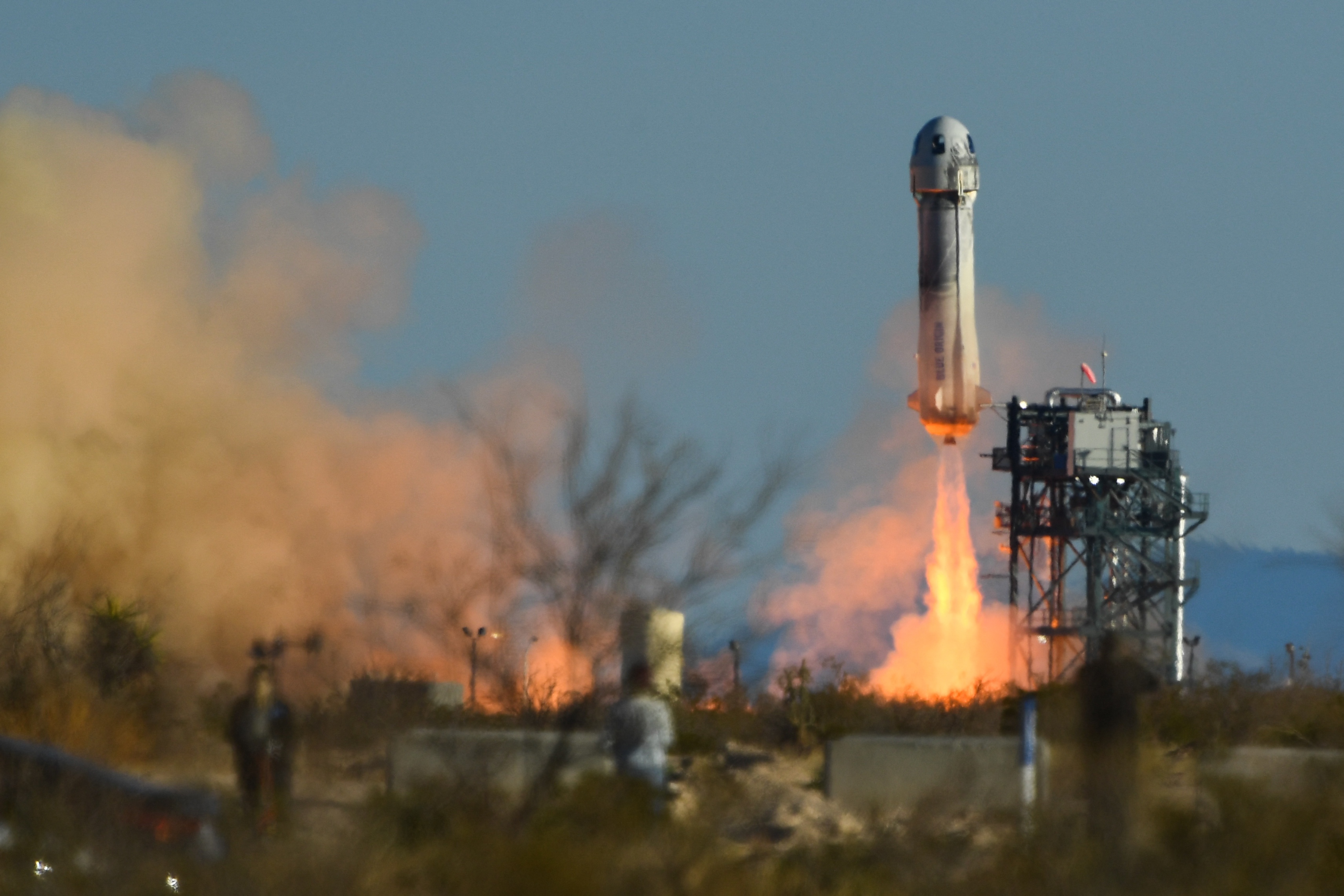
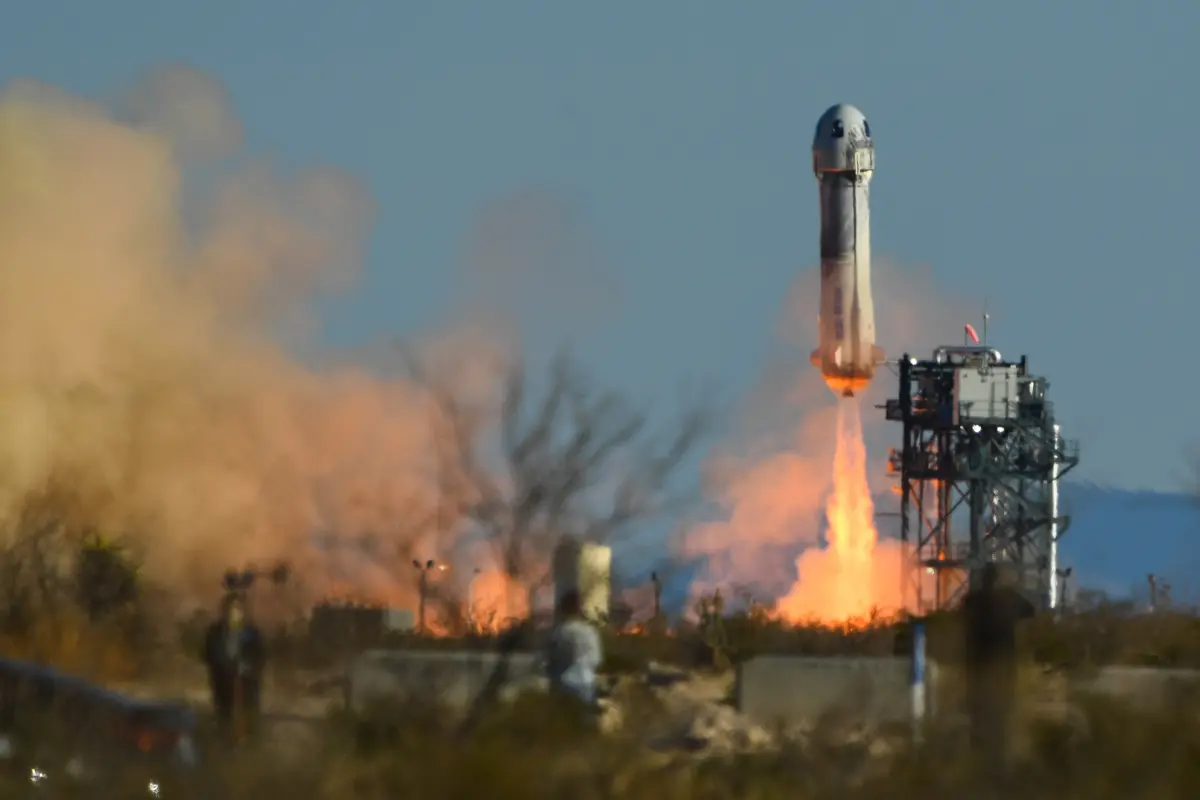
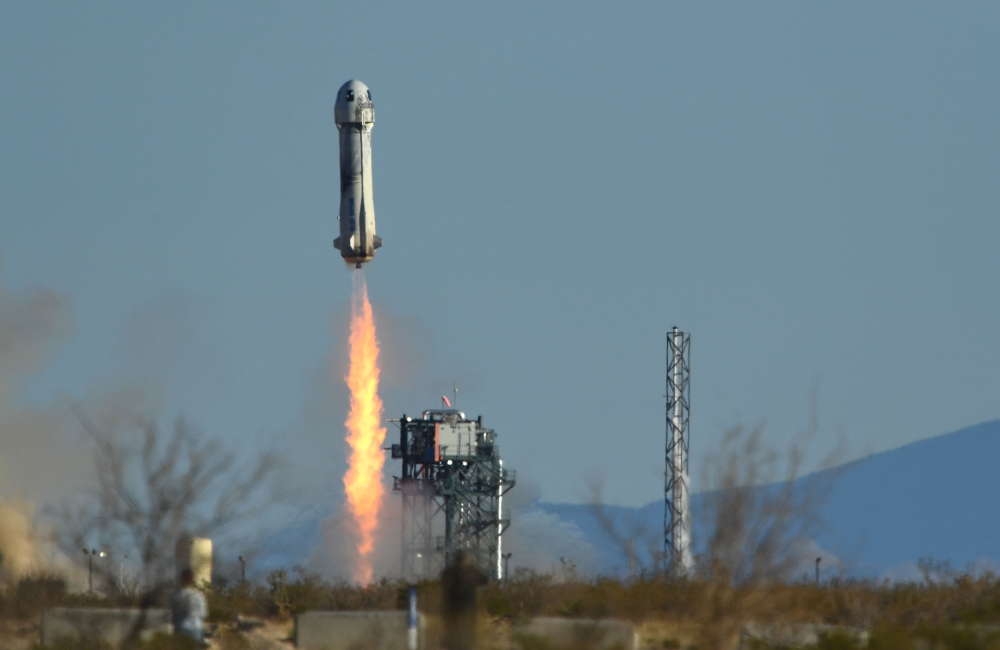
Blue Origin's January 30, 2026 announcement to pause New Shepard space tourism flights for at least two years represents a critical strategic inflection point with cascading implications for luxury consumer experiences, government contracting dynamics, and resource allocation in the aerospace sector. The company is redirecting 500+ employees and substantial capital from its commercial suborbital tourism program—which charged approximately $1 million per seat and completed 38 successful missions carrying 98 passengers since 2021—toward developing lunar landing capabilities for NASA's $3.4 billion Artemis program contract.
The underlying economics reveal why this pivot occurred despite apparent market viability. Industry analysis from Ars Technica (November 2023) documented that New Shepard had only recently approached break-even status while consuming significant resources, with four new boosters and two capsules under construction at announcement time. The program generated celebrity-driven marketing value (William Shatner, Michael Strahan, Katy Perry, Gayle King) and deployed over 200 scientific payloads, yet the revenue model ($1M per seat) couldn't justify continued investment against higher-value government contracts. This reflects a broader aerospace industry pattern where government partnerships increasingly drive company direction and resource allocation decisions.
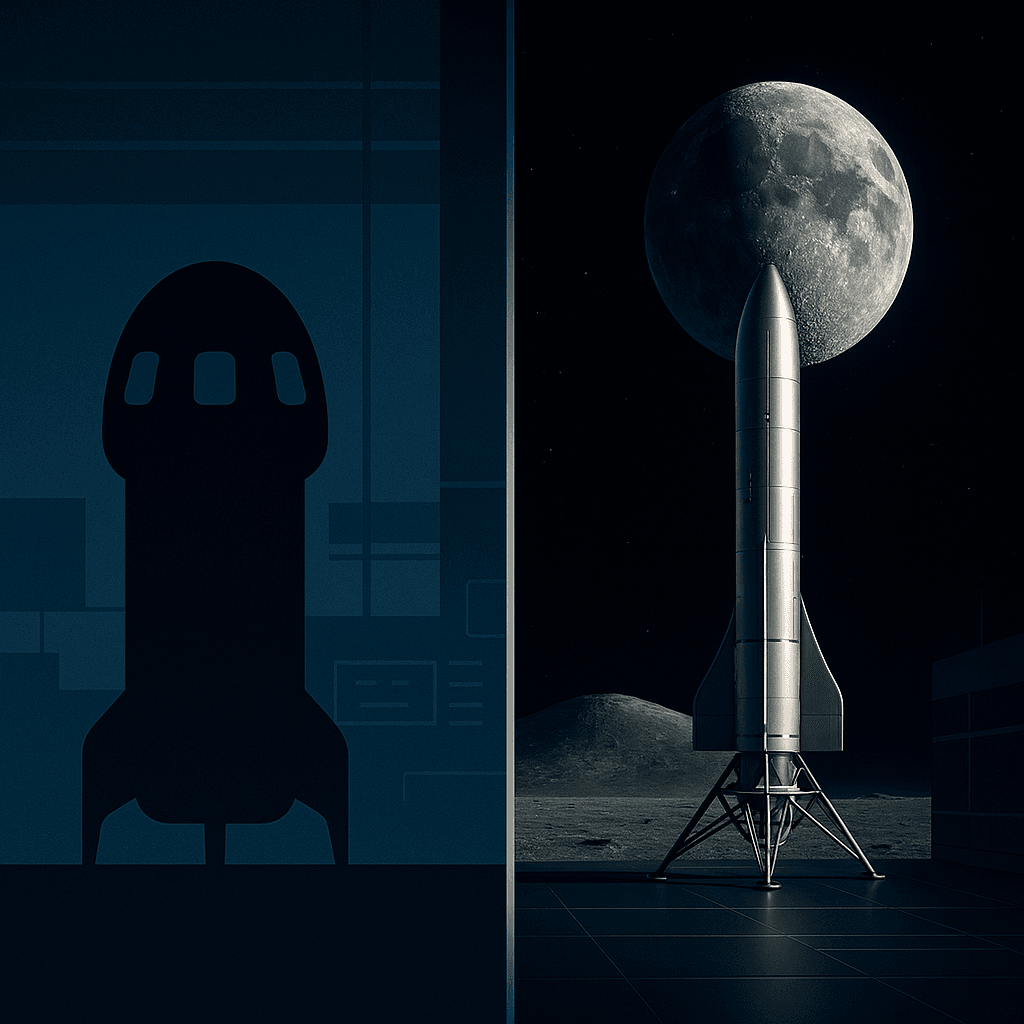
The competitive and geopolitical context amplifies urgency. Blue Origin and SpaceX each hold NASA contracts for Artemis III lunar lander development (scheduled 2028), with Transportation Secretary Sean Duffy warning in October that NASA may switch to Blue Origin if SpaceX falls behind—creating direct competitive pressure. China's planned 2030 lunar landing adds geopolitical urgency. NASA's newly appointed administrator Jared Isaacman met with both companies in January to accelerate timelines, with Artemis II (crewed lunar circumnavigation) scheduled for February 8, 2026. This compressed timeline justifies Blue Origin's resource reallocation despite affecting unknown numbers of ticket holders for future New Shepard flights.
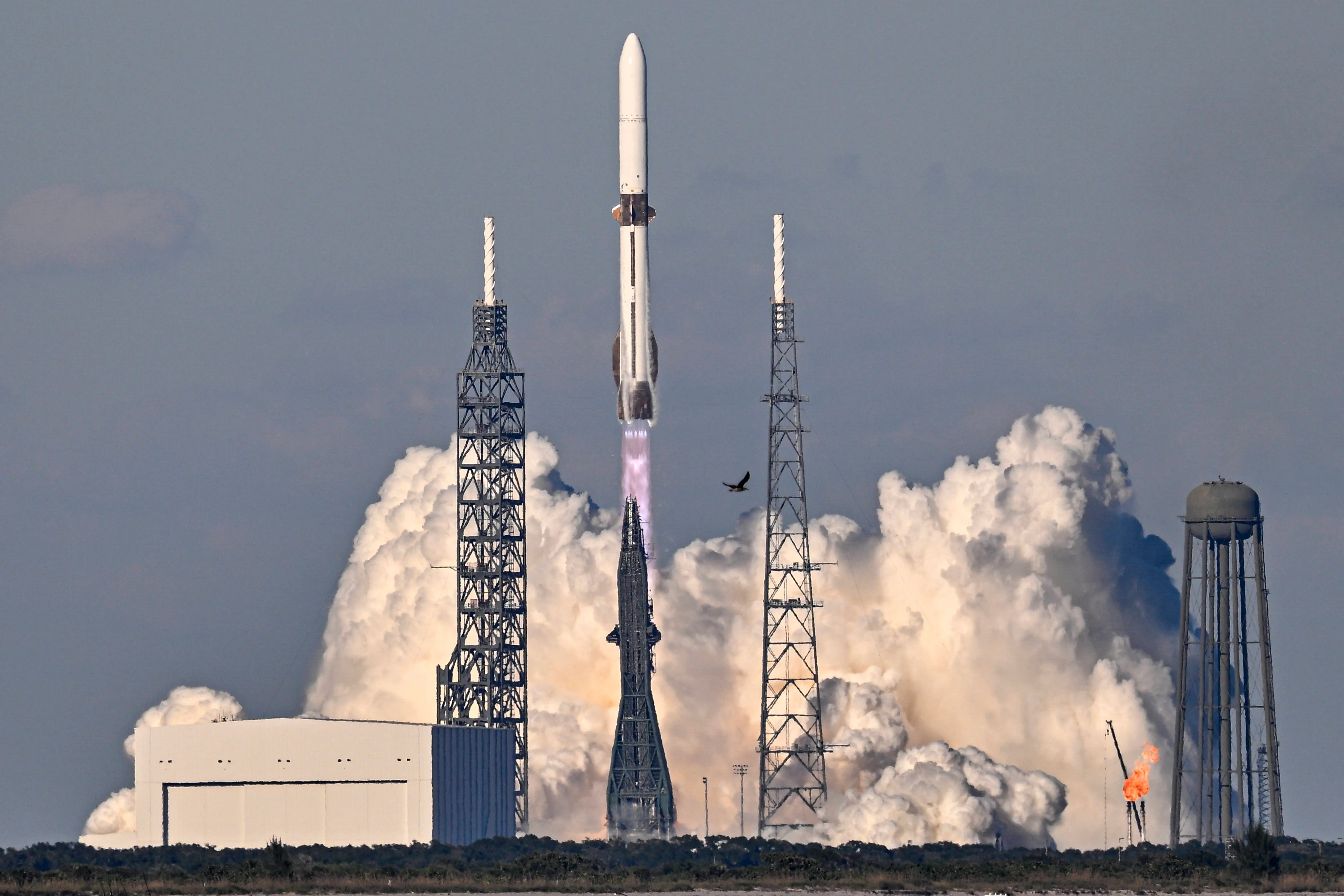
For sellers and market observers, this signals a fundamental shift in how billionaire-backed ventures prioritize revenue streams. The decision demonstrates that even "profitable" consumer-facing services can be subordinated to government contracts when strategic importance and scale diverge. Blue Origin committed to supporting affected employees transitioning to lunar and New Glenn divisions, indicating organizational restructuring rather than layoffs. The two-year pause timeline suggests Blue Origin expects intensive NASA contract work through 2028, with potential New Shepard resumption contingent on lunar mission completion. This pattern—pausing commercial operations to pursue government contracts—may influence how other aerospace companies (and venture-backed firms generally) balance near-term consumer revenue against long-term government partnerships.
Questions 7
How does this decision affect Blue Origin's other business divisions?
The pause affects only New Shepard suborbital tourism; Blue Origin's other divisions continue operating normally. The company explicitly stated the suspension does not affect New Glenn orbital rocket development or Blue Moon lunar lander programs. Senior Vice President Phil Joyce acknowledged New Shepard's achievements in proving landing technologies applicable to New Glenn, indicating technical knowledge transfer to other programs. Blue Origin committed to supporting affected New Shepard employees in transitioning to lunar and New Glenn divisions, suggesting organizational restructuring rather than layoffs. This compartmentalized approach allows Blue Origin to concentrate resources on high-priority government contracts while maintaining development momentum in orbital and lunar capabilities.
How does Blue Origin's pause compare to SpaceX's commercial strategy?
Blue Origin subordinated profitable consumer tourism to government contracts, while SpaceX pursues both simultaneously—operating Crew Dragon commercial missions and Starship development for NASA. SpaceX leads Artemis I and II lunar landing missions, creating competitive pressure on Blue Origin to accelerate. Transportation Secretary Sean Duffy's October warning that NASA might switch to Blue Origin if SpaceX falls behind demonstrates the competitive stakes. Blue Origin's resource concentration strategy differs from SpaceX's parallel approach, reflecting different organizational structures and funding models. Both companies balance government contracts against commercial revenue, but Blue Origin chose to pause consumer operations entirely rather than maintain dual tracks.