

Apple iPhone 18 Split Launch 2026 | Seller Accessory Opportunity
- Premium iPhone delay creates 8-month supply gap for standard models; sellers can capitalize on refurbished/accessory demand through H1 2027
















Overview
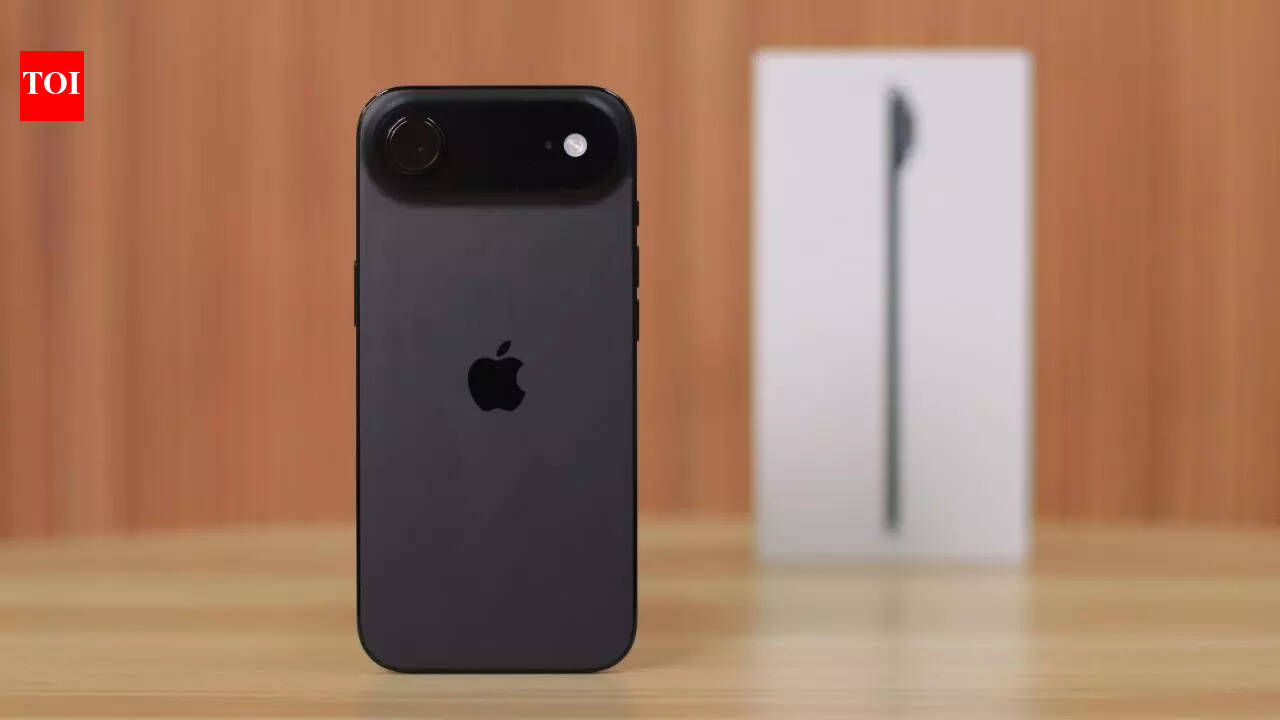
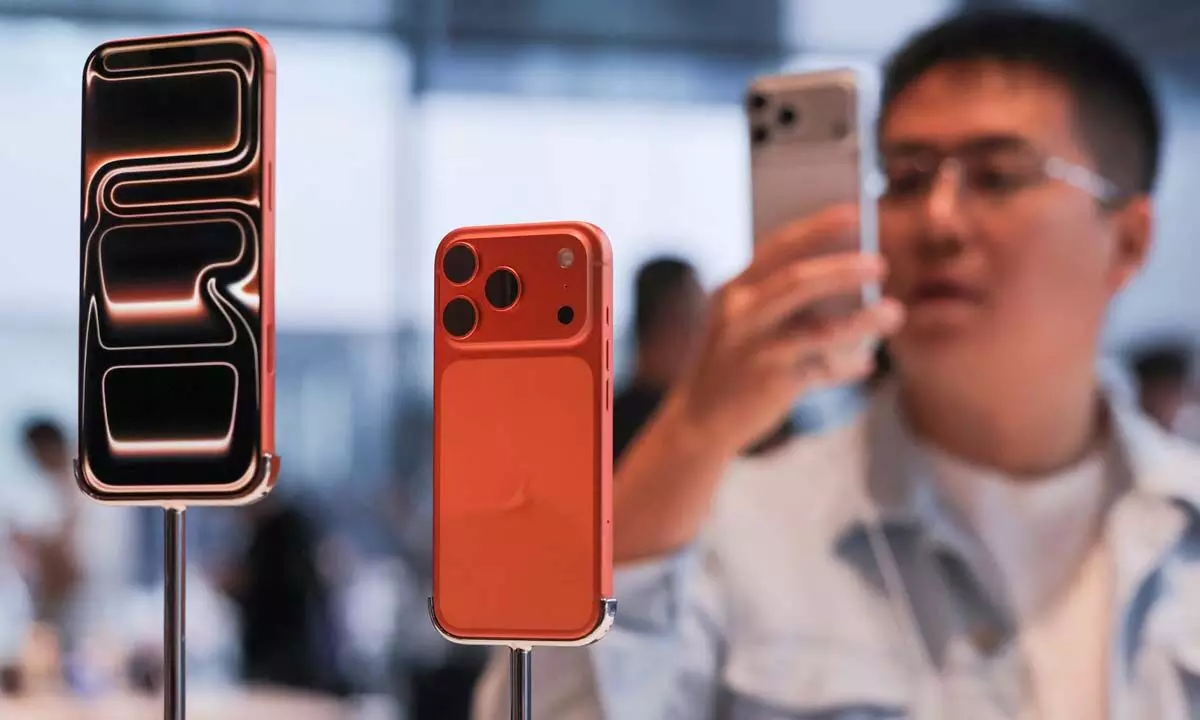
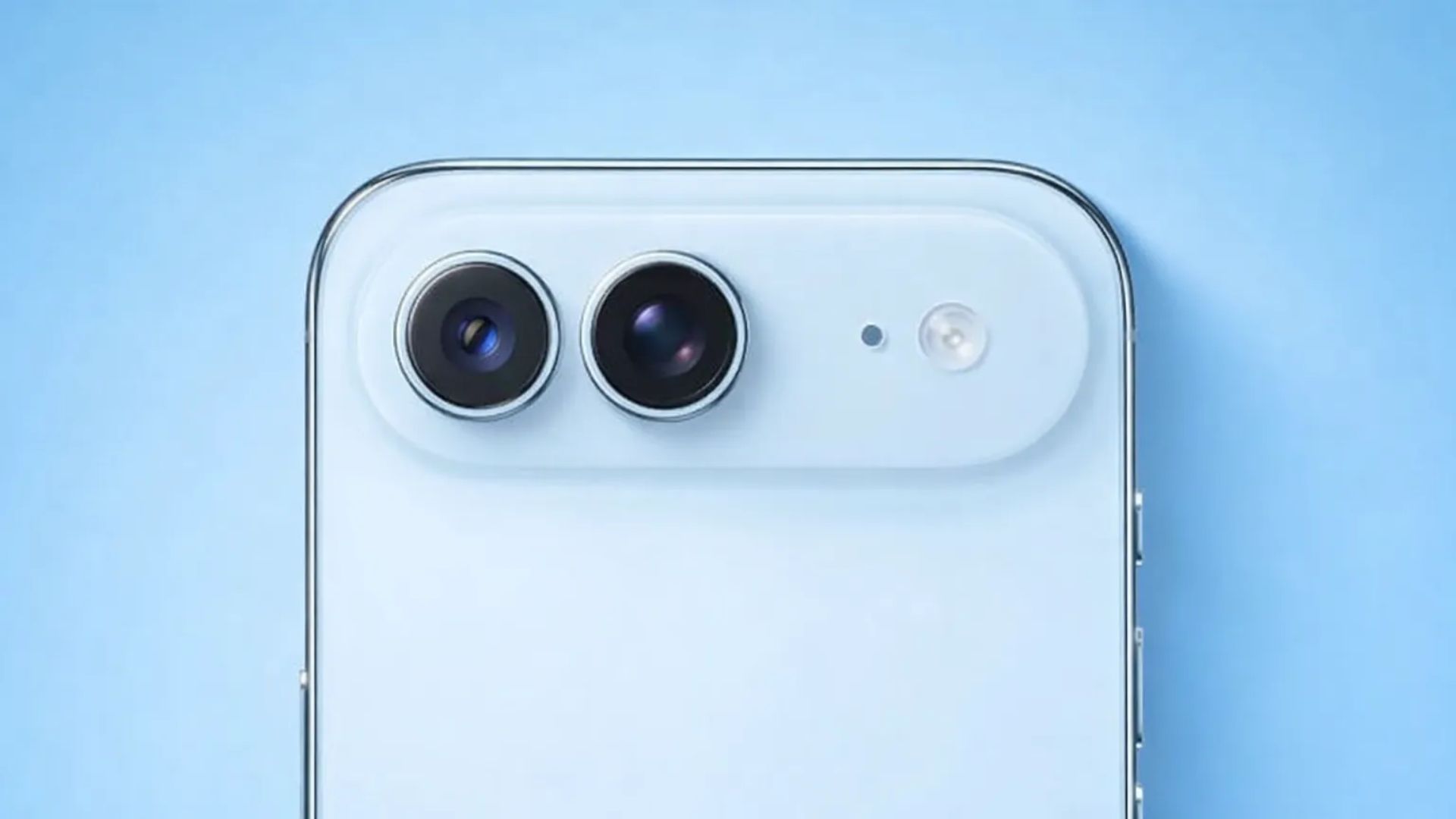
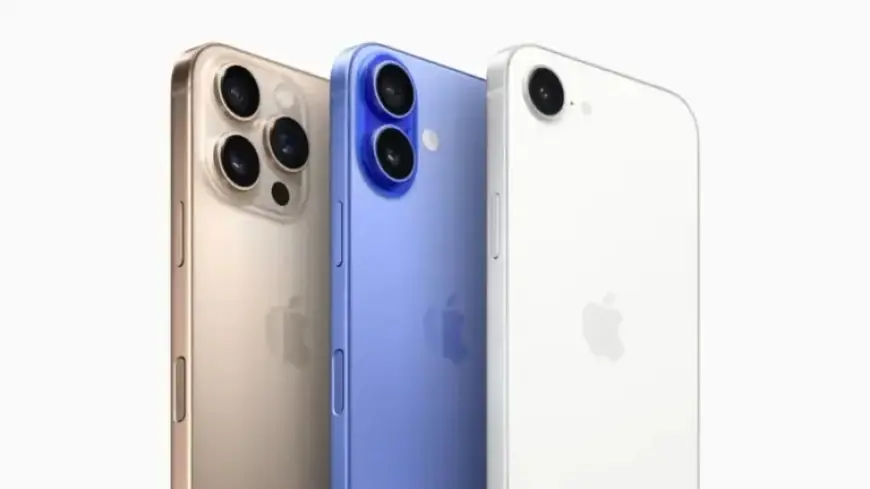
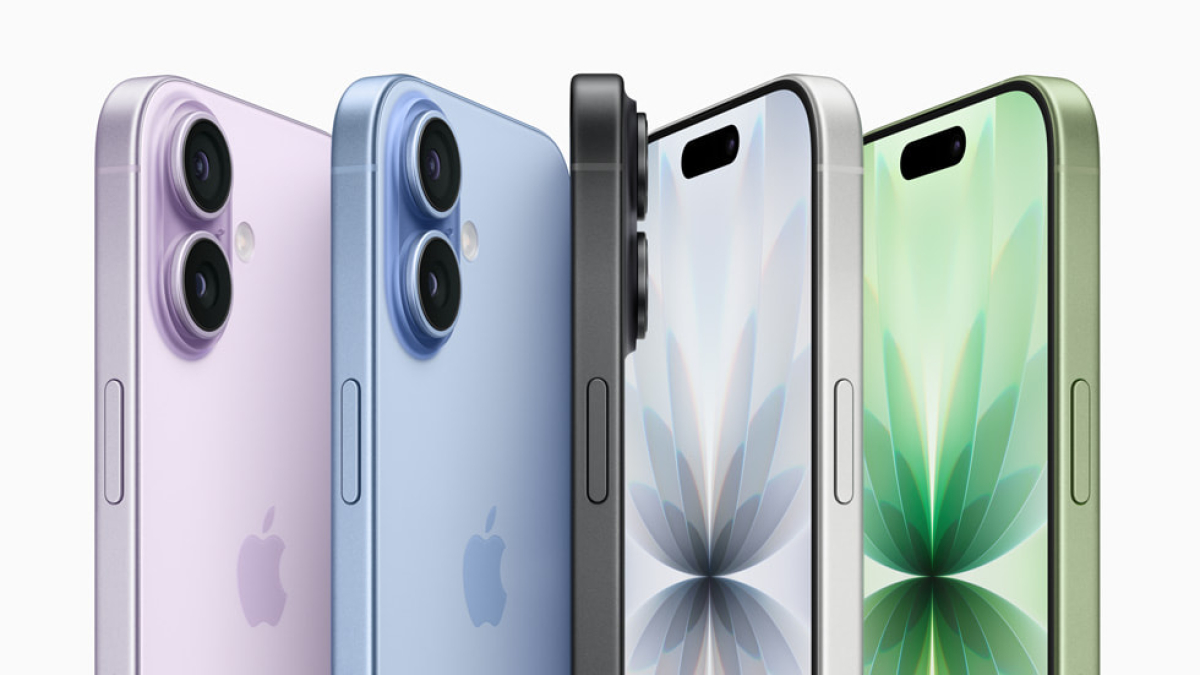
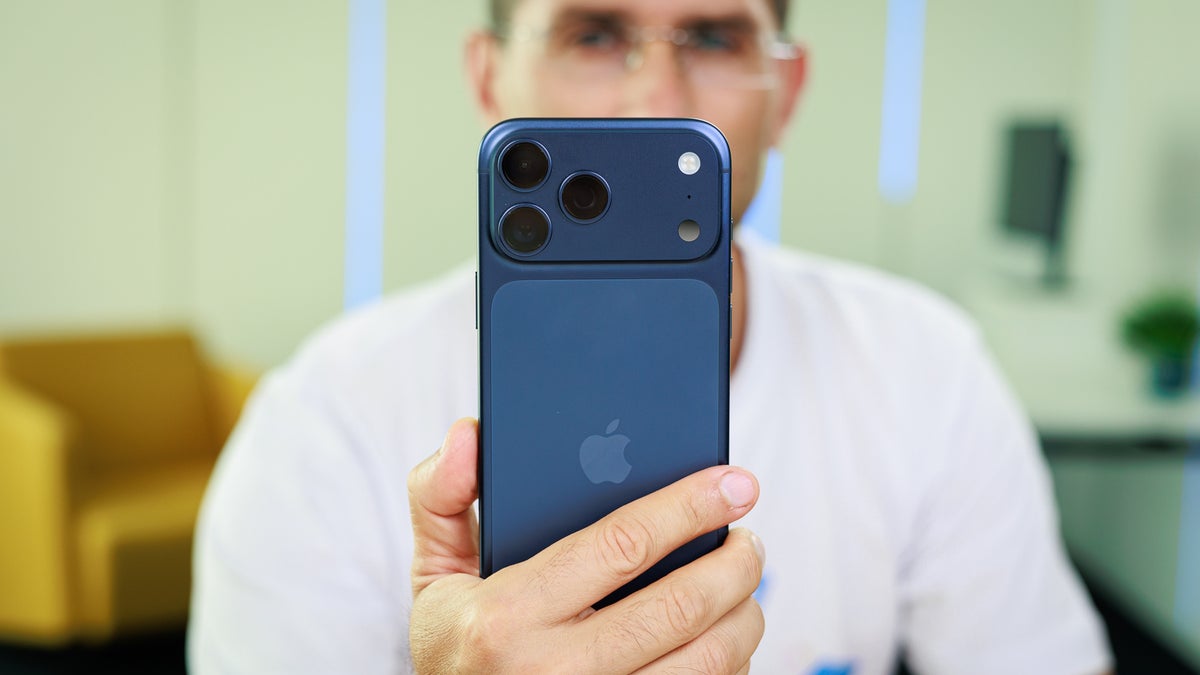
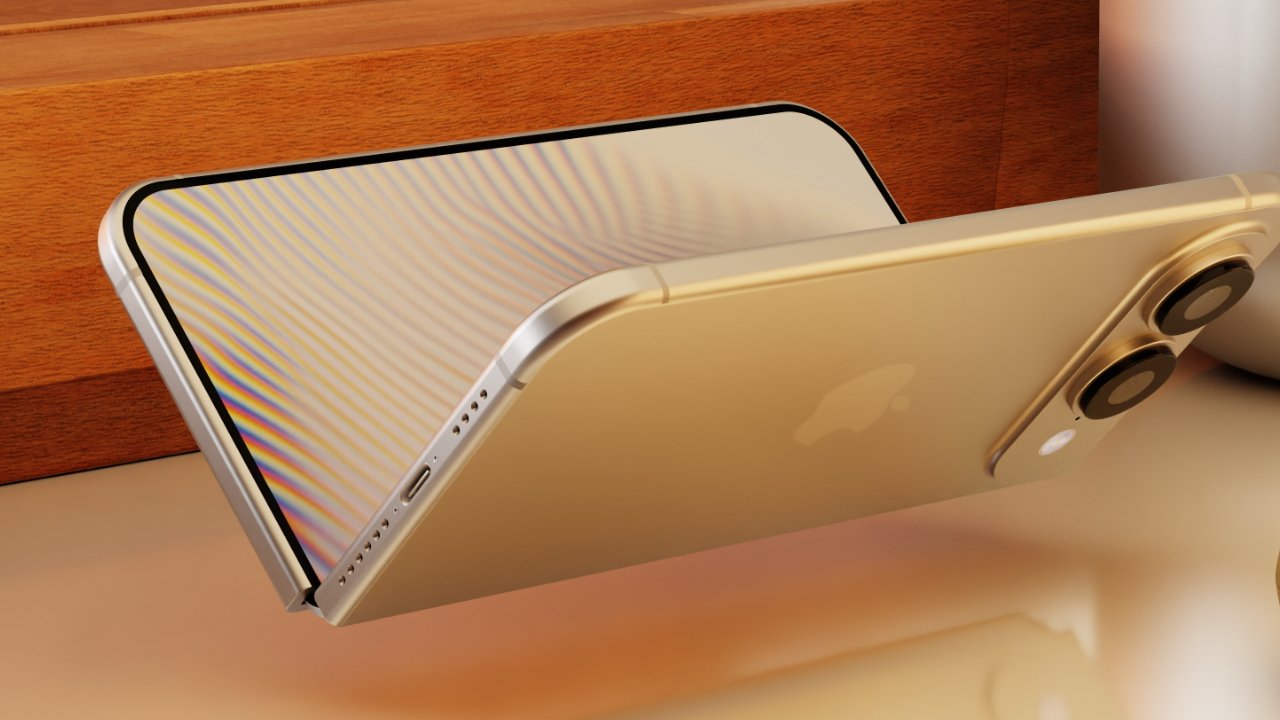
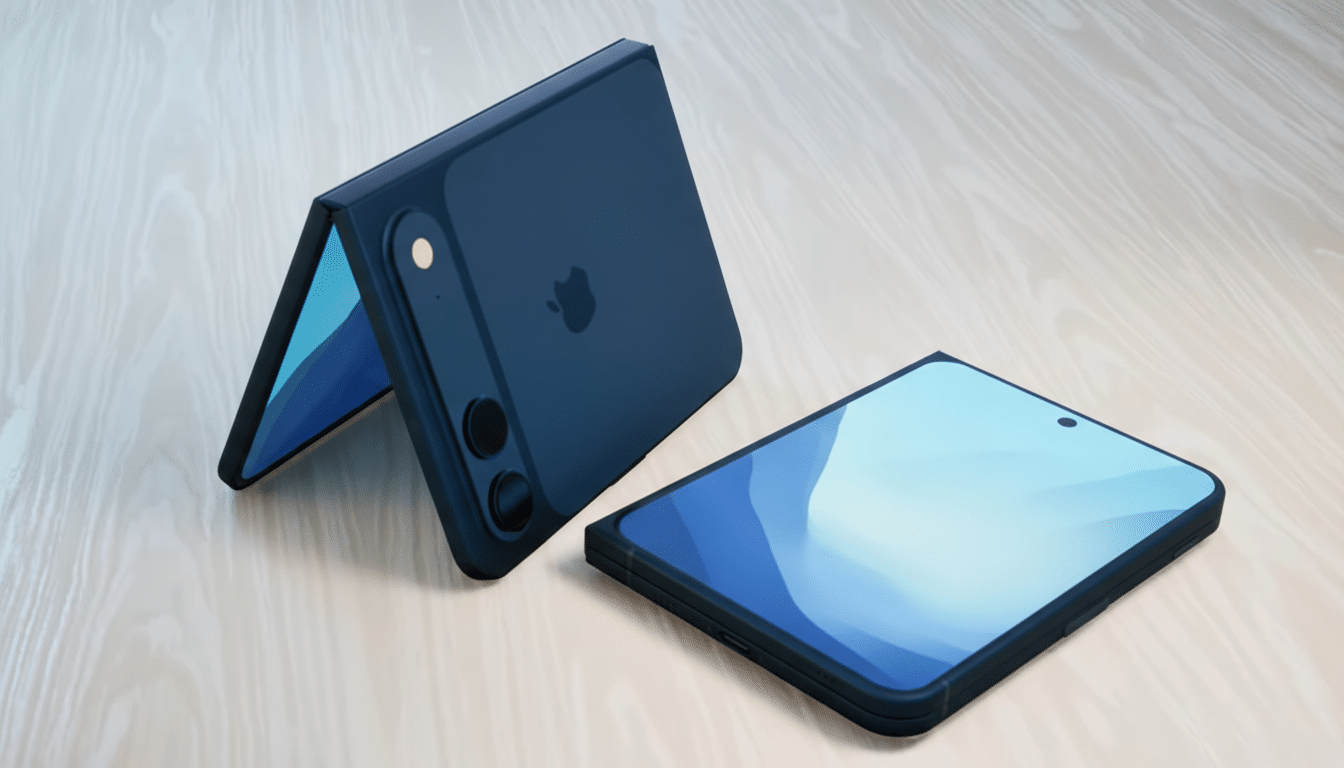
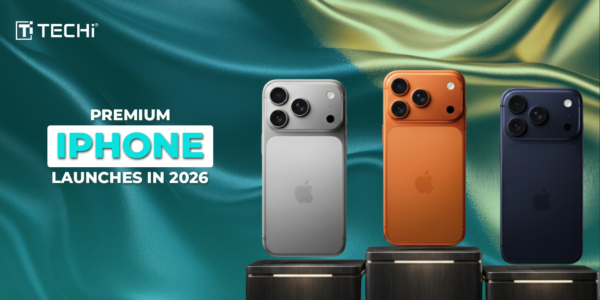
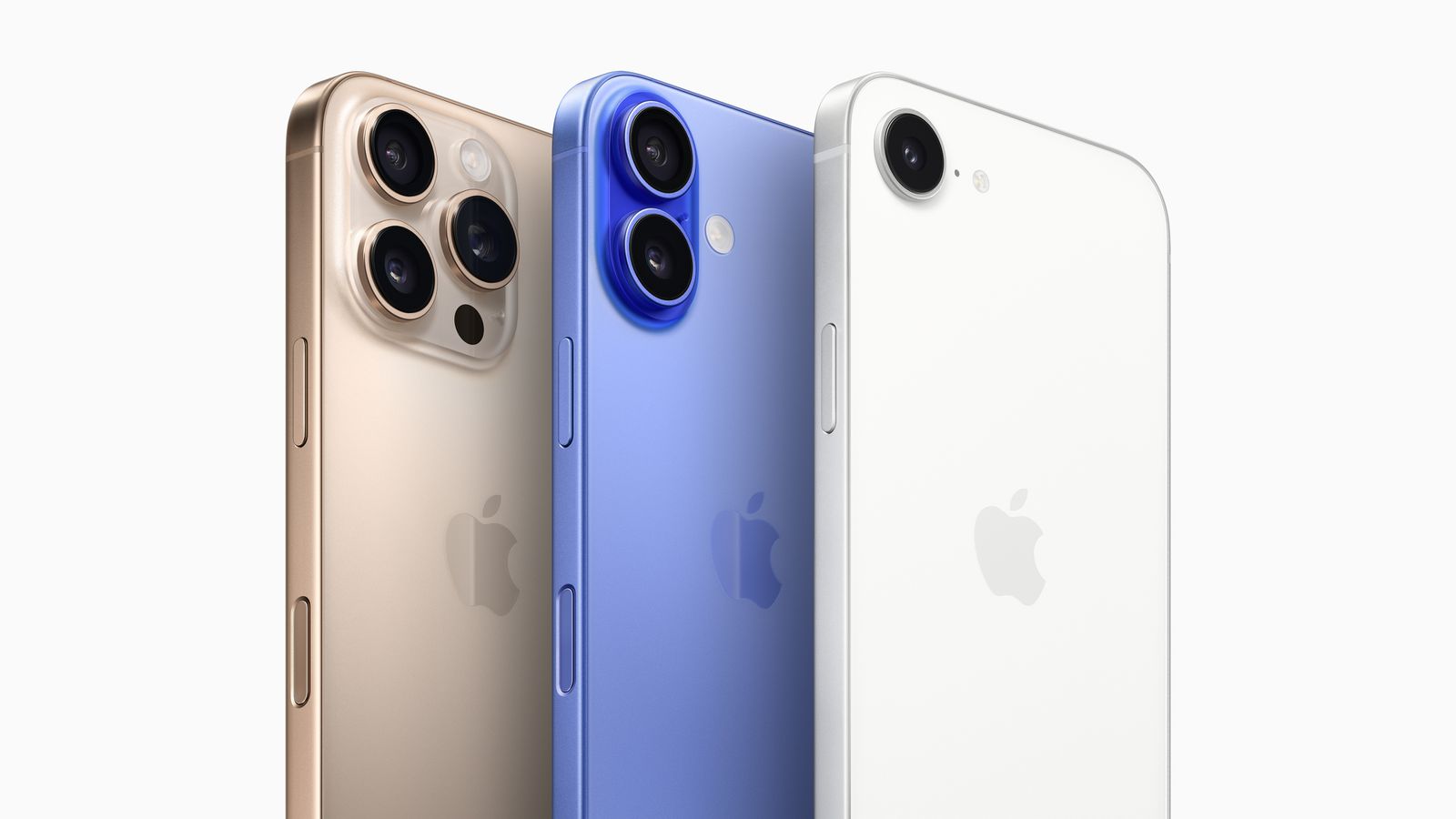
Apple's staggered iPhone launch strategy beginning H2 2026 represents a critical supply chain inflection point for cross-border e-commerce sellers, particularly those in the smartphone accessories, protective cases, and refurbished device categories. The company will prioritize three premium models (iPhone 18 Pro, Pro Max, and first-generation foldable) in H2 2026, while delaying standard iPhone 18 and iPhone 18e models until H1 2027—an unprecedented 8-month gap in Apple's traditional simultaneous multi-tier release cycle.
Supply Chain Drivers and Logistics Impact: Rising memory chip costs and component scarcity are forcing Apple to optimize manufacturing capacity toward higher-margin products. Apple suppliers have shifted resources toward AI companies (Nvidia, Google, Amazon), further constraining semiconductor availability. This creates a direct logistics opportunity: sellers should immediately reposition inventory toward premium iPhone accessories (cases, screen protectors, charging solutions) in Q4 2025-Q2 2026, anticipating peak demand from early adopters purchasing iPhone 18 Pro/Pro Max models. Foldable iPhone accessories represent an entirely new category with zero existing inventory—sellers should source specialized protective cases and screen protectors from Taiwan/South Korea manufacturers now, targeting 3-4 month lead times for H2 2026 launch window.
Inventory and Sourcing Strategy: The 8-month gap between premium and standard iPhone launches creates a unique arbitrage opportunity in the refurbished/previous-generation device market. Sellers should liquidate existing iPhone 17 inventory through Amazon Renewed and eBay Refurbished channels during Q1-Q2 2026 before standard iPhone 18 availability floods the market. Simultaneously, source refurbished iPhone 18 Pro units from authorized resellers in Singapore and Hong Kong starting Q3 2026 for resale through Amazon Renewed—these will command 15-20% price premiums during the 6-month standard model shortage. For accessories, shift 60% of warehouse allocation from standard iPhone cases to premium/foldable variants; maintain only 40% standard inventory until H1 2027 launch confirmation.
Warehouse Positioning and Fulfillment: Position inventory in US East Coast (Virginia/New Jersey) and EU (Germany/Netherlands) fulfillment centers by Q4 2025 to capture premium buyer demand in high-income markets. Foldable iPhone accessories should be stored in dedicated FBA nodes with expedited shipping capabilities, as early adopters typically pay 2-3x standard shipping premiums. Consider 3PL partnerships with regional distributors in Asia-Pacific (Singapore, Hong Kong) to source refurbished devices at 8-12% lower landed costs compared to US-based suppliers. This reduces total landed cost by $15-25 per unit on refurbished devices, enabling 12-18% margin expansion during the supply gap period.
Questions 8
What alternative fulfillment models work best for this supply gap opportunity?
Hybrid fulfillment maximizes profitability: (1) FBA for premium cases (high velocity, lower storage costs at $0.87/unit/month vs 3PL $1.20/unit/month), (2) Dropshipping for bulk orders from Taiwan manufacturers (eliminates inventory risk, 15-20% lower margins), (3) Amazon Renewed for refurbished devices (leverages Amazon's trust, 8-10% commission vs 15% standard FBA), (4) eBay Refurbished for price-sensitive buyers (12% commission, attracts deal-seekers). For foldable accessories, consider pre-order model through Shopify (eliminates inventory risk, captures early-adopter demand at 30-40% premiums) before FBA stocking. This diversified approach reduces inventory holding costs by 25-30% while capturing demand across buyer segments and price points.
When should sellers place orders for foldable iPhone accessories to meet H2 2026 launch?
Place orders by August 2025 to meet H2 2026 launch window, accounting for 12-14 week lead times from Taiwan/South Korea manufacturers. This requires demand forecasting by June 2025 based on foldable device pre-order data and analyst estimates. Recommend ordering 40-50% of projected demand initially (conservative approach), with 2-3 reorder windows in Q3-Q4 2026 based on actual sales velocity. Negotiate flexible MOQs (minimum order quantities) of 500-1,000 units with suppliers to reduce inventory risk. Secure ocean freight capacity by July 2025, as premium electronics shipping fills quickly during major launch periods. Failure to order by August 2025 risks 6-8 week delays, missing peak early-adopter demand window and losing 30-40% of potential Q4 2026 revenue.