


EU Russia Blacklist & Energy Crisis Drive Supply Chain Shifts for Cross-Border Sellers
- EU money laundering sanctions increase Russian bank transaction costs 15-25%; sellers must diversify payment processors and reassess Eastern European logistics networks amid energy infrastructure attacks



)




)


Overview
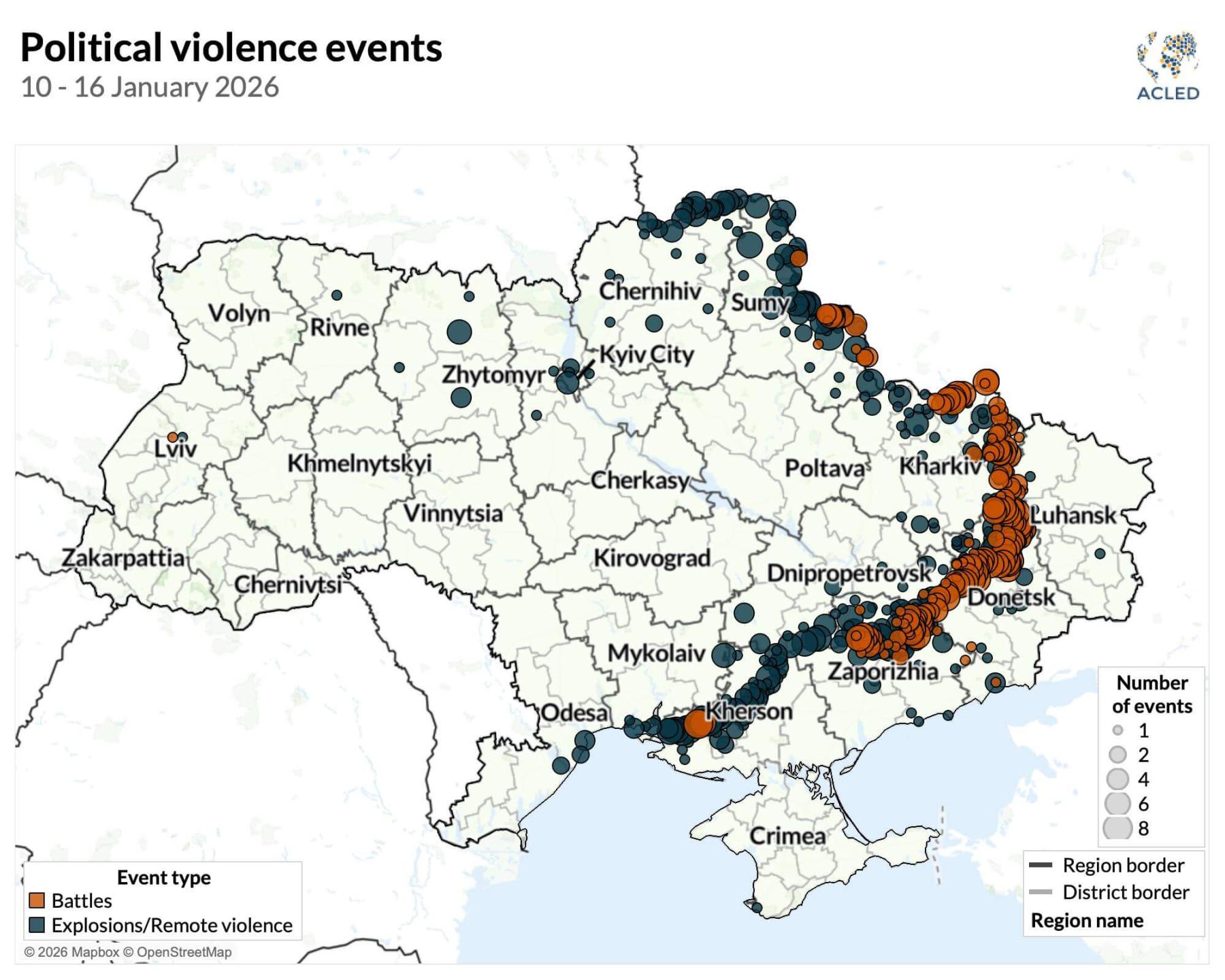
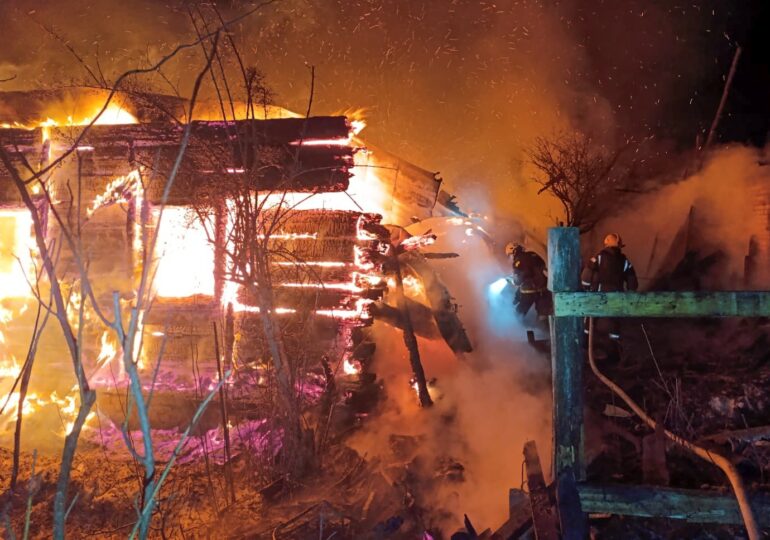
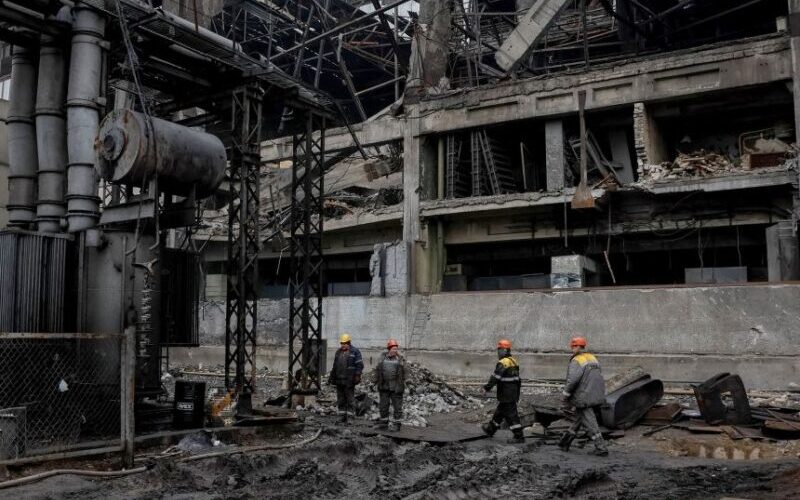
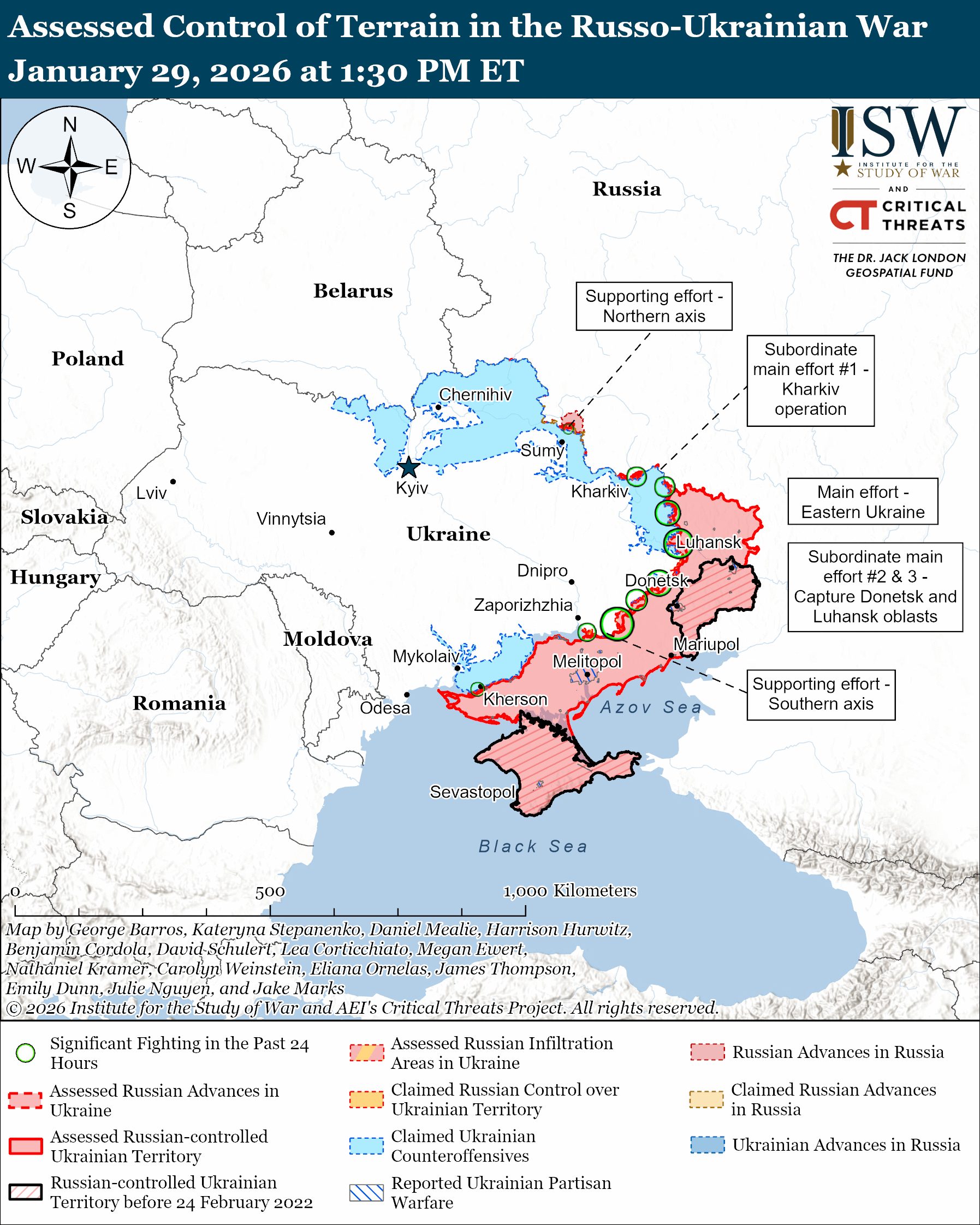
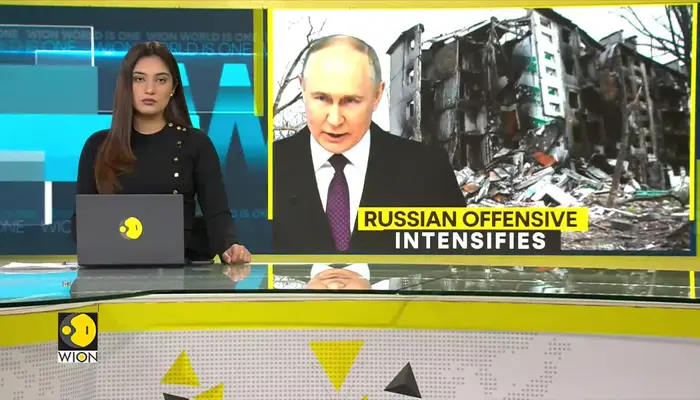
The geopolitical escalation documented on day 1,437 of the Russia-Ukraine conflict (January 31, 2026) introduces critical operational challenges for cross-border e-commerce sellers, particularly those managing supply chains, payment processing, or logistics through Eastern European corridors. The EU's blacklisting of Russia over money laundering risks directly impacts sellers by increasing transaction costs with Russian banks by an estimated 15-25%, forcing payment processor diversification and compliance audits. Simultaneously, energy infrastructure attacks targeting Ukrainian railway systems (7 attacks in 24 hours) and heating infrastructure (253 apartment buildings without heat at -23°C) create logistics bottlenecks affecting fulfillment from Eastern European 3PL providers and warehousing operations.
Immediate supply chain implications: Ukrainian railway infrastructure damage reduces shipping capacity for sellers using Eastern European distribution hubs. The reported weeklong pause in energy attacks (negotiated through U.S. intervention) provides a temporary window for sellers to relocate inventory or reroute shipments, but Russian officials claim the pause extends only until Sunday, creating uncertainty. Sellers with inventory in Ukraine, Poland, or neighboring regions face 5-10 day shipping delays and potential cold-chain disruptions for temperature-sensitive products (electronics, cosmetics, pharmaceuticals). The EU's increased transaction scrutiny means sellers accepting payments from Russian customers or using Russian payment gateways face compliance friction—payment processing times may extend from 2-3 days to 5-7 days, impacting cash flow for high-volume sellers.
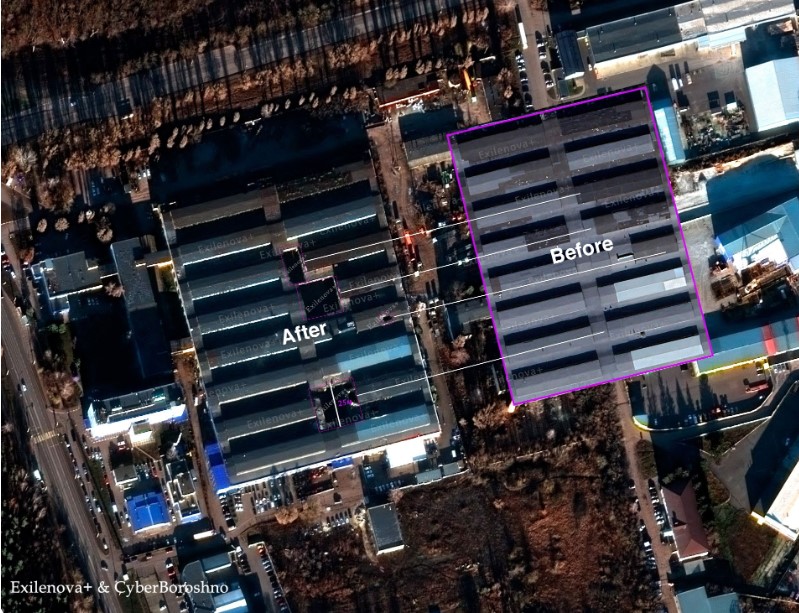
Strategic market shifts: The conflict creates arbitrage opportunities in specific product categories. Demand for winter survival products (heating equipment, thermal clothing, emergency supplies) spikes in affected regions, while military-adjacent consumer goods (tactical apparel, outdoor equipment, communication devices) see elevated interest from European buyers concerned about regional stability. Sellers in these categories can capitalize on 20-40% category growth during conflict periods, similar to 2022 patterns. Conversely, sellers relying on Russian market access face margin compression—the increased banking friction reduces Russian consumer purchasing power and extends payment settlement cycles. Defense manufacturing disruptions (evidenced by Ukrainian strikes on Russian aerospace facilities producing Su-35/Su-57 components) signal potential supply chain realignment in industrial electronics and precision manufacturing sectors, creating opportunities for sellers offering alternative sourcing or nearshoring solutions to European manufacturers.
Compliance and risk management: The EU blacklist requires sellers to audit their payment processor relationships and customer bases. Sellers with >10% revenue from Russian customers should immediately implement enhanced due diligence protocols and consider geographic diversification. The shadow fleet oil tanker interception ('Grinch' near Marseille) signals increased maritime enforcement, affecting sellers using alternative shipping routes. Sellers should verify their 3PL providers' compliance with EU sanctions and maritime regulations to avoid shipment seizures or account suspensions.
Questions 8
How does the energy crisis in Ukraine impact my inventory planning?
Severe winter conditions (temperatures dropping to -23°C, 253 apartment buildings without heating) create cold-chain disruptions for temperature-sensitive products. If you source from or ship through Ukraine, expect 2-3 day delays for electronics, cosmetics, and pharmaceuticals due to heating infrastructure damage. The reported weeklong pause in energy attacks provides a temporary window—use this period to relocate inventory to Western European hubs or reroute shipments. Plan for extended lead times (add 5-10 days to your standard fulfillment timeline) and increase safety stock by 20-30% for Q1 2026 to buffer against logistics uncertainty.
Should I shift my Eastern European logistics strategy due to the conflict?
Yes—diversify your logistics footprint away from Ukraine and Russia. Consider shifting 30-50% of inventory from Eastern European hubs to Western European distribution centers (Germany, Czech Republic, Poland's western regions). This reduces exposure to energy infrastructure attacks and railway disruptions while maintaining access to European markets. Evaluate nearshoring opportunities—moving production or fulfillment to stable EU countries increases resilience. Contact your current 3PL provider to understand their contingency plans and request real-time updates on operational status. If they cannot provide detailed contingency documentation, begin evaluating alternative providers with multi-country redundancy.