



BLS Leadership Shift Signals Data Stability for E-Commerce Pricing | Matsumoto Nomination Stabilizes Economic Forecasting
- Career economist's appointment ends 6-month leadership vacuum; inflation data continuity reduces pricing uncertainty for cross-border sellers managing currency fluctuations and tariff exposure



















Overview
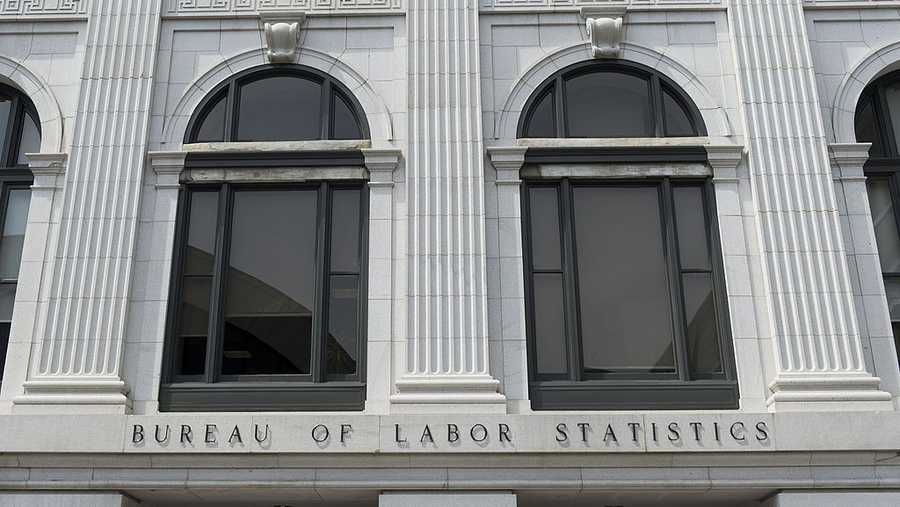
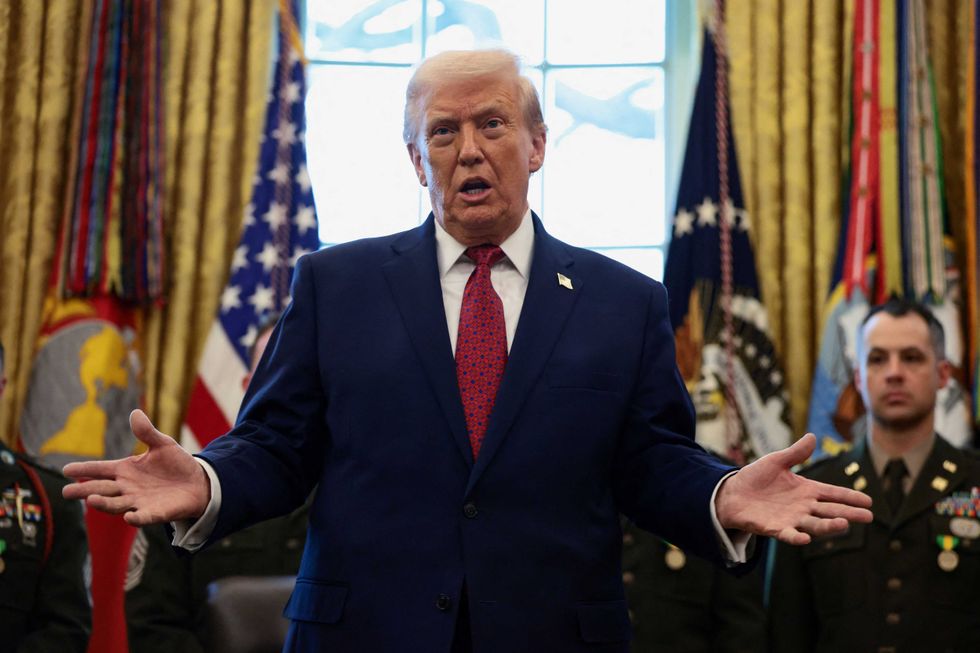
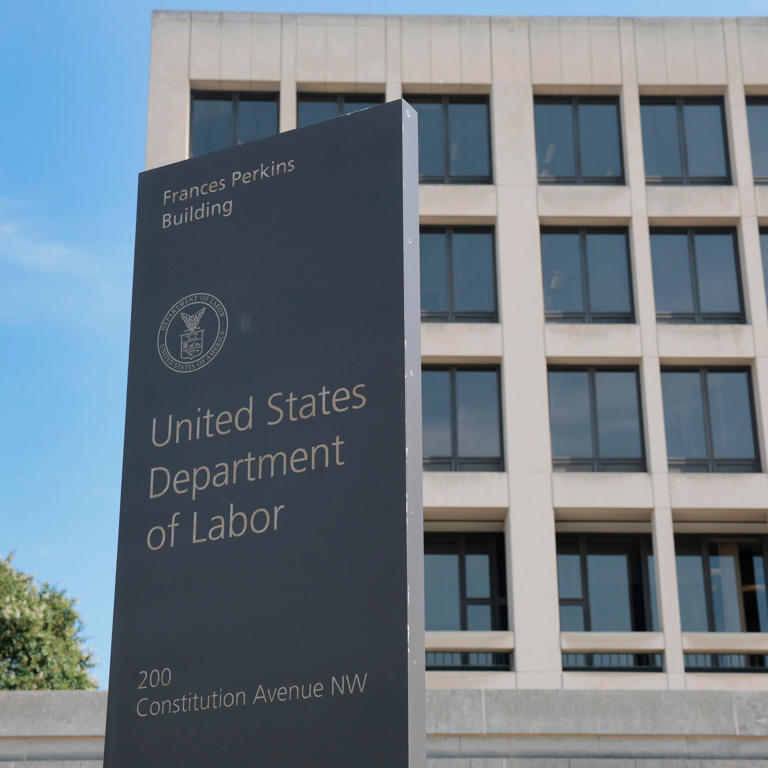
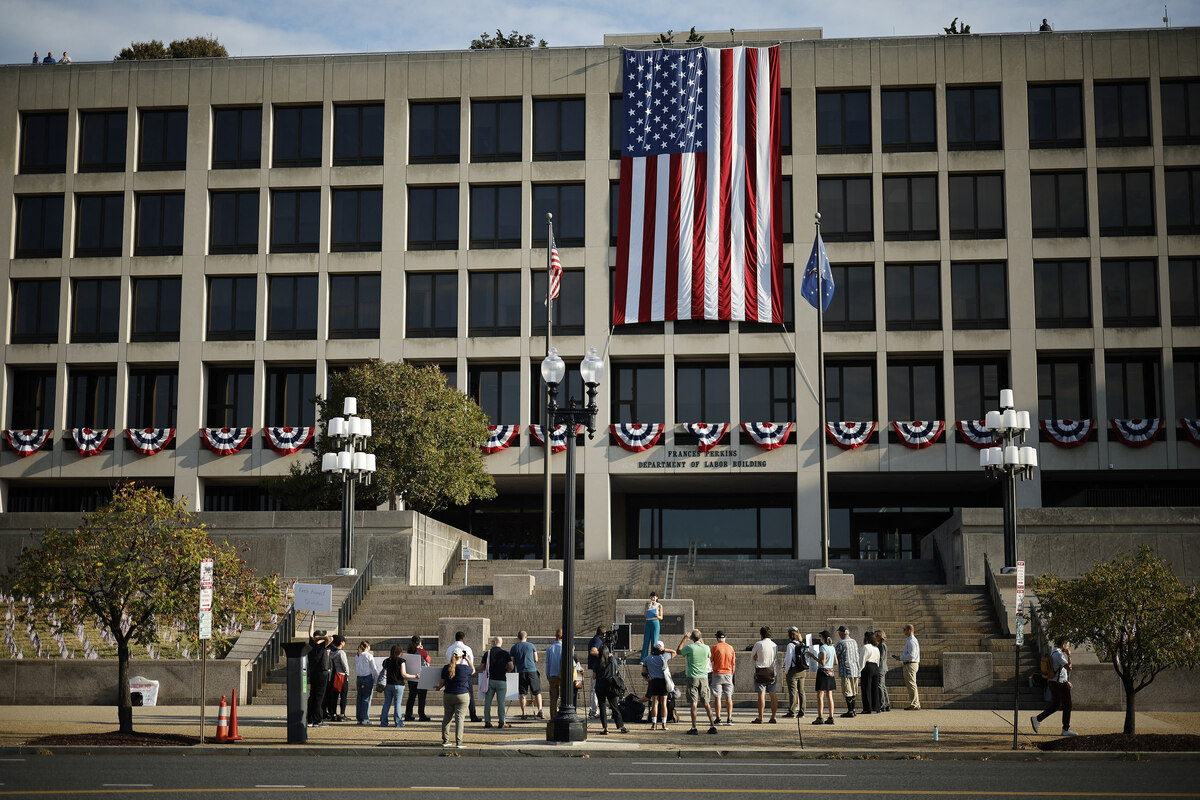
President Trump's nomination of Brett Matsumoto as Bureau of Labor Statistics (BLS) commissioner on January 30, 2026, represents a critical stabilization moment for U.S. economic data integrity—directly impacting e-commerce sellers' ability to forecast consumer demand and manage supply chain costs. After firing the previous commissioner in August 2025 over disputed employment figures, the 6-month leadership vacuum created uncertainty in monthly jobs reports, inflation measurements, and Consumer Price Index (CPI) data that sellers rely on for pricing strategies and inventory planning.
Matsumoto's appointment signals a return to methodological rigor over political narrative. Unlike Trump's initial nominee E.J. Antoni—who withdrew in August 2025 after bipartisan criticism for distorting economic statistics—Matsumoto brings 11 years of BLS institutional experience and recognized expertise in inflation measurement methodology. His background conducting research on statistical accuracy and recent assignment to the Council of Economic Advisers positions him to prioritize data consistency rather than political considerations. This matters significantly for cross-border sellers because accurate BLS employment data directly influences Federal Reserve monetary policy decisions, which determine interest rates affecting currency valuations, international shipping costs, and consumer purchasing power across markets.
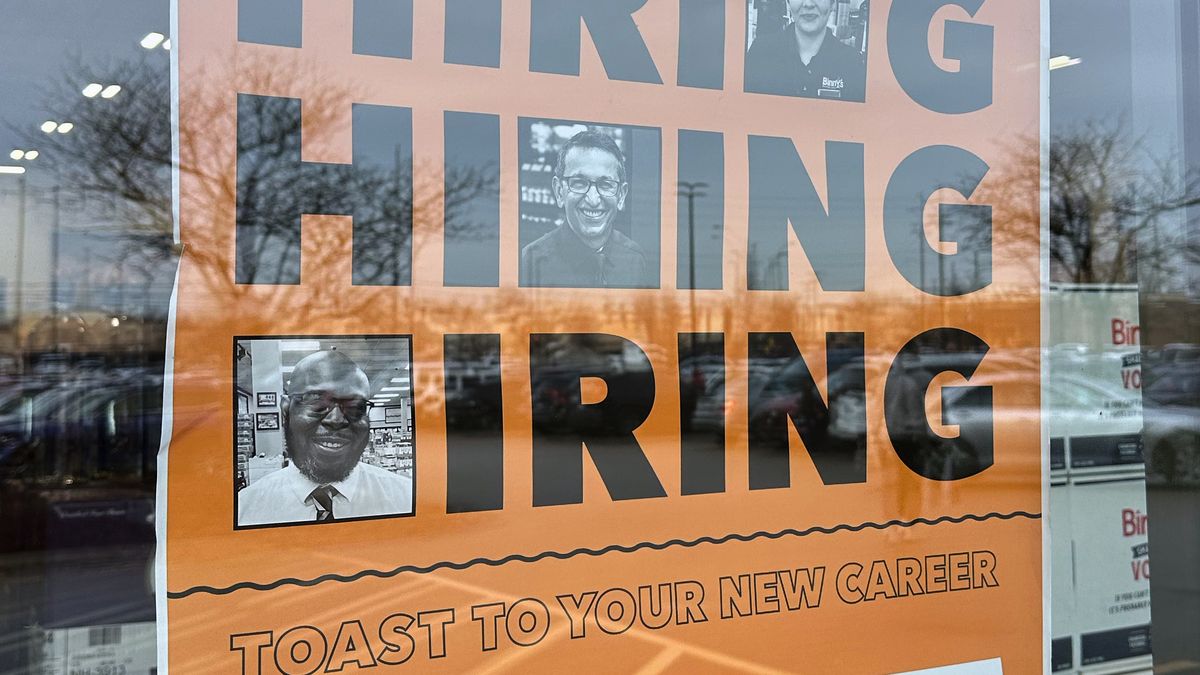
For e-commerce businesses, the operational implications are substantial. Employment statistics drive consumer confidence metrics—when BLS reports show job market weakness, consumer spending typically contracts 2-4% within 60 days, directly impacting demand for discretionary categories (electronics, apparel, home goods). Inflation data from BLS affects pricing decisions: sellers using CPI adjustments for dynamic pricing can now expect more consistent methodology rather than potential mid-year reporting changes. Tariff policy decisions also depend on BLS labor cost data—the agency's wage trend reports inform trade negotiations and potential tariff adjustments that directly impact import costs for sellers sourcing from Asia or manufacturing in Mexico.
Matsumoto's confirmation process (requiring Senate approval) will likely conclude by Q2 2026, ending the interim period of data uncertainty. His technical focus on statistical methodology suggests the BLS will maintain consistent reporting standards through 2026-2027, providing sellers with predictable economic indicators for quarterly forecasting cycles. However, the appointment also reflects broader Trump administration intent to reshape economic institutions—concurrent Federal Reserve leadership changes indicate potential shifts in monetary policy that could affect currency stability and cross-border payment processing fees by 8-15% depending on dollar strength volatility.
Questions 7
How do BLS inflation measurements affect my dynamic pricing strategy and margin management?
BLS Consumer Price Index (CPI) data is the primary benchmark for inflation-adjusted pricing. Sellers using dynamic pricing tied to CPI can adjust prices to maintain margins as input costs change. The 6-month leadership vacuum created uncertainty about CPI methodology—potential mid-year reporting changes could have disrupted pricing models. Matsumoto's expertise in inflation measurement methodology suggests the BLS will maintain consistent CPI calculation standards through 2026-2027. Sellers should review their dynamic pricing formulas to ensure they reference official BLS CPI data (released monthly) and plan for stable methodology through at least Q4 2026.
What's the difference between Matsumoto and the previous nominee E.J. Antoni, and why does it matter for my business?
Antoni withdrew in August 2025 after criticism for distorting economic statistics for partisan purposes—raising concerns about data manipulation that could undermine pricing and forecasting reliability. Matsumoto maintains a low public profile but is recognized within statistical expert circles for accurately explaining data nuances. This distinction matters because sellers depend on credible BLS data for business decisions: if employment or inflation data were politically manipulated, pricing strategies and tariff forecasts would become unreliable. Matsumoto's appointment signals commitment to statistical integrity, protecting the data quality sellers need for accurate business planning.