






Fed Chair Nomination Triggers Dollar Surge | Cross-Border Sellers Face Currency Headwinds
- Kevin Warsh's hawkish monetary policy stance strengthens USD 0.9%, pressuring precious metals and international shipping costs for e-commerce sellers







Overview
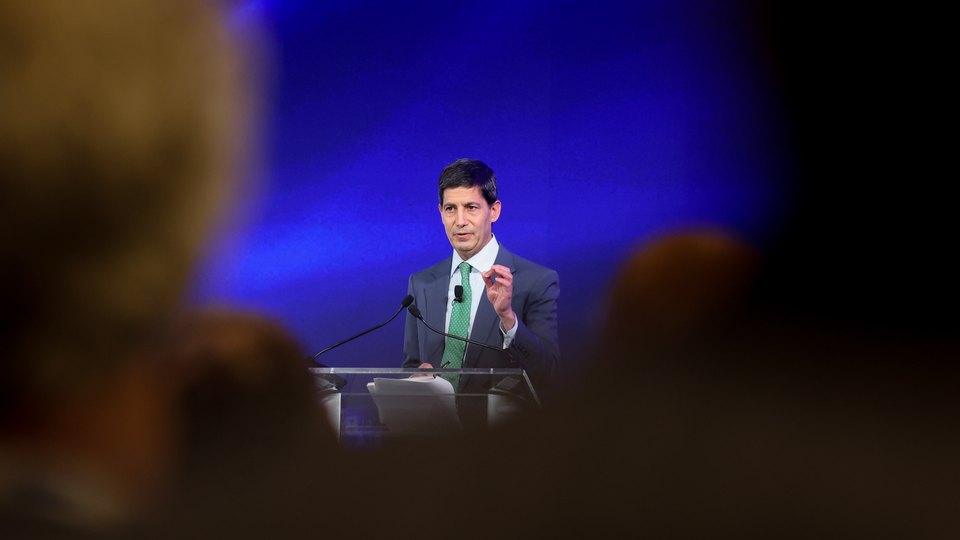
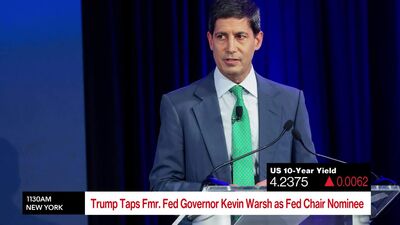
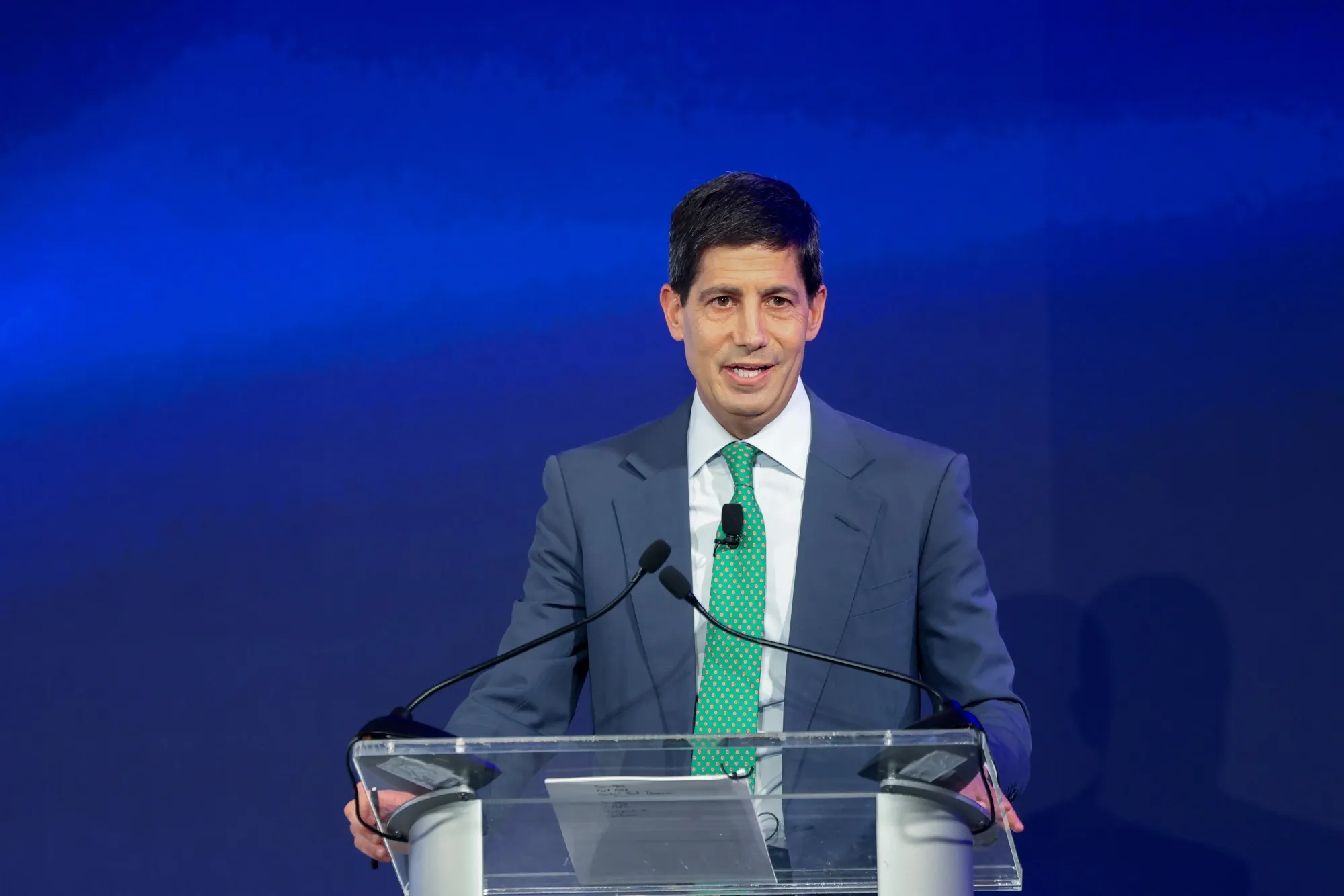
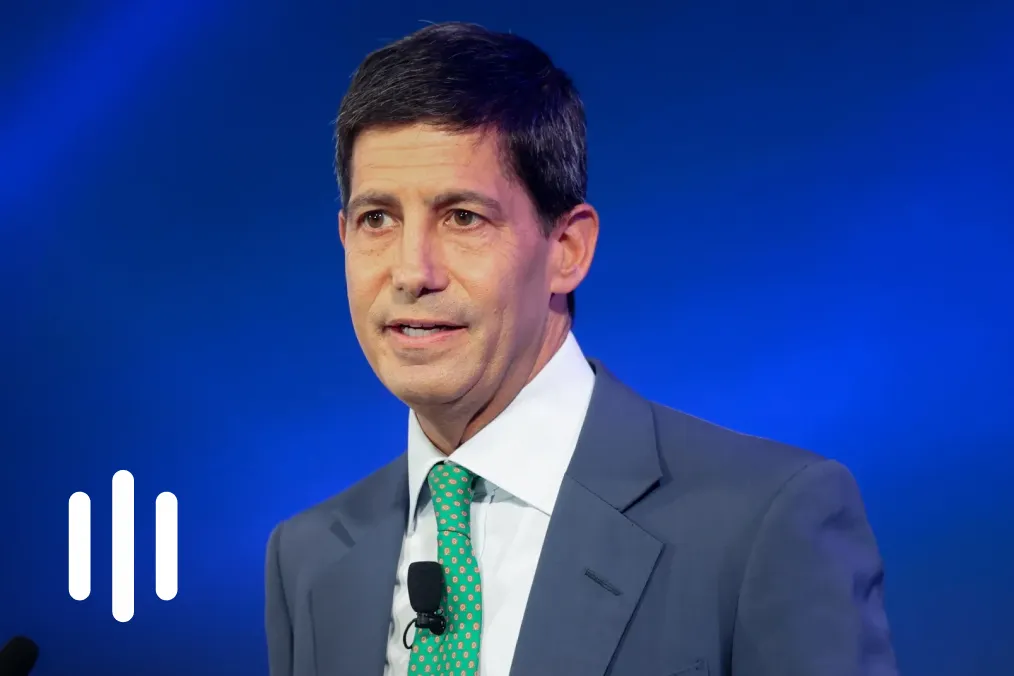
Kevin Warsh's nomination as Federal Reserve Chair on January 30, 2026, triggered significant market volatility with direct implications for cross-border e-commerce sellers. The WSJ Dollar Index surged 0.9%—its sharpest increase since May 2025—while precious metals experienced their worst single-day performance since 1980 (gold -11%, silver -31%). This monetary policy shift fundamentally reshapes the economics of international selling on Amazon Global, eBay International, and Shopify Plus platforms.
Currency Impact on Cross-Border Sellers: Warsh's inflation-hawk positioning and advocacy for tight monetary policy signal sustained USD strength through mid-2026. For sellers shipping internationally, a stronger dollar increases effective costs in foreign markets. A 0.9% daily dollar appreciation compounds monthly: sellers exporting to EU, UK, and Canada face 3-5% margin compression on products priced in local currencies. Specifically, sellers using Amazon FBA Europe or eBay UK experience reduced competitiveness as their USD-denominated costs rise relative to local pricing power. Precious metals sellers (jewelry, collectibles, bullion) face immediate category headwinds—the 31% silver plunge signals deflated demand for luxury goods, directly impacting sellers in jewelry, watches, and collectible categories on Amazon Handmade and specialty marketplaces.
Inventory and Pricing Strategy Adjustments: The stronger dollar creates arbitrage opportunities for sellers importing goods from Asia. Chinese suppliers' pricing becomes more attractive relative to domestic sourcing, potentially driving 8-12% cost savings for sellers importing electronics, apparel, and home goods. However, this advantage erodes if tariffs increase under deregulation policies Warsh advocates. Sellers should immediately audit inventory costs: products sourced in CNY, INR, or VND become 2-4% cheaper per unit, while finished goods exported to USD-weak markets (emerging markets, developing economies) face demand headwinds. The nomination's market reception suggests interest rates will remain elevated through Q2 2026, increasing working capital costs for sellers financing inventory through credit lines.
Strategic Implications for Seller Segments: Small sellers (under $100K annual revenue) face the most pressure—they lack hedging tools and must absorb currency fluctuations directly. Mid-market sellers ($100K-$1M) should consider forward contracts or multi-currency pricing strategies on Shopify to lock in margins. Large sellers ($1M+) can leverage the dollar strength to acquire inventory at favorable rates from Asian suppliers, gaining 6-month competitive advantage. Precious metals and luxury goods sellers should expect 15-25% category volume declines through Q2 2026 based on historical patterns following monetary tightening cycles.
Questions 8
What's the timeline for when these Fed policy changes will impact my business?
Immediate impacts (0-30 days): Currency fluctuations already affecting international pricing on **Amazon Global** and **eBay International**. Update your pricing in Seller Central within 7 days to reflect the 0.9% dollar surge. Short-term impacts (1-3 months): Interest rates stabilize at elevated levels, increasing financing costs for inventory purchases. Mid-term impacts (3-6 months): Tariff policy clarifies under Warsh's deregulation advocacy, affecting import costs. Long-term impacts (6-12 months): Consumer spending may soften if tight monetary policy slows economic growth, reducing demand on Amazon and Shopify. Action timeline: (1) audit pricing today, (2) refinance inventory debt by Feb 15, (3) adjust sourcing strategy by March 1, (4) monitor tariff announcements weekly.
How can I protect my margins if I import goods from China with a strong dollar?
A stronger dollar actually benefits importers—Chinese suppliers' pricing becomes 2-4% cheaper per unit when converted from CNY to USD. Capitalize on this: (1) lock in supplier contracts now at favorable rates before they adjust pricing upward, (2) increase order volumes 15-20% to build inventory while costs are low, and (3) negotiate 90-120 day payment terms to extend cash flow benefits. However, watch for tariff increases—Warsh advocates deregulation, which could mean tariff policy shifts. Sellers should hedge by: diversifying suppliers across Vietnam and India (where costs may remain stable), and avoiding single-source dependencies. Use **Shopify's supplier management tools** to track cost changes monthly.