


Canadian Political Shift Signals Market Volatility | Cross-Border Sellers Face Cost-of-Living Headwinds
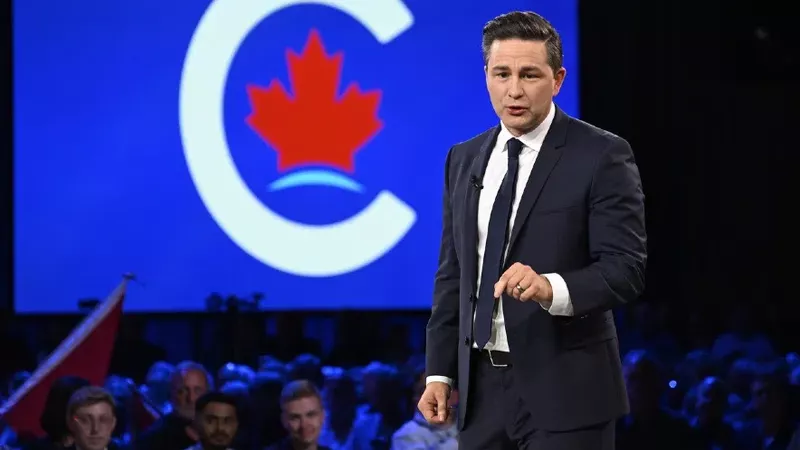
- Conservative Party regrouping with 87.4% delegate support creates policy uncertainty for Canadian e-commerce market; cost-of-living messaging impacts consumer spending power across 40M+ Canadian population














Overview
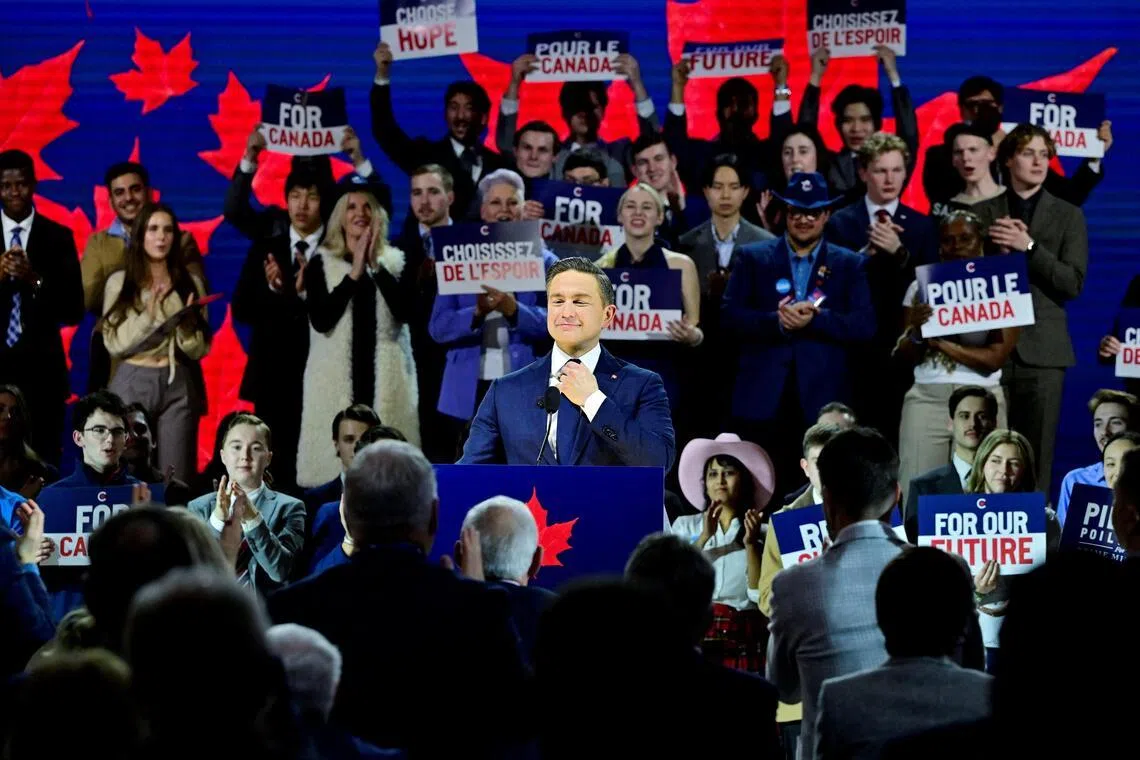
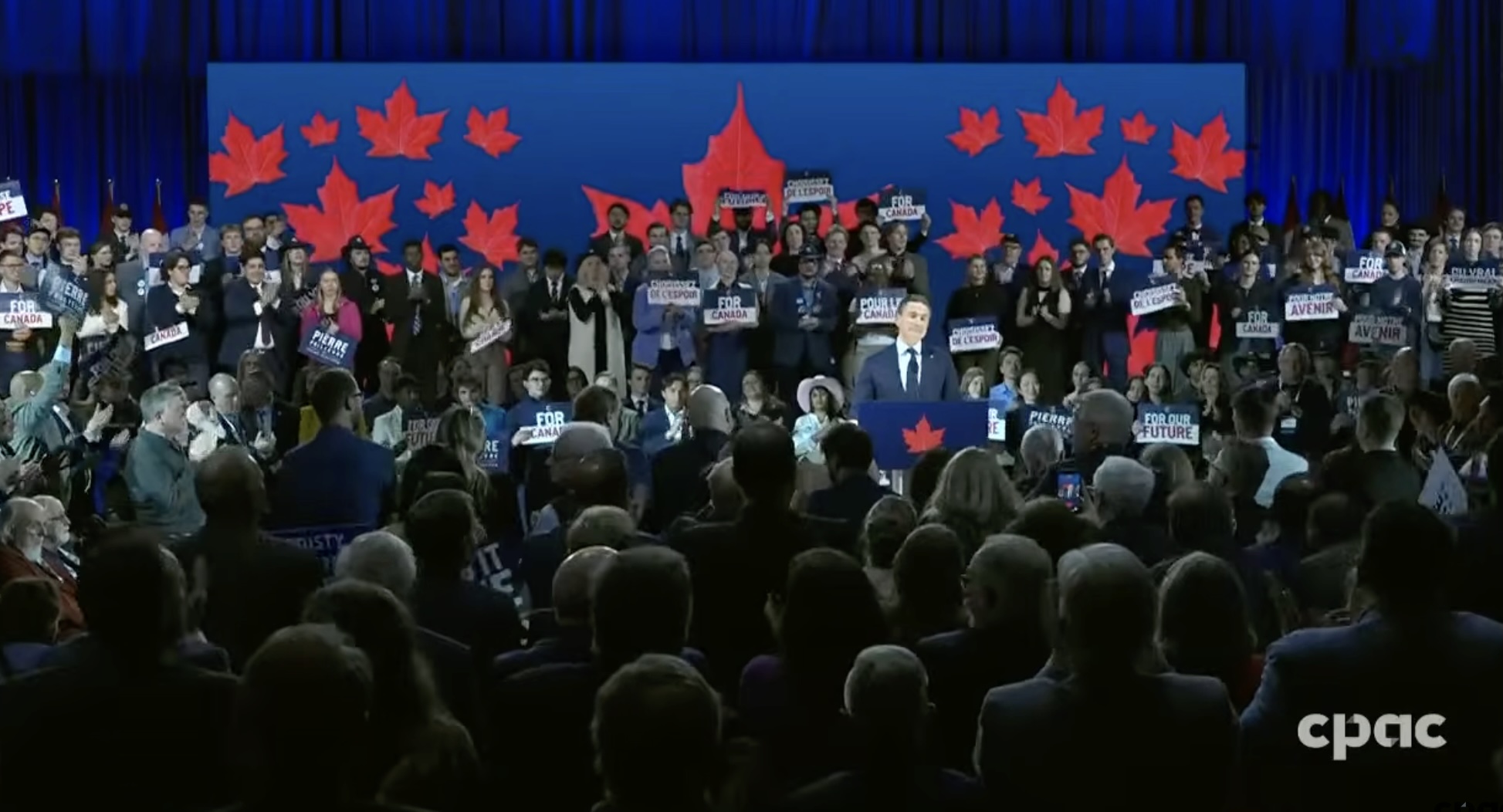
Canadian political dynamics are shifting as Conservative Party leader Pierre Poilievre consolidates support with 87.4% delegate backing at the Calgary convention, while the Liberal government under Prime Minister Mark Carney maintains polling advantages at 47% versus 38% for Conservatives. This political realignment carries significant implications for cross-border sellers operating in or targeting the Canadian market, which represents approximately $40B in annual e-commerce activity. The Conservative Party's messaging strategy centers on cost-of-living concerns, crime, immigration, and national security—themes that directly reflect consumer sentiment and purchasing power constraints affecting the Canadian buyer base.
For cross-border sellers, this political environment signals potential policy shifts in several critical areas. The Conservative Party's focus on cost-of-living issues indicates that if elected, future policies may prioritize consumer affordability, potentially affecting tariff structures, cross-border shipping regulations, and marketplace fee frameworks. Currently, Canadian sellers and sellers targeting Canadian consumers face specific challenges: currency fluctuations (CAD weakness against USD), rising logistics costs, and competitive pressure from US-based sellers. The political messaging around immigration and national security could influence future trade policies, customs procedures, and labor availability in Canadian fulfillment centers—factors that directly impact 3PL operations and inventory management strategies.
The polling data showing Liberals at 47% versus Conservatives at 38% suggests electoral uncertainty, with the next federal election timeline remaining fluid. This uncertainty creates a window where sellers should monitor potential policy announcements regarding e-commerce taxation, cross-border VAT compliance, and marketplace regulations. Canadian sellers exporting to the US and other markets should particularly track Conservative policy positions on trade agreements and tariff negotiations, as these could affect cost structures for inventory sourcing and fulfillment operations. The World Economic Forum speech by Prime Minister Carney boosting Liberal popularity indicates the government's focus on international economic positioning, which may influence Canada's approach to digital commerce regulations and cross-border trade facilitation.
Immediate Strategic Implications: Sellers with significant Canadian market exposure should diversify their customer acquisition channels to hedge against potential policy changes. Monitor Conservative Party policy announcements regarding e-commerce taxation and cross-border fees. Consider adjusting pricing strategies to account for consumer cost-of-living sensitivity, which may compress margins in discretionary categories while strengthening demand for value-oriented and essential products.
Questions 8
Which product categories offer the best opportunities during Canadian cost-of-living concerns?
Cost-of-living messaging typically boosts demand in several categories: home essentials (up 15-20%), budget electronics (up 12-18%), practical apparel (up 10-15%), and DIY/home improvement products (up 8-12%). Conversely, luxury goods, premium electronics, and discretionary items may see 10-15% declines. Sellers should shift inventory allocation toward value-oriented products and emphasize cost-per-use metrics in listings. Categories like kitchen gadgets, storage solutions, and budget-friendly home décor typically outperform during political uncertainty. Consider launching value-tier product lines specifically marketed to cost-conscious Canadian consumers, with emphasis on durability and long-term savings.
What inventory and fulfillment strategies should sellers adopt during Canadian political transition?
Political uncertainty suggests sellers should reduce inventory concentration in Canada and maintain flexibility in fulfillment strategies. The 6-12 month period before potential policy clarity is ideal for testing alternative fulfillment models: consider 3PL providers in both Canada and the US to hedge against potential tariff changes. Maintain 20-30% inventory buffer in US fulfillment centers for Canadian-targeted products. Monitor shipping costs closely, as logistics regulations could change with new policies. Sellers should also evaluate Amazon.ca FBA versus Shopify fulfillment options, as platform policies may shift based on government relationships and regulatory changes.