


Yuan Internationalization Accelerates | Cross-Border Sellers Face Currency Shift & Payment System Overhaul
- China targets 2-3% to 5-8% global reserve share by 2027; sellers sourcing from China see 2-4% cost reduction in RMB-denominated transactions; payment processing complexity increases for multi-currency operations




















)
Overview
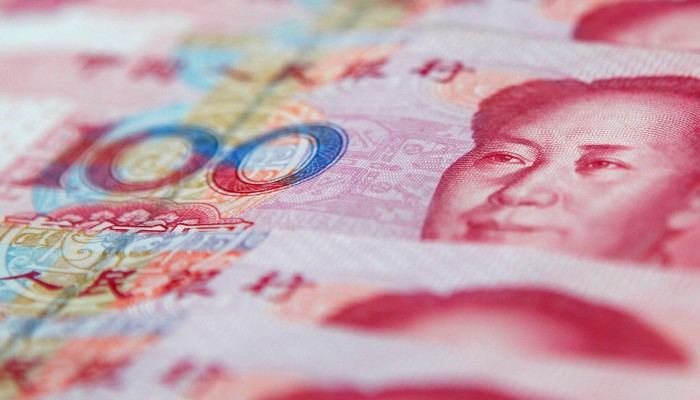
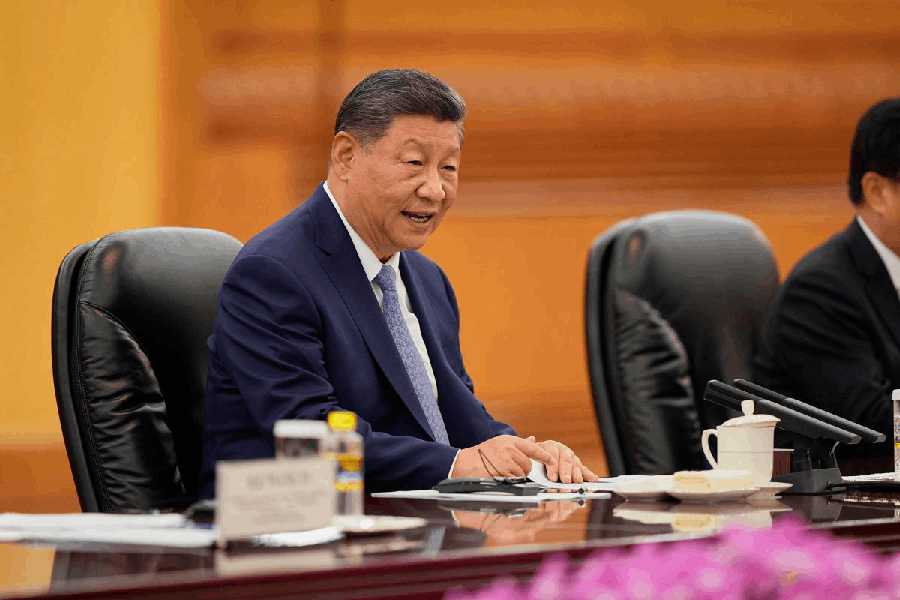
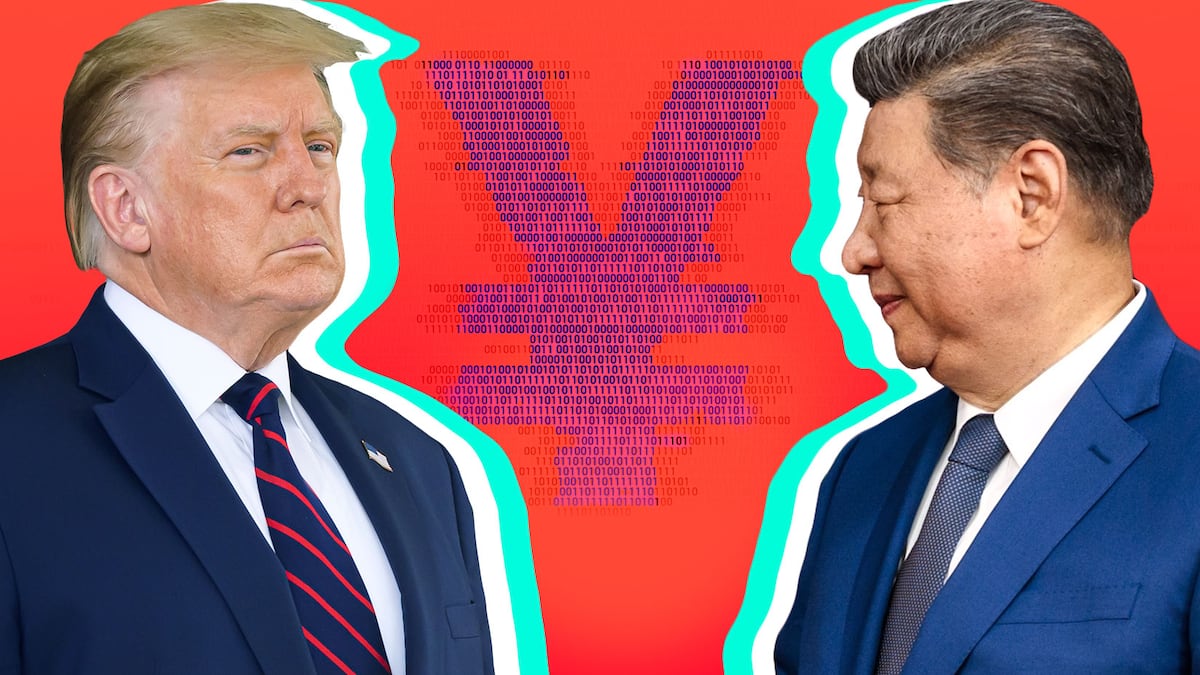
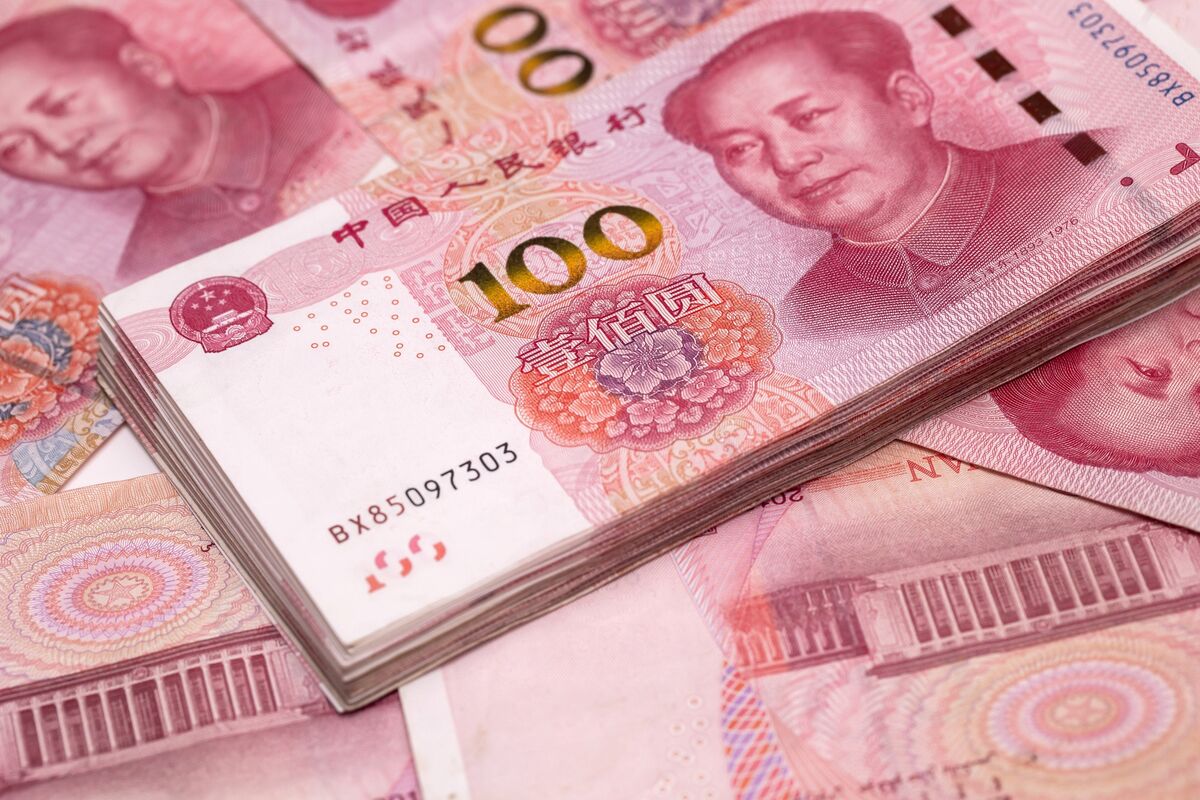
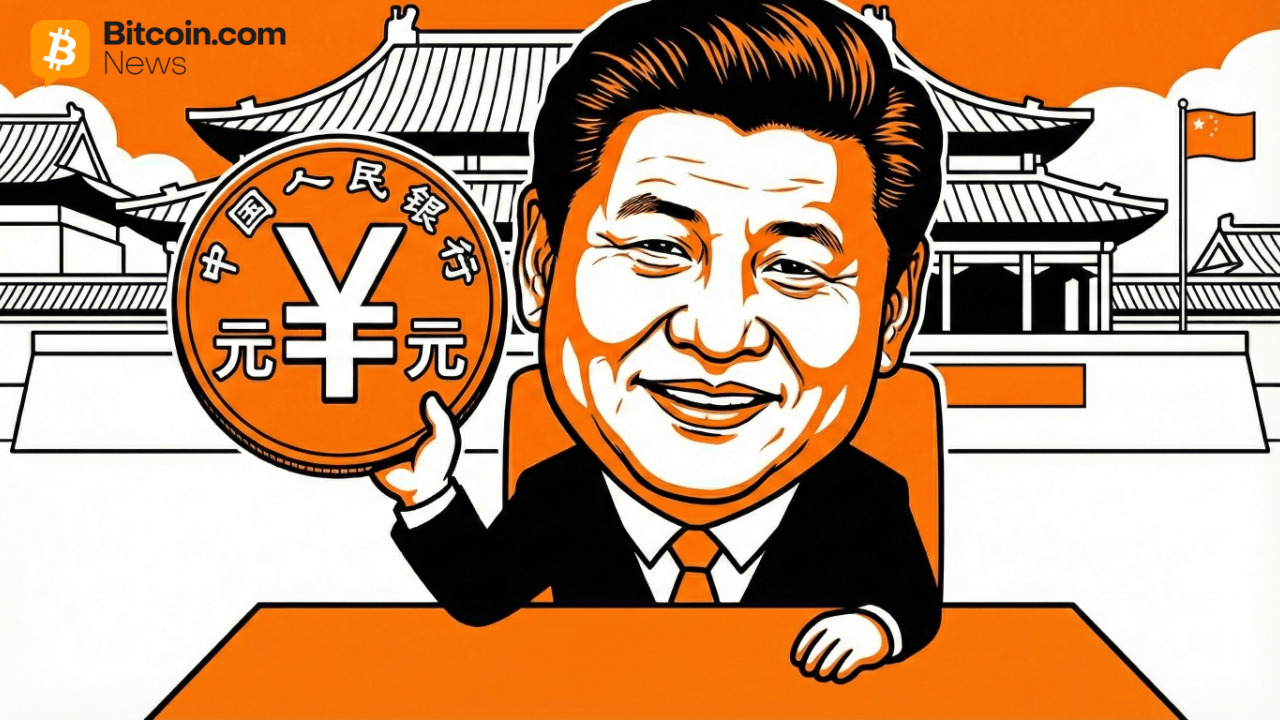
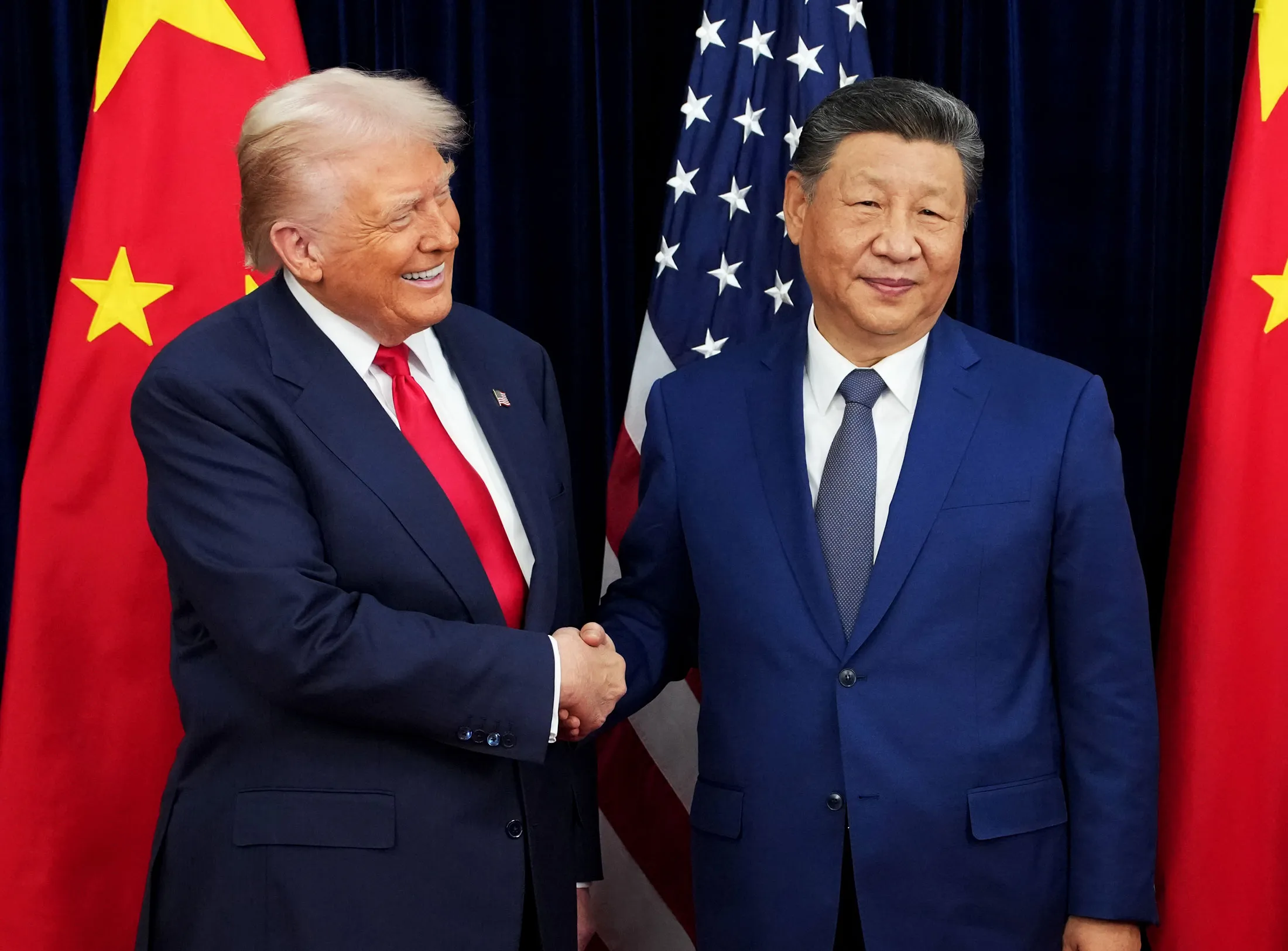
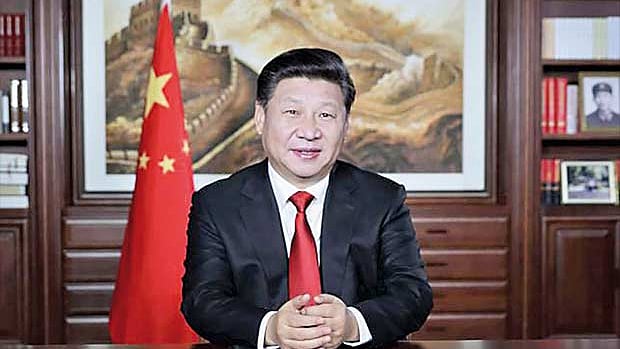
China's coordinated push to elevate the renminbi (yuan) to global reserve currency status represents a fundamental restructuring of cross-border payment infrastructure that directly impacts e-commerce sellers' sourcing costs, payment processing, and competitive positioning. Xi Jinping's strategic vision, published January 31, 2025, combined with Trump's February 2, 2026 embrace of a weaker dollar, creates a rare convergence of geopolitical and monetary policy shifts that accelerate yuan internationalization from approximately 2-3% of global reserves to a projected 5-8% by 2027.
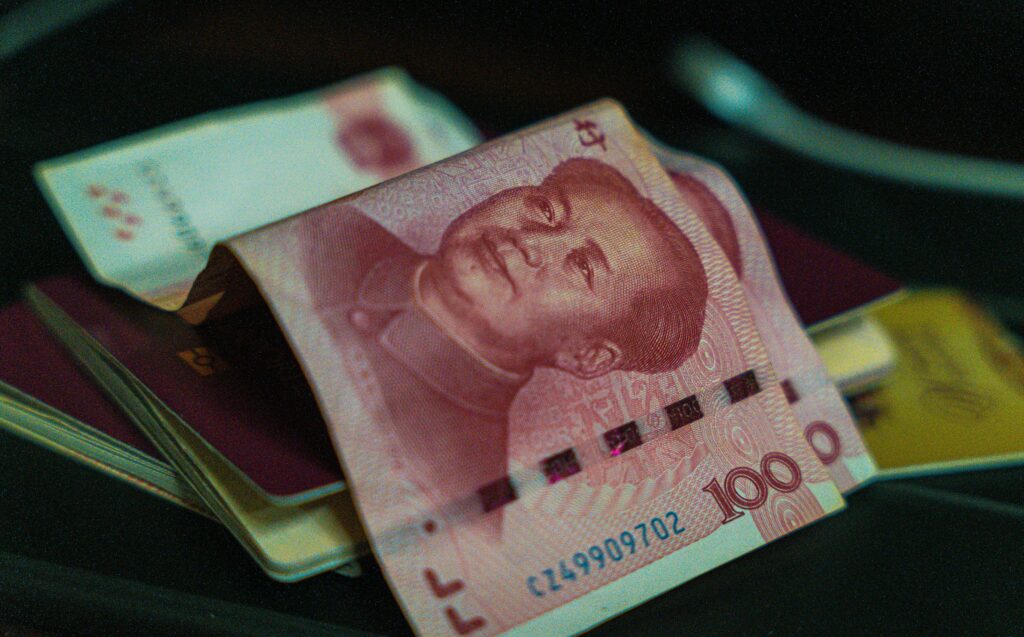
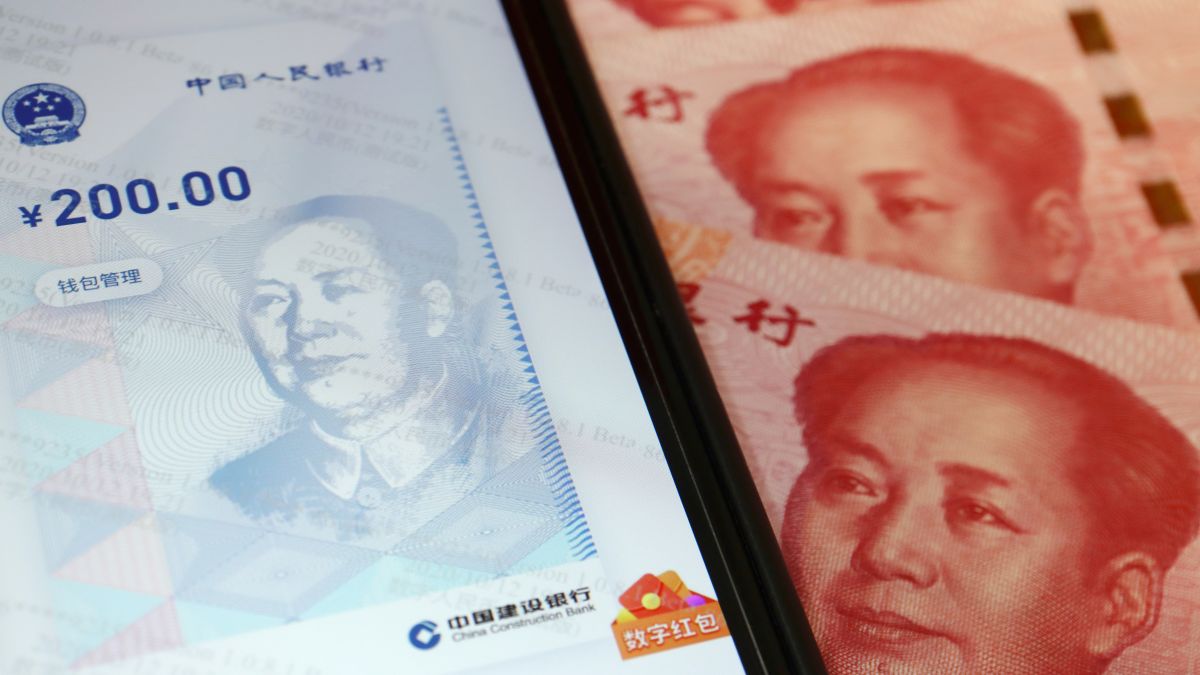
For cross-border sellers, the immediate operational impact manifests across three critical dimensions. First, currency conversion cost reduction: Sellers conducting business with Chinese suppliers can expect 2-4% margin improvements through direct RMB-denominated transactions, as China's expanded CIPS (Cross-Border Interbank Payment System) and SWIFT alternatives reduce intermediary fees. Currently, approximately one-third of China's bilateral trade settles in yuan (returning to 2015 levels), signaling institutional acceptance. Second, payment system fragmentation: The proliferation of yuan settlement options—including the accelerated digital yuan (e-CNY) rollout across major Chinese cities—creates operational complexity. Sellers must now manage multiple payment rails: traditional dollar-based systems, emerging yuan channels, and experimental CBDC infrastructure. Third, currency volatility exposure: While China's central bank maintains strict controls to prevent RMB fluctuations (essential for reserve currency credibility), the transition period creates hedging challenges. A weaker dollar (Trump's stated preference) increases costs for US importers purchasing goods internationally by 3-6%, potentially reducing competitiveness for sellers exporting to American markets.
Strategic sourcing shifts emerge as a secondary but significant opportunity. Sellers currently sourcing from Vietnam, India, or other non-China suppliers face competitive pressure as Chinese manufacturers gain cost advantages through reduced currency conversion friction. The shift toward yuan settlement in bilateral trade reduces foreign exchange exposure for sellers trading with Chinese partners, creating incentives to consolidate sourcing back to China despite tariff headwinds. However, this advantage is time-limited—as yuan internationalization progresses and other nations develop competing CBDCs, the cost differential will compress. The timing window for capturing yuan-denominated sourcing advantages is approximately 18-24 months before market equilibrium re-establishes.
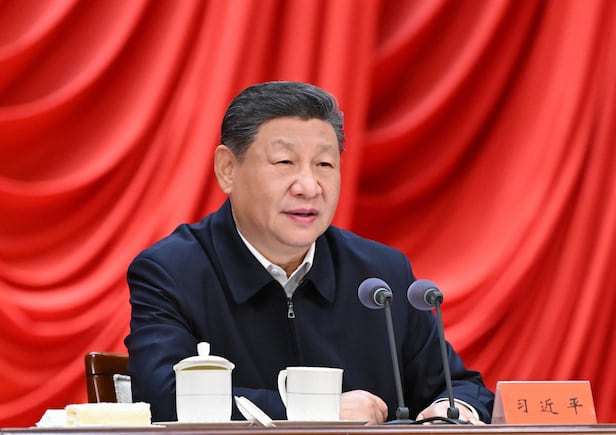
Compliance and regulatory complexity increases substantially. China's financial system strengthening initiative (published in Qiushi Journal, January 31, 2025) emphasizes "independent, controllable financial infrastructure," signaling potential restrictions on foreign access to yuan settlement systems. Sellers must monitor regulatory implementations affecting payment methods, currency conversion rates, and transaction processing with Chinese counterparts. The People's Bank of China's emphasis on indigenous financial system development may eventually require sellers to establish local payment accounts or use approved intermediaries, adding 2-4 weeks to onboarding timelines and $500-1,500 in compliance costs per supplier relationship.
Questions 8
How does China's yuan internationalization reduce costs for sellers sourcing from Chinese suppliers?
Direct RMB-denominated transactions eliminate intermediary currency conversion fees, typically reducing transaction costs by 2-4% compared to dollar-based settlements. Currently, approximately one-third of China's bilateral trade settles in yuan, and the People's Bank of China's expanded CIPS system enables faster, cheaper cross-border payments. Sellers can expect settlement times to compress from 5-7 business days (dollar transfers) to 2-3 days (yuan transfers), improving cash flow by 40-50% for high-volume suppliers. However, sellers must establish yuan-denominated accounts with Chinese banks or approved intermediaries, adding $500-1,500 in initial compliance costs and 2-4 weeks to supplier onboarding.
What currency hedging strategies should sellers implement to manage RMB volatility during the transition period?
While China's central bank maintains strict controls to prevent currency volatility (essential for reserve currency credibility), the transition period creates hedging challenges. Sellers should implement forward contracts for 30-50% of anticipated RMB-denominated payments 60-90 days in advance, locking in exchange rates and reducing exposure to sudden fluctuations. Dynamic pricing strategies that adjust for currency volatility require 2-3 week lead times for platform updates. Sellers with $100K+ monthly RMB exposure should consider currency diversification: maintain 40% dollar exposure, 40% yuan exposure, and 20% in alternative currencies (EUR, SGD) to reduce concentration risk. Hedging costs typically range from 0.5-1.5% of transaction value, but provide certainty for margin planning.