


Costa Rica Security Shift Creates Supply Chain & Consumer Demand Opportunities for Cross-Border Sellers
- Fernández's May 2025 inauguration signals stricter border controls, increased logistics costs, and emerging demand for security/safety products in Central American markets


















Overview
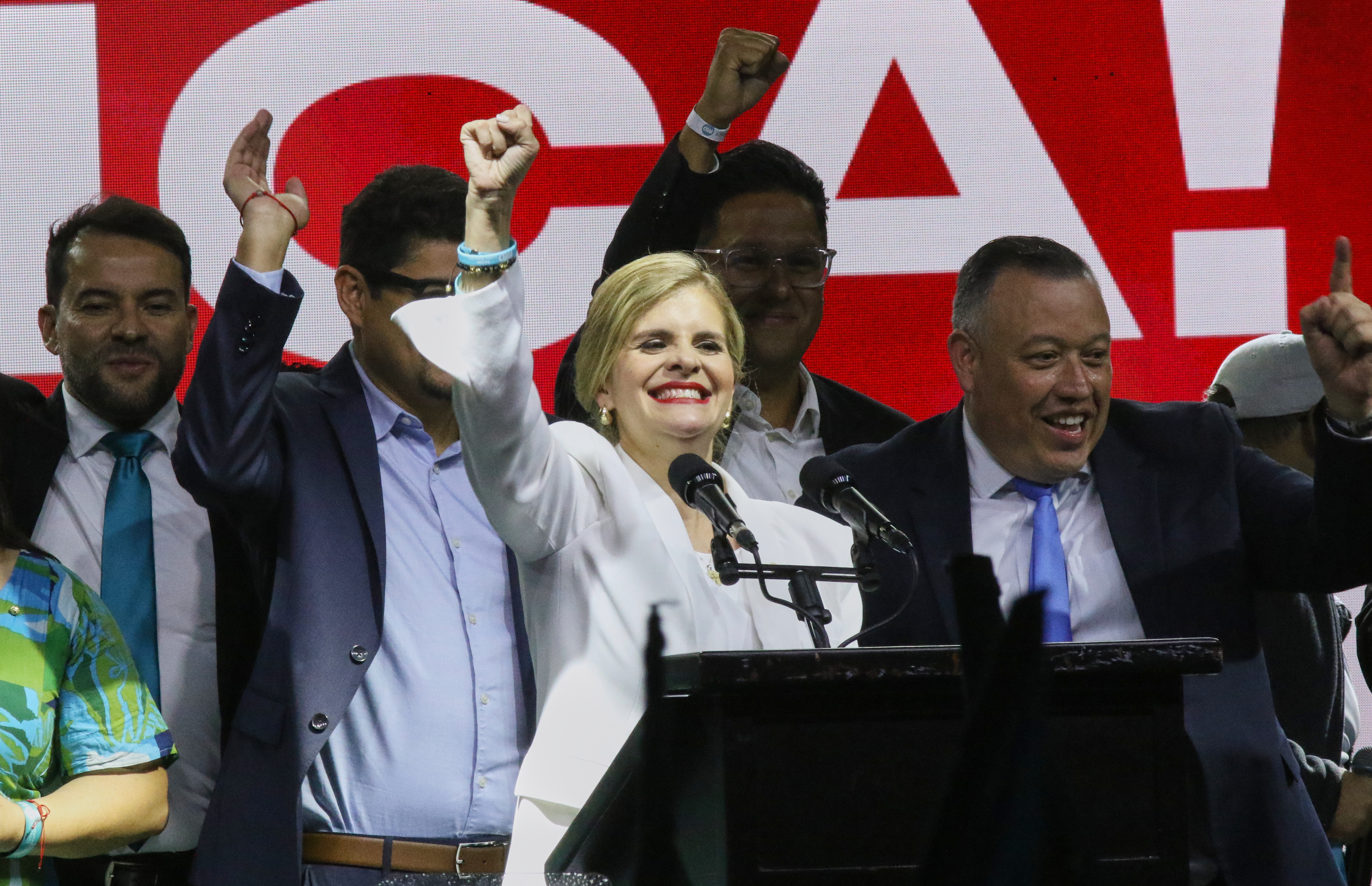
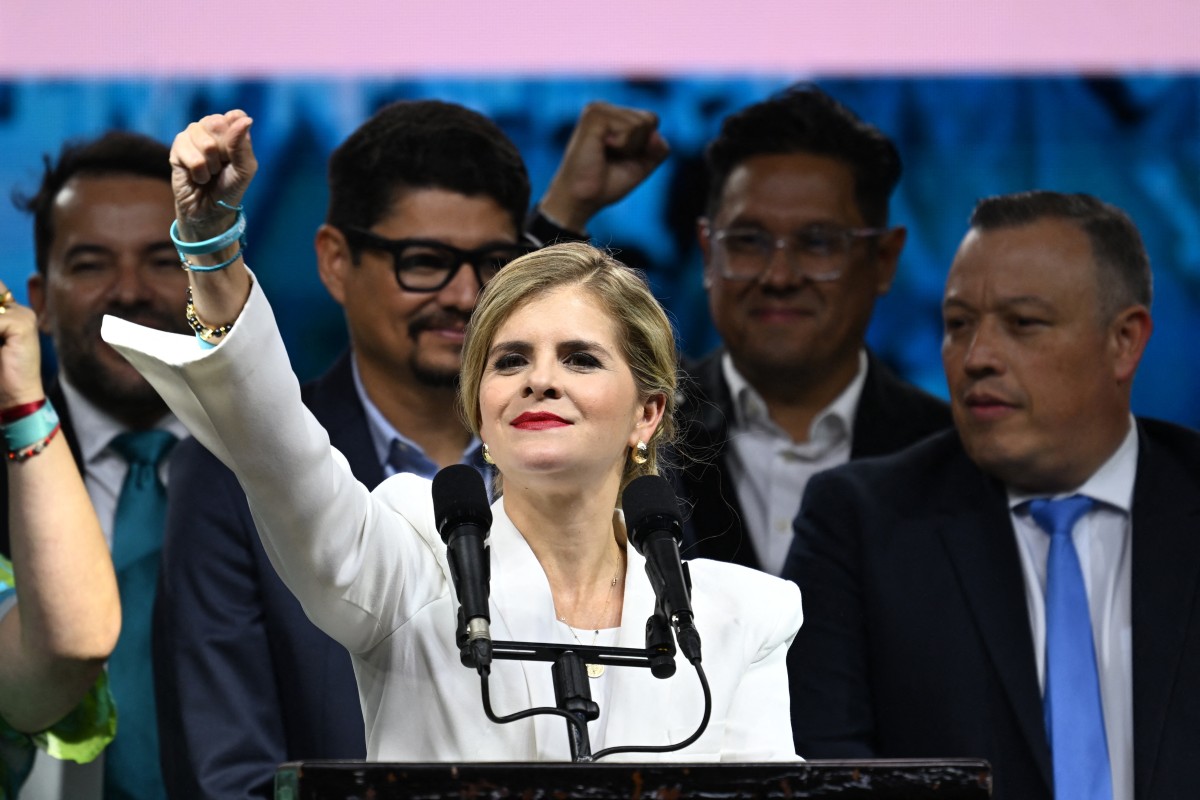
Laura Fernández's decisive victory with 48% of votes in Costa Rica's presidential election (sworn in May 8, 2025) represents a significant geopolitical shift with direct implications for cross-border e-commerce sellers operating in Central America. Her administration's commitment to aggressive crime suppression—modeled after El Salvador's Nayib Bukele's iron-fist approach—will reshape logistics networks, border compliance requirements, and consumer purchasing patterns across the region.
Supply Chain & Logistics Impact: Fernández's policy proposals include declaring states of emergency in gang-controlled areas and completing high-security prison construction, signaling intensified border security enforcement. For sellers using Costa Rica as a logistics hub or shipping through Central American corridors, this creates both challenges and opportunities. The Trump administration's designation of Costa Rica as a "key global cocaine transshipment point" indicates heightened customs scrutiny, potentially increasing shipping times by 5-15 days and documentation costs by $150-400 per shipment for sellers routing goods through the region. However, with her party controlling 30 of 57 parliamentary seats, Fernández has legislative capacity to implement infrastructure improvements—potentially modernizing customs systems and creating faster clearance pathways for legitimate commerce.
Consumer Market Opportunities: The election outcome reflects voter prioritization of security over other policy concerns, signaling strong consumer demand for safety-related products. This creates immediate e-commerce opportunities in categories including: home security systems (surveillance cameras, smart locks, alarm systems), personal safety devices (pepper spray, personal alarms, self-defense tools), security apparel (tactical clothing, protective gear), and emergency preparedness products. Central American consumers, particularly in Costa Rica and neighboring countries, are likely to increase spending on these categories by 20-35% during Fernández's first year in office, mirroring patterns observed in El Salvador following Bukele's security initiatives.
Regional Market Dynamics: Fernández's commitment to maintaining the "safe third-country migrant agreement" with the United States suggests stable US-Costa Rica relations and potential for enhanced bilateral trade. Her emphasis on "dialogue and national harmony" while maintaining "rule of law" indicates a business-friendly approach to security implementation, reducing risks of arbitrary enforcement that could disrupt legitimate commerce. Sellers should monitor her administration's specific policy implementations (expected within 90 days of May 2025 inauguration) to assess actual impact on shipping corridors and customs procedures.
Competitive Intelligence: The election signals broader Central American trends toward security-focused governance, creating a 12-18 month window for sellers to establish market presence in safety product categories before competition intensifies. Brands already positioned in El Salvador's security market (which saw 40%+ growth in protective equipment sales post-Bukele) should prioritize Costa Rican market entry.
Questions 8
How will Costa Rica's new security policies affect cross-border sellers shipping through Central America?
Fernández's aggressive crime suppression strategy and states of emergency declarations will likely increase customs scrutiny and documentation requirements for shipments transiting Costa Rica. Sellers should expect 5-15 day delays in processing times and additional compliance costs of $150-400 per shipment, particularly for goods routed through gang-controlled areas. However, her 30-seat parliamentary majority enables rapid infrastructure modernization. Sellers should monitor customs procedure updates within 90 days of her May 2025 inauguration and consider establishing relationships with local 3PL providers familiar with new compliance protocols.
Are there risks to sellers from Fernández's authoritarian-leaning governance model?
While Fernández emphasizes rule of law and dialogue, her explicit adoption of El Salvador's iron-fist approach carries some risk of arbitrary enforcement or policy changes affecting commerce. Sellers should mitigate this by: (1) maintaining compliance documentation for all shipments, (2) diversifying shipping routes to avoid over-reliance on single corridors, (3) monitoring government announcements for emergency declarations affecting specific regions, and (4) establishing relationships with local legal/compliance experts. However, her strong parliamentary majority and commitment to US relations suggest lower risk of sudden policy reversals compared to less stable administrations.