



Pakistan Geopolitical Tensions Impact Supply Chain Risk | Cross-Border Sellers Guide
- Balochistan security escalation affects logistics corridors; $500M foreign investment signals infrastructure recovery opportunities for sellers sourcing from South Asia



)







)

Overview
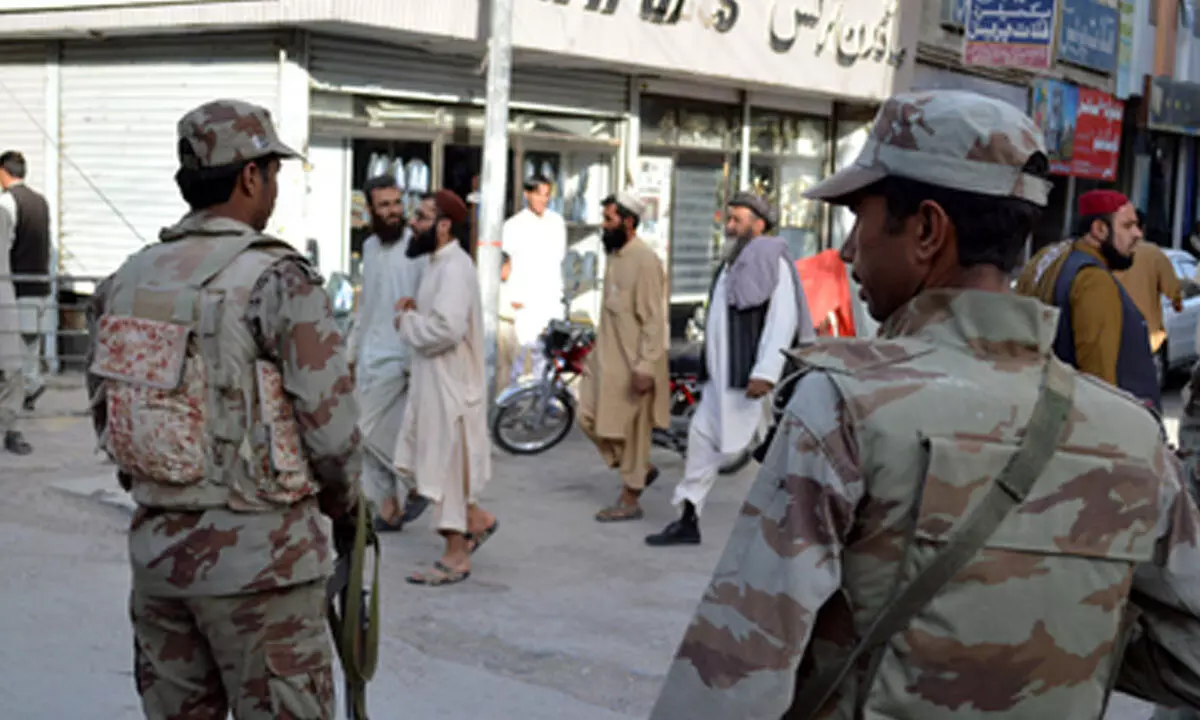
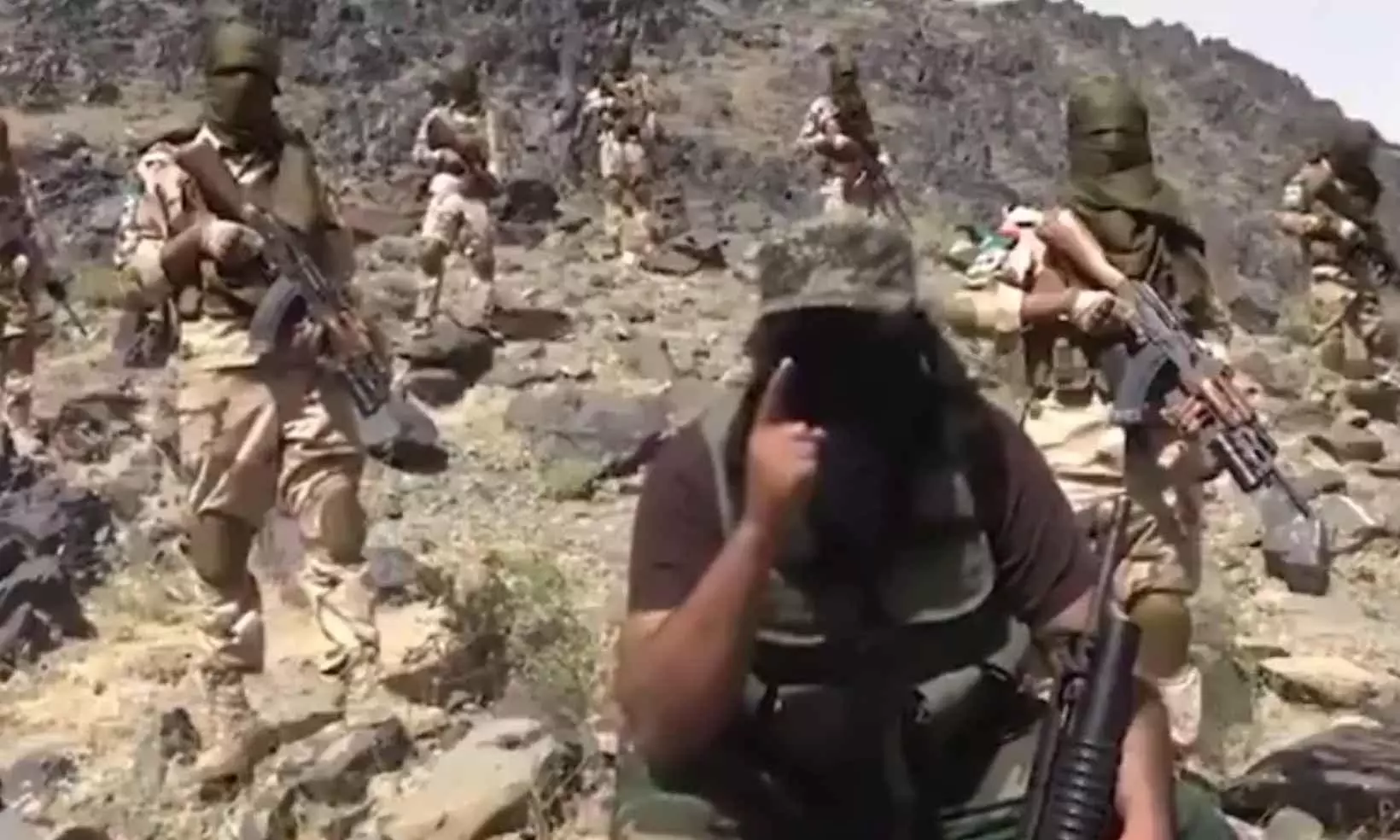
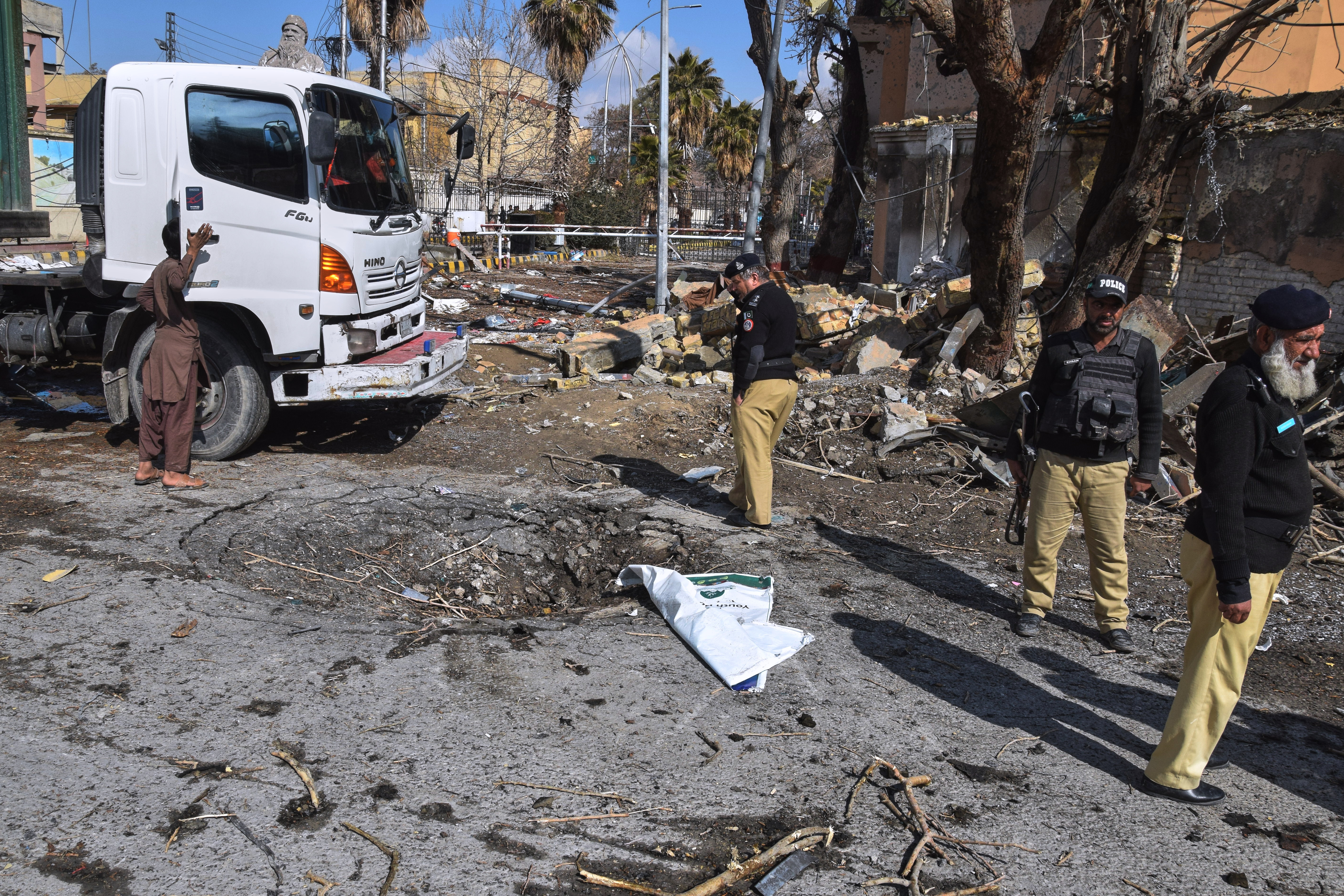
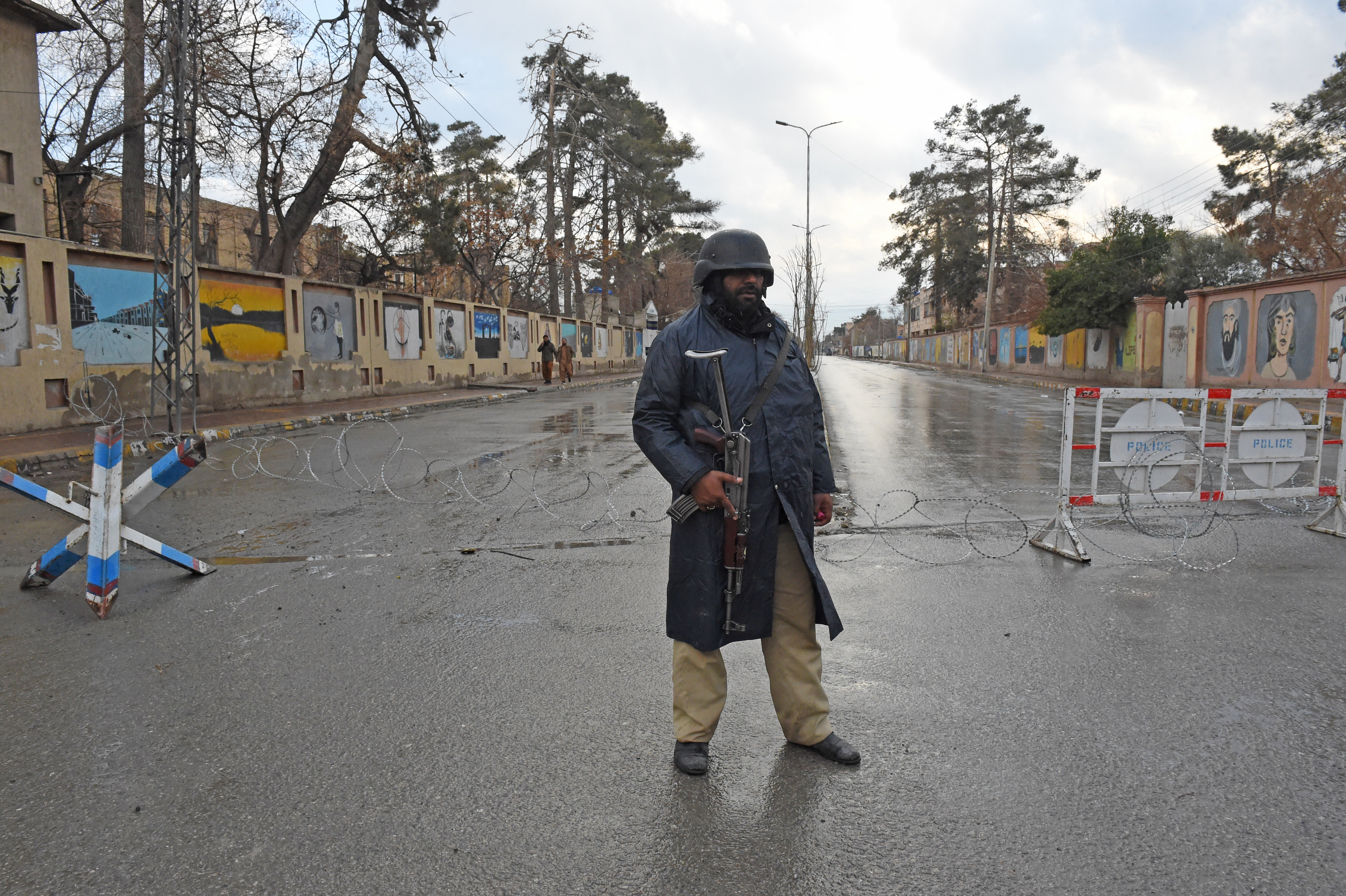
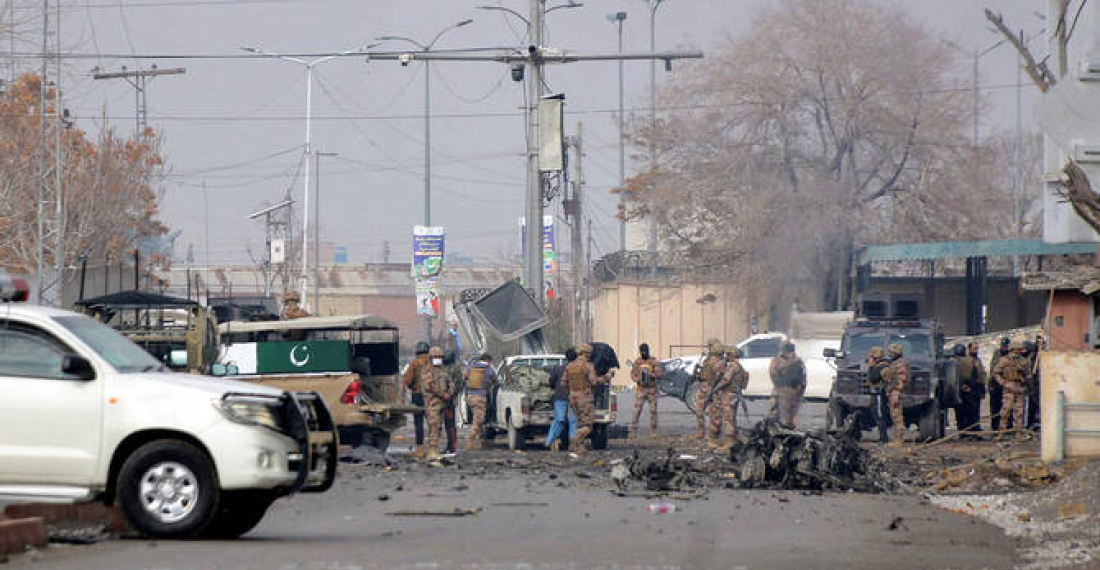
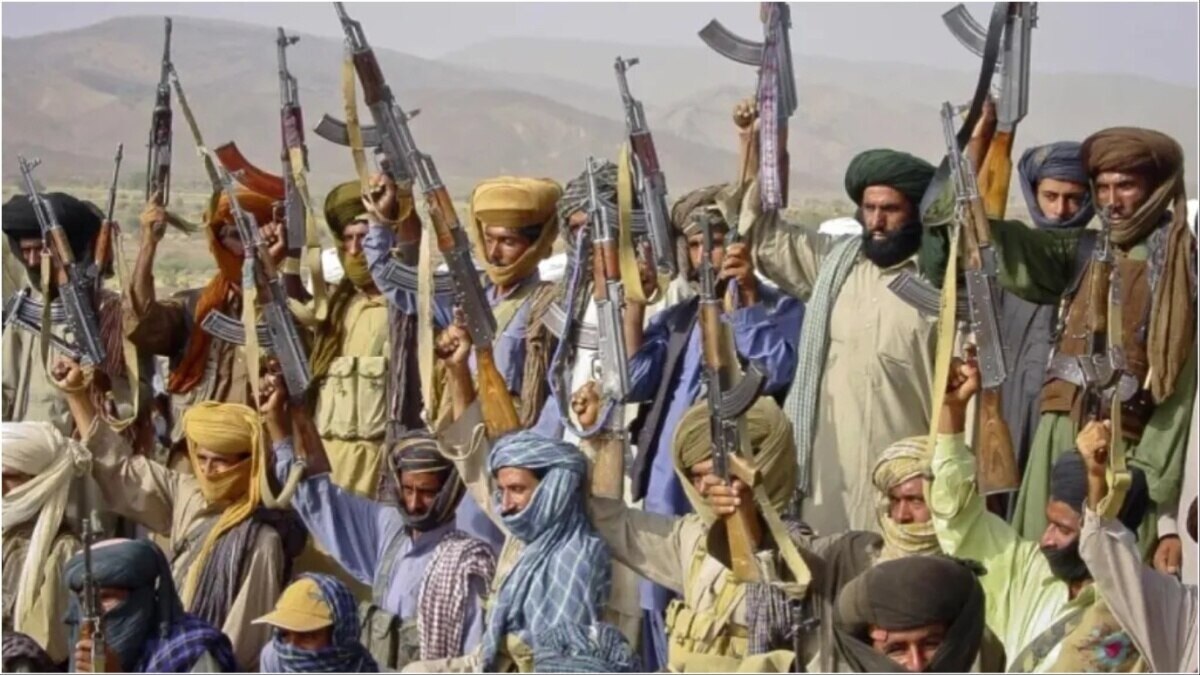
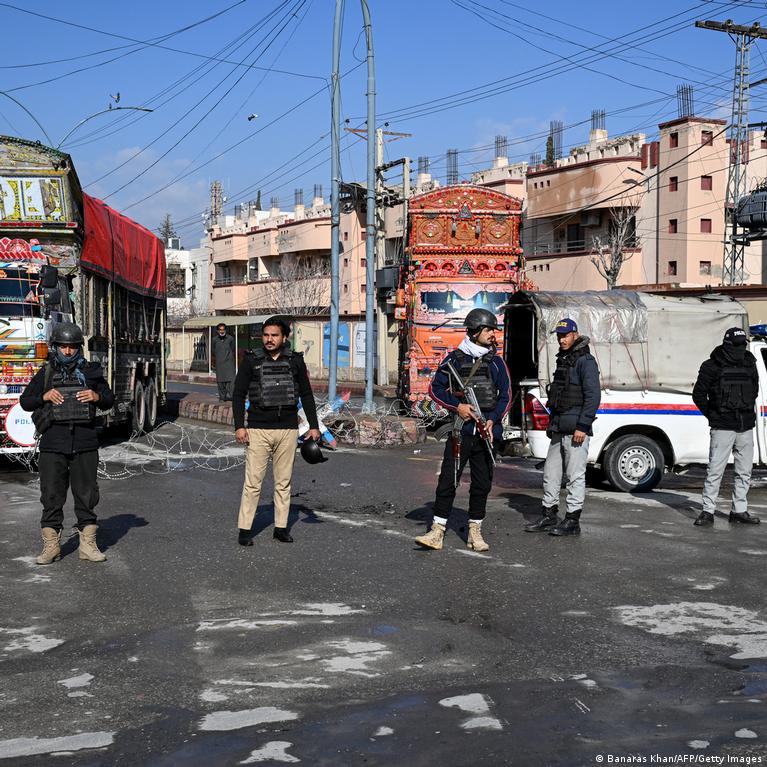
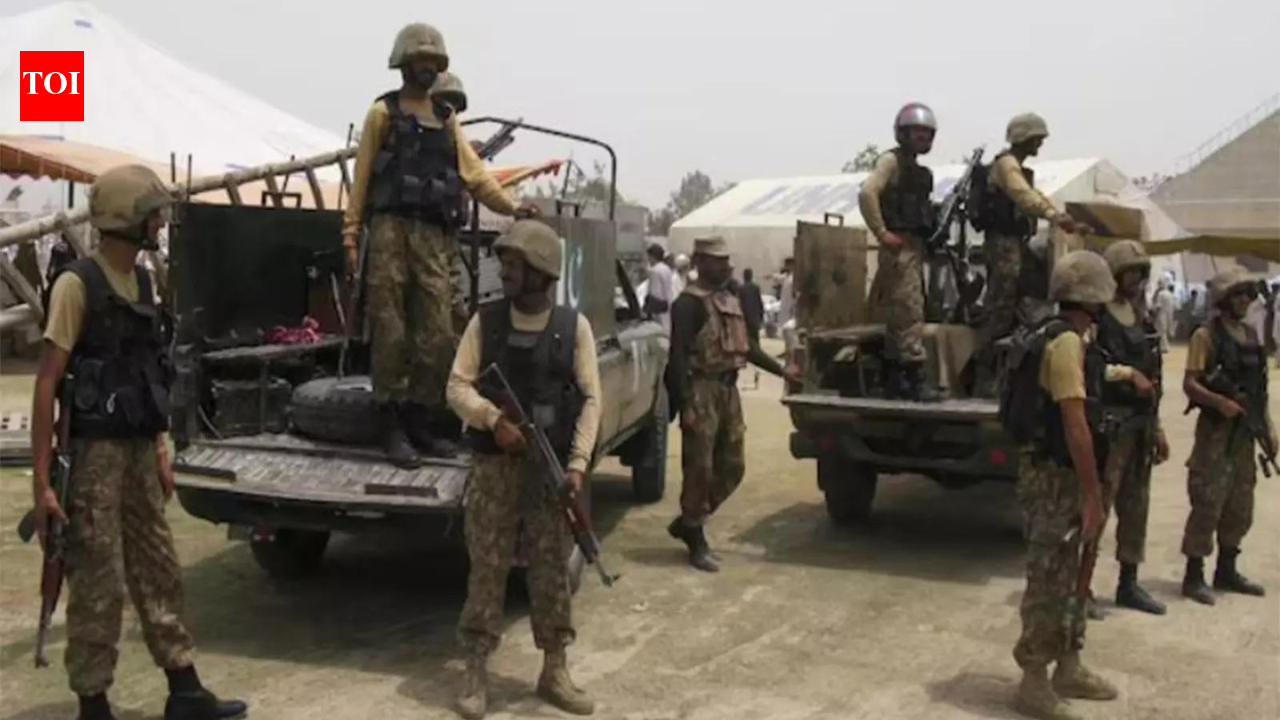
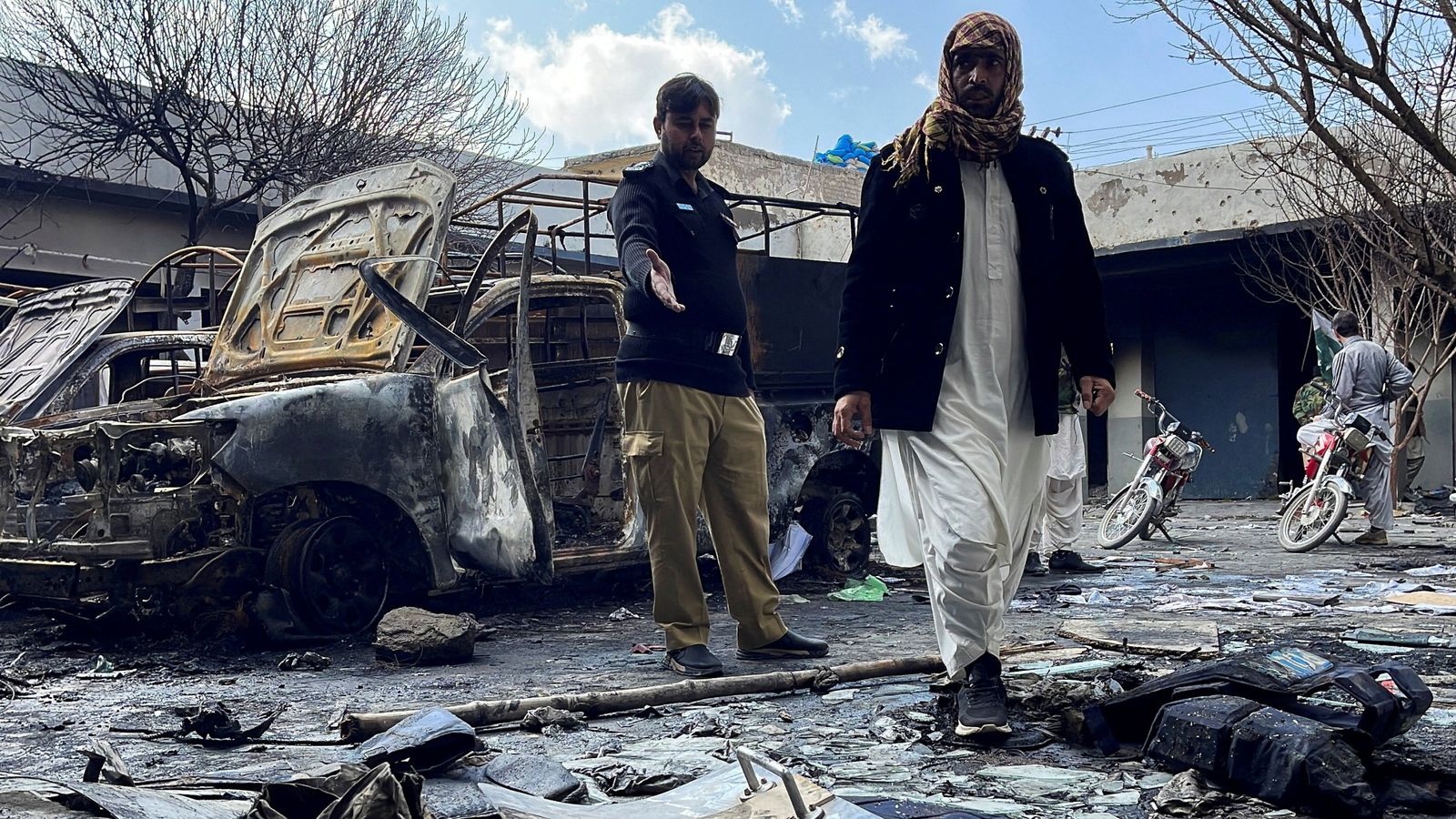
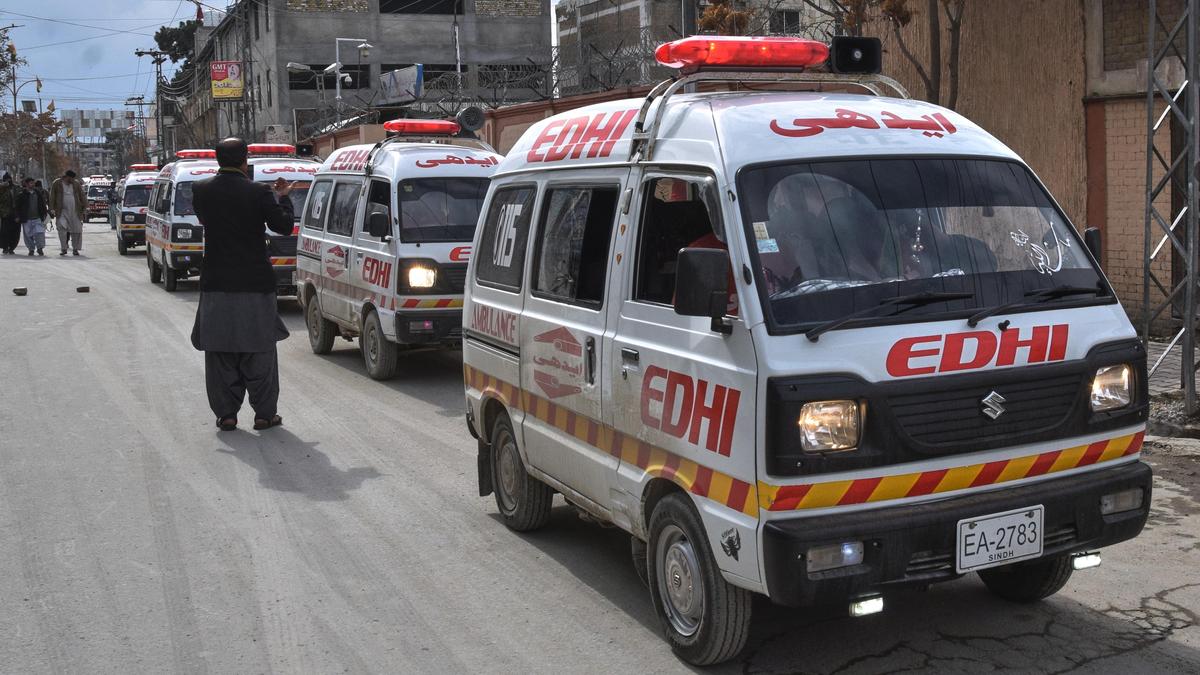
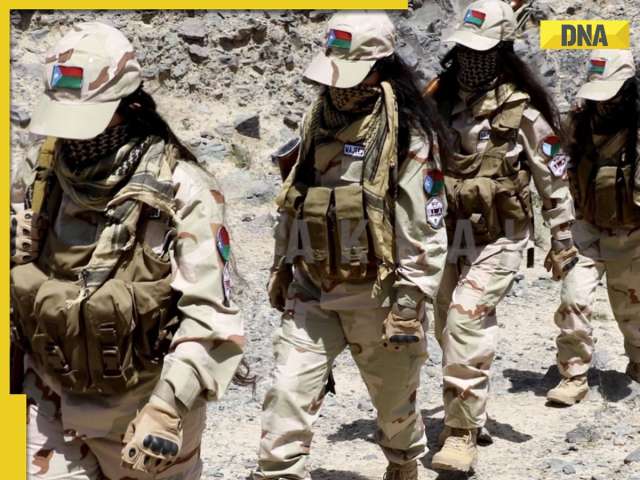
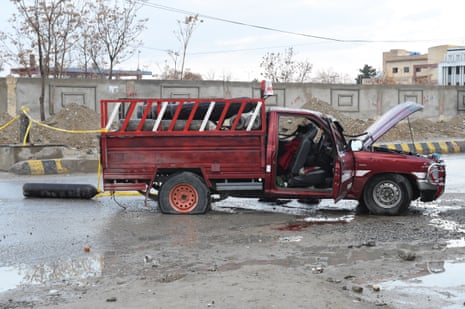
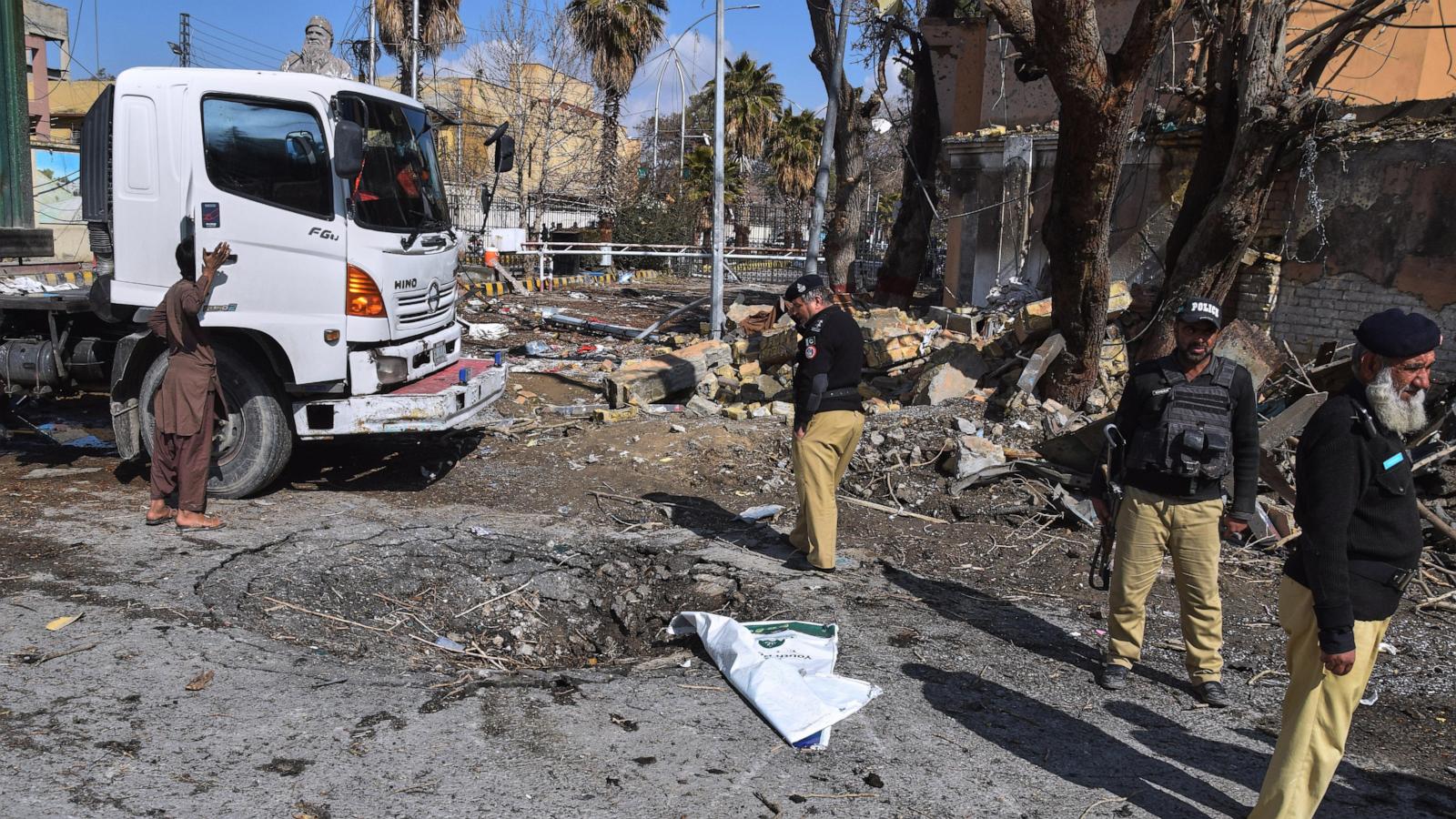
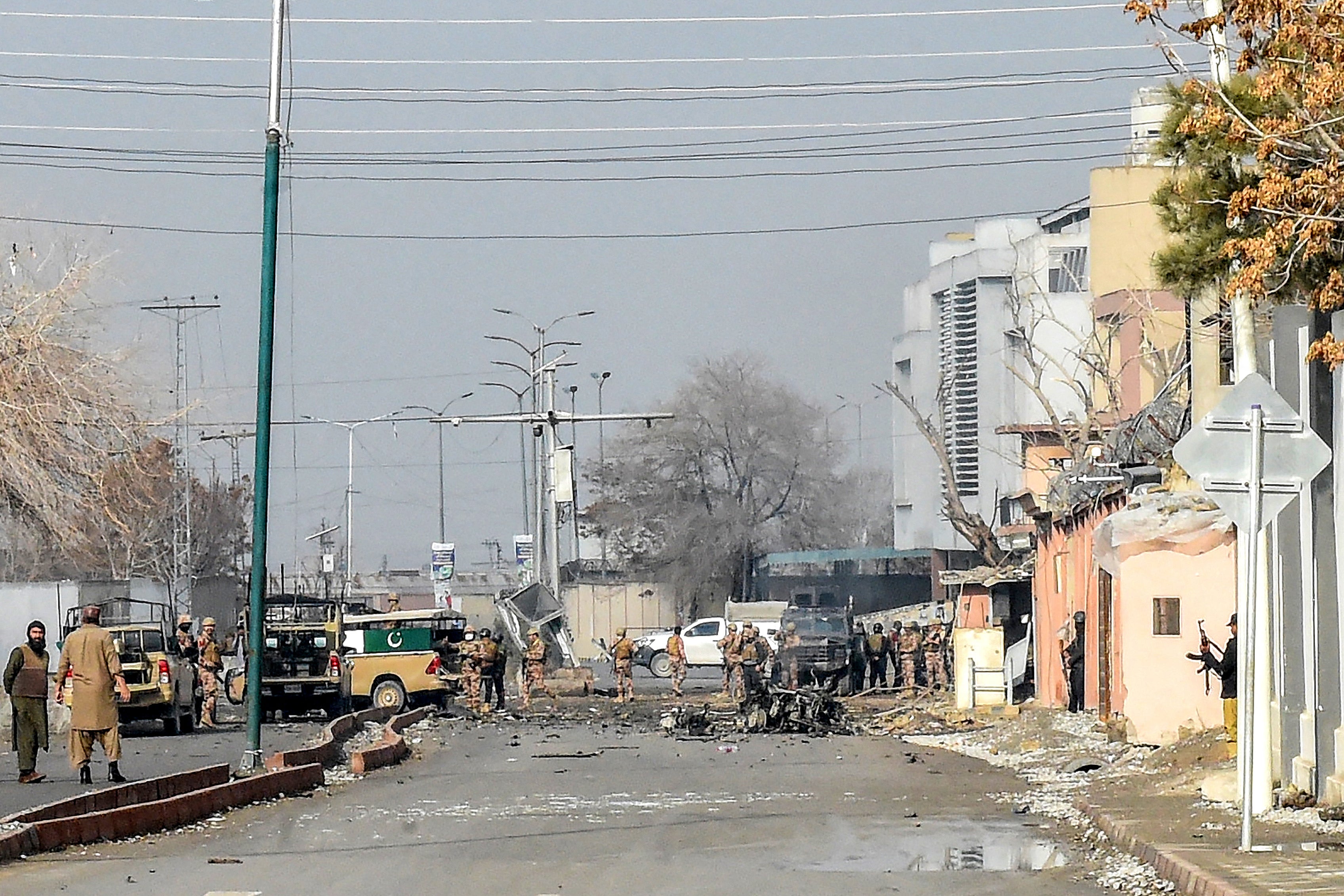
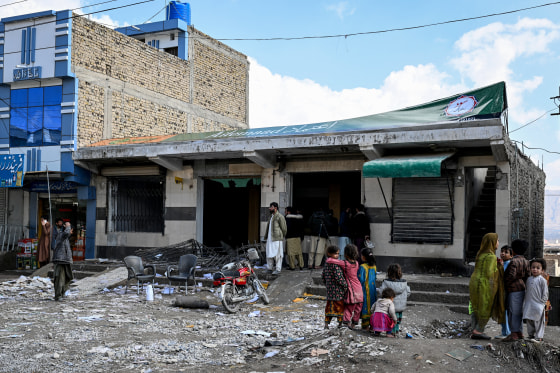
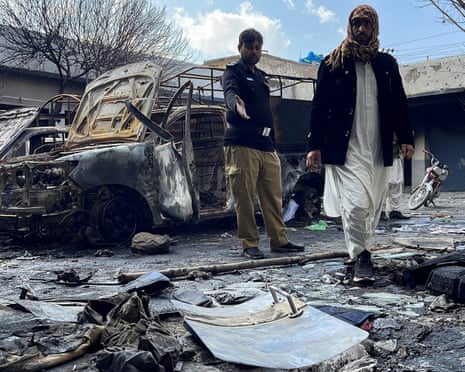
The escalating security situation in Pakistan's Balochistan province—marked by 145 reported militant casualties and counterterrorism operations—represents a critical supply chain risk indicator for cross-border e-commerce sellers sourcing from or shipping through South Asia. While the news focuses on geopolitical tensions between Pakistan, Afghanistan, and India, the underlying infrastructure disruptions directly impact sellers' operational costs, shipping timelines, and sourcing reliability. The concurrent $500 million U.S. metals company investment agreement signed in September 2025 signals important market recovery signals for sellers in industrial products, raw materials, and manufacturing-dependent categories.
Supply Chain Risk Assessment: Balochistan serves as a critical transit corridor for goods moving between South Asia and Middle Eastern markets. Security escalations typically trigger 15-30% increases in shipping insurance premiums, 2-4 week delays in customs clearance, and temporary route diversions that add $200-500 per container to logistics costs. Sellers sourcing textiles, leather goods, minerals, and industrial components from Pakistan face immediate inventory planning challenges. The 145 reported militant casualties and ongoing military operations indicate sustained instability lasting weeks to months, not isolated incidents.
Foreign Investment as Recovery Signal: The $500 million investment in metals and minerals infrastructure represents institutional confidence in Pakistan's medium-term stability. This signals that major supply chain participants are positioning for normalized operations within 6-12 months. Sellers in electronics, automotive parts, and industrial equipment categories should monitor this investment's progress as an indicator of when Pakistan-based sourcing becomes cost-competitive again. Currently, sellers are likely diverting orders to Vietnam, India, and Bangladesh alternatives at 8-12% cost premiums.
Operational Implications for Sellers: Cross-border sellers with existing Pakistan supplier relationships should implement dual-sourcing strategies immediately. Diversify 30-40% of Pakistan-sourced inventory to alternative suppliers in India or Bangladesh to mitigate 4-6 week supply disruptions. For sellers shipping to Pakistan's consumer market, expect 20-25% reduction in order volumes during security escalations as consumer spending shifts to essential goods. Monitor customs authority announcements for temporary import restrictions on non-essential categories, which historically occur during major security incidents.
Questions 8
What risk mitigation steps should sellers take immediately regarding Pakistan operations?
Implement four immediate actions: (1) Diversify 30-40% of Pakistan-sourced inventory to alternative suppliers in India/Bangladesh within 2 weeks; (2) Increase shipping insurance coverage and budget 15-30% premium increases; (3) Negotiate force majeure clauses with Pakistan suppliers covering security-related delays; (4) Reduce inventory shipments to Pakistan market by 30-40% and shift focus to essential categories. Monitor customs authority announcements weekly and adjust routing decisions based on corridor security updates. Maintain Pakistan supplier relationships with adjusted timelines and cost expectations. Review 3PL provider capabilities for alternative routing and consider temporary use of air freight for time-sensitive orders, accepting 40-60% cost increases for critical inventory.
What metrics should I monitor to assess Pakistan market recovery?
Track four leading indicators: (1) Pakistan customs authority processing times (target: return to 7-10 days from current 14-21 days); (2) 3PL provider rate changes (declining rates signal improved security); (3) Infrastructure investment announcements (follow mining/port development projects); (4) Regional security incident frequency (declining casualty reports indicate stabilization). The news reports 145 militant casualties—monitor if future reports show declining numbers, signaling improved security. Set quarterly review checkpoints to reassess Pakistan market allocation. When customs processing returns to baseline and 3PL rates decline 5-8%, increase Pakistan inventory allocation incrementally.