




Middle East Conflict Escalation | Supply Chain Risk & Logistics Costs for Cross-Border Sellers
- Ongoing Israeli-Lebanese military operations threaten shipping routes and increase insurance costs 8-15% for sellers shipping to/from Middle East, North Africa, and South Asia regions



































Overview
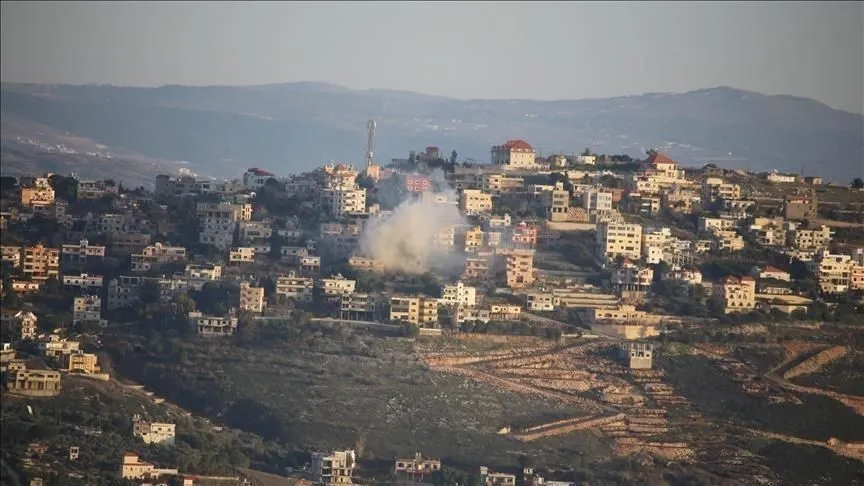
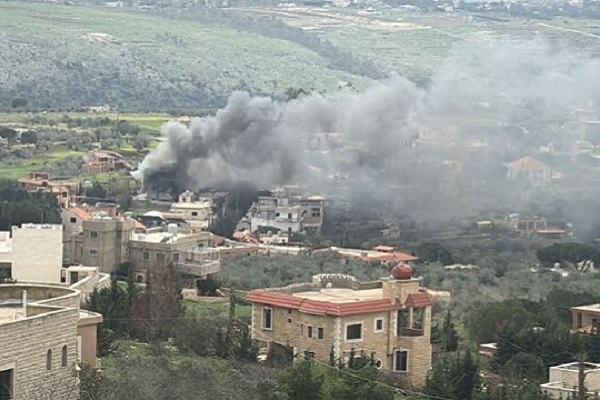
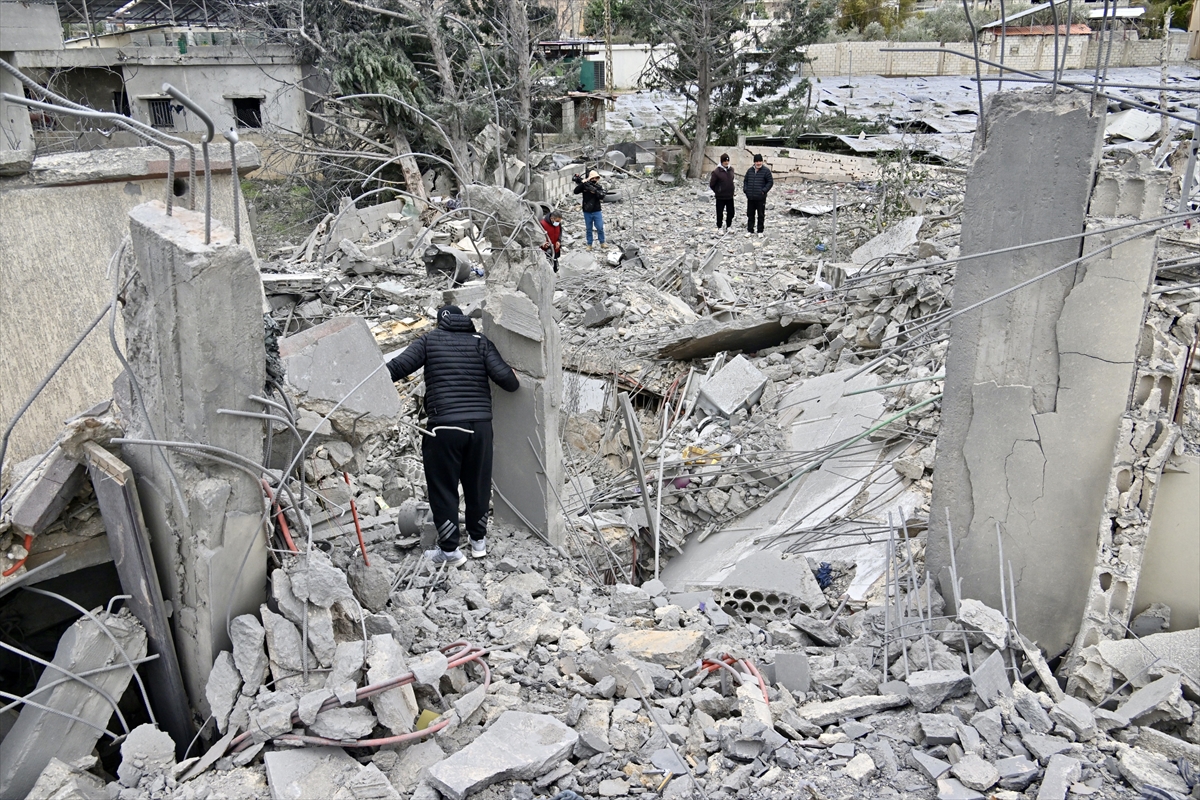
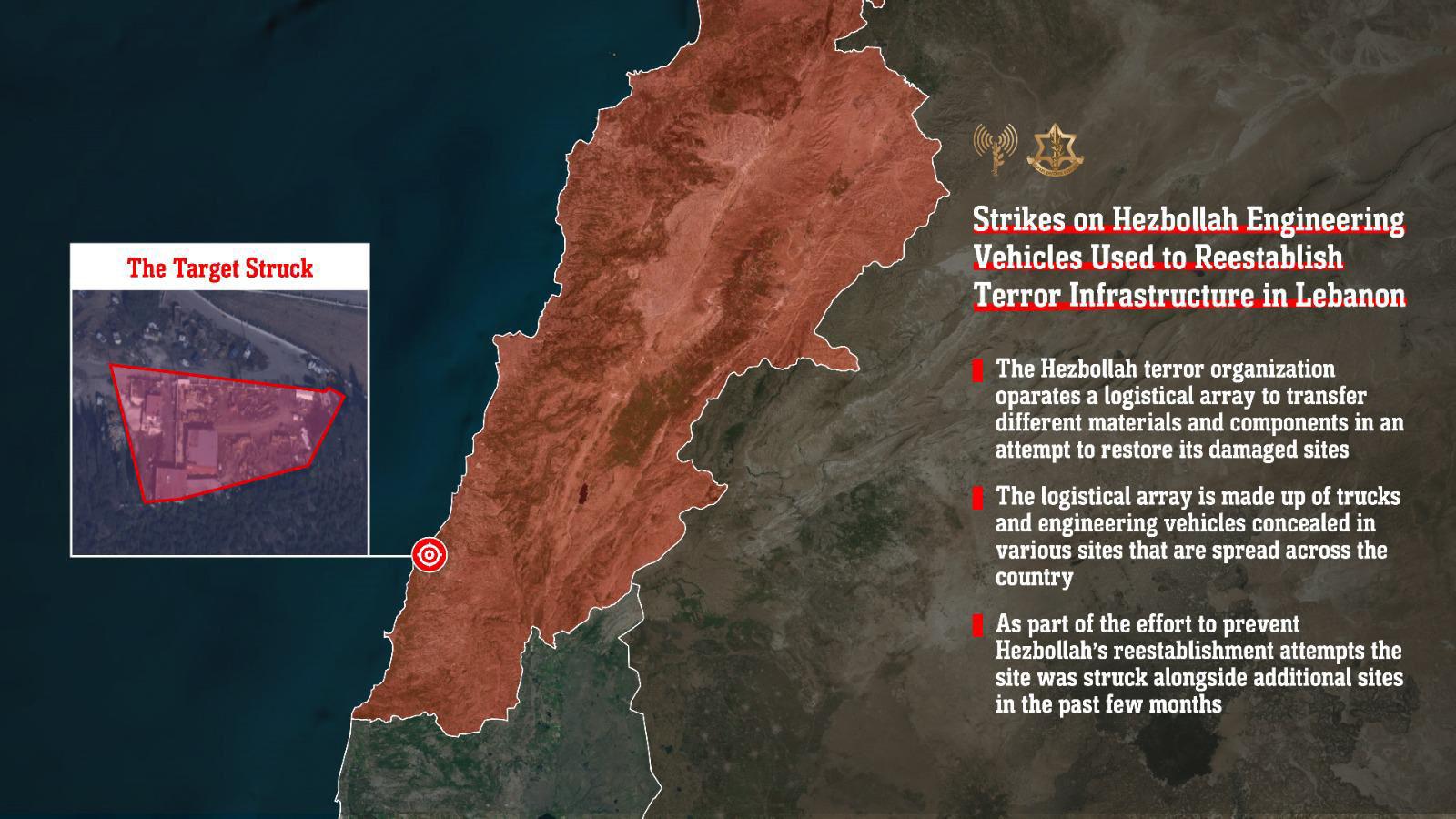
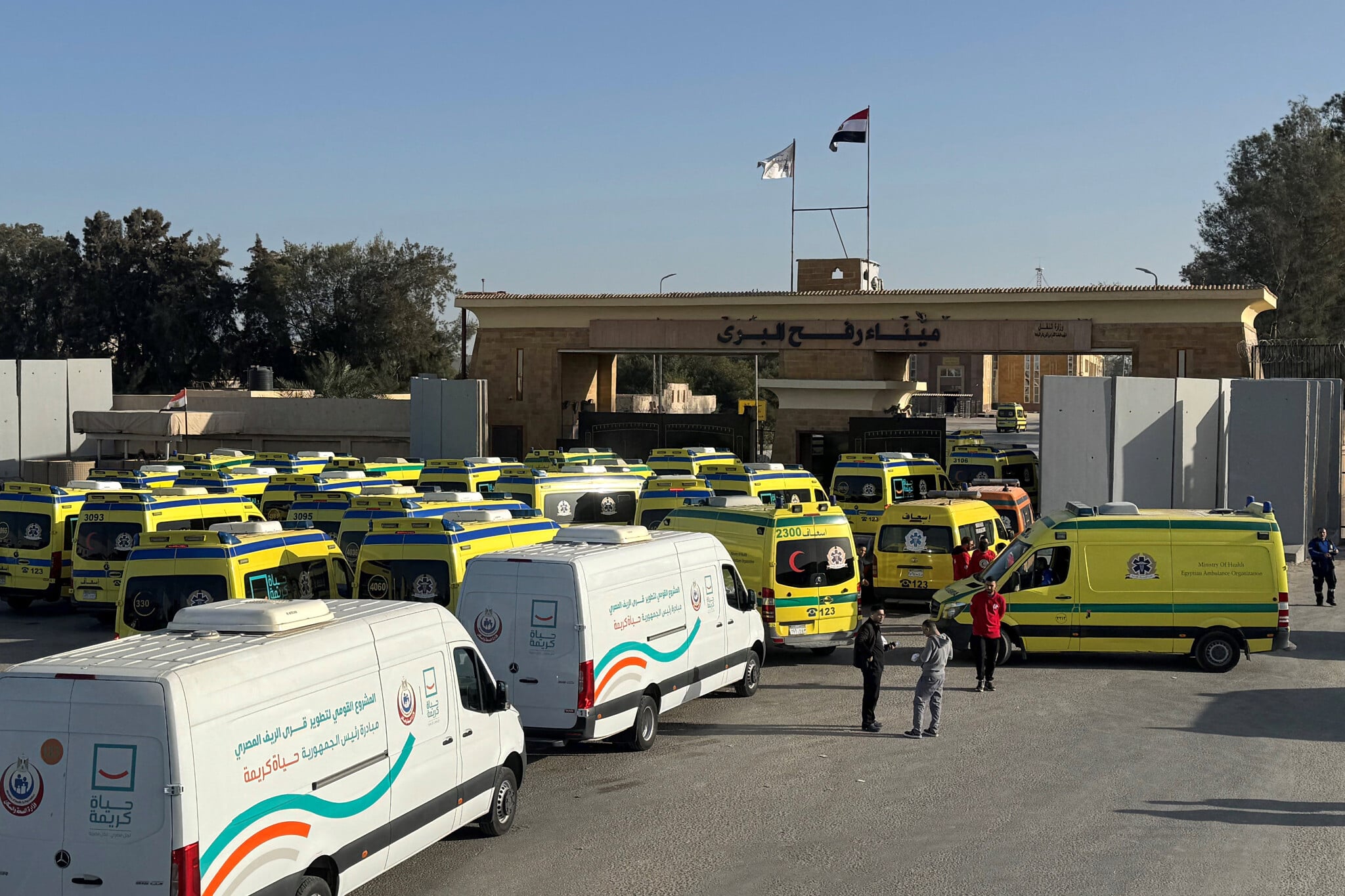
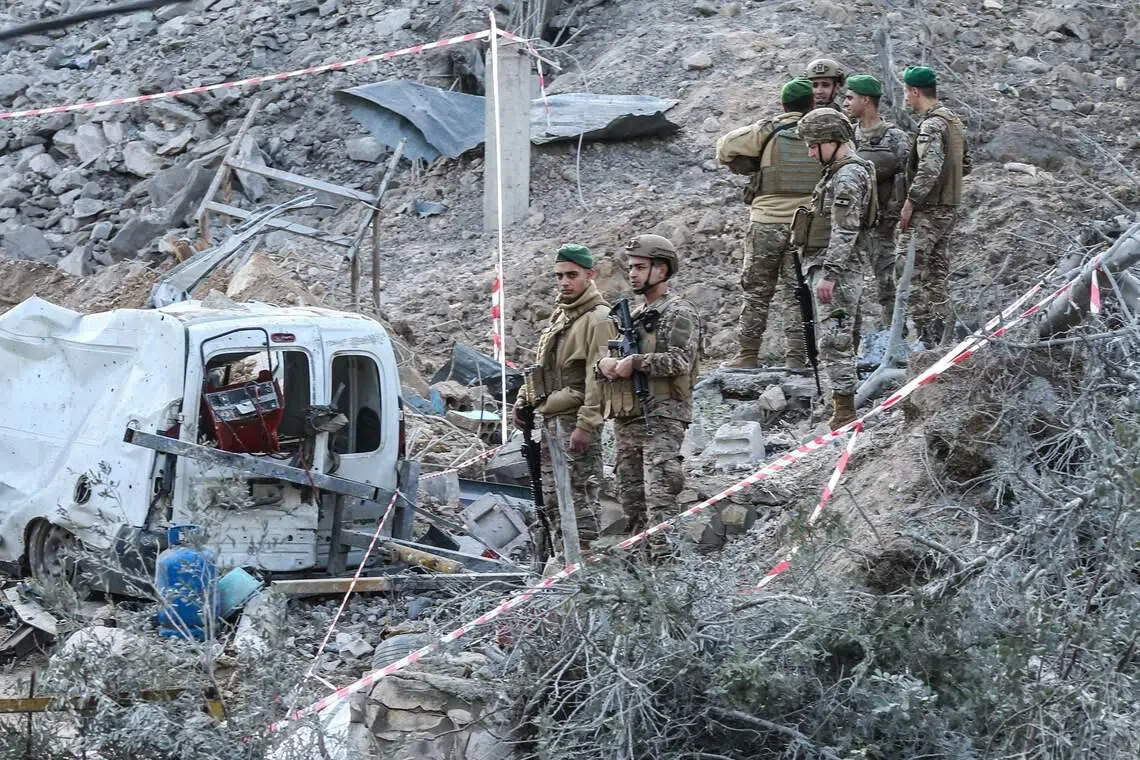
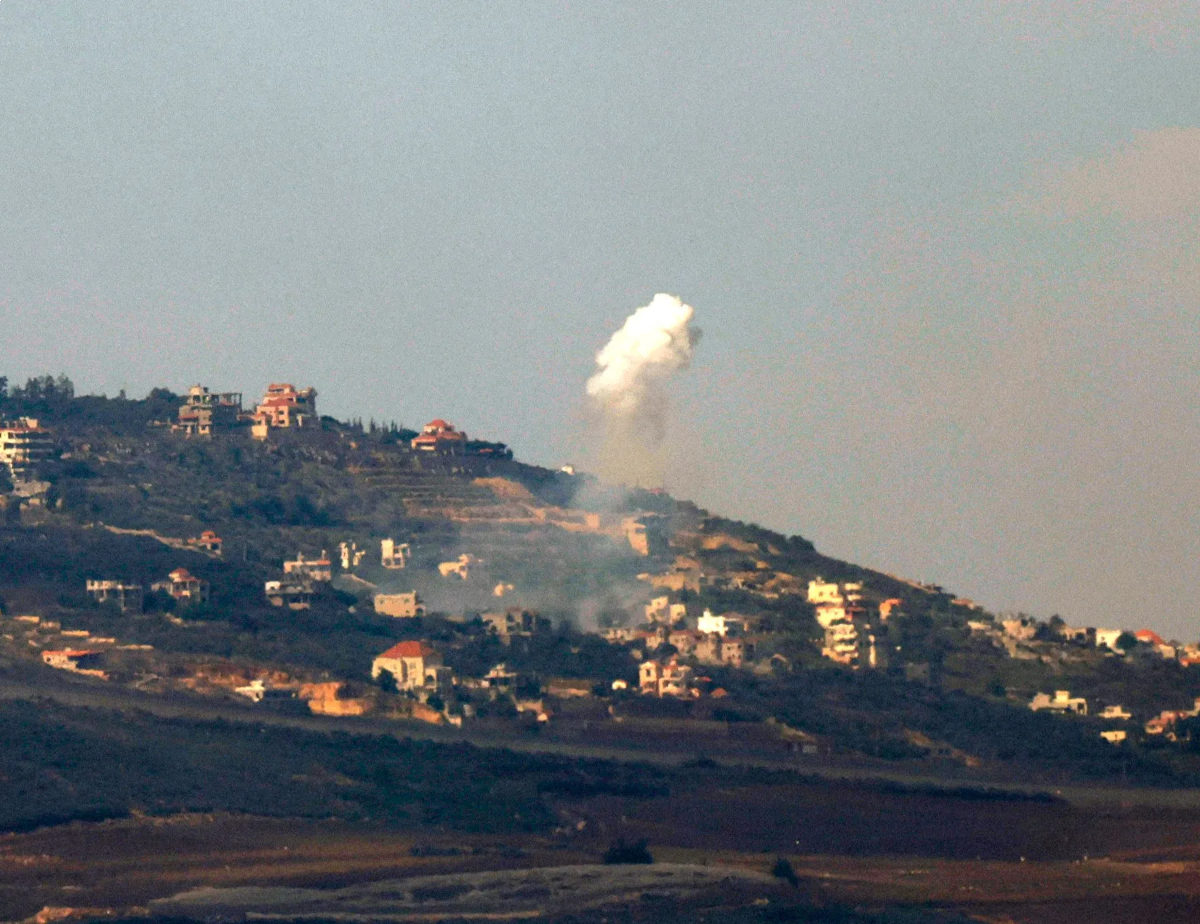
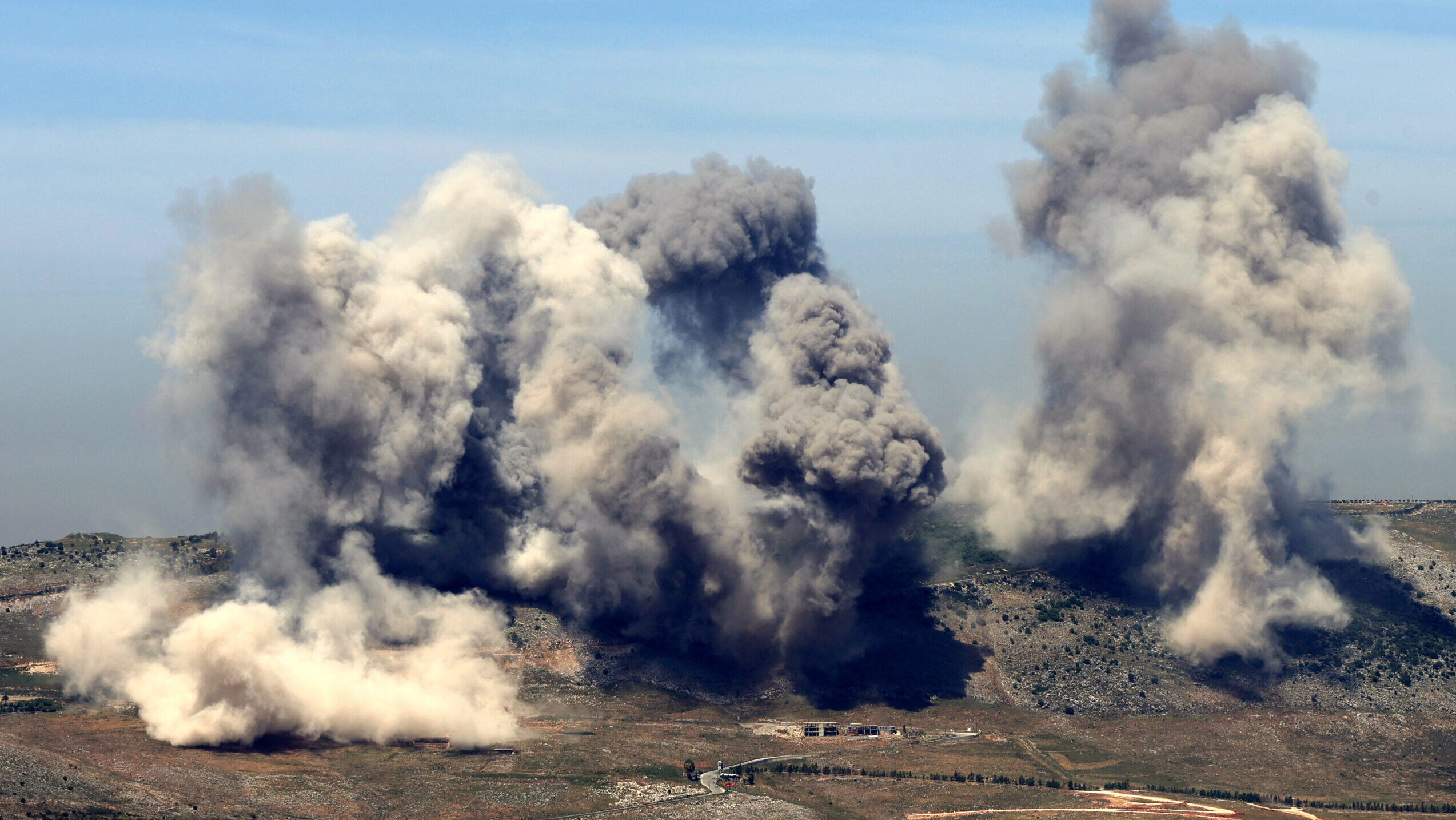
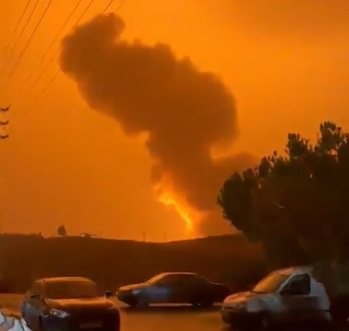
Escalating military operations in the Middle East present significant supply chain risks for cross-border e-commerce sellers, particularly those sourcing from or shipping to the region. Between January 27 and February 1, 2026, Israeli military strikes in southern Lebanon killed at least 350+ people according to AFP, with ongoing operations despite a 2024 US-brokered ceasefire. The conflict directly impacts logistics infrastructure: the Rafah border crossing reopened with severely limited capacity (50 Palestinians per direction daily), while Doctors Without Borders suspended all Gaza and West Bank operations, signaling broader humanitarian and commercial disruption. For sellers, this creates three critical operational challenges.
First, shipping route volatility and insurance cost escalation. Sellers routing inventory through Middle Eastern ports (Beirut, Port Said, Aqaba) face increased transit times and insurance premiums. Regional instability typically drives maritime insurance costs up 8-15% for affected zones, directly impacting fulfillment economics for sellers shipping electronics, apparel, and consumer goods to UAE, Saudi Arabia, Egypt, and Jordan markets. Sellers using 3PL providers in these regions should audit alternative routing through European or Asian hubs, which may add 5-7 days transit time but reduce insurance exposure. The Committee to Protect Journalists reports 6-10 Lebanese journalists killed since 2023, indicating infrastructure vulnerability extends beyond military targets to civilian logistics networks.
Second, market access constraints in conflict-adjacent regions. The Rafah crossing reopening with minimal capacity (50 daily passengers) signals continued restrictions on commercial movement. Sellers targeting Palestinian and Gaza markets face severe logistics barriers; humanitarian organizations like Doctors Without Borders withdrawing operations indicates commercial viability is severely compromised. Sellers should deprioritize these micro-markets and redirect inventory to stable regional hubs (UAE, Saudi Arabia, Egypt) where demand remains strong despite geopolitical tensions. The eight-nation joint statement (Saudi Arabia, Jordan, UAE, Qatar, Indonesia, Pakistan, Egypt, Turkey) condemning ceasefire violations suggests diplomatic pressure may stabilize certain corridors, but near-term (Q1 2026) volatility remains high.
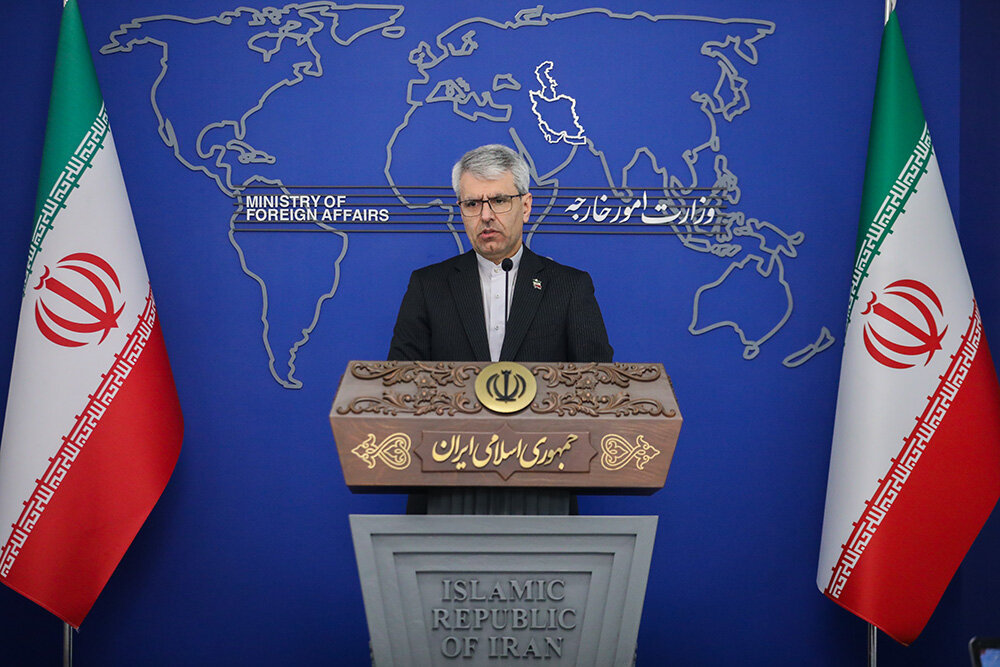
Third, currency and payment processing risks in escalation zones. Ongoing US-Iran tensions and Trump administration military posturing create currency volatility for sellers accepting payments in Iranian rial, Lebanese pound, or Palestinian dinar. Sellers should shift to USD or EUR settlement for Middle East transactions and implement stricter payment verification for high-risk jurisdictions. The 350 billion shekel Israeli war budget allocation indicates sustained military spending, which may stabilize Israeli market demand for imported goods but increases operational costs for sellers managing Israeli inventory (customs delays, security surcharges averaging $200-400 per shipment).
Questions 8
How can I build supply chain resilience against future Middle East geopolitical disruptions?
Implement multi-corridor routing strategy: diversify 3PLs across UAE, Saudi Arabia, Jordan, and Turkey instead of concentrating in Lebanon/Gaza. Increase inventory buffers by 20-30% for Middle Eastern markets and maintain 60-90 day safety stock for high-value items. Establish relationships with 2-3 backup 3PL providers with real-time switching capability. Use supply chain visibility tools (Fourkites, project44) to monitor shipment status and geopolitical risk indicators. Negotiate force majeure clauses in supplier contracts allowing 30-60 day delays without penalties. Consider supply chain insurance covering political risk, war, and civil unrest—typically 0.5-1.5% of shipment value. Conduct quarterly supply chain audits to identify single points of failure in your Middle Eastern operations.
What alternative logistics routing should sellers consider to avoid Middle East conflict zones?
Sellers can reroute shipments through European hubs (Rotterdam, Hamburg) or Asian gateways (Singapore, Hong Kong) to reach Middle East markets, adding 5-7 days transit time but reducing insurance exposure by 40-50%. This strategy works best for non-perishable goods with flexible delivery windows. For time-sensitive inventory, negotiate direct air freight through Istanbul or Dubai airports, which remain operational despite regional tensions. Costs increase 15-25% via air freight but preserve inventory turnover. Evaluate 3PL providers with established networks in Jordan, Egypt, and UAE to consolidate shipments and reduce per-unit routing costs by 8-12% compared to direct shipping.