


Rafah Crossing Reopens: Emerging Market Access & Humanitarian Supply Chain Opportunities for Cross-Border Sellers
- Limited pedestrian-only operations (50-200 daily capacity) signal phased market normalization; medical supply and reconstruction product categories positioned for 2-3 year growth window as Gaza rebuilds healthcare infrastructure

























Overview
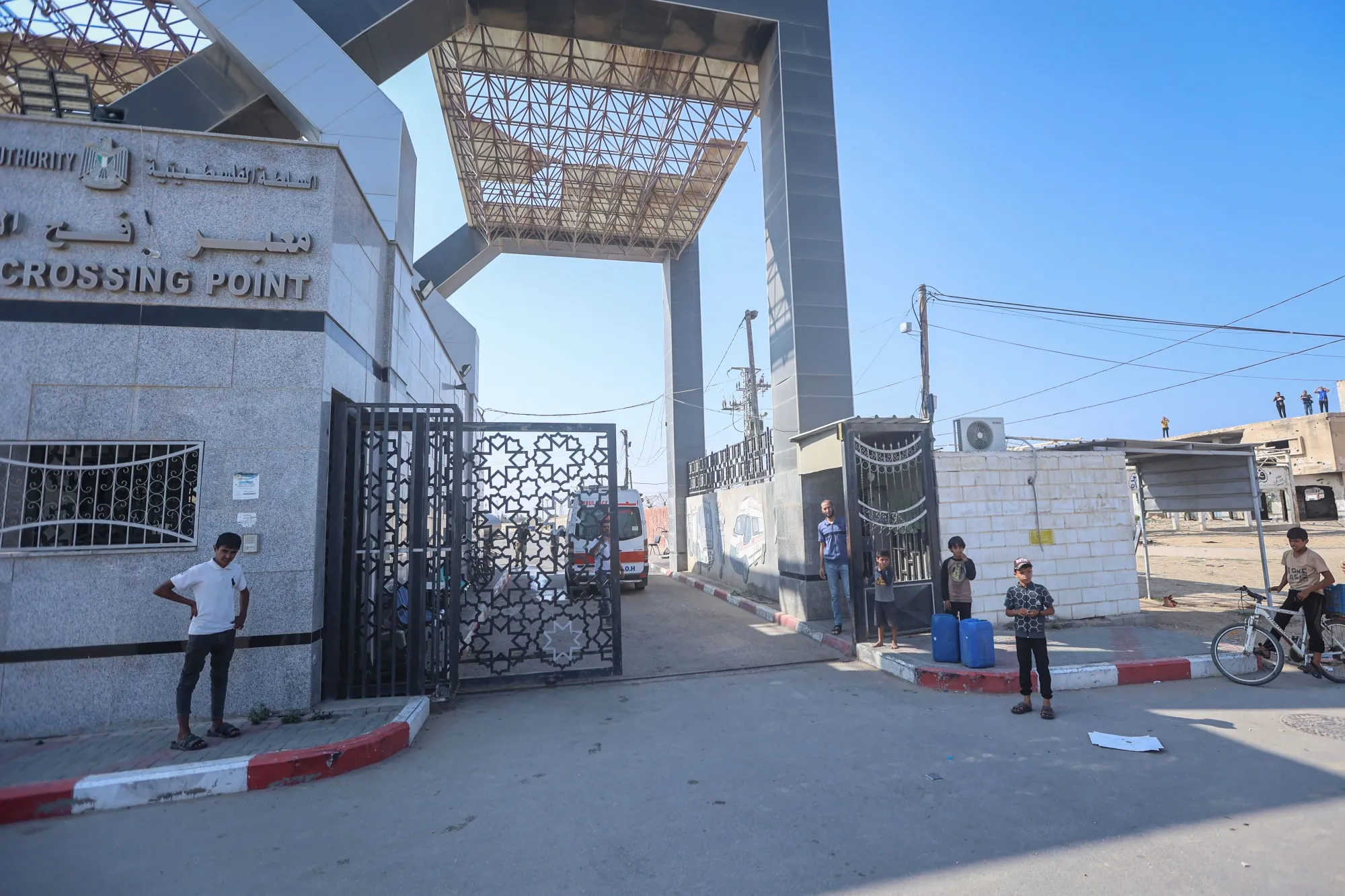
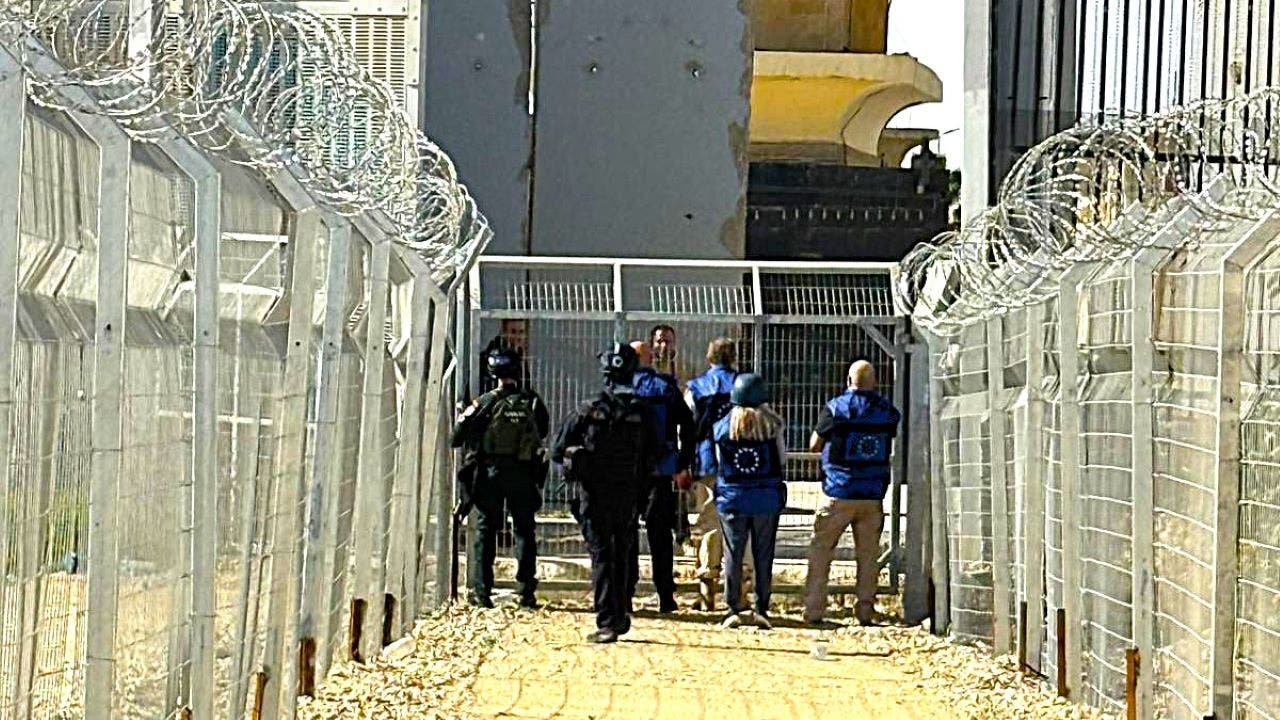
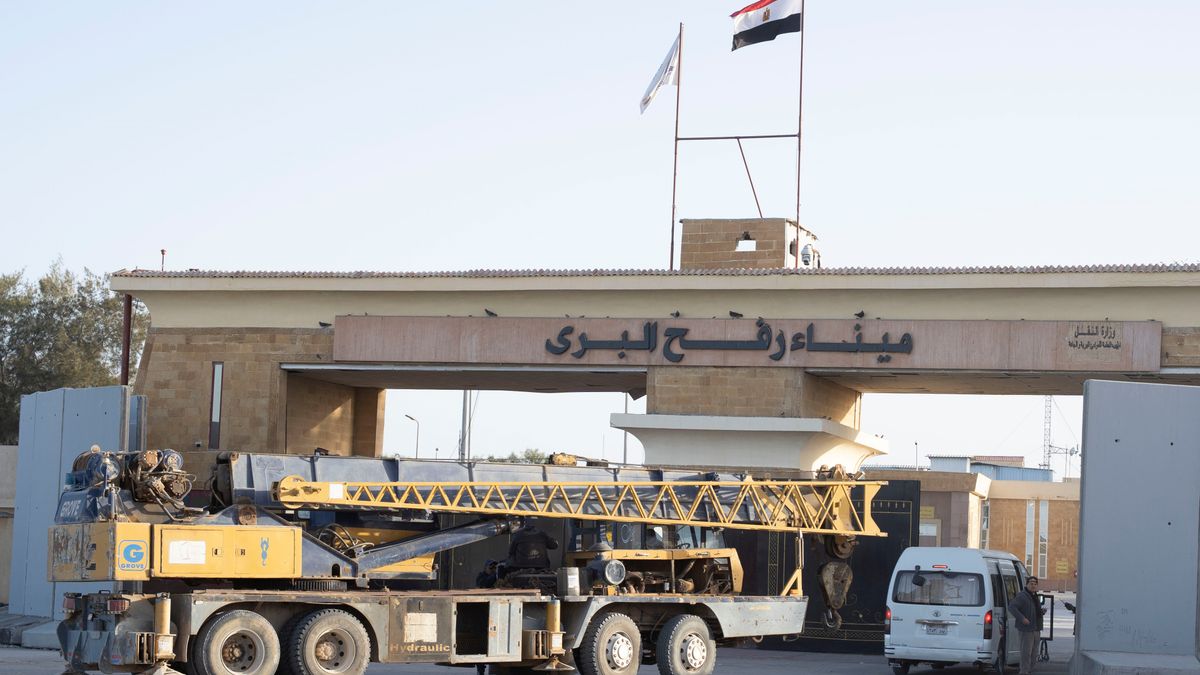
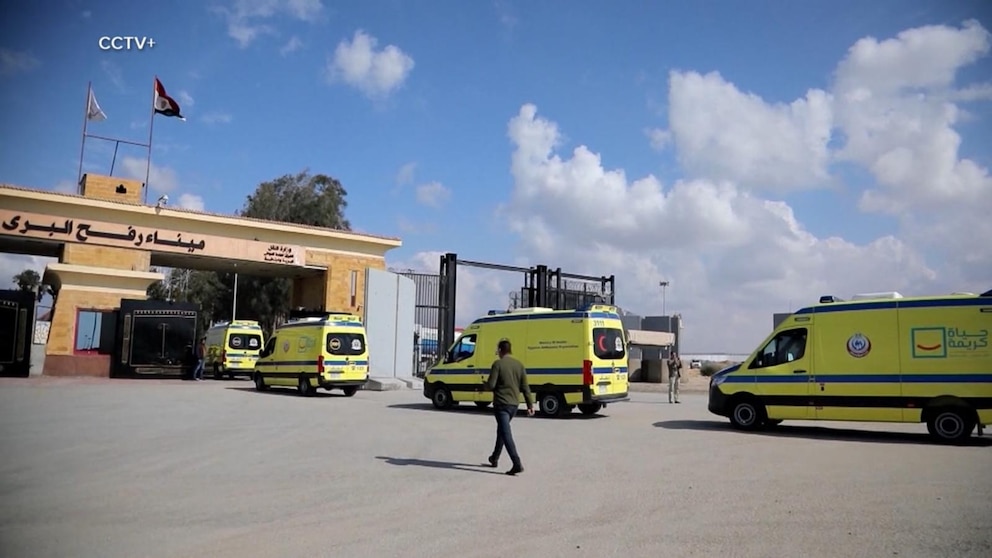
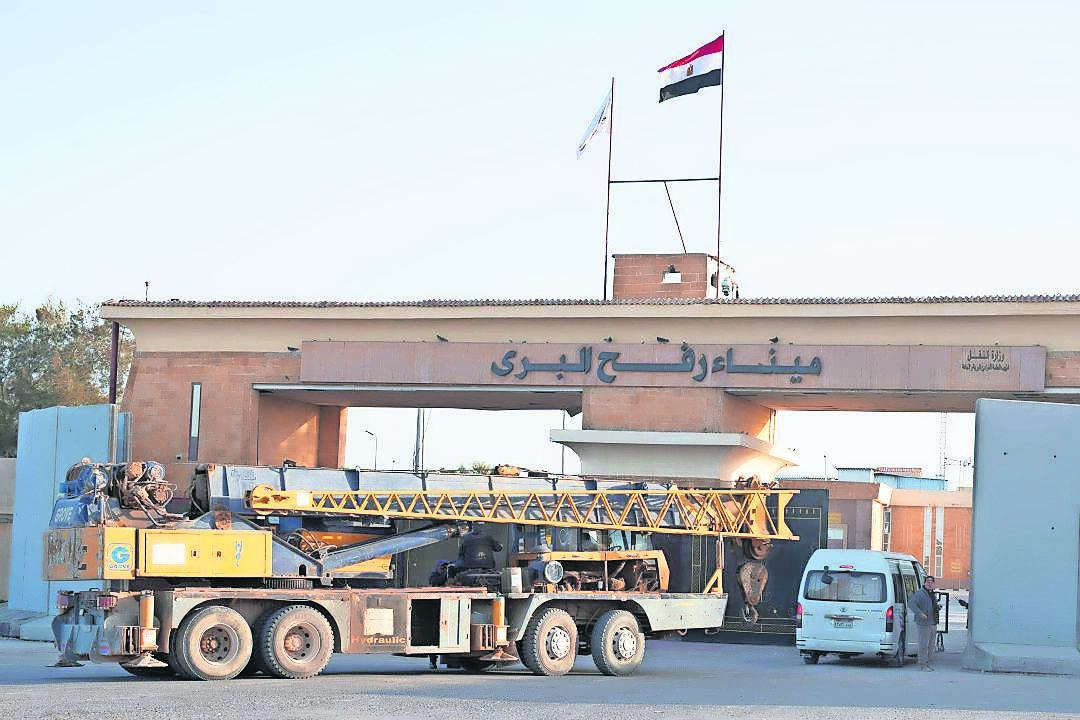
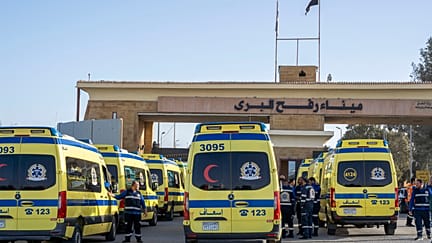
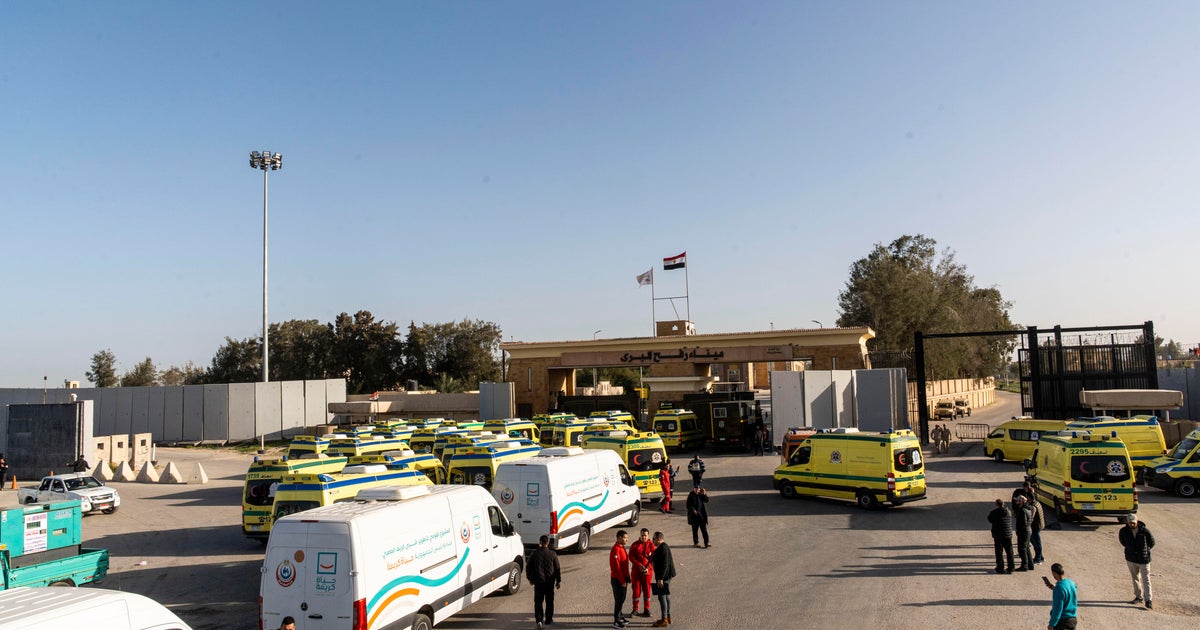
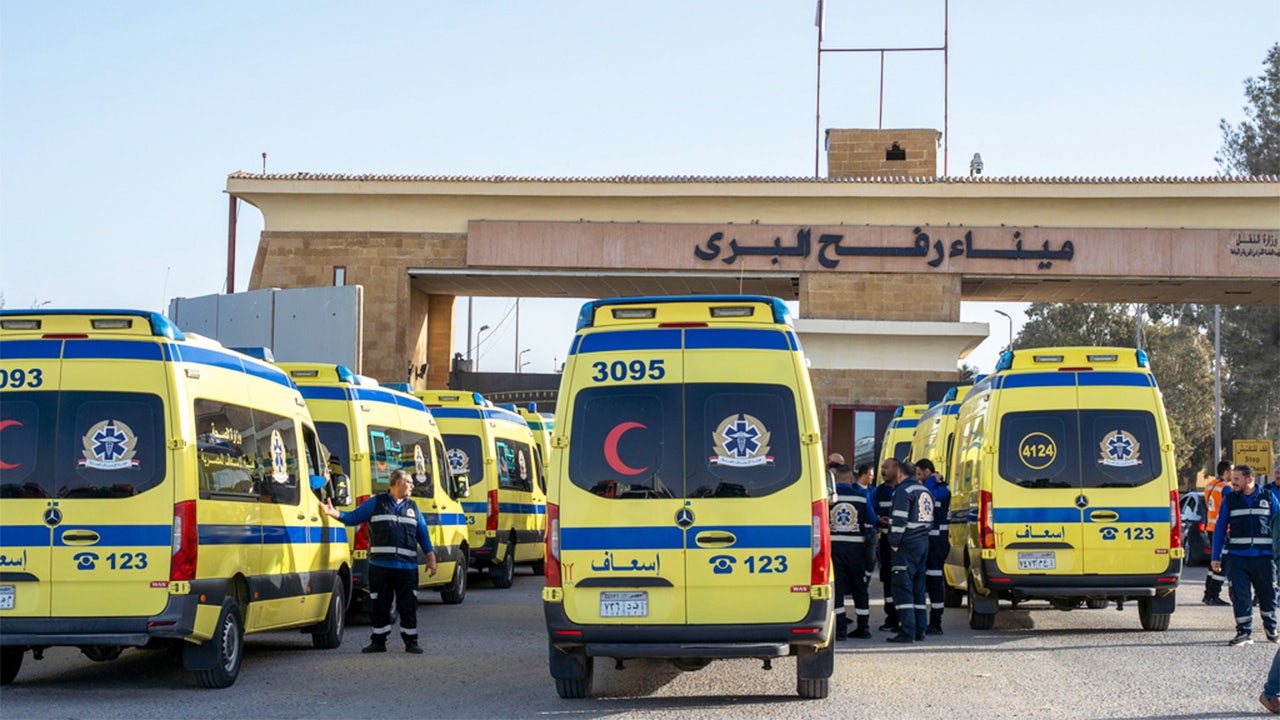
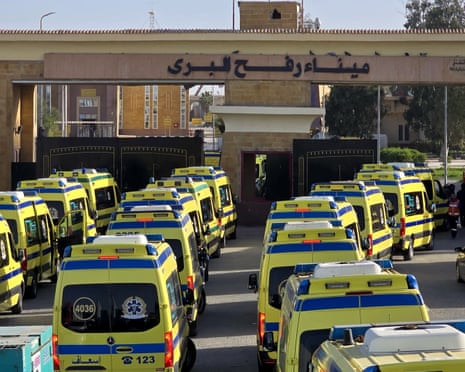
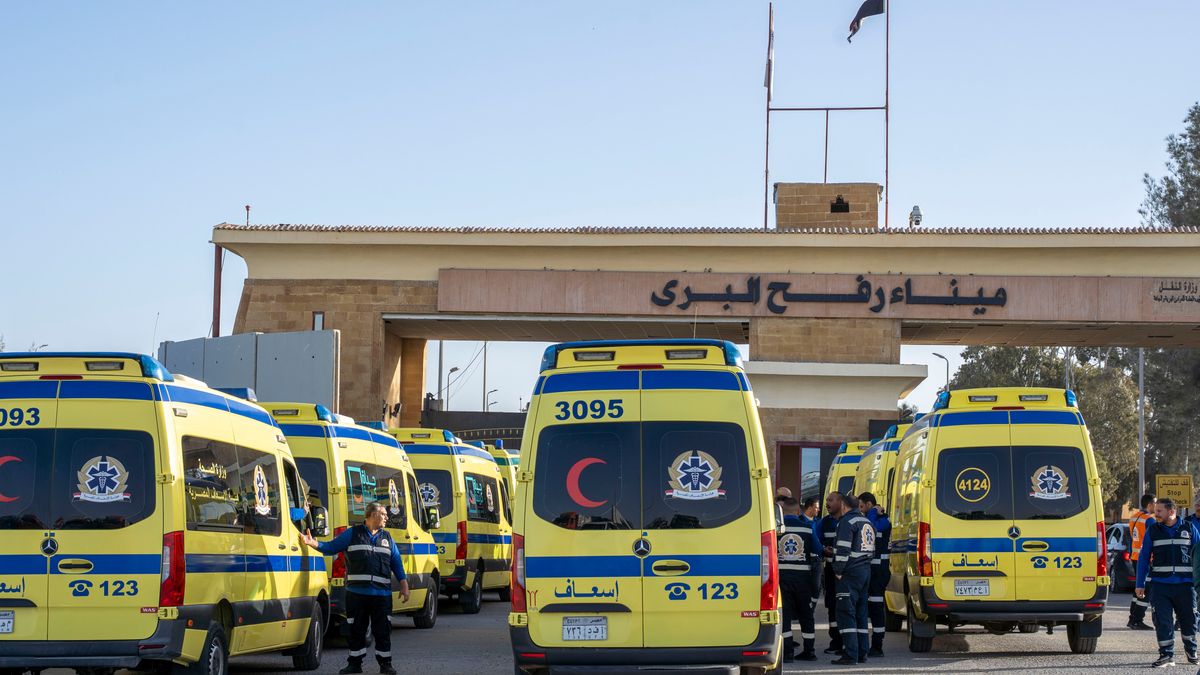
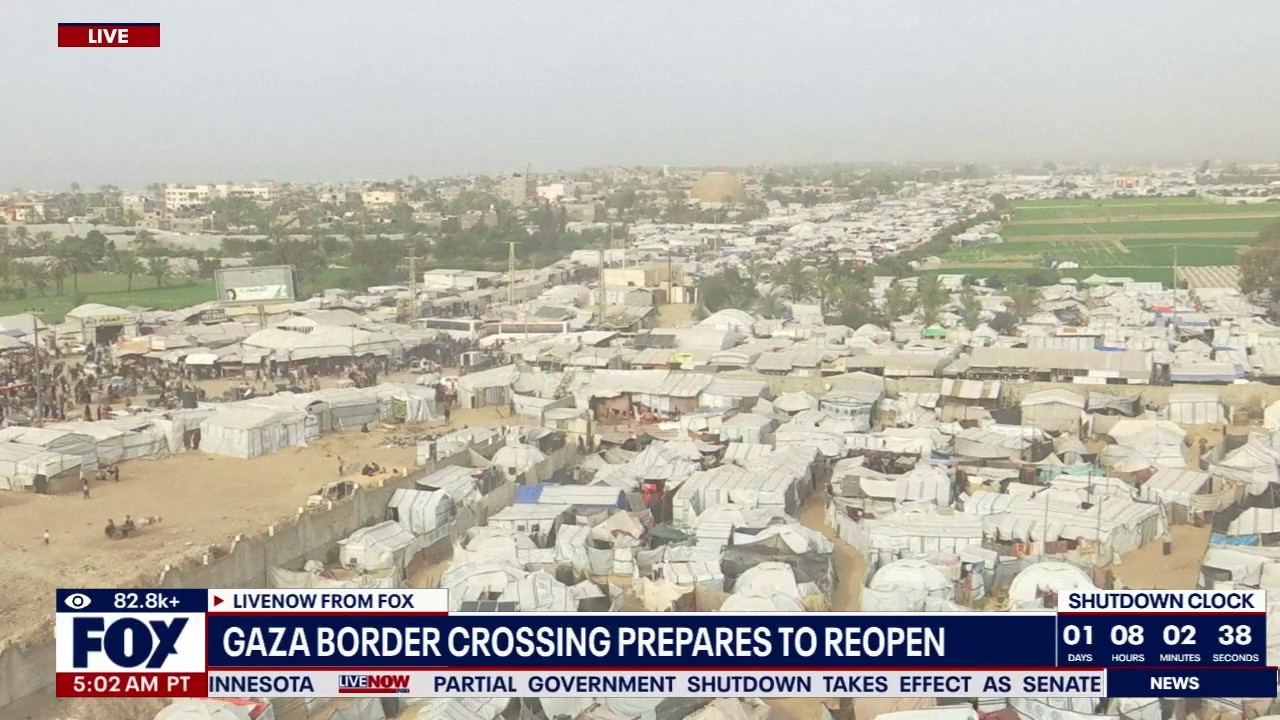
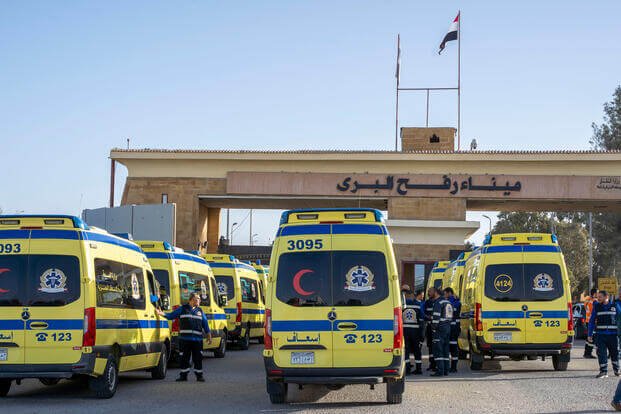
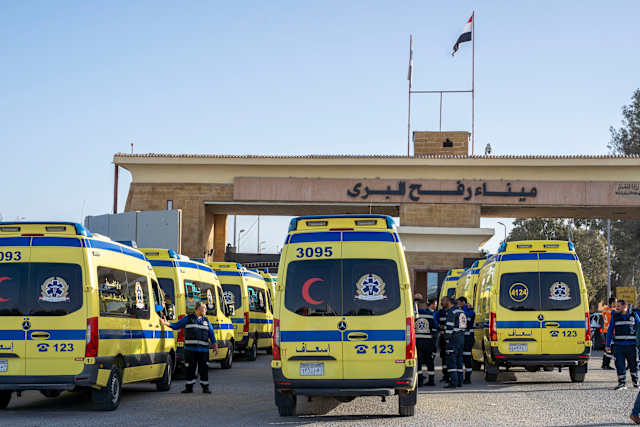
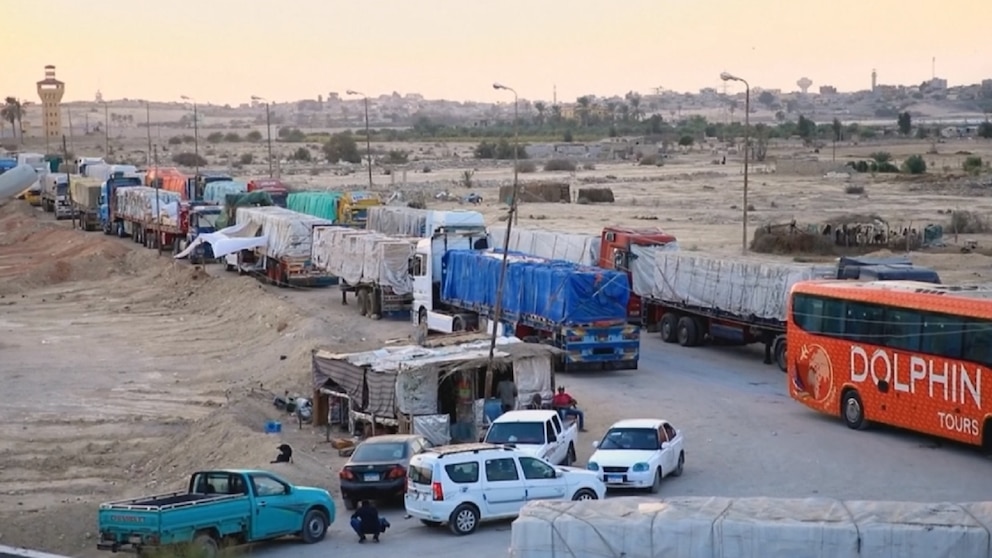
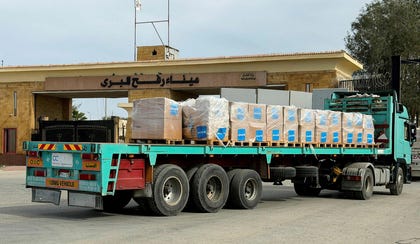
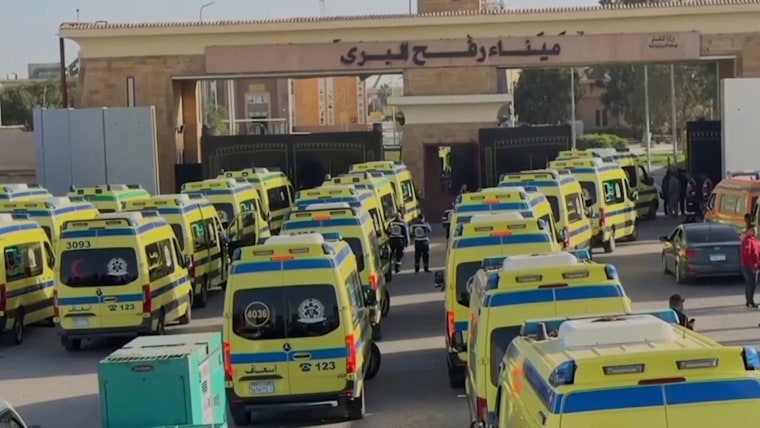
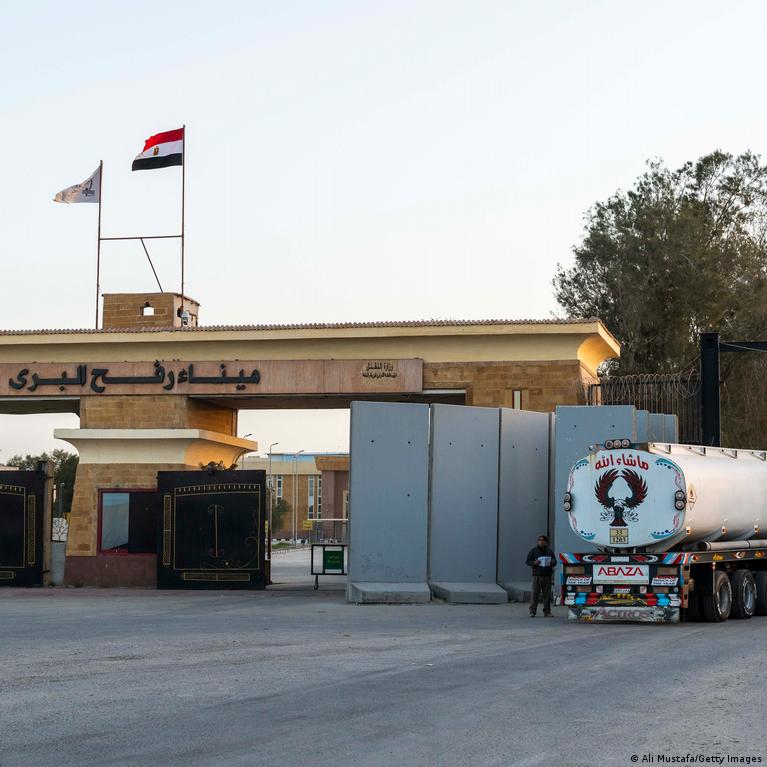
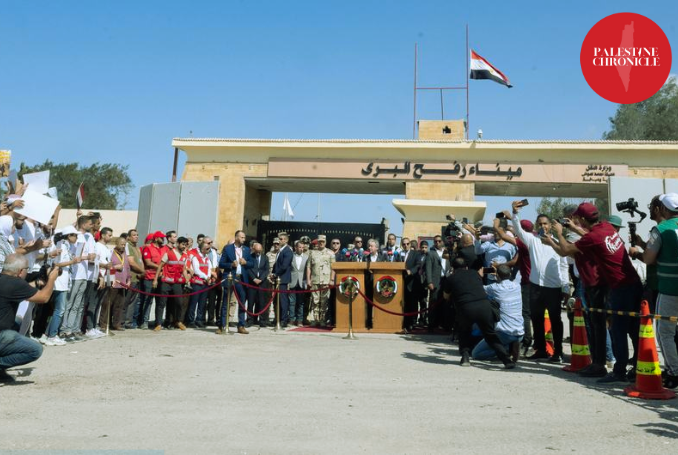
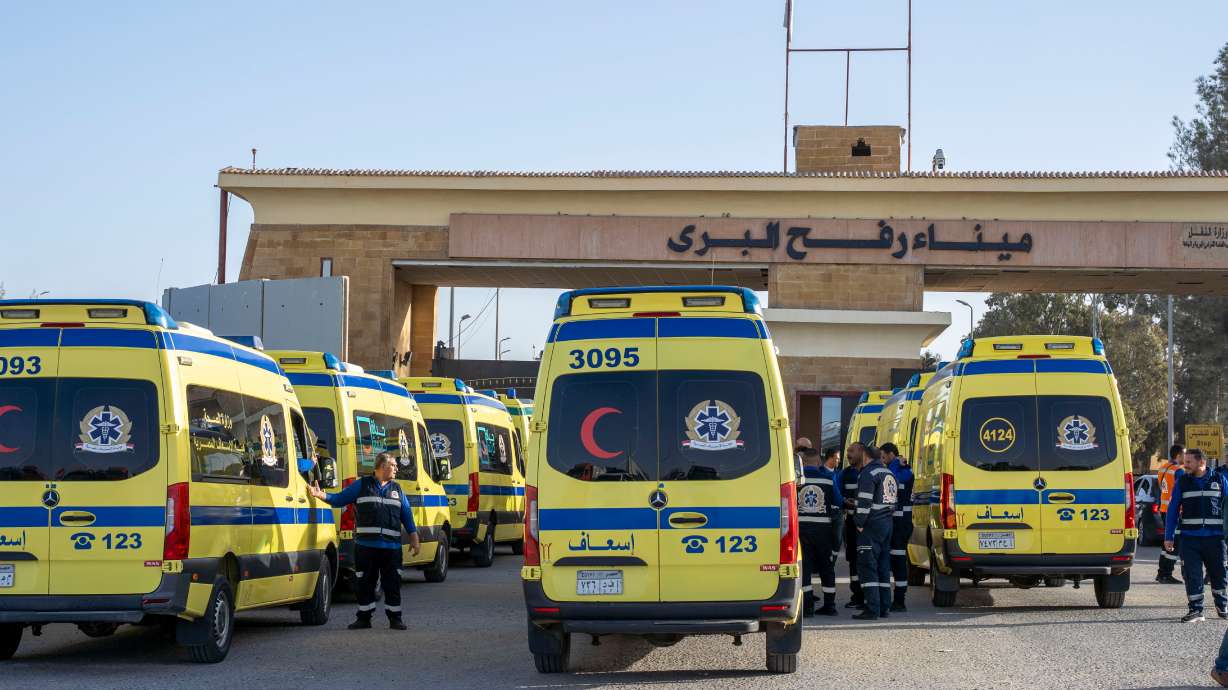
The reopening of Gaza's Rafah border crossing on February 3, 2026, marks the first significant market access point in nearly two years, creating a critical inflection point for cross-border sellers focused on humanitarian, medical, and reconstruction product categories. Operating under stringent security protocols with capacity for 150-200 pedestrians daily (50 patients + escorts exiting; 50 returning), the crossing represents a controlled but expanding gateway to a market of 2.3 million Palestinians with acute supply deficits across healthcare, educational, and consumer goods sectors.
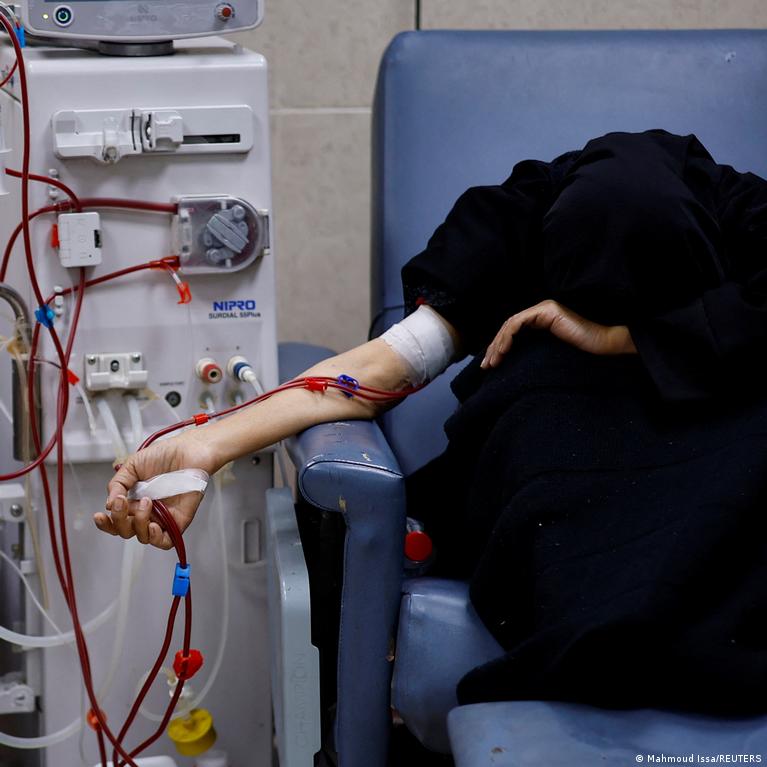
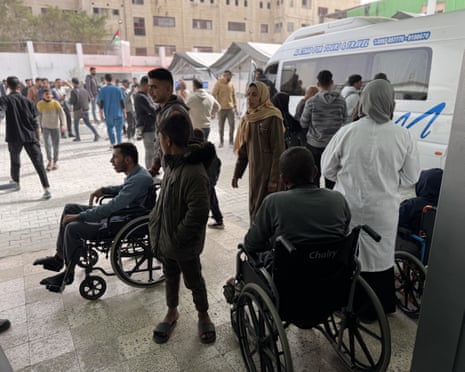
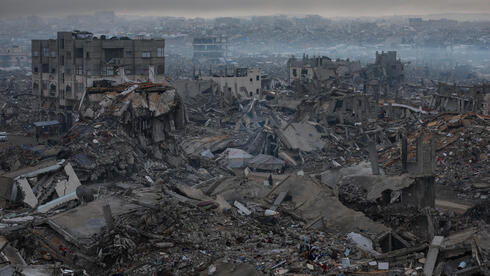
Market Access Opportunity: The UN estimates 22,000 wounded and sick Palestinians require medical treatment abroad, while 80,000+ Palestinians displaced during the conflict seek to return—indicating pent-up demand for medical supplies, diagnostic equipment, mobility aids, and pharmaceutical products. Gaza's healthcare system faces catastrophic capacity constraints: over 1,700 healthcare workers killed, the only specialized cancer treatment hospital destroyed in March 2025, and medical professionals operating from makeshift clinics with minimal diagnostic equipment. This creates a 2-3 year reconstruction window where sellers of medical devices (HS codes 9018-9022), diagnostic equipment, mobility aids, and pharmaceutical packaging can access a market with minimal competition and high humanitarian pricing tolerance.
Tariff & Compliance Advantage: The crossing's operation under EU Border Assistance Mission (EUBAM) supervision and WHO coordination creates a humanitarian goods corridor with potential tariff exemptions or reduced rates for medical/educational supplies. Sellers should monitor whether Egypt-Gaza trade agreements (historically negotiated under Palestinian Authority frameworks) offer preferential tariff treatment for humanitarian categories. The pilot phase (currently underway) provides a 30-60 day window to establish supplier relationships before capacity expands and competition intensifies.
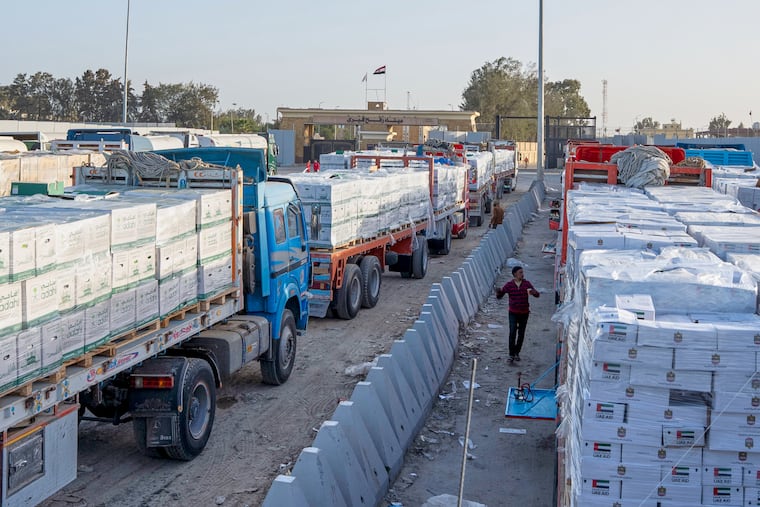
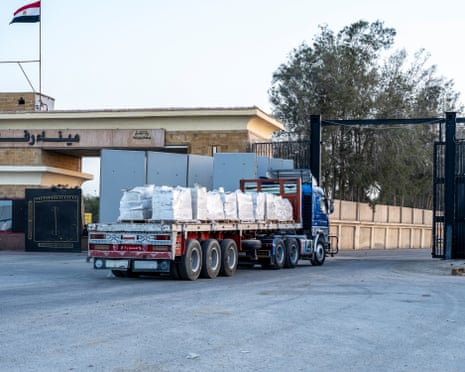
Competitive Positioning: Small-to-medium sellers (5-50 employees) focused on medical supplies, educational materials, and basic consumer goods have first-mover advantage over large retailers. The pedestrian-only restriction and 50-person daily patient quota create a niche market favoring specialized suppliers over mass-market platforms. Sellers with existing relationships in Egypt or Middle Eastern distribution networks can leverage Kerem Shalom crossing (currently the primary aid entry point) as a complementary supply route while Rafah capacity expands.
Risk Factors: Ceasefire fragility remains critical—511+ Palestinians killed since October 2025 ceasefire began, with recent airstrikes killing 30+ people Saturday. The crossing's reopening is contingent on Trump's Gaza plan implementation, which faces uncertainty due to Hamas rejection of disarmament provisions. Sellers should structure contracts with 30-day exit clauses and avoid long-term inventory commitments until Phase 2 (Palestinian governance transition) stabilizes in Q2-Q3 2026.
Questions 8
What compliance requirements must sellers meet for humanitarian goods exports to Gaza?
Sellers must obtain humanitarian goods certification from WHO, UNRWA, or recognized NGOs to access preferential tariff treatment and expedited customs clearance. Products must comply with Egyptian pharmaceutical/medical device regulations (EDMA standards) and Palestinian Authority import requirements. All shipments require documentation from receiving Palestinian health ministry or NGO partner. Sellers should budget 2-4 weeks for initial compliance certification and 3-5 days per shipment for customs processing. Non-compliance can result in 30-60 day delays and 15-25% tariff penalties. Recommend engaging Egyptian customs brokers with humanitarian goods experience to navigate requirements.
What product categories benefit most from Rafah crossing reopening for cross-border sellers?
Medical devices (HS 9018-9022), diagnostic equipment, mobility aids, and pharmaceutical packaging represent the highest-margin opportunities. Gaza's healthcare system has 1,700+ healthcare workers killed and destroyed specialized cancer facilities, creating acute demand for diagnostic imaging equipment, surgical instruments, and mobility devices. The UN estimates 22,000 patients awaiting medical evacuation, indicating sustained demand through 2027-2028. Sellers should prioritize products with 40-60% gross margins and 90+ day shelf life, as the 50-patient daily quota creates predictable, recurring orders rather than bulk shipments.