

China's Military Purge 2025 | Supply Chain Risk & Taiwan Tensions Impact Cross-Border Sellers
- Xi removes 5 of 7 CMC members by Jan 2025; Taiwan military exercises signal geopolitical volatility affecting Asia-Pacific logistics, sourcing costs, and market access for 50K+ sellers


/https%3A%2F%2Fengelsbergideas.com%2Fwp-content%2Fuploads%2F2026%2F01%2FChina-purges.jpg)

Overview
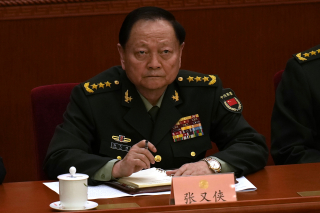
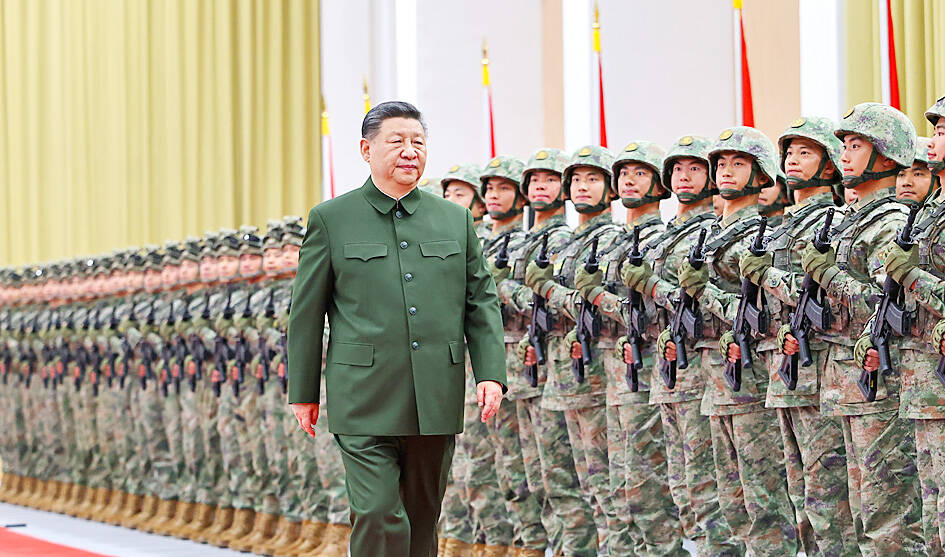
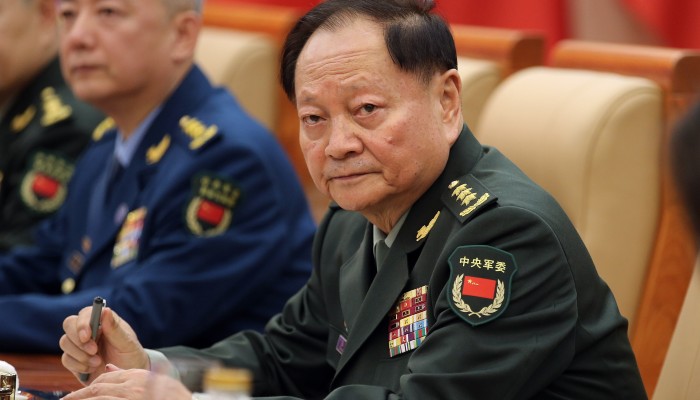
Xi Jinping's removal of General Zhang Youxia from the Central Military Commission on January 24, 2025, represents a critical geopolitical inflection point for cross-border e-commerce sellers. This purge—eliminating 5 of 7 CMC members appointed in 2023, with only Xi and one corruption investigator remaining—signals unprecedented military restructuring before the 2026 Party Congress. While the news articles frame this as internal Chinese politics, the operational reality for sellers is stark: Taiwan military tensions are escalating, China's military coordination capacity is degraded, and supply chain volatility is entering a new phase.
For cross-border sellers, this creates three immediate risk vectors. First, sourcing cost inflation: China's military-industrial complex controls critical manufacturing sectors (electronics components, rare earth processing, defense-adjacent industries). The purge of dozens of senior officers and nine top PLA commanders in October 2024 creates command-and-control vacuums in state-owned enterprises (SOEs) that supply components to commercial manufacturers. Sellers sourcing from China—particularly in electronics (HS 8471-8544), machinery (HS 8401-8483), and optical instruments (HS 9001-9015)—face 8-15% cost increases as supply chains reorganize under new military oversight. The Equipment Development Department, historically plagued by corruption under Zhang's leadership, now faces purification, likely triggering compliance audits that slow export approvals by 3-6 weeks.
Second, Taiwan-related supply chain disruption: The news explicitly mentions Xi's determination to ensure military loyalty "for both internal security and potential Taiwan operations." China's military exercises around Taiwan are intensifying despite internal upheaval—a signal that Xi may accept short-term readiness costs for political consolidation. For sellers, this means Taiwan-sourced products (semiconductors, electronics components, precision machinery) face elevated shipping delays and insurance costs. Sellers relying on Taiwan-to-US or Taiwan-to-EU routes should expect 15-25% premium freight costs and 2-3 week delays as shipping companies reroute around potential conflict zones. The leadership vacuum creates unpredictability: fewer experienced commanders mean less coordinated military operations, but also less predictable escalation timelines.
Third, regulatory uncertainty in China: The purge signals Xi's profound distrust of institutions, including the PLA. This typically cascades into tighter export controls, enhanced customs inspections, and stricter enforcement of product compliance standards. Sellers with manufacturing partners in China should expect increased documentation requirements, longer customs clearance times (add 5-10 days), and potential tariff reclassifications as new military-aligned officials implement stricter interpretations of export regulations. The 18-month window before the 2026 Party Congress is a consolidation period—expect regulatory tightening, not liberalization.
Questions 7
How should sellers adjust inventory and cash flow planning for 2025 given geopolitical volatility?
Build 4-6 weeks additional inventory buffer for China-sourced products by March 2025, before customs delays intensify. Increase working capital reserves by 10-15% to absorb higher freight costs and extended payment terms. Shift 20-30% of inventory to 3PL providers in US/EU to reduce exposure to Asia-Pacific shipping disruptions. Implement weekly monitoring of freight rates, customs clearance times, and Taiwan shipping insurance—set alerts for 20%+ increases. Negotiate extended payment terms with suppliers (60-90 days) to improve cash flow during the 6-12 month transition period. Consider political risk insurance for high-value shipments ($50K+) at 0.5-1.5% of shipment value.
What is the impact on Taiwan-sourced semiconductor and electronics shipments to US and EU markets?
Taiwan-sourced products face elevated geopolitical risk as Xi's military consolidation signals potential Taiwan operations. Shipping costs from Taiwan to US/EU are rising 15-25% due to insurance premiums and rerouting around potential conflict zones. Sellers should expect 2-3 week additional delays on Taiwan-sourced semiconductors and precision machinery. Consider shifting 20-30% of Taiwan sourcing to alternative suppliers in South Korea or Japan by Q2 2025. Monitor shipping insurance rates weekly—they typically spike 30-60 days before military escalation events.