


Geopolitical Pressure Cooker: Israel-Lebanon Conflict Threatens Regional Trade Stability
- Escalating Tensions Create High-Risk Environment for Cross-Border Business Operations





















Overview
The Middle Eastern geopolitical landscape is experiencing a critical inflection point, with the Israel-Lebanon conflict presenting unprecedented challenges for regional economic stability. At the core of this tension lies a fragile ceasefire and mounting military pressures that threaten to unravel delicate diplomatic negotiations.
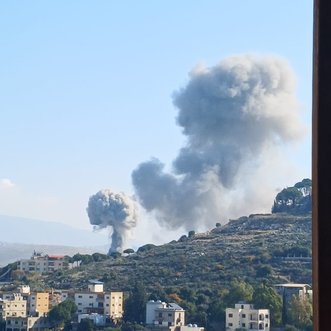
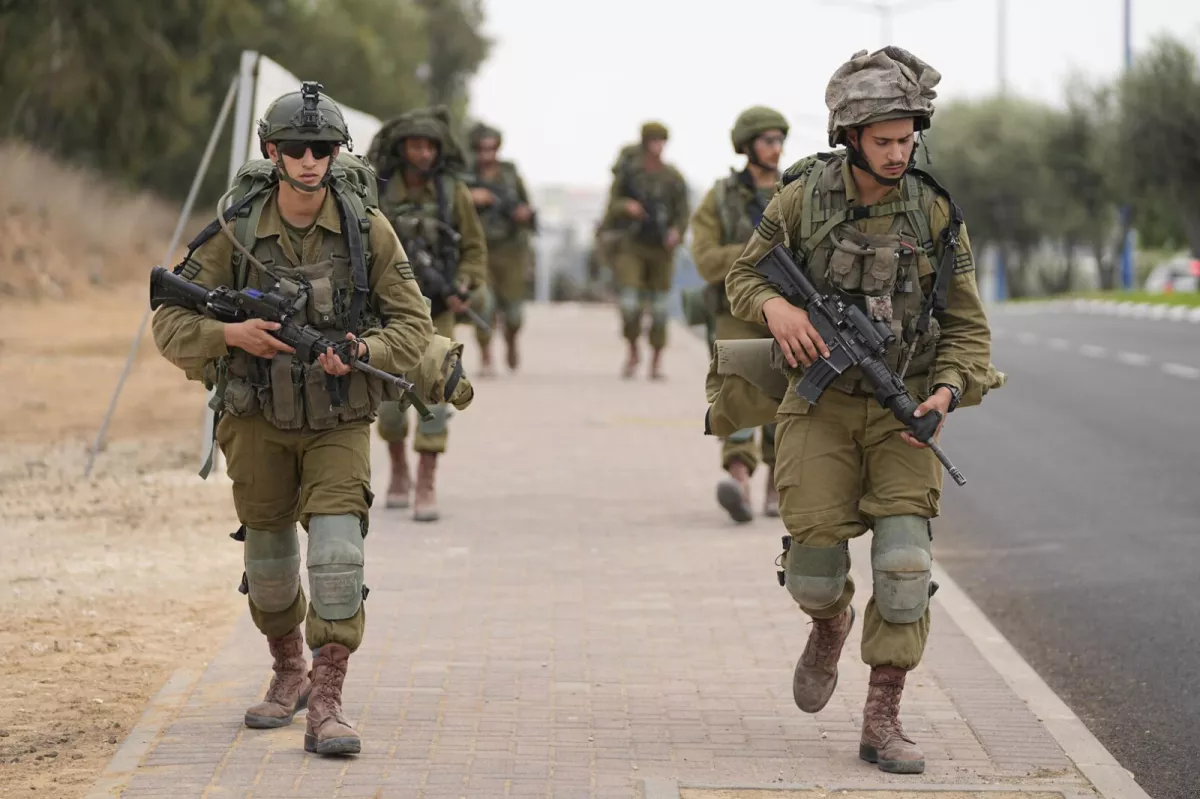
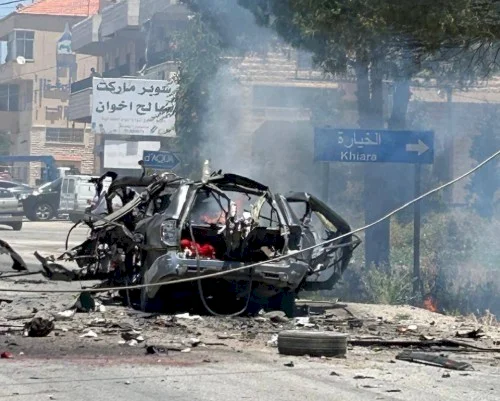
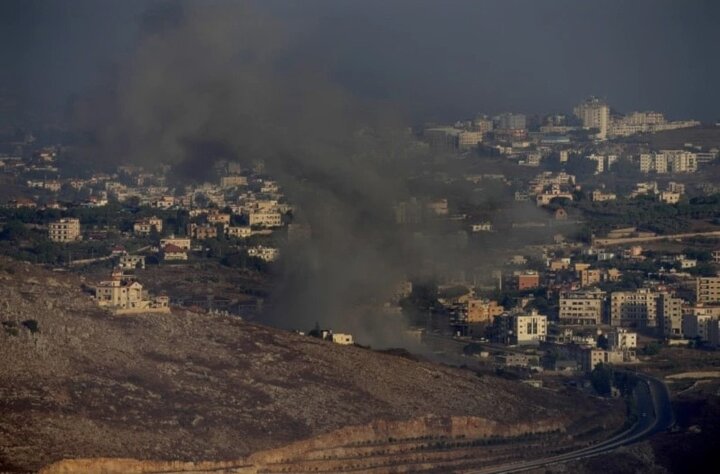
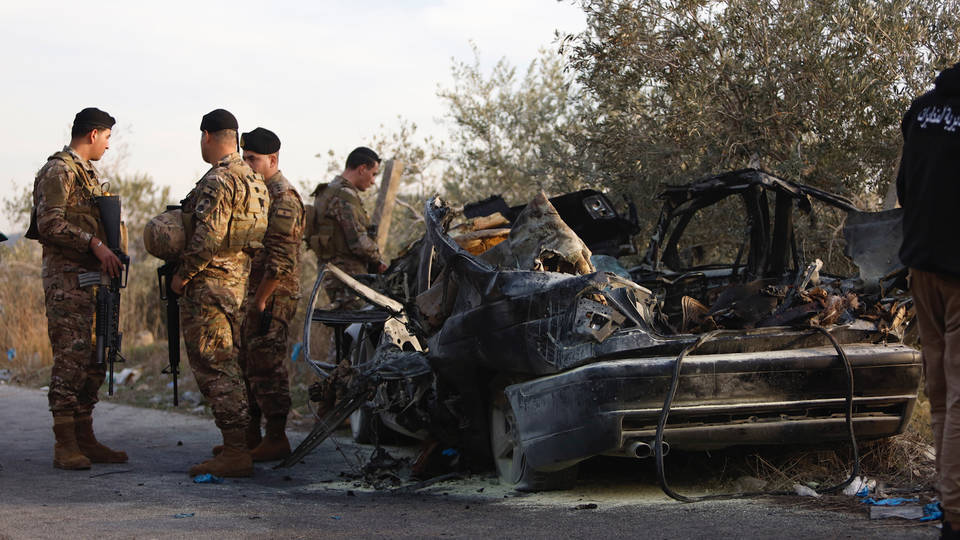
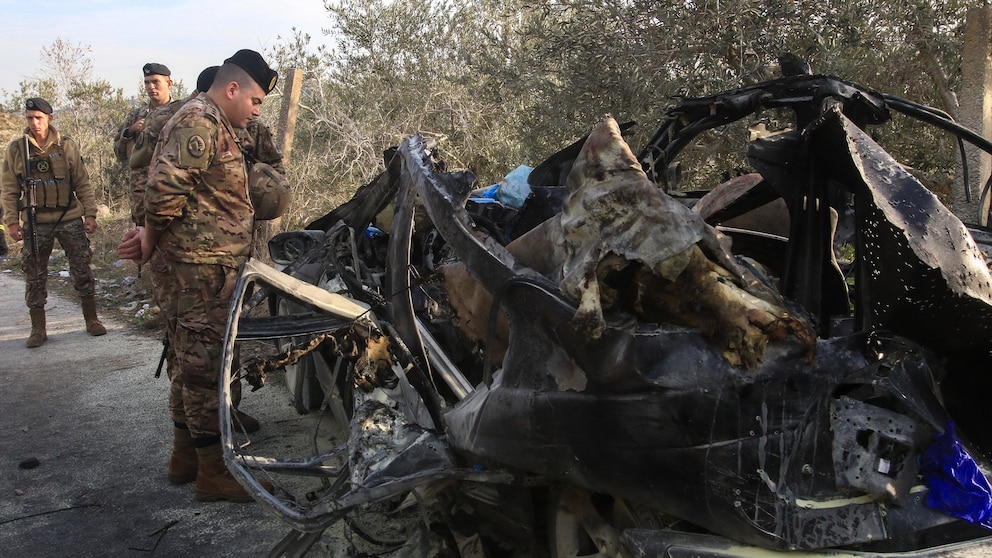
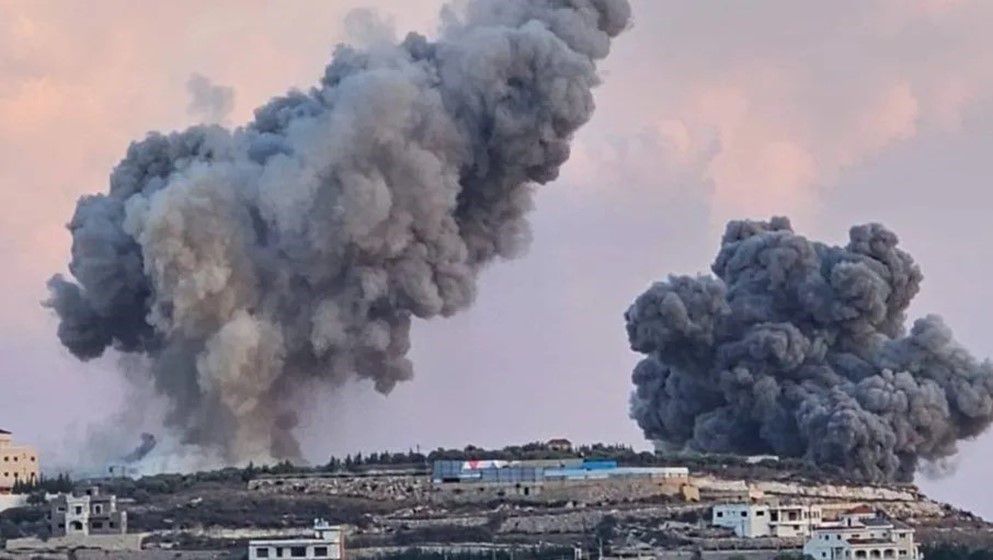
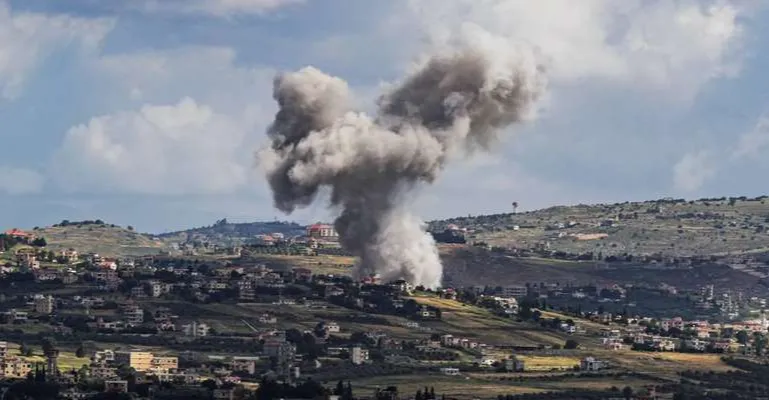
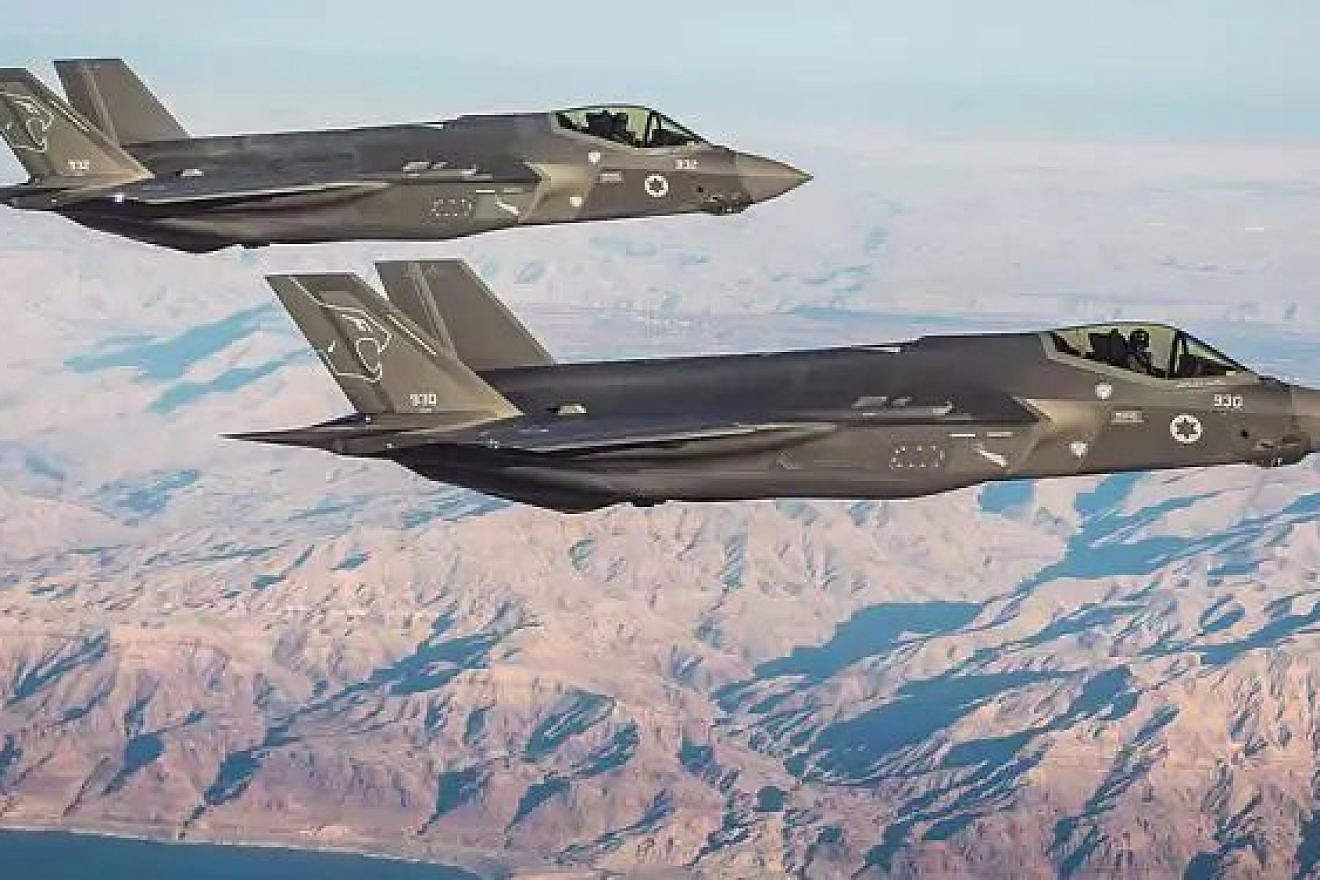
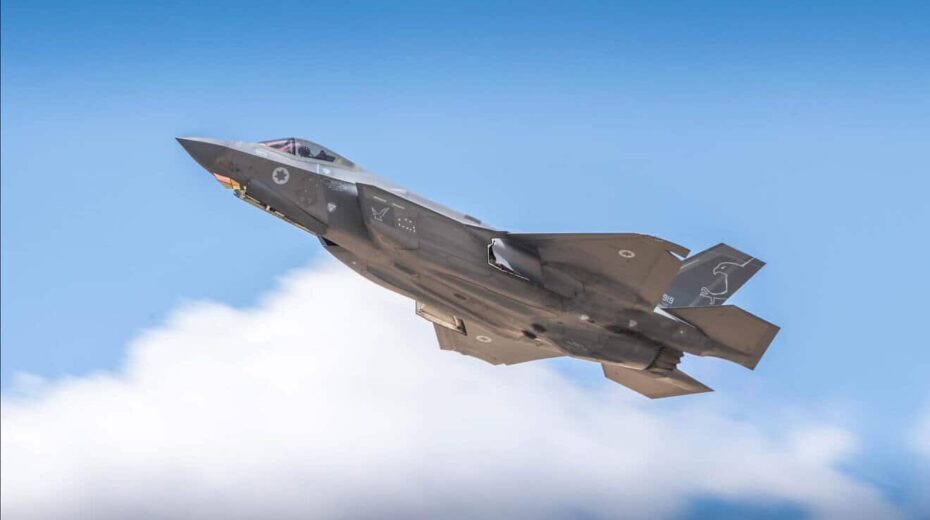
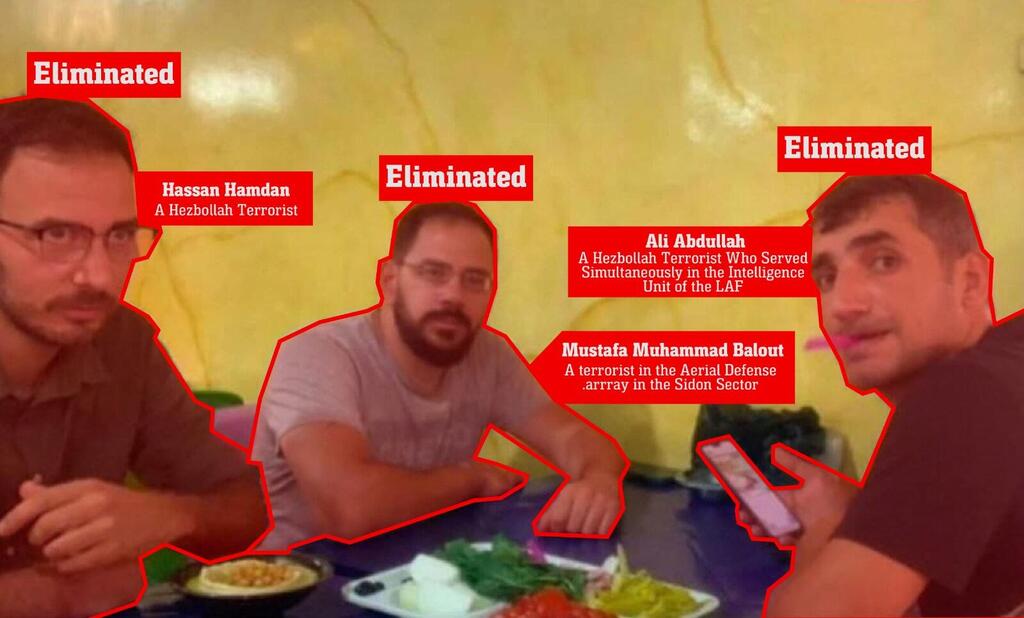
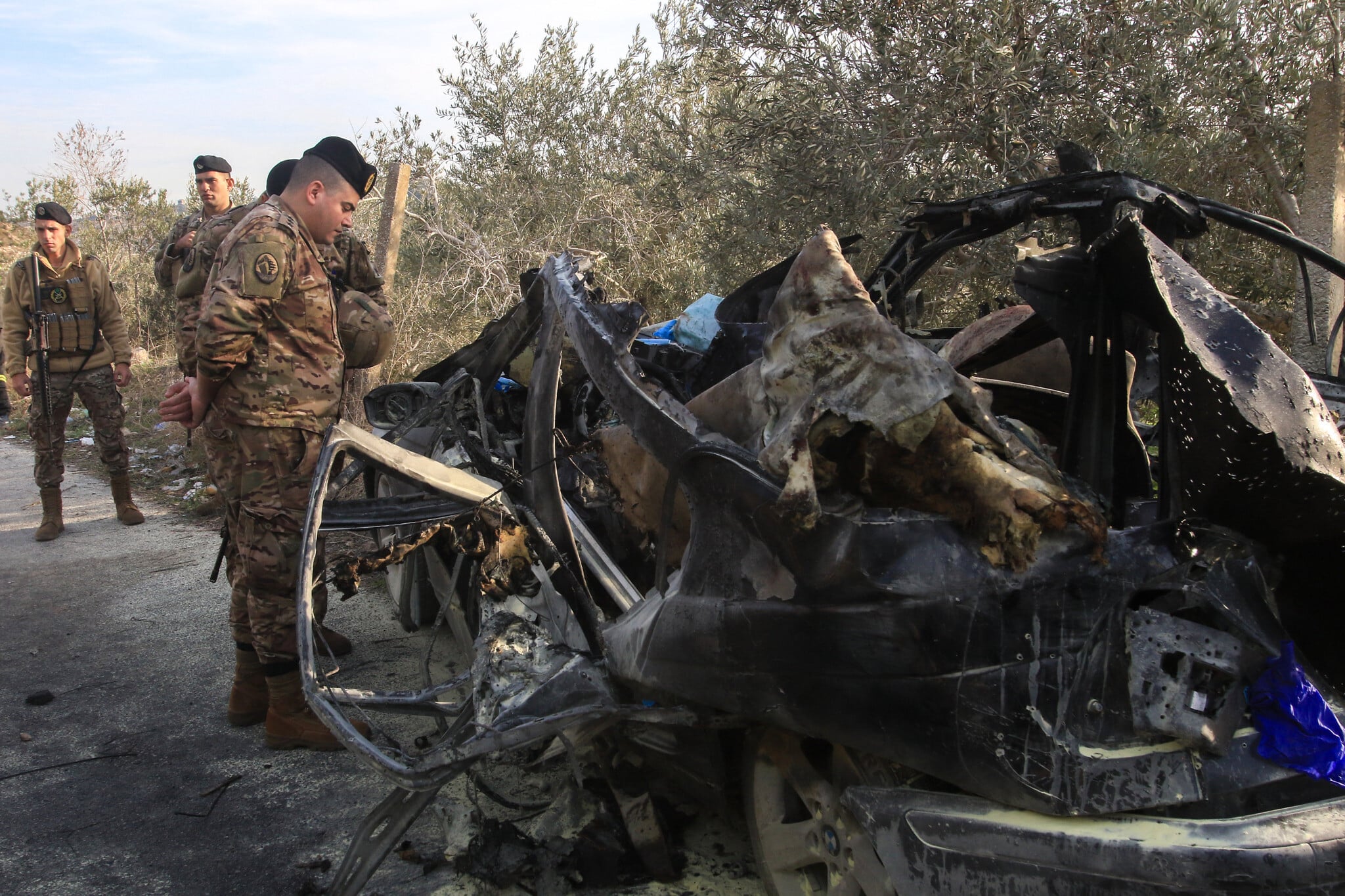
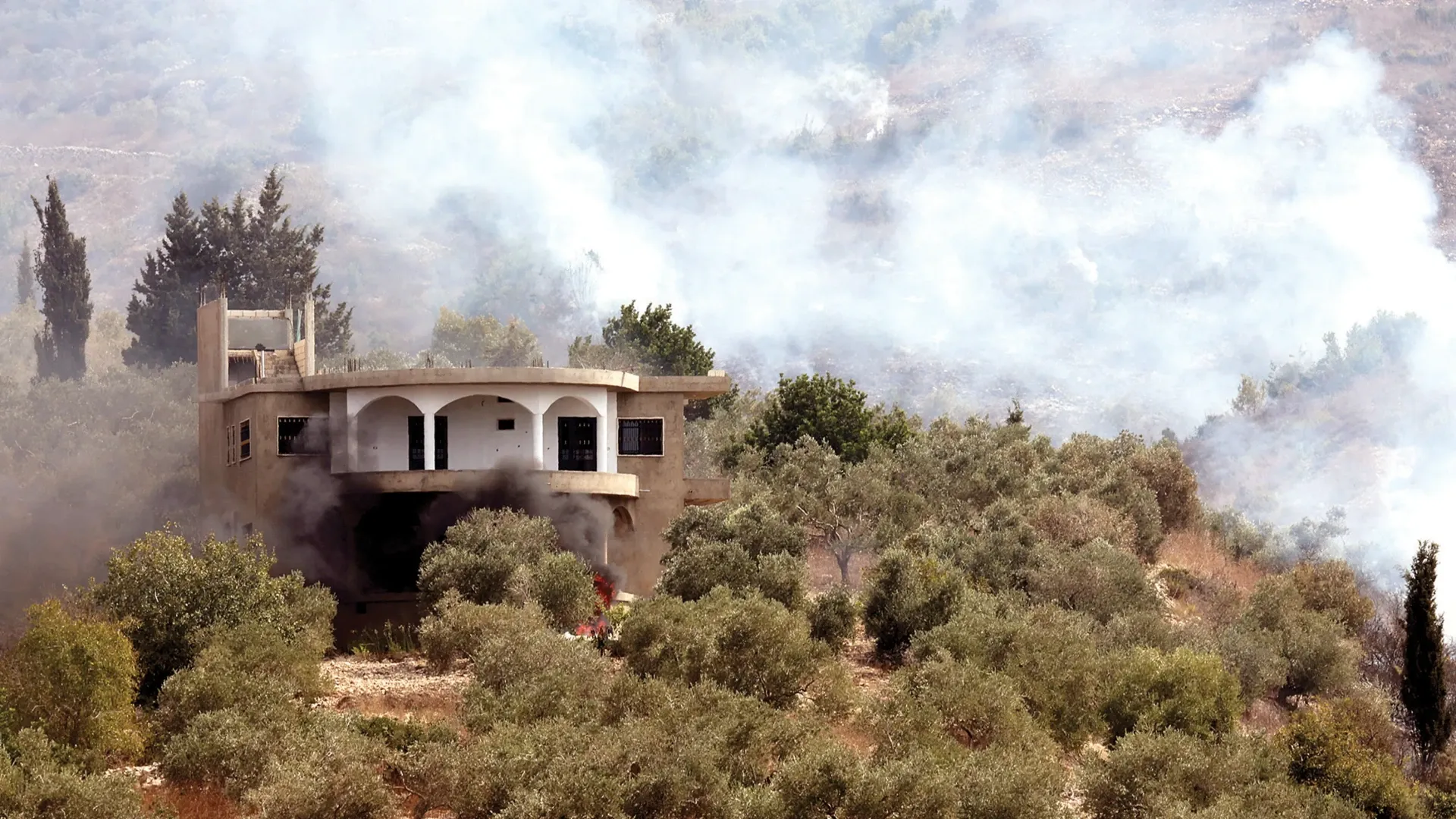
Strategic military dynamics reveal a complex operational environment. Israeli forces have conducted nearly 1,600 strikes across Lebanon between January and late November, targeting alleged Hezbollah infrastructure. The conflict has already displaced over 64,000 people and resulted in more than 300 casualties, creating significant humanitarian and economic disruption. A year-end deadline for Hezbollah's disarmament adds further volatility to an already precarious situation.
For cross-border businesses, the implications are profound. Supply chain resilience has become a critical strategic imperative. Companies operating in or near the Middle East must develop sophisticated risk management strategies that account for rapid geopolitical shifts. The ongoing conflict introduces multiple layers of uncertainty: potential transportation disruptions, increased security costs, and the constant threat of sudden military escalation.
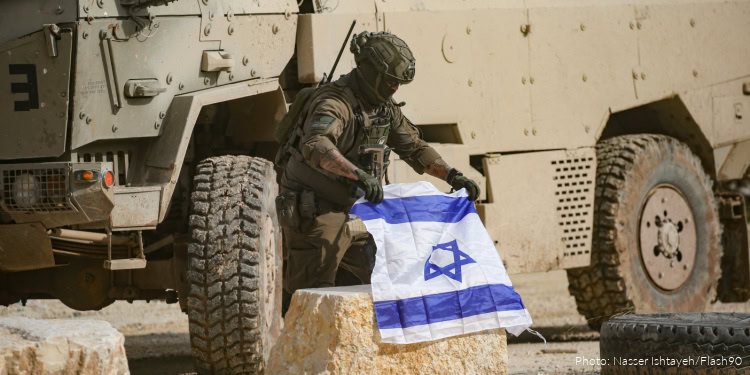
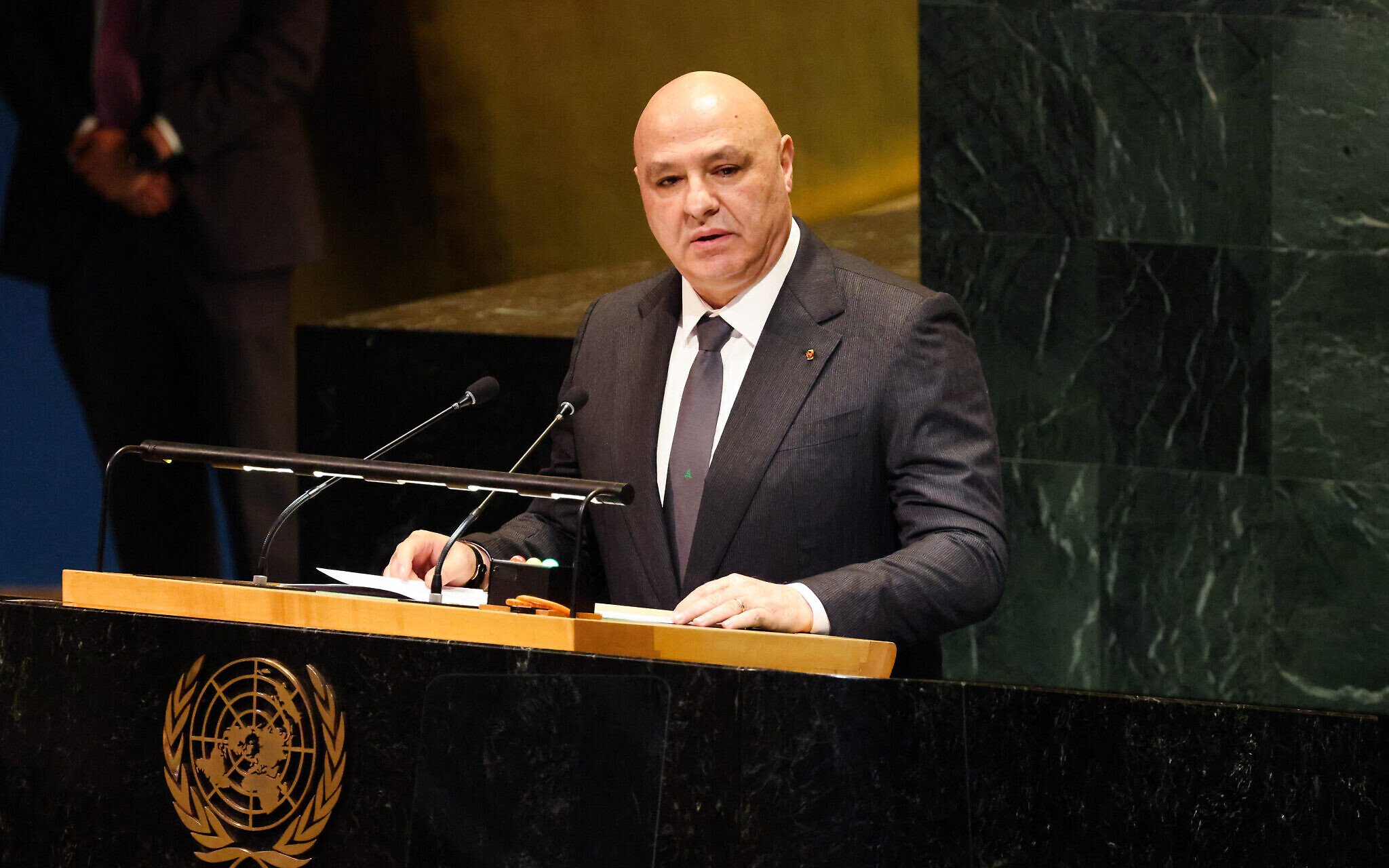
The diplomatic landscape remains particularly complex. While US-brokered talks suggest potential for de-escalation, persistent military actions indicate continued volatility. Israel maintains a military presence at five border outposts, and Lebanese officials continue to contest Israeli accusations about Hezbollah's infrastructure. This creates an environment of constant tactical and strategic uncertainty that demands exceptional adaptability from regional and international businesses.
Critically, the conflict extends beyond immediate military confrontations. The broader context involves territorial expansions, with Israel approving 19 new West Bank settlements, which the United Nations has explicitly condemned as violations of international law. These actions further complicate the regional stability calculus, introducing additional layers of geopolitical complexity that businesses must navigate.
For strategic decision-makers, the key imperative is developing flexible operational strategies that can rapidly adapt to changing geopolitical conditions. This means maintaining diversified supply routes, implementing robust contingency planning, and continuously monitoring regional developments with unprecedented granularity.
Questions 3
What strategic risks should businesses consider in the Middle Eastern market?
Key risks include potential sudden military escalations, supply chain interruptions, increased operational costs, and the need for rapid contingency planning. Businesses should prioritize diversified logistics routes, maintain flexible operational strategies, and invest in comprehensive geopolitical risk monitoring.
What is the current status of the Israel-Lebanon ceasefire?
The current ceasefire is fragile, with a year-end deadline for Hezbollah's disarmament. Israel has conducted nearly 1,600 strikes since January, while Lebanese officials claim progress in disarmament. Diplomatic negotiations continue, but persistent military actions suggest ongoing tensions.