



Cultural Resilience Amid Destruction: How a Christmas Carol Reveals Ukraine's Resistance Narrative
- The Survival of Cultural Identity in the Face of Systematic Erasure
















Overview
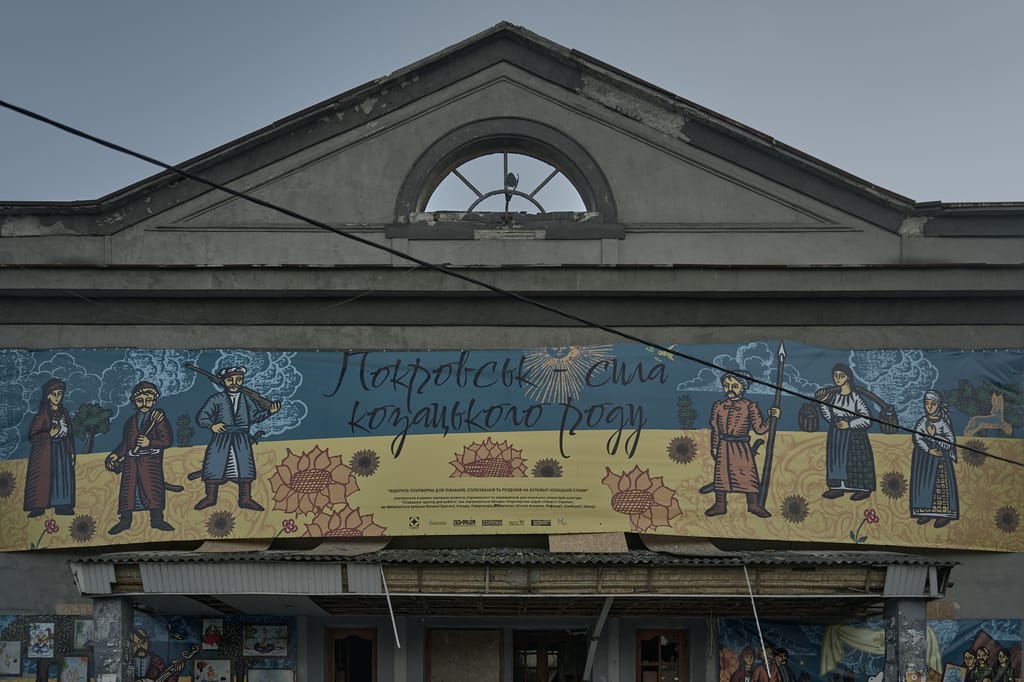
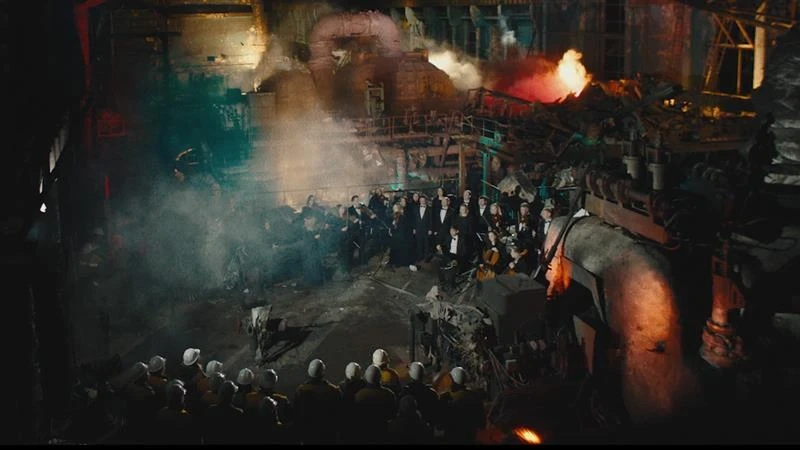
The story of the 'Carol of the Bells' transcends mere musical heritage, emerging as a powerful testament to Ukrainian cultural resistance in the ongoing conflict with Russia. At the heart of this narrative is Pokrovsk, a city systematically dismantled by Russian military forces, yet symbolically unbroken through its musical legacy.
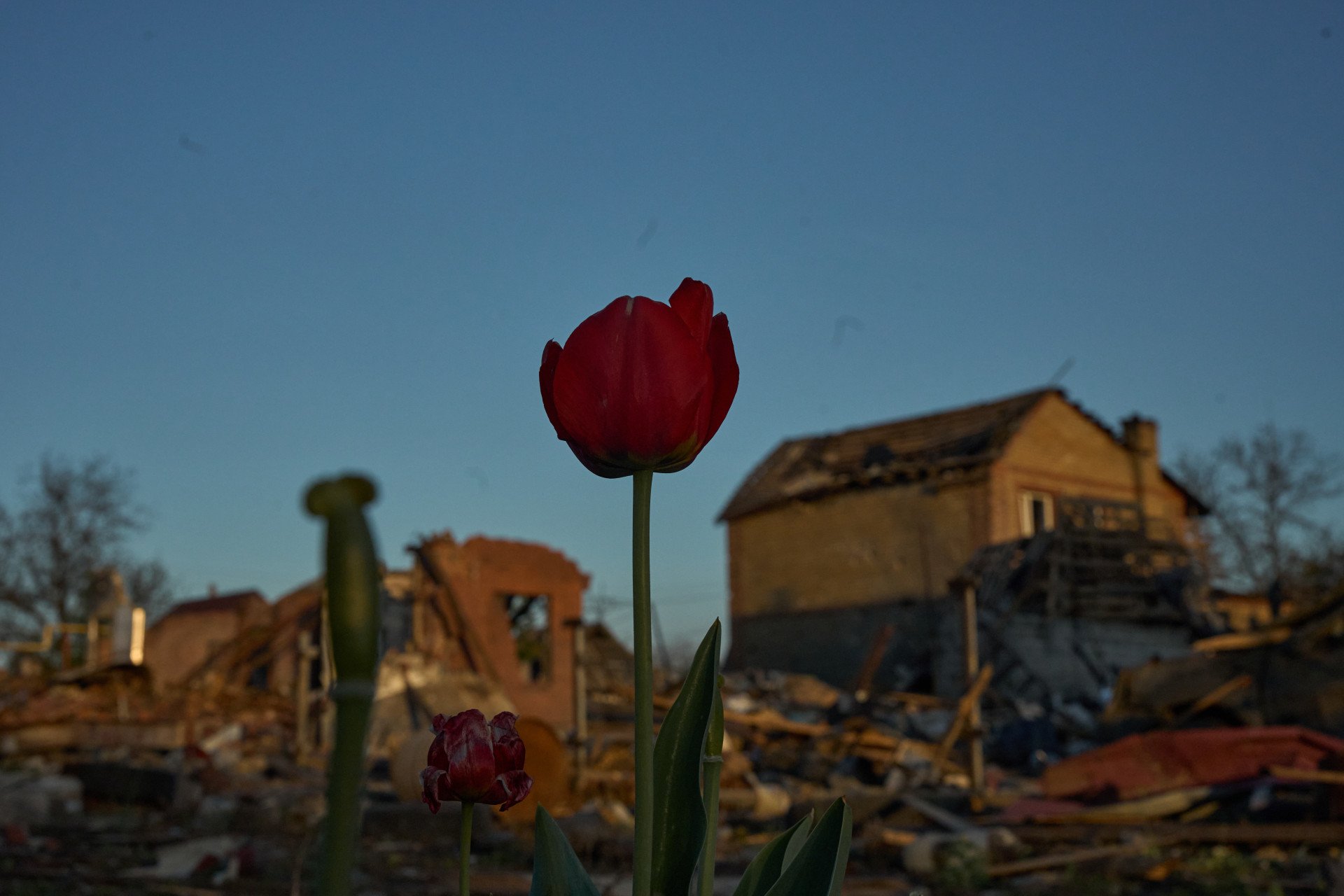
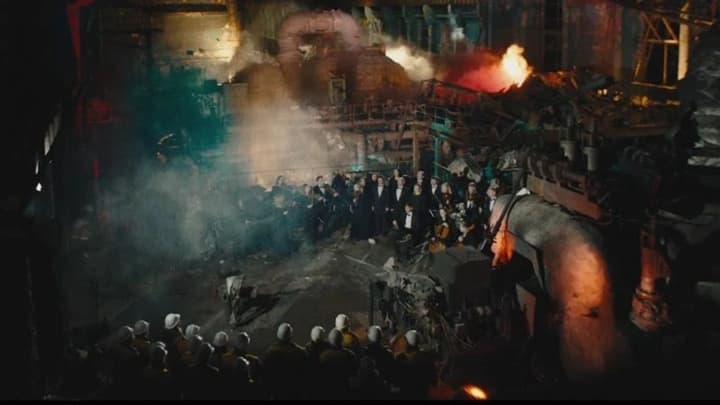
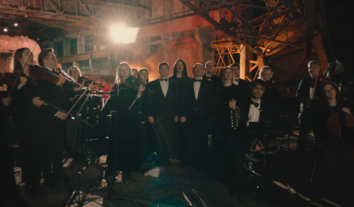
The destruction of Pokrovsk represents more than territorial conquest—it's a deliberate attempt to erase Ukrainian cultural identity. The music school dedicated to Mykola Leontovych, the song's original composer, has been obliterated, yet the musical tradition survives through displaced musicians like Alla Dekhtyar, who continues to perform 'Shchedryk' with her daughter and friends. This adaptation mirrors a broader resilience strategy: preserving cultural memory when physical spaces are destroyed.
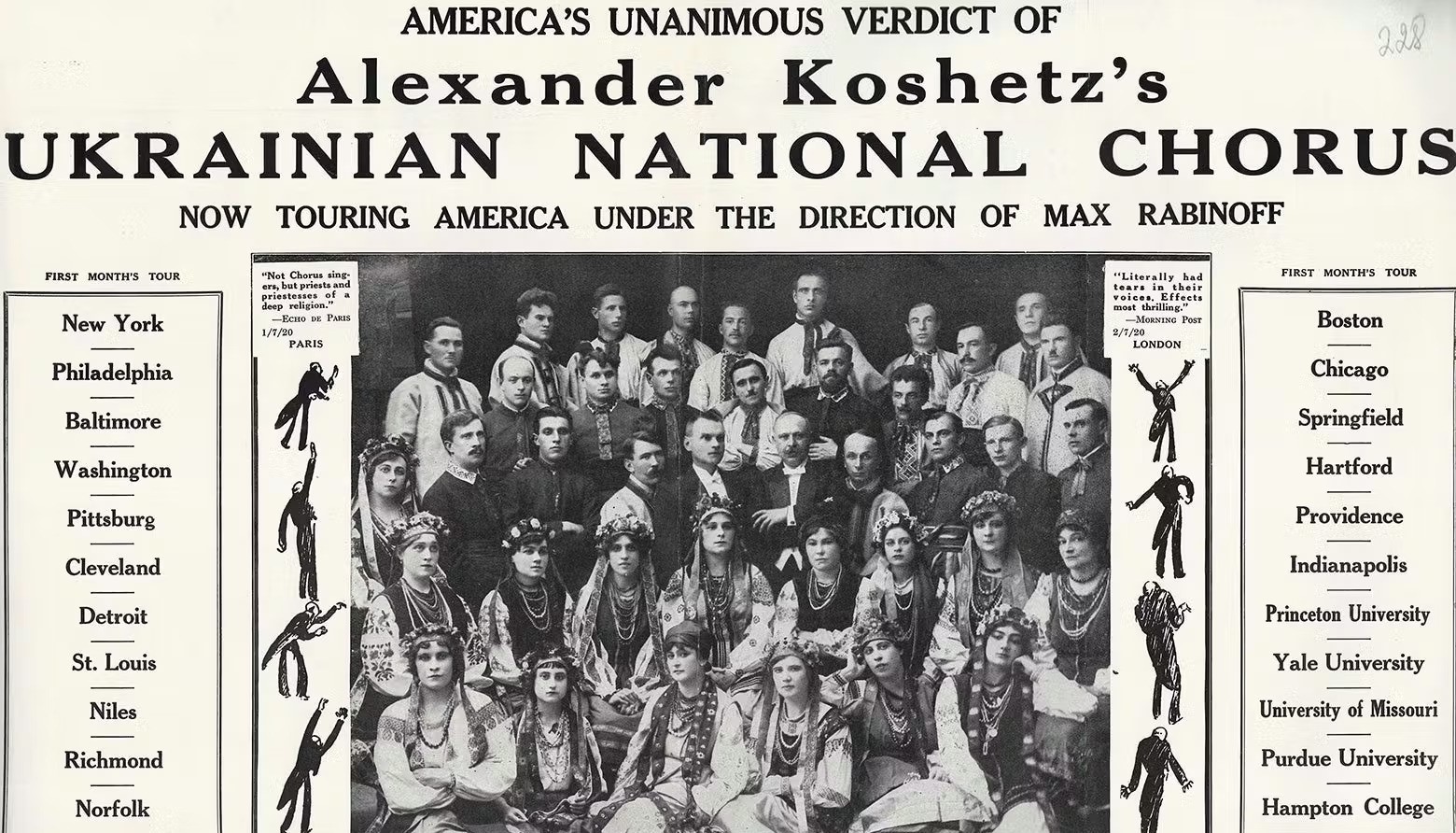
Historically, this song has been a vehicle of political expression. Composed in the early 20th century, it became an international symbol of Ukrainian independence when the Ukrainian National Republic sent a national choir on a European tour in 1919. The song's transformation—from a folk chant to a globally recognized Christmas carol—parallels Ukraine's own journey of cultural survival and reinvention.
The current conflict echoes historical patterns of cultural suppression. Leontovych himself was murdered by Soviet agents in 1921 for his cultural activism, drawing striking parallels to today's Russian invasion. With approximately 150,000 Russian troops deployed and over 50 assaults in a single day, the systematic destruction of Pokrovsk goes beyond military strategy—it's an attempt to erase a collective cultural narrative.
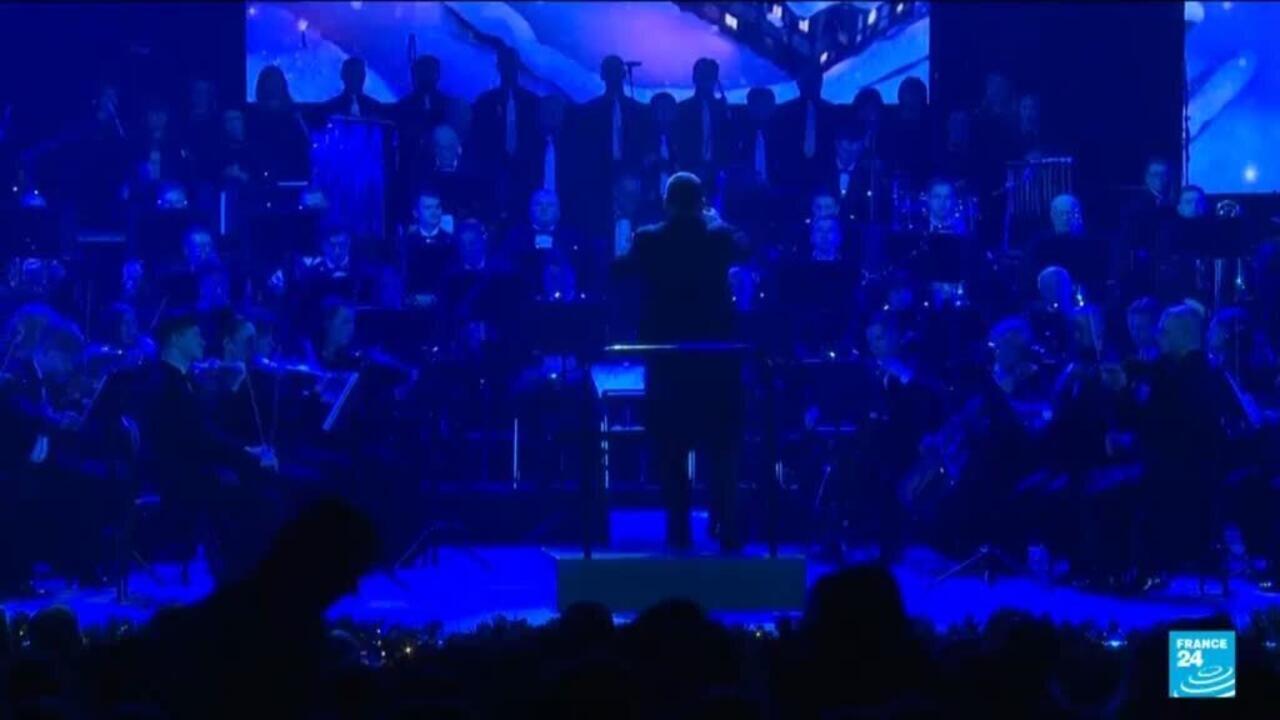
Yet, the resilience demonstrated by Ukrainian musicians and cultural practitioners reveals a profound truth: cultural identity cannot be bombed out of existence. The 'Carol of the Bells' now serves as a global symbol of resistance, transforming from a local musical tradition to an international statement of survival and identity.
Questions 3
How do cultural expressions like music serve as tools of resistance?
Music transcends physical boundaries, preserving collective memory and national identity. In the case of the 'Carol of the Bells', the song has evolved from a local musical tradition to an international statement of survival, communicating Ukrainian resilience and resistance through artistic expression.
What makes Pokrovsk significant beyond its geographical location?
Pokrovsk is the birthplace of the 'Carol of the Bells' and represents a microcosm of Ukrainian cultural survival. The city's systematic destruction by Russian forces symbolizes an attempt to erase Ukrainian historical and cultural memory, yet the continued performance of its musical traditions proves the opposite.