





West Bank Land Grab: Strategic Territorial Transformation Reshaping Middle East Geopolitics
- Settler Expansion Signals Fundamental Shift in Regional Power Dynamics













Overview
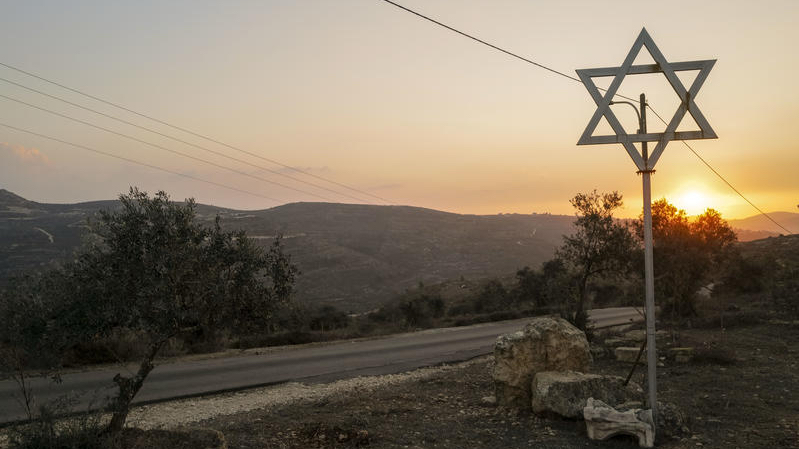
The West Bank territorial dynamics represent a critical inflection point in Middle Eastern geopolitical strategy, with Israeli settlers executing a systematic campaign of territorial transformation that fundamentally challenges existing regional power structures. In 2025, the settler movement has reached an unprecedented scale, establishing 80 new outposts - the highest number since 1991 - which represents a deliberate, coordinated strategy to permanently alter territorial demographics.
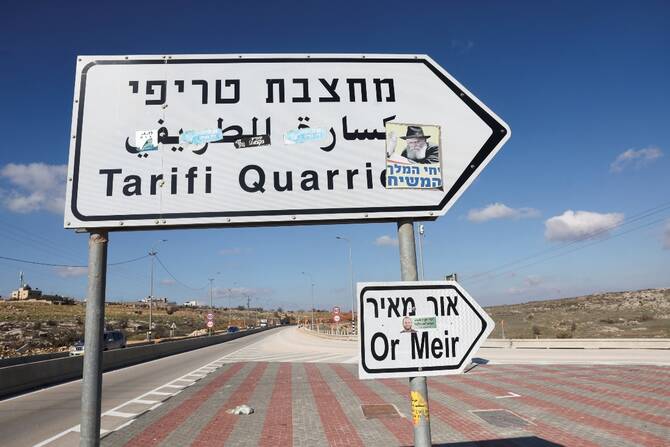
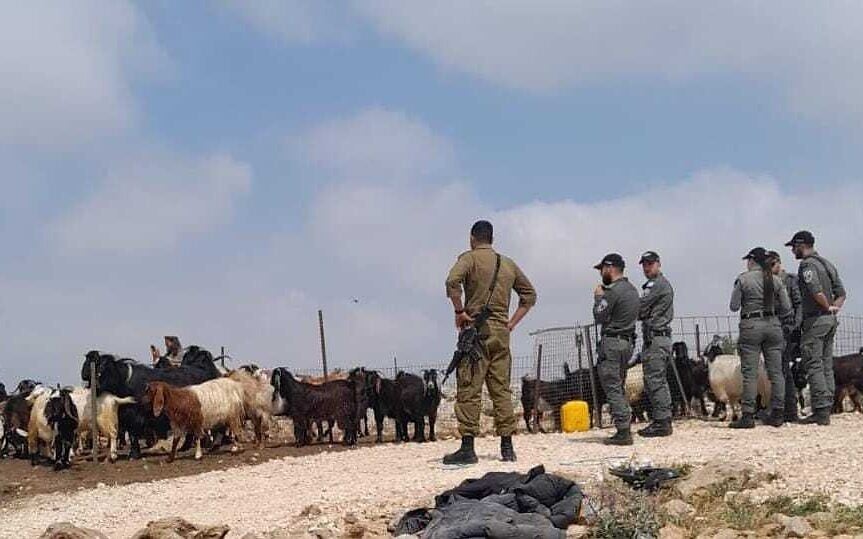
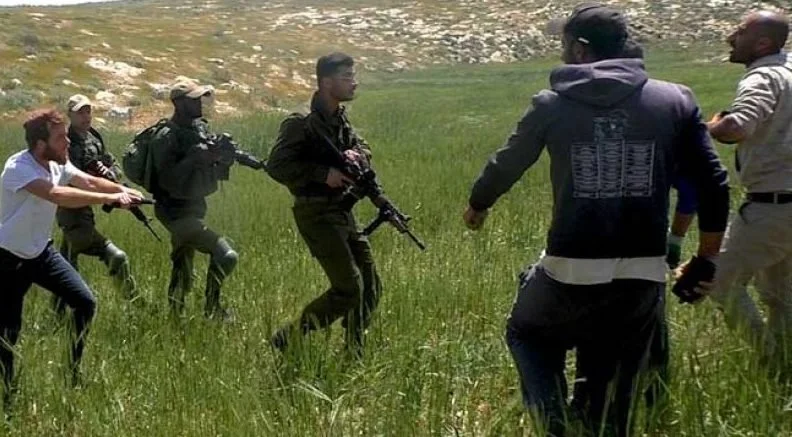
Strategic land acquisition has become a sophisticated geopolitical instrument, with Finance Minister Bezalel Smotrich explicitly framing each settlement as a "nail in the coffin" of potential Palestinian statehood. The tactics extend beyond mere physical expansion, incorporating a multi-dimensional approach that includes violent displacement, strategic harassment, and systematic land reclamation. The Or Meir settlement exemplifies this approach, having reportedly driven away nine Bedouin communities and reclaimed 6,000 dunams of land through coordinated settler actions.
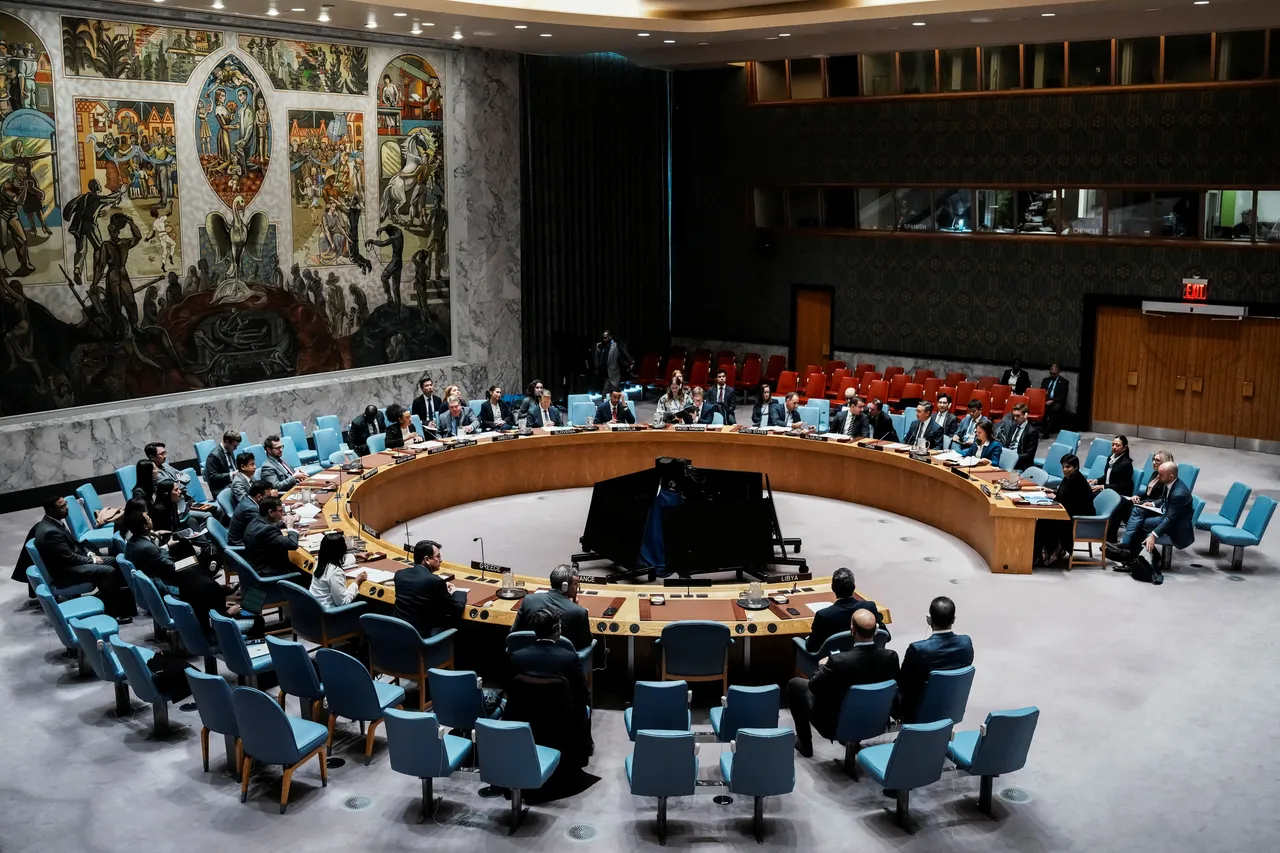
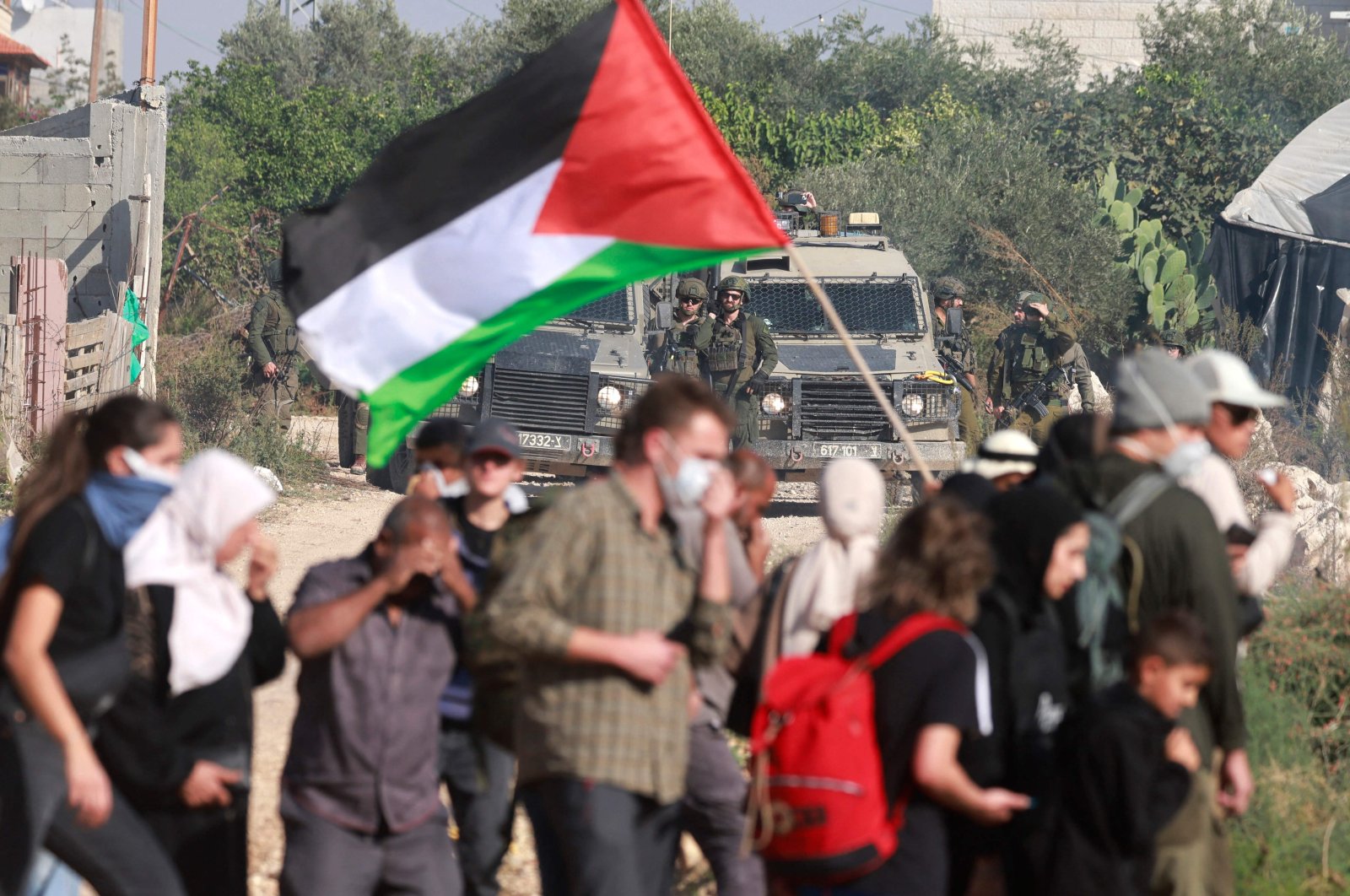
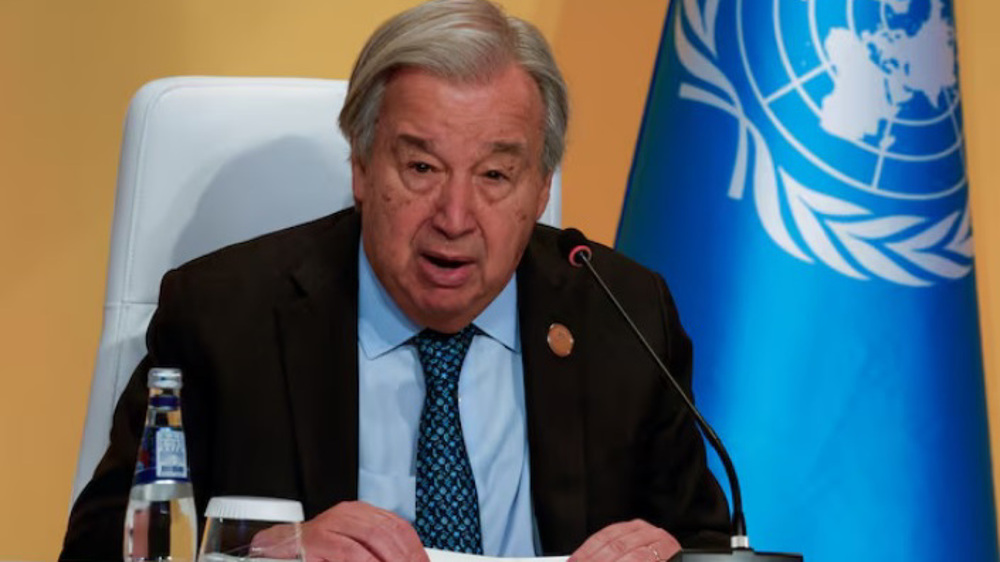
The implications extend far beyond territorial control. For international businesses and geopolitical stakeholders, this represents a profound disruption of existing regional economic ecosystems. The systematic displacement creates significant operational risks, including disrupted supply chains, increased security complexities, and fundamentally altered investment landscapes. United Nations data underscores the intensity, reporting over 750 Palestinian injuries from civilian attacks, which signals a level of organized territorial transformation unprecedented in recent decades.
What emerges is not just a territorial conflict, but a strategic reconfiguration of regional power dynamics. The Israeli government's approach suggests a long-term vision of permanent territorial restructuring, effectively creating facts on the ground that will reshape diplomatic and economic interactions for generations. International actors must recognize this not as an isolated conflict, but as a systematic geopolitical strategy with profound, multi-generational implications.
Questions 3
What are the long-term geopolitical implications of these settlement activities?
These settlements represent more than territorial expansion - they're a strategic reconfiguration of regional power dynamics. By creating 'facts on the ground', Israel is effectively reshaping diplomatic and economic interactions in ways that will have multi-generational consequences.
How are international businesses impacted by these territorial changes?
Businesses face increased operational risks including disrupted supply chains, heightened security concerns, and fundamentally altered investment landscapes. The systematic displacement creates complex geopolitical environments that require sophisticated risk management strategies.