




AI Talent Wars Reshape Tech Ecosystem as Nvidia Redefines Strategic Acquisition
- Talent acquisition becomes the new battleground for technological innovation in AI chip development
























Overview
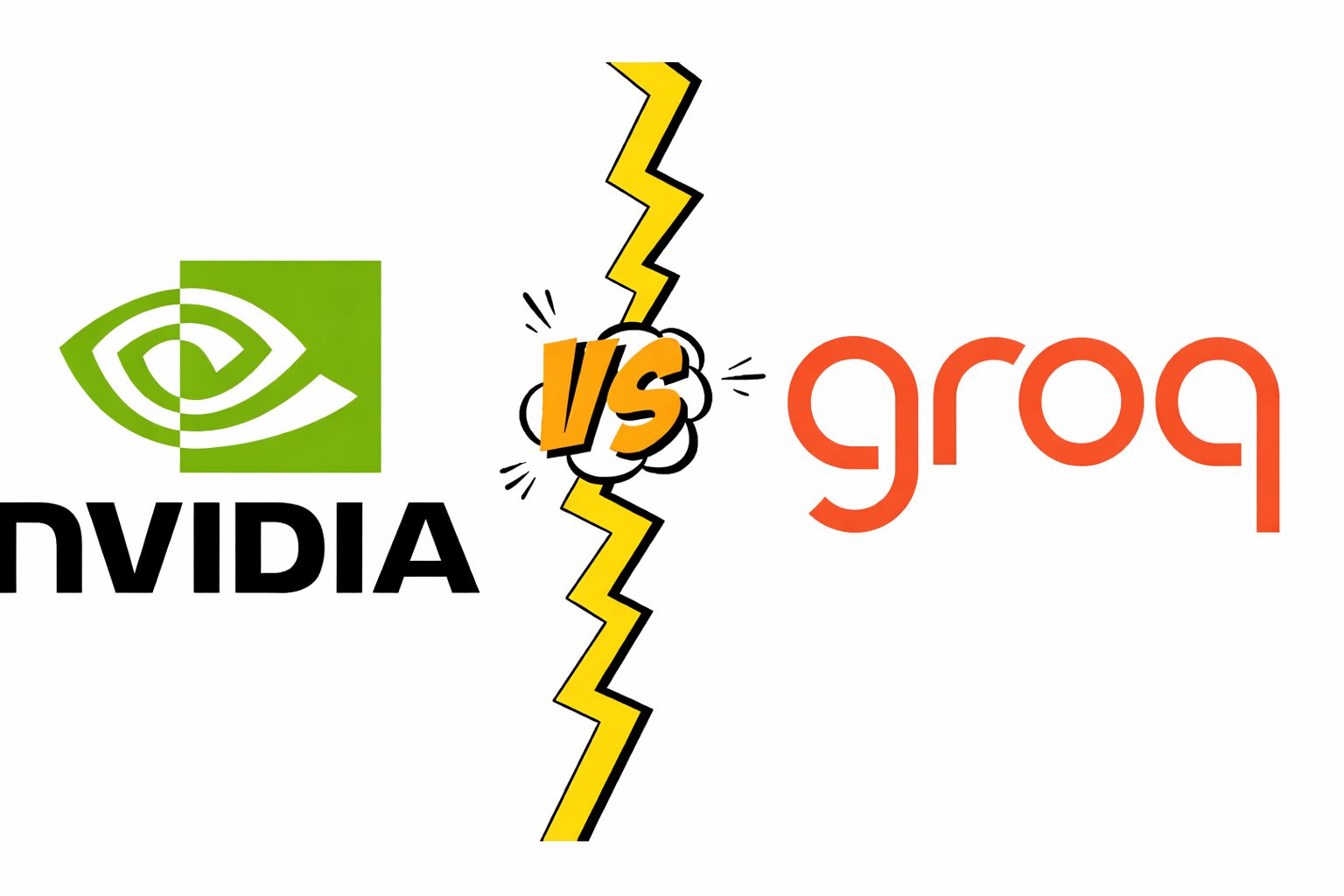
The recent Nvidia-Groq transaction represents a pivotal moment in the AI technology landscape, revealing a transformative approach to corporate growth that prioritizes talent and specialized technology over traditional full-scale acquisitions. At the heart of this strategic maneuver is a non-exclusive licensing deal that goes far beyond a simple technology transfer, signaling a new era of innovation acquisition.
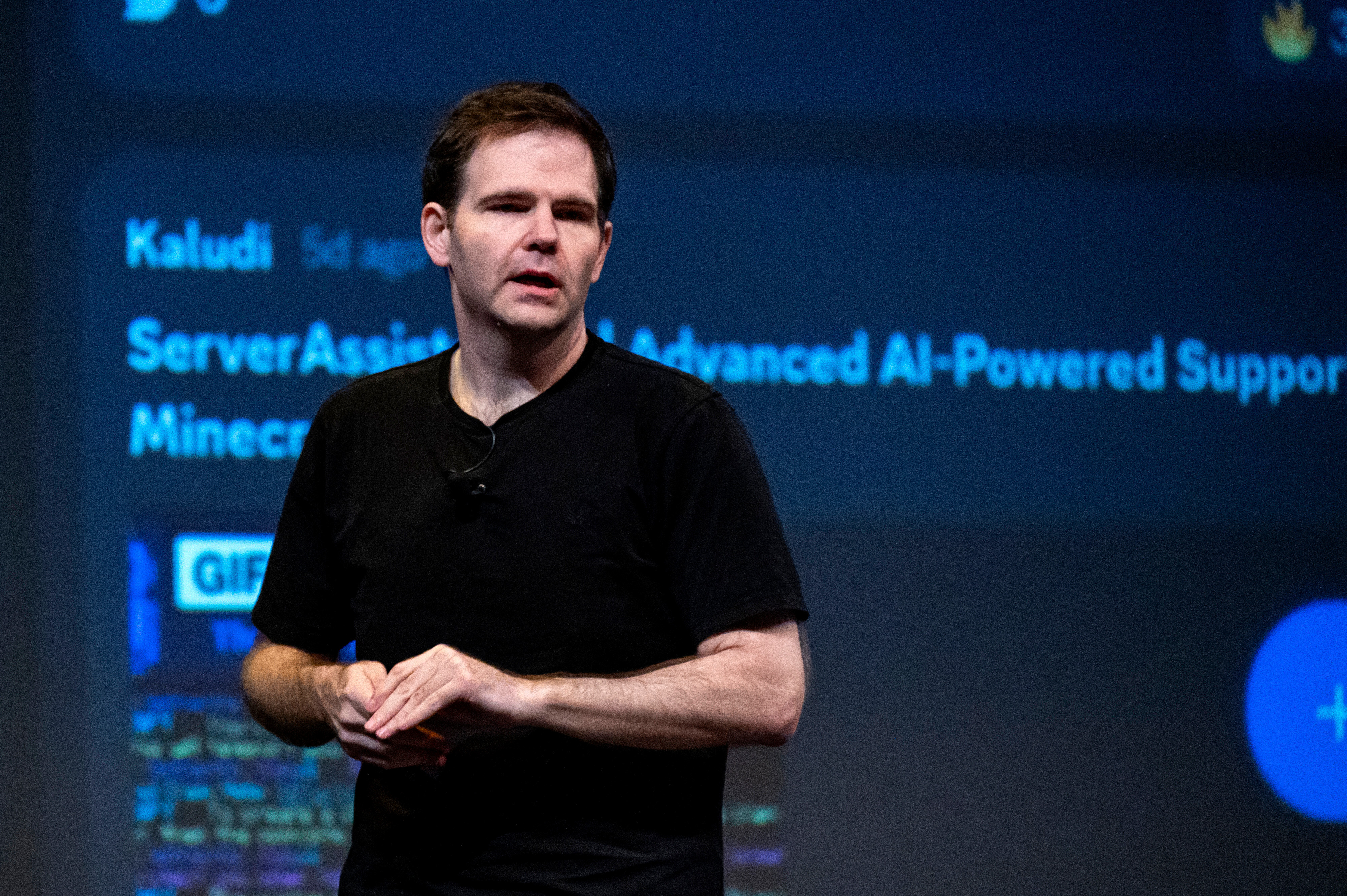
Nvidia's $20 billion strategic move with Groq demonstrates the escalating value of specialized AI talent and cutting-edge inference technology. By recruiting key engineering talent, including founder Jonathan Ross and other former Google chip engineers, Nvidia is essentially purchasing intellectual capital and technological expertise. This approach reflects a broader trend in the tech industry where human capital has become as valuable as the technological assets themselves.
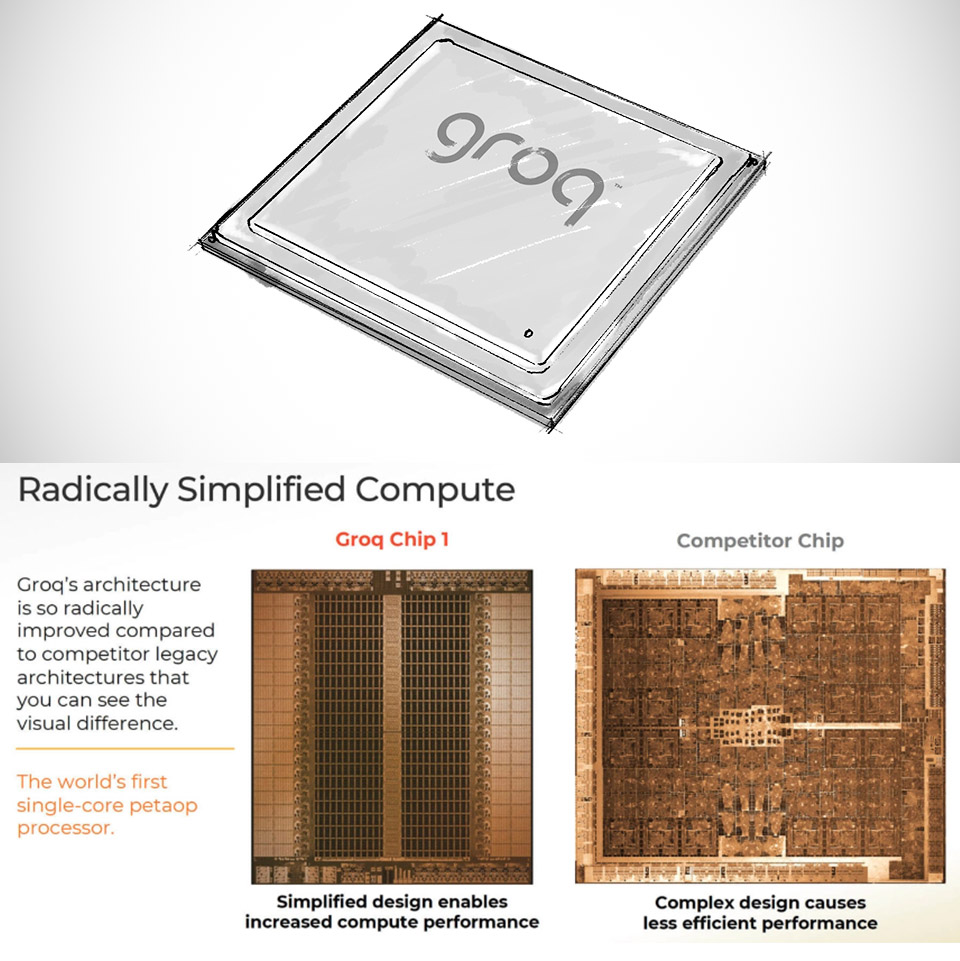
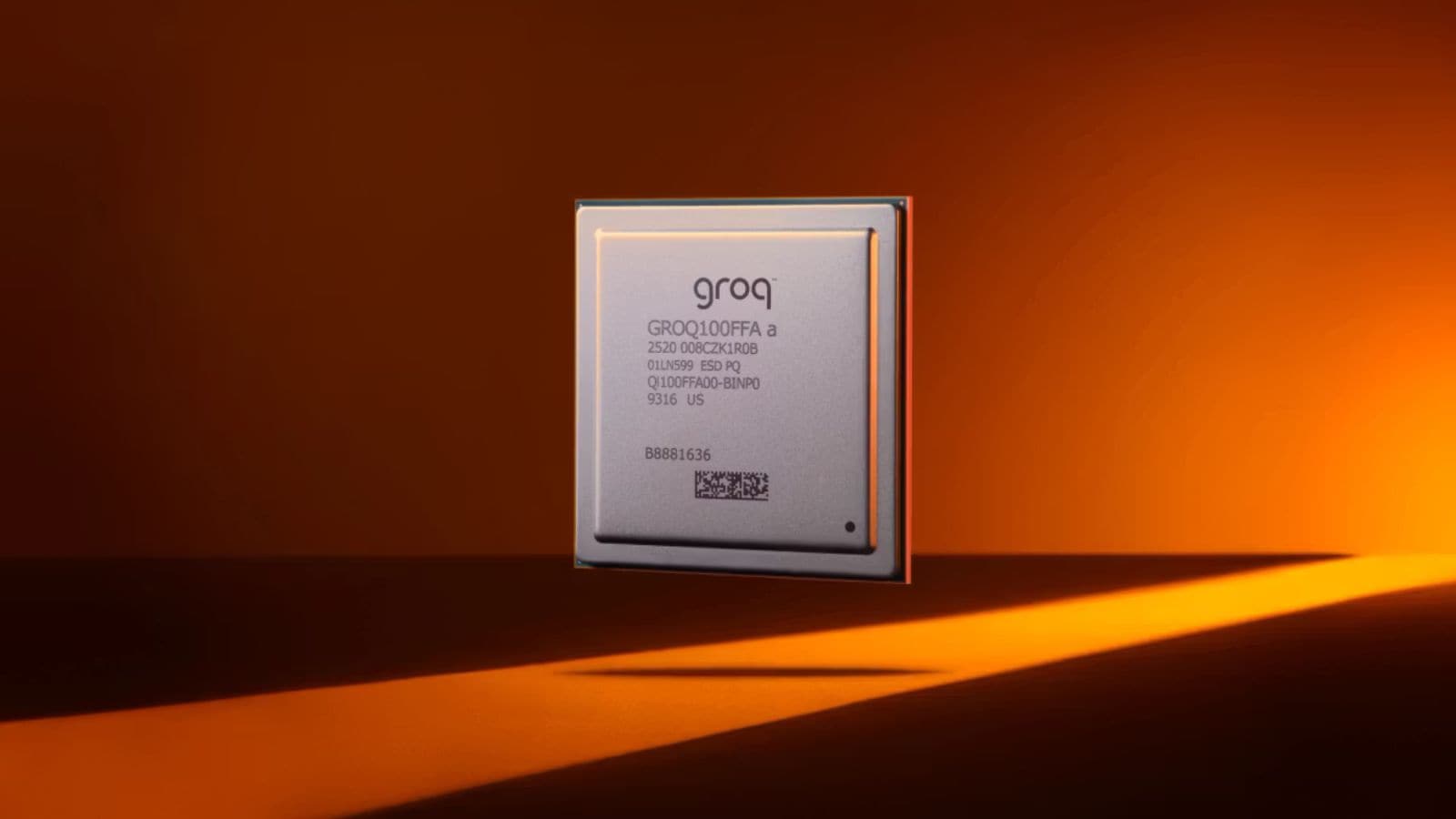
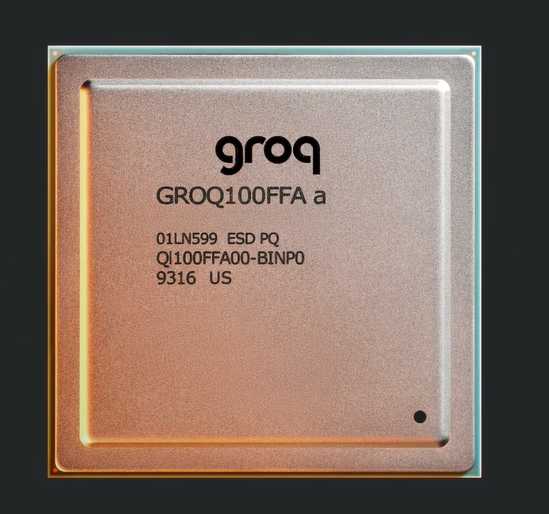
The deal's nuanced structure is particularly noteworthy. Unlike traditional acquisitions, Groq will continue operating independently, with Nvidia gaining non-exclusive access to its inference technology. This approach allows for maximum flexibility and minimizes integration risks while securing critical technological capabilities. Groq's unique on-chip SRAM memory technology, which enables faster AI interactions, represents exactly the kind of specialized innovation that can provide a competitive edge in the rapidly evolving AI chip market.
For technology companies and AI-focused businesses, this transaction signals a fundamental shift in strategic thinking. The era of massive, complex corporate mergers is giving way to more agile, targeted approaches that prioritize speed of innovation and talent mobility. Companies are now viewing talent acquisition as a critical competitive strategy, recognizing that the right team can be more valuable than static technological assets.
The broader implications extend beyond Nvidia and Groq. This model of strategic talent and technology acquisition suggests a new playbook for innovation in the tech sector. By creating pathways for talent to move between organizations while maintaining technological sovereignty, companies can accelerate innovation cycles and create more dynamic, responsive technological ecosystems.
Questions 3
How does this deal change the landscape for AI chip startups?
This transaction creates a new model for startup success, showing that companies can maintain independence while monetizing their talent and technology. Startups now have a clear pathway to create value through targeted partnerships, rather than requiring full acquisition, which can potentially preserve more of their innovative culture and strategic flexibility.
Why is the Nvidia-Groq deal significant beyond a typical technology licensing agreement?
The deal represents a strategic talent acquisition approach where Nvidia gains not just technology rights, but critical human capital. By recruiting key engineers like Jonathan Ross, Nvidia is essentially purchasing specialized expertise that can drive future innovation, demonstrating that talent has become as valuable as technological assets in the AI ecosystem.