
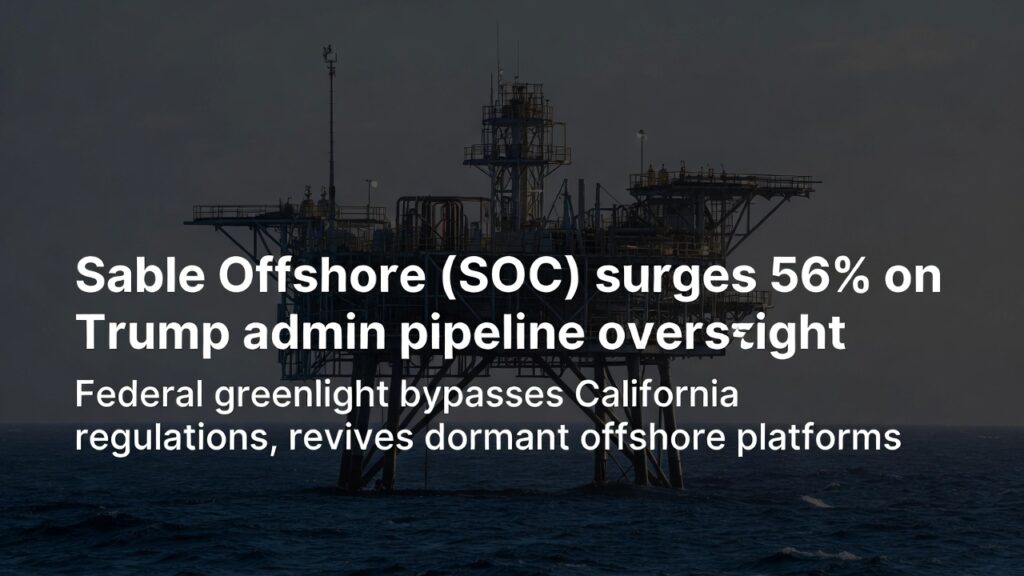



Federal Intervention Reshapes California's Energy Infrastructure Regulation
- Sable Offshore's Strategic Pivot Exposes State-Federal Regulatory Battleground















Overview
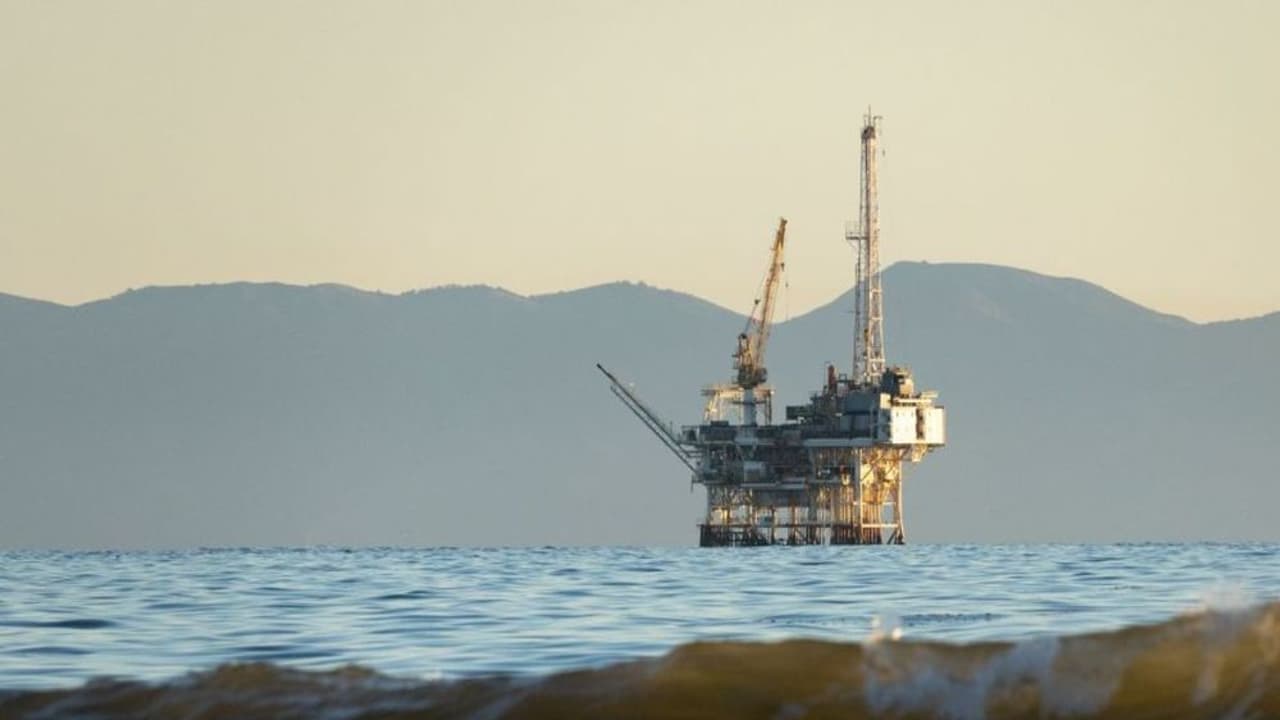
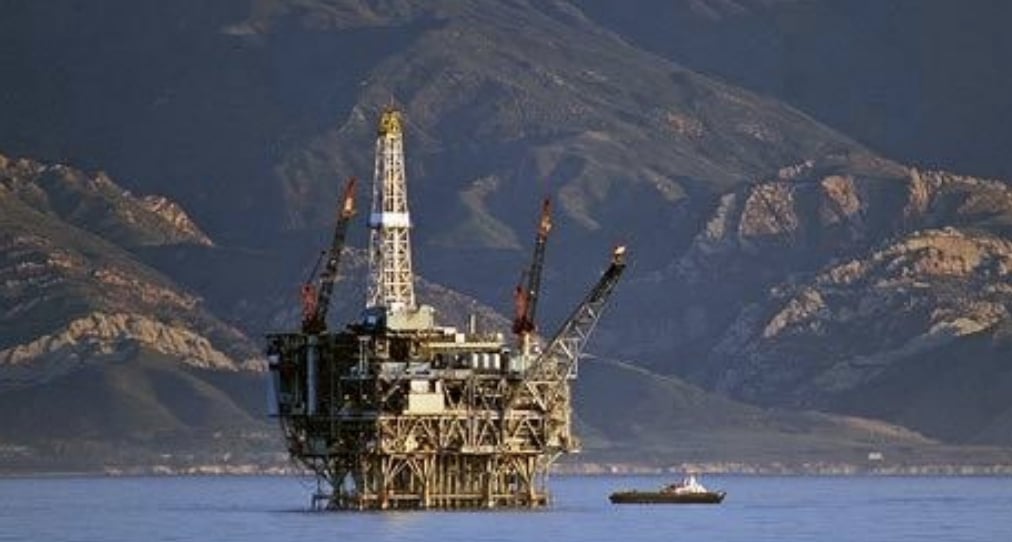
The recent federal intervention in Sable Offshore's pipeline operations represents a pivotal moment in energy infrastructure governance, signaling a profound shift in regulatory dynamics between state and federal authorities. By reclassifying two Santa Barbara County pipelines as interstate infrastructure, the Pipeline and Hazardous Materials Safety Administration (PHMSA) has effectively circumvented California's state-level oversight, creating a landmark precedent with far-reaching implications.
Regulatory Arbitrage Unveiled: The strategic maneuver by Sable Offshore highlights a critical vulnerability in state-level environmental regulation. Following a controversial 2015 oil spill that shut down coastal production, the company successfully transferred regulatory jurisdiction from state to federal control. This tactical repositioning not only allows pipeline restart but also potentially mitigates stringent state safety standards. The federal approval, granted after a brief review of just five documents, suggests a regulatory pathway that prioritizes infrastructure restart over comprehensive environmental scrutiny.
Market and Compliance Implications: For energy infrastructure operators, this development signals a potentially transformative approach to regulatory compliance. Companies can now strategically navigate between state and federal jurisdictions, potentially finding more favorable regulatory environments. The immediate market response—with Sable's stock surging approximately 30%—underscores the financial significance of this regulatory flexibility. However, this approach is not without risks, as environmental groups and state-level politicians are expected to mount legal challenges.
The broader context reveals a complex regulatory ecosystem where infrastructure development, environmental protection, and economic interests collide. By positioning these pipelines as interstate infrastructure, Sable has not just solved an operational challenge but potentially established a replicable model for other energy companies seeking regulatory relief. This development suggests a future where infrastructure operators can more dynamically manage regulatory constraints, potentially reshaping how critical energy assets are governed and maintained.
Questions 3
How does the federal reclassification impact Sable Offshore's operational capabilities?
The federal reclassification allows Sable to restart pipelines previously shut down under state oversight, effectively bypassing California's more stringent safety regulations. This provides the company with increased operational flexibility and potentially reduces compliance barriers for restarting its Santa Barbara County pipeline infrastructure.
What risks do environmental groups see in this federal intervention?
Environmental groups are concerned that federal oversight might prioritize infrastructure restart over comprehensive environmental safety. The quick approval process and override of state-level safety concerns suggest potential compromises in environmental protection, particularly in sensitive coastal regions with historical pipeline leak incidents.