


Banking Deregulation Unleashes $600 Billion Market Value Surge
- Regulatory Shifts Redefine Financial Services Landscape for Global Businesses













Overview
The U.S. banking sector is experiencing a transformative moment, with regulatory easing catalyzing unprecedented market value expansion and strategic repositioning. In a remarkable two-year trajectory from 2025 to 2026, six major American banks collectively added $600 billion in market capitalization, signaling a profound shift in financial services dynamics.
Regulatory flexibility emerges as the critical enabler of this growth. The Trump administration's policy approach has systematically dismantled post-2008 financial constraints, allowing banks higher leverage, softer capital standards, and more aggressive trading strategies. This isn't merely a technical adjustment—it represents a fundamental reimagining of banking's operational boundaries.
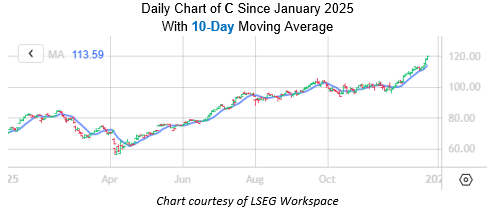
Cross-border e-commerce sellers stand to benefit significantly from this transformation. The relaxed regulatory environment translates into more accessible credit, potentially lower transaction costs, and expanded financing options. Goldman Sachs' projected trading revenues of $92 billion in equities and $163 billion in fixed income underscore the newfound financial capacity. Citigroup's 70% stock gain further validates the strategic potential of this deregulatory approach.
The divergence from European banking models is particularly striking. While American banks have aggressively expanded, European counterparts remain constrained, with their combined market value hovering around $1 trillion—less than half of the U.S. banking sector's $2.37 trillion market capitalization. This suggests a competitive realignment that could reshape global financial services architecture.
Strategically, these developments signal more than economic recovery—they represent a systemic recalibration of financial infrastructure. Banks are no longer just intermediaries but dynamic platforms capable of rapidly deploying capital, restructuring risk models, and creating innovative financial products. For international businesses, this means more flexible, technology-driven financial services that can adapt to complex global trade environments.
Questions 3
What makes the U.S. banking sector's growth different from European markets?
The U.S. banking sector has added $600 billion in market value, reaching $2.37 trillion, while European banks remain around $1 trillion. This difference stems from more aggressive deregulation, allowing U.S. banks higher leverage, softer capital standards, and more dynamic trading strategies compared to more conservative European regulatory approaches.
What are the potential risks of this banking deregulation?
While the deregulation offers significant opportunities, it also introduces potential systemic risks. Reduced regulatory constraints could lead to more speculative trading, increased financial complexity, and potentially lower risk management standards. Businesses should carefully assess their financial partners and maintain robust due diligence.