




Billion-Dollar Lottery Dreams: How a $1.817B Powerball Win Reveals America's Economic Aspirations
- Unprecedented jackpot signals growing consumer engagement with high-stakes financial opportunities















Overview
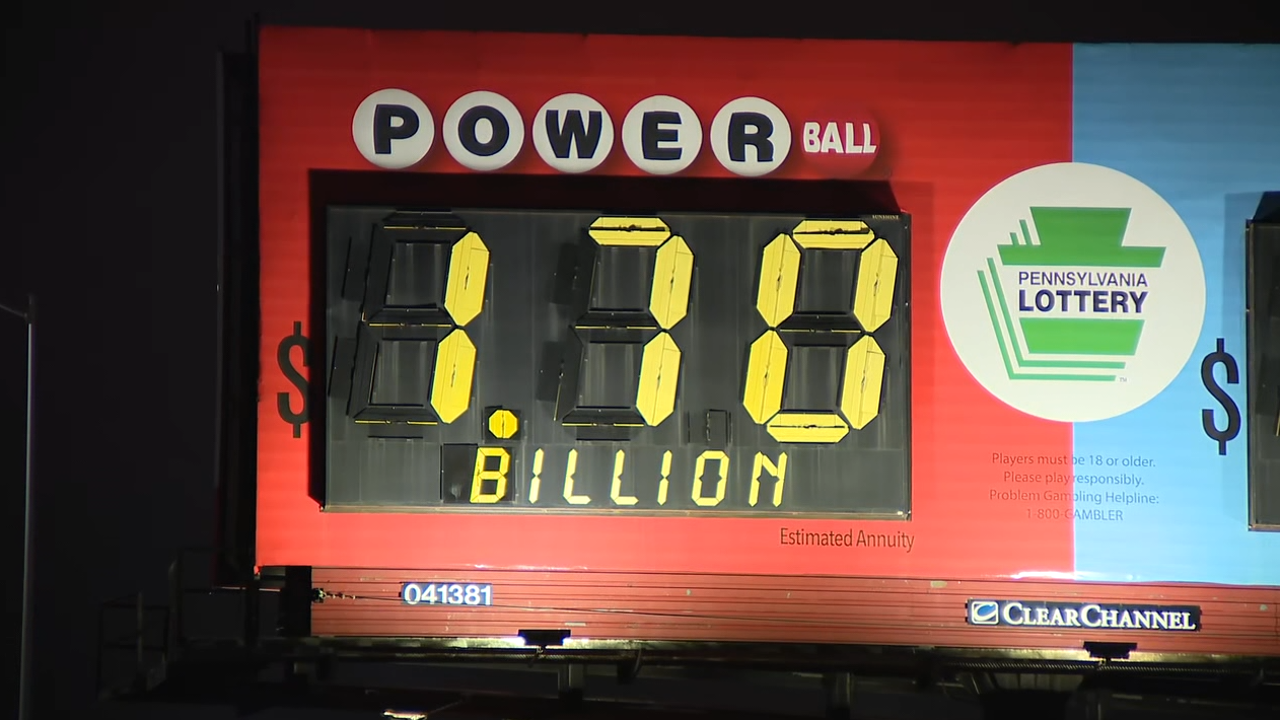
The $1.817 billion Powerball jackpot represents far more than a simple lottery win—it's a profound economic indicator of American financial psychology and collective hope. This extraordinary event, won by a single ticket in Arkansas, illuminates critical insights into how everyday consumers perceive economic mobility and risk in an increasingly complex financial landscape.
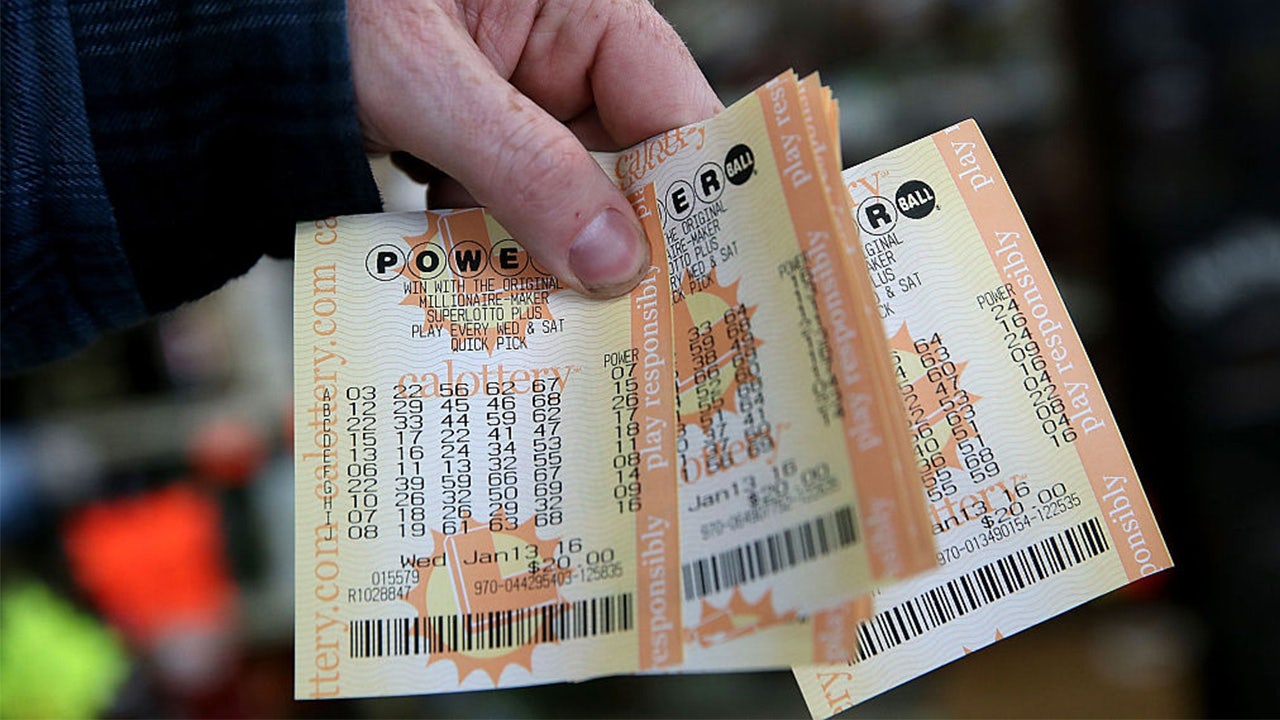
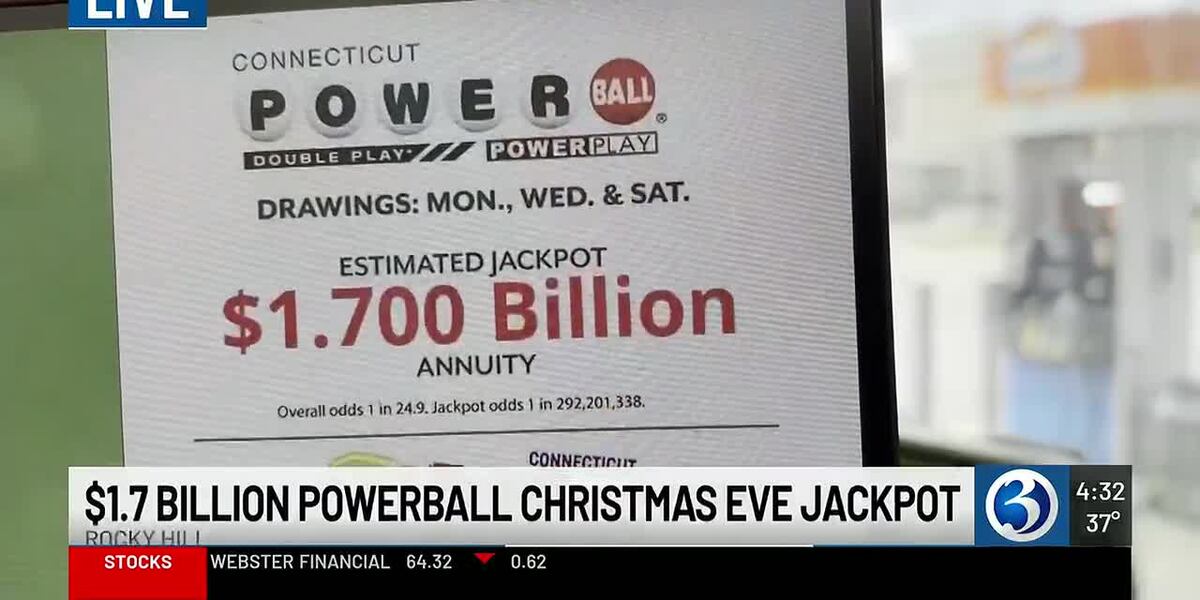
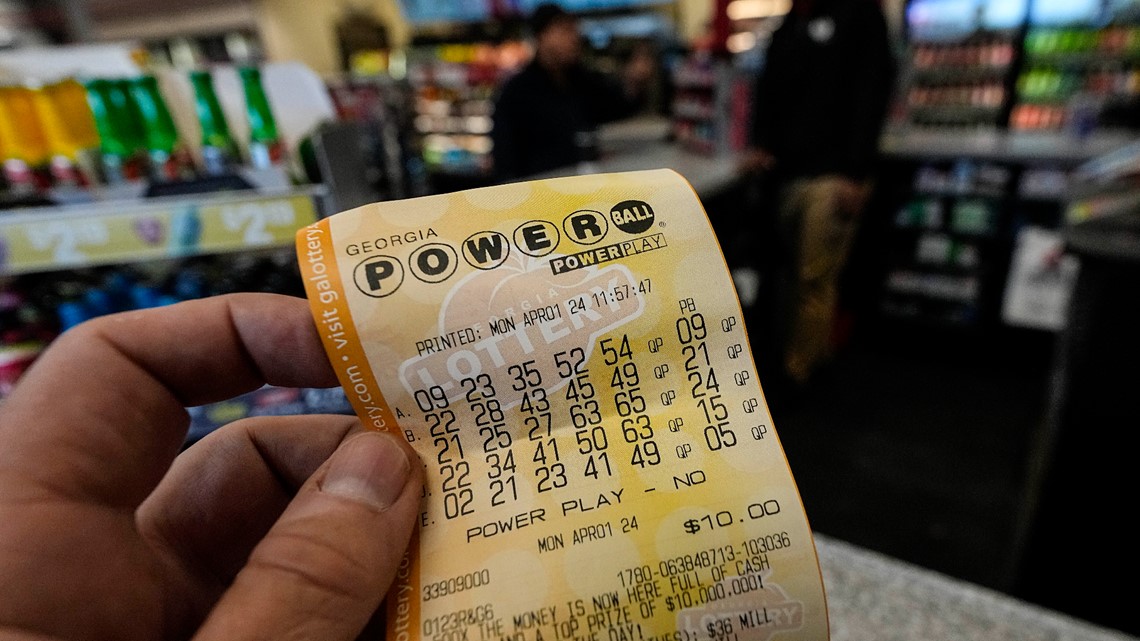
The jackpot's magnitude—$1.817 billion with a lump sum option of $834.9 million—demonstrates a remarkable phenomenon of public financial participation. Despite astronomically slim odds of 1 in 292.2 million, millions of Americans continue to invest in these high-stakes opportunities, revealing a deep-seated desire for transformative economic change. The ticket's purchase at a Murphy USA gas station in Cabot, Arkansas, symbolizes the democratized nature of this potential wealth transfer—suggesting that life-altering financial transformation can emerge from the most unexpected locations.
Strategically, this win highlights several critical economic dynamics. First, the lottery system's rollover mechanism effectively creates sustained public engagement by progressively increasing jackpot sizes. The three-month streak without a top prize, followed by this record-breaking win, shows how anticipation and accumulated potential drive continued participation. Second, the widespread availability across 45 states, Washington D.C., Puerto Rico, and the U.S. Virgin Islands indicates a sophisticated, nationally integrated financial entertainment ecosystem.
From a financial optimization perspective, this event reveals fascinating consumer behavior. Despite knowing the infinitesimal probability of winning, individuals like Chris Winters continue to participate, suggesting that the psychological value of potential transformation outweighs the minimal investment cost. The $2 ticket price represents an asymmetric risk-reward proposition that continues to captivate the American imagination.
Ultimately, this lottery win is a microcosm of broader economic aspirations—a testament to the enduring belief that extraordinary financial mobility remains possible, even in a complex economic environment. It reflects a uniquely American narrative of hope, risk, and the perpetual pursuit of transformative opportunity.
Questions 3
What financial strategies do lottery systems employ to maintain public engagement?
Lottery systems use strategic rollover mechanisms that progressively increase jackpot sizes during periods without top-prize winners. This approach creates sustained anticipation, media attention, and continued public participation by making each subsequent drawing more financially attractive.
What makes this Powerball jackpot economically significant?
The $1.817 billion prize represents the second-largest lottery jackpot in U.S. history, demonstrating an unprecedented scale of potential economic transformation. It reveals how lottery systems create massive financial opportunities through sophisticated rollover mechanisms, attracting millions of participants despite extremely low winning probabilities.