





Internet Shutdowns as Critical E-Commerce Risk | 300+ Blackouts in 2024 Disrupt Cross-Border Operations
- Nearly 300 internet shutdowns across 54 countries in 2024 create operational vulnerabilities for sellers; Iran's 20-day blackout cost $33M daily and demonstrates government control mechanisms targeting e-commerce infrastructure


























Overview
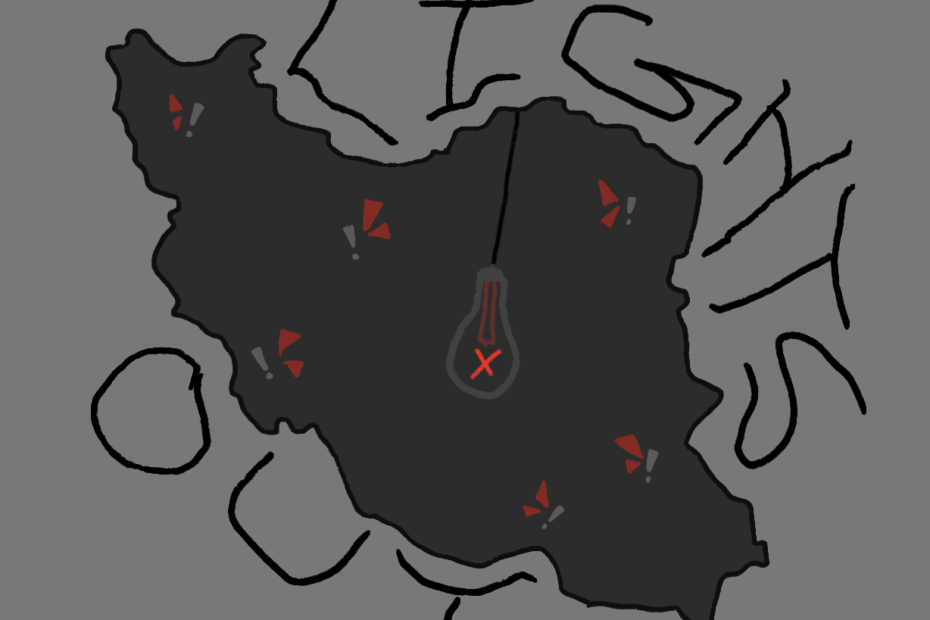
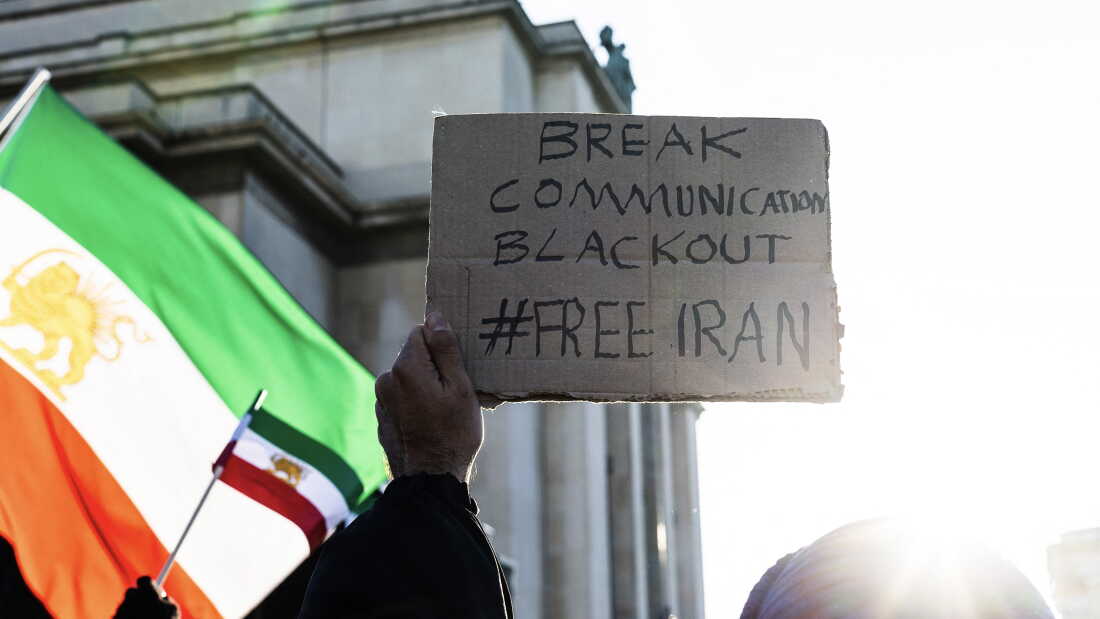
Internet shutdowns have emerged as a critical operational risk for cross-border e-commerce sellers, with AccessNow documenting nearly 300 shutdowns across 54 countries in 2024 and 17 significant national blackouts lasting at least one week since 2019. Iran's January 8, 2025 shutdown—blocking 99% of web traffic within hours and affecting 90 million people—represents the most sophisticated government control mechanism yet deployed, with direct implications for sellers operating in high-risk regions.
The operational impact on e-commerce is severe and multifaceted. Iran's shutdown lasted 20+ days with intermittent filtered access, disrupting payment processing, inventory management systems, customer communications, and logistics tracking simultaneously. Iran's Information and Communications Technology Minister Sattar Hashemi reported daily economic losses of at least $33 million USD (50 trillion rials), with actual figures significantly higher. The 2019 Iran shutdown cost the country $111.5 billion in total economic losses, while Egypt's 2011 five-day blackout cost $90 million in direct losses. For e-commerce sellers, these figures translate to complete business suspension: travel agencies lost most income and laid off employees; the National Post Company reported 60% decline in postal deliveries; online workers (video editors, crypto traders, teachers, streamers) faced forced unpaid leave. Sellers previously operating in Iran faced suspended transactions, payment processing failures, and inability to communicate with customers.
Government infrastructure investments demonstrate evolving control mechanisms beyond simple disconnection. Iran's sophisticated "halal internet" (National Information Network) developed since 2006 at an estimated $6 billion cost allows selective service restoration—banks, healthcare, and government systems operate while international connectivity remains restricted. The government is transitioning from blacklisting specific platforms (Telegram in 2018, Instagram and WhatsApp in 2022) to implementing "whitelisting" systems granting unrestricted access only to users with government security clearance. This represents a fundamental shift toward broader digital isolation. Authorities deployed military-grade jamming systems and GPS spoofers to block approximately 50,000 Starlink terminals smuggled into Iran, with possession now carrying prison sentence threats. The Trump administration cut US funding for VPN distribution programs, eliminating a key circumvention tool. Only 19% of Iran's population has used circumvention tools since August 2024, indicating limited technical capacity for most citizens and businesses.
For cross-border sellers, the strategic implications are profound. Iran's market has become largely inaccessible due to blackout duration and currency instability—the Iranian rial collapsed to 1.4 million per US dollar, making Iranian consumer purchasing power extremely limited. The regime's focus on keeping e-commerce sites online for economic reasons created brief, unreliable connectivity windows insufficient for business operations. The government estimates online businesses can survive approximately 20 days without internet, explaining why bandwidth restoration became necessary. This pattern reflects broader challenges in emerging markets where political instability directly impacts digital commerce infrastructure. Unlike Western democracies with distributed networks (UK has 64 subsea cables through private landing stations), authoritarian regimes concentrate control through state-operated gateways, creating asymmetric risk for international sellers operating across multiple jurisdictions. Sellers must implement redundancy strategies and geographic diversification to mitigate exposure to high-risk regions.
Questions 8
How many internet shutdowns occurred globally in 2024 and which regions are most affected?
AccessNow documented nearly 300 internet shutdowns across 54 countries in 2024, with 17 significant national blackouts lasting at least one week since 2019. Africa and the Middle East represent the primary affected regions. Iran's January 8, 2025 shutdown blocked 99% of web traffic within hours, affecting 90 million people. For cross-border sellers, this indicates that emerging markets in these regions face unpredictable business interruptions. Sellers operating in high-risk jurisdictions should implement geographic diversification strategies and maintain backup inventory in stable regions.
What is the economic impact of internet shutdowns on e-commerce operations and businesses?
Iran's 20-day shutdown in 2025 cost at least $33 million USD daily ($50 trillion rials), with actual figures significantly higher. The 2019 Iran shutdown cost $111.5 billion in total economic losses, while Egypt's 2011 five-day blackout cost $90 million. For e-commerce sellers specifically, shutdowns halt payment processing, disable inventory management systems, cease customer communications, and fail logistics tracking simultaneously. Travel agencies lost most income and laid off employees; postal deliveries declined 60%; online workers faced forced unpaid leave. Sellers must estimate 20+ days of zero revenue during extended blackouts and plan financial reserves accordingly.