

Digital Identity Reimagined: Google's Gmail Transformation Signals New Era of Personal Branding
- A strategic pivot empowering users and e-commerce sellers to redefine their online professional personas


Overview
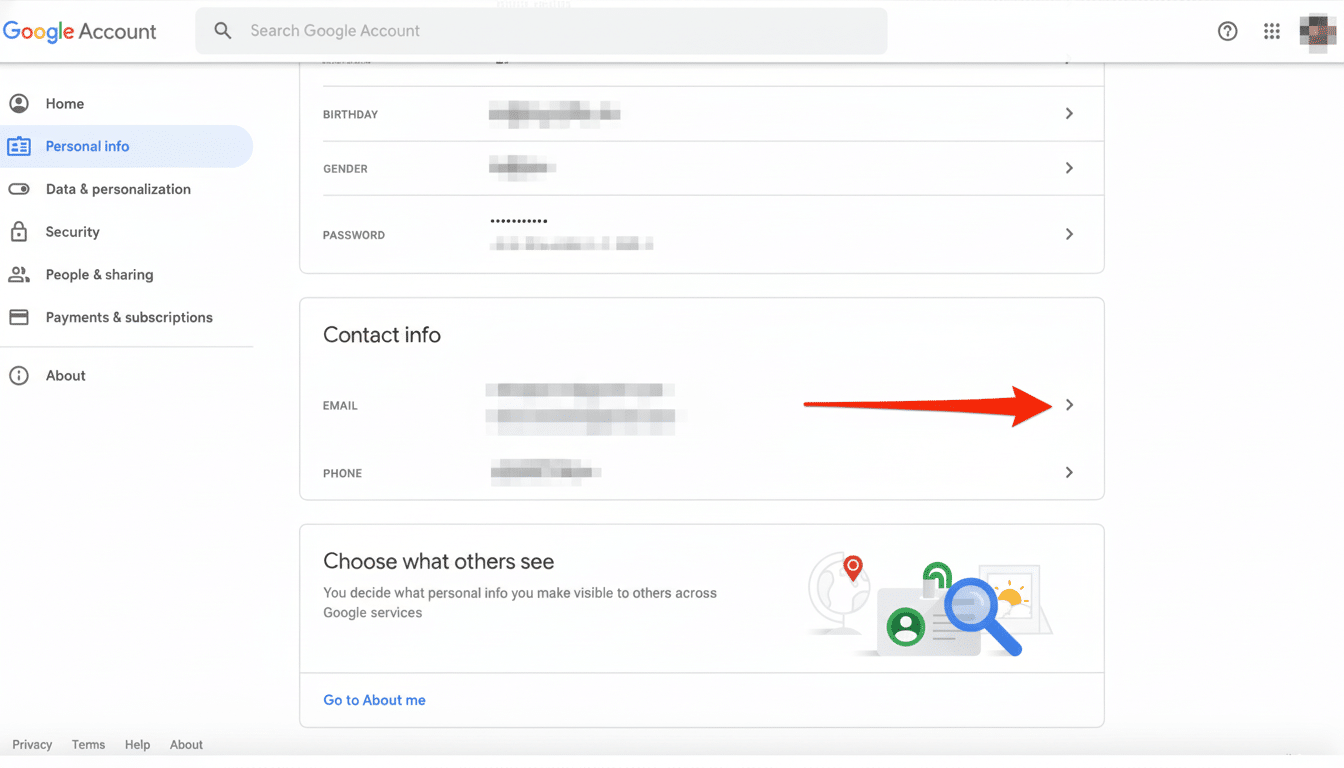
Digital identity management is undergoing a profound transformation, with Google's groundbreaking Gmail username change feature representing a watershed moment in how professionals and businesses conceptualize online personal branding. By introducing the ability to modify email addresses starting in 2026, Google is not merely offering a technical update, but fundamentally reimagining how users can evolve their digital personas without disrupting existing communication ecosystems.
Strategic Flexibility for Digital Professionals emerges as the core innovation. Users will be able to change their gmail.com addresses three times, with a mandatory one-year waiting period between modifications. This isn't just a cosmetic change—it's a recognition that digital identities are fluid, dynamic constructs that should adapt to personal and professional growth. For e-commerce sellers, this represents an unprecedented opportunity to align their email addresses more closely with their evolving business identities, potentially enhancing digital credibility and communication consistency.
The implementation details reveal a nuanced approach to user experience and data preservation. Google will treat the old email address as an alias, ensuring seamless email management across multiple platforms like YouTube, Maps, Drive, and Google Play. Critically, existing account data—including photos, messages, and files—remains completely unaffected. This approach demonstrates a user-centric design philosophy that prioritizes flexibility without compromising historical data integrity.
Beyond the immediate technical capabilities, this development signals broader digital transformation trends. Platforms are increasingly recognizing that users' personal and professional needs continuously evolve. By providing more account flexibility, Google is addressing long-standing user frustrations and adapting to a more dynamic digital communication landscape. The gradual rollout, starting in late 2025, suggests a carefully managed transition that allows for iterative improvements based on user feedback.
For entrepreneurs and digital professionals, this feature represents more than a simple email change—it's a strategic tool for personal rebranding. The ability to rectify early email choices that might have seemed unprofessional or personal can now be done without the complex process of creating entirely new accounts. This nuanced approach reflects a mature understanding of digital identity management, where adaptability and continuity coexist.
Questions 4
What opportunities does this feature create for e-commerce sellers?
E-commerce sellers can now align their email addresses more professionally with their business identities. This allows for improved digital credibility, more consistent branding, and the ability to rectify early unprofessional email choices without complex account migrations.
When will this Gmail address change feature be available?
Google plans to introduce this feature in late 2025, with a gradual rollout. Not all users will have immediate access, suggesting a phased implementation to manage system complexity and user experience.