


Critical Minerals Alliance Reshapes Global Supply Chains | Seller Sourcing Opportunities
- 20-nation coalition de-risks from China; A$1.2B Australian reserve signals tariff arbitrage window for electronics, renewable energy sellers


















Overview
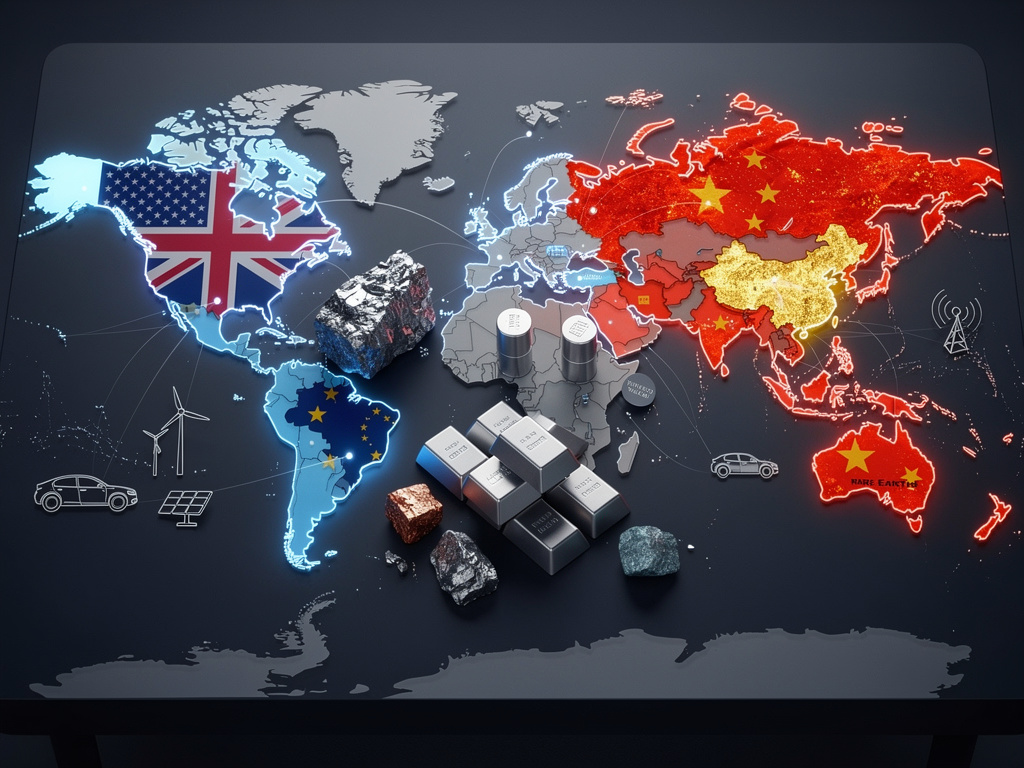
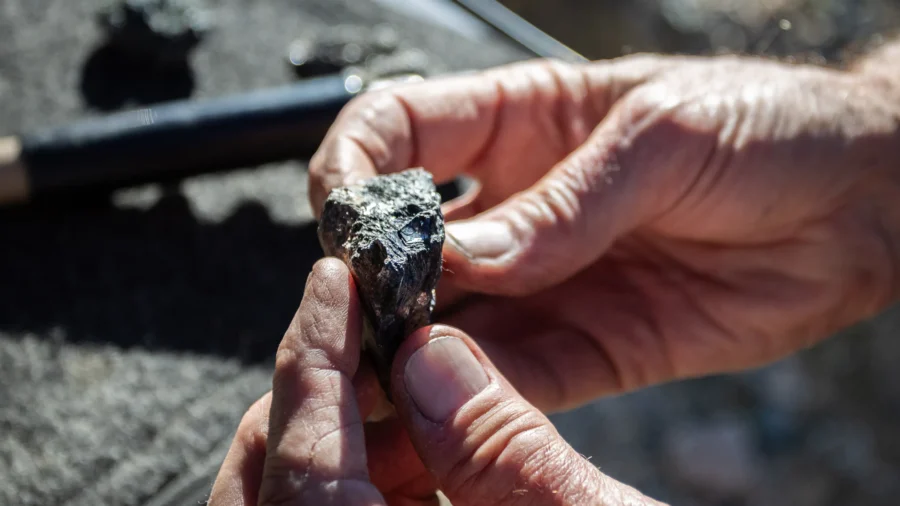
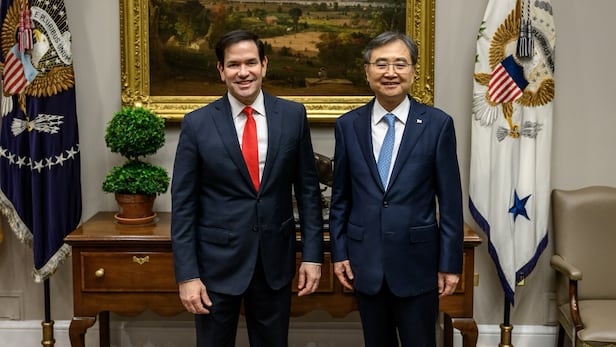
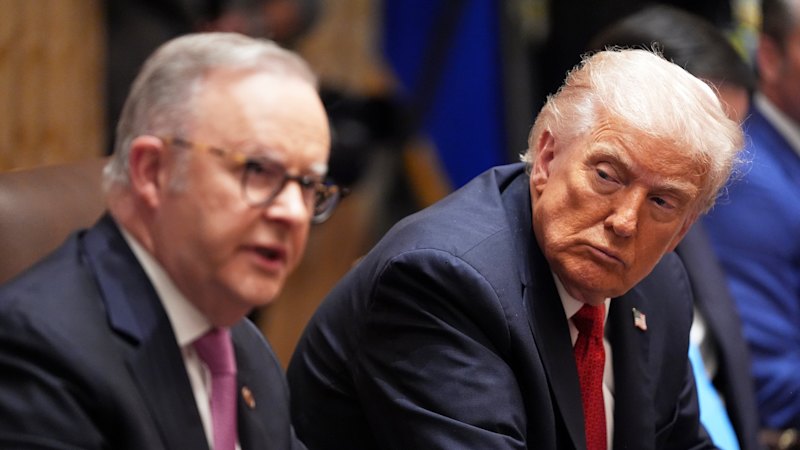
The formation of a 20-nation Critical Minerals Alliance led by the US, EU, UK, Japan, and Australia represents a fundamental restructuring of global supply chains with immediate implications for cross-border e-commerce sellers. The Washington summit convened by Secretary of State Marco Rubio addresses China's April 2025 rare earth export restrictions, which triggered retaliatory tariffs and created acute supply vulnerabilities. Australia's A$1.2 billion (£610 million) strategic mineral reserve—stockpiling antimony, gallium, and permanent magnets—signals a coordinated de-risking strategy that opens new sourcing corridors for sellers dependent on critical materials.
Tariff Arbitrage Opportunities: The EU currently sources 17,000-18,000 tonnes of permanent magnets annually from China (85-90% of 20,000-tonne consumption), with only 1,000 tonnes produced domestically. This 85% import dependency creates immediate opportunities for sellers to shift sourcing to alliance members (Australia, Japan, South Korea, India) before tariff parity mechanisms stabilize. Sellers in electronics (smartphones, components), renewable energy (wind turbines, solar inverters), and advanced manufacturing (aerospace, defense) face 8-15% cost increases if China-sourced materials remain tariffed. Early movers to Australian or Japanese suppliers can lock in 3-6 month pricing windows before market-wide reallocation occurs. The decision against US minimum pricing guarantees means market-driven pricing will create temporary arbitrage windows—sellers can source at current depressed prices before supply normalization.
Competitive Segment Shifts: Mid-market sellers (annual revenue $5-50M) sourcing from China face the highest disruption risk, as they lack the scale to negotiate alternative supplier contracts quickly. Large sellers (Amazon aggregators, Walmart suppliers) with established relationships in Japan, South Korea, and India gain competitive advantages through existing supply agreements. Small sellers (<$1M revenue) selling finished goods (consumer electronics, smart home devices, renewable energy components) will see 12-18% COGS increases within 6-9 months as supply chain adjustments cascade. The EU's push to abandon steel derivative tariffs (affecting aluminum doors, wind turbine components) signals potential tariff relief for sellers in these categories—a 4-6% margin recovery opportunity if negotiations succeed.
Strategic Sourcing Shifts: Vietnam and India emerge as critical alternative sourcing destinations, particularly for rare earth processing and permanent magnet manufacturing. Japan's multi-year reserve strategy demonstrates the viability of supply diversification. Sellers should prioritize sourcing agreements with Australian suppliers (antimony, gallium) and Japanese manufacturers (permanent magnets, rare earth processing) within the next 60-90 days, before supply agreements tighten and pricing normalizes. The summit's outcome will determine whether coordinated de-risking creates stable alternative supply chains or triggers further tariff escalation—both scenarios require immediate supplier diversification action.
Questions 8
What is the timeline for tariff arbitrage opportunities in critical minerals sourcing?
The 60-90 day window represents the critical action period before supply agreements tighten and pricing normalizes. Washington's decision against minimum pricing guarantees means market-driven pricing will create temporary arbitrage windows—sellers can source at current depressed prices before supply normalization. The summit's outcome will determine whether coordinated de-risking creates stable alternative supply chains or triggers further tariff escalation. Sellers should prioritize sourcing agreements with Australian suppliers (antimony, gallium) and Japanese manufacturers (permanent magnets) immediately. Delaying beyond 90 days risks losing pricing advantages as competitors establish alternative supplier relationships and supply tightens.
How will EU steel derivative tariff negotiations impact aluminum and wind turbine sellers?
The EU's push to abandon new global steel derivative tariffs affecting aluminum doors and wind turbine components signals potential 4-6% margin recovery if negotiations succeed. Sellers in these categories face current tariff exposure that could be eliminated through alliance negotiations. Wind turbine component sellers and aluminum door manufacturers should monitor summit outcomes closely, as tariff relief could improve margins significantly. If negotiations fail, sellers should prepare for sustained tariff costs and adjust pricing strategies accordingly. The outcome will reshape competitive dynamics in renewable energy and construction product categories, affecting both sourcing costs and retail pricing.